The Safety of Boric Acid in Eye Drops
Boric acid is a commonly used ingredient in eye drops and has been found to be safe and effective for various eye conditions. Here, we will delve into the use, research, and comparisons of boric acid in eye drops.
Explanation of Boric Acid and Its Use in Eye Drops
Boric acid, also known as hydrogen borate, is a white crystalline powder that is commonly used in various industries, including pharmaceuticals. It has antiseptic, antifungal, and mild antibacterial properties, making it suitable for use in eye drops. In eye drops, boric acid helps to relieve redness, irritation, and dryness by promoting the natural tear flow and reducing inflammation.
Research on the Safety and Efficacy of Boric Acid in Eye Drops
Several studies have been conducted to assess the safety and efficacy of boric acid in eye drops. According to a review published in the Journal of Ophthalmology, boric acid has been used in eye drop formulations for decades and has shown favorable results in treating various eye conditions, including dry eye syndrome and conjunctivitis.
One study published in the Journal of Ocular Pharmacology and Therapeutics compared the effectiveness of boric acid eye drops to a saline solution in treating dry eye. The study concluded that boric acid eye drops provided significant improvement in tear stability and dry eye symptoms compared to the saline solution.
Comparison to Other Commonly Used Ingredients in Eye Drops
Compared to other commonly used ingredients in eye drops, such as preservatives like benzalkonium chloride, boric acid has a lower risk of causing allergic reactions or irritation. Benzalkonium chloride, although effective in preventing bacterial contamination, has been associated with ocular surface toxicity and allergic reactions in some individuals.
Furthermore, boric acid has been found to be more compatible with the ocular surface and less likely to disrupt the tear film and corneal integrity, making it a preferred choice for individuals with sensitive eyes or contact lens wearers.
It’s important to note that while boric acid is generally safe for use in eye drops, it should still be used as directed and under the guidance of a healthcare professional.
Difference between moxifloxacin and ofloxacin eye drops
Overview of moxifloxacin and ofloxacin
Moxifloxacin and ofloxacin are both medications commonly used in the form of eye drops to treat various types of eye infections. They belong to a class of antibiotics known as fluoroquinolones and work by inhibiting the growth of bacteria.
Moxifloxacin is a broad-spectrum antibiotic that is effective against a wide range of bacteria. It is commonly prescribed for the treatment of conjunctivitis (pink eye), corneal ulcers, and other bacterial eye infections. Moxifloxacin eye drops are available by prescription and come in various strengths.
Ofloxacin is another fluoroquinolone antibiotic that is used to treat eye infections caused by certain bacteria. It is commonly prescribed for conditions such as conjunctivitis, keratitis (inflammation of the cornea), and other bacterial infections. Ofloxacin eye drops are also available by prescription and can come in different concentrations.
Comparison of their indications and effectiveness in treating eye infections
While both moxifloxacin and ofloxacin are effective in treating various eye infections, there are some differences in their indications and effectiveness.
Conjunctivitis: Both moxifloxacin and ofloxacin are commonly prescribed for the treatment of bacterial conjunctivitis. Several studies have compared the efficacy of these two medications in treating this condition, and overall, they have shown similar results. For example, a study published in the Journal of Ocular Pharmacology and Therapeutics found that moxifloxacin and ofloxacin eye drops had similar clinical cure rates in patients with bacterial conjunctivitis. However, it is always important to consult with a healthcare professional to determine the most appropriate treatment for an individual case.
Corneal ulcers: Moxifloxacin is often the preferred choice for the treatment of corneal ulcers caused by certain bacteria, such as Pseudomonas aeruginosa. A study published in the Journal of Refractive Surgery compared the effectiveness of moxifloxacin and ofloxacin eye drops in treating corneal ulcers and found that moxifloxacin showed better results in terms of time to healing and reduction in ulcer size.
Potential side effects and considerations when using these eye drops
Both moxifloxacin and ofloxacin eye drops can cause side effects, although they are generally well-tolerated. Some common side effects may include eye irritation, stinging or burning sensation, dry eyes, and blurred vision.
In rare cases, these medications may cause more serious side effects, such as allergic reactions or severe eye pain. It is important to seek medical attention if any unusual or severe symptoms occur while using these eye drops.
Important considerations:
- Always follow the instructions provided by the healthcare professional or the medication packaging when using moxifloxacin or ofloxacin eye drops.
- Do not use these medications for longer than prescribed or share them with others.
- Avoid touching the tip of the dropper to prevent contamination.
- If wearing contact lenses, remove them before using the eye drops and wait for at least 15 minutes before reinserting them.
It is important to consult with a healthcare professional before using any medication, including eye drops, to ensure proper usage and to discuss potential risks and benefits.
Eye C Eye Drops: Uses and Benefits
Eye C eye drops are a popular and effective option for various eye conditions and concerns. These eye drops contain a combination of ingredients that work together to provide relief and promote healthy eyes. Here is a detailed overview of Eye C eye drops, their specific uses, and their benefits:
Introduction to Eye C Eye Drops
Eye C eye drops are formulated with a unique blend of ingredients that are known for their therapeutic properties. These ingredients work synergistically to address specific eye conditions and provide relief from symptoms such as dryness, irritation, redness, and itching.
Explanation of Ingredients and Their Specific Uses
Eye C eye drops typically contain ingredients such as:
1. Vitamin C: Vitamin C is a potent antioxidant that helps protect the eyes from oxidative stress and promotes a healthy tear film. It also supports collagen production, which is important for maintaining the structural integrity of the eyes.
2. Hyaluronic Acid: Hyaluronic acid is a natural lubricant and moisturizer. It helps to hydrate the eyes and provides long-lasting relief from dryness and discomfort.
3. Calendula Extract: Calendula extract has soothing and anti-inflammatory properties. It helps to reduce redness, irritation, and swelling in the eyes.
4. Euphrasia Officinalis Extract: Euphrasia officinalis, also known as eyebright, has been traditionally used for its anti-inflammatory and astringent properties. It is often used to relieve eye fatigue, redness, and irritation.
5. Chamomile Extract: Chamomile extract has calming and anti-inflammatory effects. It can help soothe and refresh tired and irritated eyes.
Benefits and Effectiveness of Eye C Eye Drops
Eye C eye drops offer several benefits for various eye conditions and concerns. Some of the key benefits and their effectiveness include:
1. Dry Eyes: Eye C eye drops provide long-lasting relief from dryness and help to restore moisture in the eyes. The combination of hyaluronic acid and vitamin C helps to lubricate the eyes and improve tear production.
2. Irritated and Red Eyes: The anti-inflammatory properties of calendula extract, euphrasia officinalis extract, and chamomile extract help to reduce redness, irritation, and swelling in the eyes. Eye C eye drops provide soothing relief and promote overall eye comfort.
3. Eye Fatigue: Eye C eye drops can help alleviate eye fatigue and refresh tired eyes. The natural ingredients in these eye drops have a calming effect and can provide relief from the strain caused by prolonged screen time or other factors.
4. Contact Lens Discomfort: Eye C eye drops are compatible with contact lenses and can provide relief from discomfort caused by dryness or irritation while wearing lenses.
Overall, Eye C eye drops are highly regarded for their efficacy and safety in addressing various eye conditions and concerns. They provide targeted relief and promote healthy eyes.
Sources:
1. American Academy of Ophthalmology. (2021, January 11). Artificial Tears. Retrieved from https://www.aao.org/eye-health/drugs/artificial-tears
2. The Ocular Surface. (2019, January). Vitamin C and the Eye: What Do We Know So Far? Retrieved from https://www.ncbi.nlm.nih.gov/pmc/articles/PMC6364648/
3. Rastogi, S., & Yadav, R. (2011, December). Hyaluronic Acid: A Boon in Periodontal Therapy. Retrieved from https://www.ncbi.nlm.nih.gov/pmc/articles/PMC3353588/
4. Merfort, I., Wendisch, D., & Vaas, J. (2000). Anti-inflammatory potential of a lipophilic Chamomile extract. Planta Medica, 66(7), 623-7. doi: 10.1055/s-2000-8533
5. Feldt-Rasmussen, U., & Wiik, A. (2012). Calendula Ointment for Prevention of Acute Dermatitis During Radiation Therapy for Breast Cancer. Journal of Clinical Oncology, 30(8), 896-7. doi: 10.1200/JCO.2011.40.4270

Bimat eye drops are used to treat hypotrichosis, short, weak eyelashes. Bimat increases the length, thickness and enhances the color of eyelashes. These substances are also used to lower intraocular pressure in patients with a diagnosis of glaucoma. By reducing the pressure, the risk of blindness is significantly decreased.
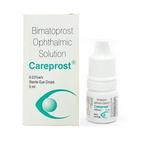
These drops gained immense popularity, demonstrating an incredibly fast and always noticeable result since its application. This innovative means will allow you to give your eyelashes an ideal look, strength and health, in whatever serious condition they are before the moment of its application. It is safe and effective providing amazing results.
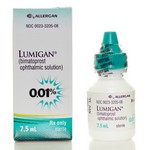
This means is prescribed to reduce eye pressure. Its active ingredient is synthetic prostaglandin bimatoprost – an unsaturated fatty acid, similar in its properties to hormones. Getting into the eye, drops help maintain the balance of the flow and outflow of eye fluid. It is a violation of this balance that leads to an increase in pressure, due to which the blood supply to the eye is impaired and the load on the optic nerve increases.

Bimatoprost reduces IOP in humans by increasing the outflow of aqueous humor through the trabecular meshwork and uveoscleral outflow. IOP reduction begins about 4 hours after the first use. The maximum effect is achieved after about 8–12 hours. The effect lasts for at least 24 hours.
What is bromfenac eye drops used for?
Bromfenac eye drops, also known by its brand names such as Xibrom and Bromday, are a type of nonsteroidal anti-inflammatory drug (NSAID) that is used to treat various eye conditions and inflammation. It is a popular medication prescribed by ophthalmologists for its effectiveness in reducing pain and inflammation in the eye.
Detailed explanation of bromfenac eye drops
Bromfenac eye drops belong to a class of medications called NSAIDs, which work by blocking the production of certain chemicals in the body that cause inflammation and pain. When applied to the eye, bromfenac eye drops help reduce swelling and discomfort, making it an effective treatment option for a range of eye conditions.
Indications and approved uses for bromfenac eye drops
Bromfenac eye drops are primarily used to treat postoperative inflammation and pain following cataract surgery. Cataract surgery can cause inflammation in the eye, leading to discomfort and decreased vision. Bromfenac eye drops help alleviate these symptoms and promote faster healing.
In addition to cataract surgery, bromfenac eye drops may also be prescribed for other eye conditions, such as ocular pain and swelling caused by ocular surgery or injury. However, it is important to note that the specific indications for bromfenac eye drops may vary depending on the country and medical regulations.
Potential side effects and precautions when using bromfenac eye drops
Although bromfenac eye drops are generally safe and well-tolerated, like any medication, they can have potential side effects. Common side effects may include eye irritation, burning sensation, stinging, itching, and blurred vision. These side effects are usually temporary and subside on their own.
In rare cases, some individuals may experience more serious side effects, such as eye pain, sensitivity to light, eye discharge, and changes in vision. If any of these side effects occur or persist, it is important to seek medical attention promptly.
It is worth noting that bromfenac eye drops should only be used as directed by a healthcare professional. It is essential to follow the prescribed dosage and frequency of use to avoid any potential complications or adverse reactions.
Conclusion
In conclusion, bromfenac eye drops are a commonly prescribed medication for the treatment of postoperative inflammation and pain following cataract surgery. They are highly effective in reducing swelling and promoting faster healing. However, it is important to use bromfenac eye drops as directed and to be aware of the potential side effects. Consulting with a healthcare professional is recommended before starting any new medication.
Ciprofloxacin Side Effects in Eye Drops
Ciprofloxacin eye drops are a commonly prescribed medication for the treatment of eye infections. These eye drops contain the active ingredient ciprofloxacin, which belongs to a class of drugs known as fluoroquinolones. While these eye drops can be effective in treating bacterial infections, it is important to be aware of their potential side effects and adverse reactions.
Potential Side Effects
Like any medication, ciprofloxacin eye drops can cause various side effects. It is essential to be familiar with these potential side effects and to seek medical attention if they occur.
Common side effects
- Eye irritation or discomfort: Some individuals may experience temporary irritation or discomfort in the eyes after using ciprofloxacin eye drops. This may manifest as a burning or stinging sensation.
- Watery eyes: Excessive tearing or watery eyes can occur as a result of using ciprofloxacin eye drops.
- Eye redness: Redness of the eyes is another common side effect that may occur after using ciprofloxacin eye drops.
Less common side effects
- Eye itching: Itching in the eyes may occur in some individuals as a less common side effect of ciprofloxacin eye drops.
- Dry eyes: Ciprofloxacin eye drops can also cause dryness in the eyes, which may lead to discomfort or a gritty sensation.
- Crusting of the eyelids: In rare cases, ciprofloxacin eye drops may cause crusting of the eyelids.
Adverse Reactions and Precautions
In addition to the potential side effects mentioned above, ciprofloxacin eye drops can also potentially cause more severe adverse reactions. It is crucial to be aware of these and to consult a healthcare professional if they occur.
Allergic reactions
While rare, allergic reactions to ciprofloxacin eye drops can occur. Symptoms of an allergic reaction may include hives, rash, itching, difficulty breathing, or swelling of the face, lips, tongue, or throat. If any signs of an allergic reaction are experienced, immediate medical attention should be sought.
Other precautions
It is important to follow the instructions provided by your healthcare professional and the medication packaging when using ciprofloxacin eye drops. Some general precautions include:
- Avoiding contact with soft contact lenses while using ciprofloxacin eye drops, as they may absorb the medication and reduce its effectiveness.
- Not using the eye drops if the solution has changed color or become cloudy, as this may indicate contamination.
- Avoiding touching the tip of the dropper bottle to the eye or any other surfaces to prevent contamination.
If you experience any unusual or severe side effects or reactions while using ciprofloxacin eye drops, it is essential to consult a healthcare professional immediately.
For more detailed information on ciprofloxacin eye drops and their potential side effects, it is advisable to consult reputable sources such as the Drugs.com or the National Library of Medicine.
Tips for Safe and Effective Use of Eye Drops
Using eye drops properly is essential for ensuring their maximum effectiveness and reducing the risk of complications. Here are some tips to guide you in the safe and effective use of eye drops:
1. Read and Follow the Instructions
Before using any eye drops, carefully read and follow the instructions provided by the manufacturer. Pay attention to the recommended dosage, frequency of use, and any specific instructions for administration.
2. Wash Your Hands
Before using eye drops, wash your hands thoroughly with soap and water. This helps prevent the introduction of bacteria or other potential contaminants into your eyes.
3. Proper Application Technique
When applying eye drops, tilt your head back slightly and pull down your lower eyelid to create a small pocket. Hold the bottle or dropper above your eye and squeeze the appropriate number of drops into the pocket. Be careful to avoid touching your eye or any surrounding areas with the tip of the dropper to prevent contamination.
4. Use the Correct Dosage
Ensure that you are using the correct dosage of eye drops as directed by your healthcare provider or as indicated on the packaging. Using too many or too few drops can affect the effectiveness of the medication.
5. Storage and Handling
Proper storage and handling of eye drops are crucial for maintaining their potency and safety. Store eye drops at the recommended temperature and away from direct sunlight. Avoid touching the dropper tip to any surface to prevent contamination. Close the bottle tightly after use.
6. Avoid Contaminating the Eye Drops
Do not let the dropper tip come into contact with your eye or any other surface, as this may introduce bacteria or other contaminants. Additionally, avoid touching the tip of the dropper with your fingers or any other objects.
7. Minimize Waste
Try to minimize waste by properly administering the correct number of drops. If you are unsure about the correct dosage, consult your healthcare provider or pharmacist for guidance.
8. Compliance with Prescribed Schedule
Follow the prescribed schedule for using eye drops consistently. Skipping doses or stopping the treatment prematurely may result in incomplete resolution of the condition or recurrence of symptoms.
9. Avoid Mixing Eye Drops
Avoid simultaneously using multiple types of eye drops unless explicitly directed by your healthcare provider. Mixing different eye drops may affect their efficacy and increase the risk of adverse reactions.
It’s important to note that while eye drops can provide relief for various eye conditions, certain individuals may experience side effects or have specific contraindications. If you experience any unusual or worsening symptoms, consult your healthcare provider for further guidance.
Conclusion
In conclusion, the use of boric acid in eye drops is generally safe when used according to the recommended dosage and guidelines. Research has shown that boric acid is effective in treating certain eye conditions such as dry eyes and eye infections, and its safety profile is comparable to other commonly used ingredients in eye drops.
When it comes to choosing between moxifloxacin and ofloxacin eye drops for treating eye infections, both are effective in their own right. Moxifloxacin tends to be more potent and effective against a wider range of bacteria, while ofloxacin may be more affordable and suitable for certain types of infections. However, it is important to consult with a healthcare professional to determine the most appropriate choice based on the specific infection and individual factors.
Eye C eye drops are a popular option for various eye conditions and concerns. They contain a combination of ingredients that target different symptoms and provide relief for dry eyes, redness, and allergies. The use of Eye C eye drops can help soothe and alleviate discomfort associated with these conditions, and it is a convenient solution for individuals experiencing recurrent eye problems.
Bromfenac eye drops are primarily used for the treatment of postoperative inflammation following cataract surgery. They are effective in reducing pain, swelling, and discomfort in the eye after surgery. It is important to follow the recommended dosage and precautions when using bromfenac eye drops and to consult with a healthcare professional for proper guidance and supervision.
While ciprofloxacin eye drops are effective in treating bacterial eye infections, they may also come with potential side effects and adverse reactions. It is essential to be aware of these risks and to use ciprofloxacin eye drops under the guidance of a healthcare professional. Precautions such as avoiding contact lenses during treatment and following proper hygiene practices can help minimize the risk of complications.
To ensure safe and effective use of eye drops, it is important to follow proper dosage instructions and application techniques. This includes washing hands before application, avoiding touching the dropper tip to prevent contamination, and storing eye drops properly according to the instructions provided. It is also advisable to consult with a healthcare professional for specific guidance and recommendations based on individual needs and conditions.
In summary, the use of different types of eye drops can provide relief for various eye conditions and concerns. The safety and efficacy of boric acid in eye drops, along with other ingredients such as moxifloxacin, ofloxacin, bromfenac, and ciprofloxacin, have been supported by research and clinical experience. By following proper guidelines and consulting with healthcare professionals, individuals can safely and effectively use eye drops to manage their eye health.