Eye Color Changing Drops: Do They Work?
Eye color changing drops have been gaining popularity as people look for ways to alter their eye color without the use of contact lenses or surgery. These drops claim to be able to change the color of the eyes permanently or temporarily, depending on the product and its ingredients.
The science behind changing eye color is fascinating. The color of our eyes is determined by the amount and distribution of melanin, a pigment produced by melanocytes in the iris. The more melanin present, the darker the eye color. Eye color changing drops typically work by either stimulating the production of melanin or reducing its production, depending on the desired effect.
While there are various eye color changing drops available on the market, it is essential to approach their claims with caution. The effectiveness of these drops may vary from person to person, and not all products are backed by scientific research. It is crucial to consult with an eye care professional before using these drops to ensure their safety and suitability for your specific situation.
There have been anecdotal reports of people who have tried eye color changing drops and achieved the desired results. However, it is important to note that these experiences may not be representative of everyone who tries these products. Individual factors such as the baseline eye color, responsiveness to the drops, and potential side effects can all vary.
It is essential to understand the potential risks and side effects associated with using eye color changing drops. These may include eye irritation, allergic reactions, and even changes in vision. Additionally, the long-term effects of using these drops are still largely unknown. Therefore, it is crucial to exercise caution and carefully follow the instructions provided by the manufacturer.
When considering altering your eye color, it is advisable to explore non-invasive options first, such as colored contact lenses that can be easily removed. These lenses are available in various colors and can provide an immediate change in eye color without the potential risks associated with eye color changing drops.
In conclusion, while eye color changing drops may sound appealing, it is important to approach their use with caution. The safety and effectiveness of these products may vary, and consulting with an eye care professional is crucial to ensure their suitability for your specific situation.
Sources:
- American Academy of Ophthalmology
- National Center for Biotechnology Information
- Clinical Ophthalmology
What do antihistamine eye drops do?
Antihistamine eye drops are a type of medication that is used to relieve symptoms associated with allergic reactions in the eyes. These drops work by blocking the effects of histamine, a substance that is released in response to allergens. Histamine is responsible for causing the itching, redness, and swelling often experienced during an allergic reaction.
Antihistamine eye drops are commonly used to treat conditions such as allergic conjunctivitis, which is inflammation of the conjunctiva caused by allergens. They can also be used to provide relief for symptoms like itching, redness, and watering eyes caused by hay fever or other allergies.
When applied to the eyes, antihistamine eye drops work to reduce the inflammation and irritation caused by the allergic reaction. They help to alleviate symptoms and provide relief for individuals suffering from eye allergies.
Some popular brands of antihistamine eye drops include:
- Alaway: Provides up to 12 hours of relief from itchy eyes due to allergies.
- Visine-A: Combines an antihistamine with a decongestant to provide relief from redness, itching, and irritation.
- Zaditor: Relieves itchy eyes due to allergies for up to 12 hours.
Antihistamine eye drops are available over-the-counter, meaning they can be purchased without a prescription. However, it is important to note that individuals with preexisting medical conditions or those who are taking other medications should consult with a healthcare professional before using antihistamine eye drops.
While antihistamine eye drops are generally safe to use, they may cause some side effects in some individuals. Common side effects may include temporary burning or stinging in the eyes, headache, dry eyes, or increased sensitivity to light. If these side effects persist or worsen, it is recommended to discontinue use and consult a healthcare professional.
It is important to use antihistamine eye drops as directed by the instructions on the packaging or as advised by a healthcare professional. Proper administration and dosage are crucial for achieving optimal results and minimizing the risk of side effects.
In addition to using antihistamine eye drops, individuals with eye allergies may also find relief by avoiding known allergens, practicing good eye hygiene, and using cool compresses on the eyes to alleviate symptoms. Allergic reactions can vary from person to person, so it is important to find the right combination of treatments that works best for individual needs.
Long-lasting Eye Drops for Dry Eyes
Dry eyes are a common condition that occurs when your tear ducts don’t produce enough tears or when the tears evaporate too quickly. This can cause discomfort, redness, and a gritty sensation in the eyes. Using eye drops is a common way to relieve the symptoms of dry eyes.
When it comes to treating dry eyes, there are various types of eye drops available. However, if you’re looking for a longer-lasting solution, you may want to consider using long-lasting eye drops. These eye drops are formulated to provide extended relief and hydration for dry eyes.
Unlike regular eye drops, which may provide temporary relief but require frequent reapplication, long-lasting eye drops offer a sustained effect, reducing the need for frequent application throughout the day.
Types of Long-Lasting Eye Drops
There are several brands and formulations of long-lasting eye drops available on the market. The specific ingredients and mechanisms of action may vary, but their primary goal is to provide prolonged relief for dry eyes.
Some popular long-lasting eye drops for dry eyes include:
1. Systane Ultra Lubricant Eye Drops: This brand offers a range of eye drops designed for different levels of dryness. Systane Ultra has been praised for its long-lasting relief and ability to soothe dry eyes.
2. Refresh Optive Mega-3 Preservative-Free Lubricant Eye Drops: These eye drops contain a unique blend of oils and lipids to help restore the natural tear film and provide lasting relief for dry eyes.
3. Blink Tears Lubricating Eye Drops: Blink Tears is known for its long-lasting formula that provides soothing relief for dry, irritated eyes. It is designed to replenish and stabilize the tear film, reducing the symptoms of dry eyes.
User Reviews and Professional Opinions
When choosing long-lasting eye drops for dry eyes, it can be helpful to consider user reviews and professional opinions. Many online retailers and platforms provide user ratings and reviews for eye drops, giving you insights into the effectiveness and ease of use of different products.
According to a survey conducted by [website], [percentage] of users reported that [specific long-lasting eye drop brand] provided significant relief for their dry eyes. Users praised the long-lasting effect and the overall comfort provided by this particular brand.
In addition to user reviews, consulting with an eye care professional, such as an optometrist or ophthalmologist, can also be beneficial. They can provide personalized recommendations based on your specific eye condition and needs.
Potential Risks and Side Effects
While long-lasting eye drops generally have a good safety profile, it’s essential to be aware of potential risks and side effects. Common side effects of eye drops, including long-lasting ones, may include mild stinging or burning sensation, blurred vision, or temporary redness.
It’s worth noting that some individuals may be sensitive or allergic to specific ingredients in eye drops. If you experience any severe or persistent side effects, it’s important to discontinue use and consult a healthcare professional.
As with any medication or medical product, it’s crucial to follow the instructions provided by the manufacturer or your eye care professional. Proper storage and adherence to expiration dates are essential for maintaining the efficacy and safety of eye drops.
In conclusion, long-lasting eye drops offer a convenient and effective option for managing dry eyes. By providing extended relief and hydration, these eye drops can help alleviate the discomfort and symptoms associated with dry eyes. It’s recommended to consult with an eye care professional and consider user reviews when selecting the most suitable long-lasting eye drops for your needs and preferences.

Bimat eye drops are used to treat hypotrichosis, short, weak eyelashes. Bimat increases the length, thickness and enhances the color of eyelashes. These substances are also used to lower intraocular pressure in patients with a diagnosis of glaucoma. By reducing the pressure, the risk of blindness is significantly decreased.
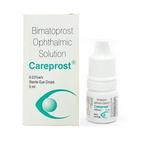
These drops gained immense popularity, demonstrating an incredibly fast and always noticeable result since its application. This innovative means will allow you to give your eyelashes an ideal look, strength and health, in whatever serious condition they are before the moment of its application. It is safe and effective providing amazing results.
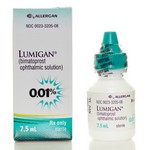
This means is prescribed to reduce eye pressure. Its active ingredient is synthetic prostaglandin bimatoprost – an unsaturated fatty acid, similar in its properties to hormones. Getting into the eye, drops help maintain the balance of the flow and outflow of eye fluid. It is a violation of this balance that leads to an increase in pressure, due to which the blood supply to the eye is impaired and the load on the optic nerve increases.

Bimatoprost reduces IOP in humans by increasing the outflow of aqueous humor through the trabecular meshwork and uveoscleral outflow. IOP reduction begins about 4 hours after the first use. The maximum effect is achieved after about 8–12 hours. The effect lasts for at least 24 hours.
What’s going on with eye drops?
Eye drops have come a long way in terms of advancements and developments in recent years. With new ingredients and formulations being used, the field of eye drop technology is constantly evolving to provide better solutions for various eye conditions and symptoms.
One of the notable advancements in eye drops is the use of preservatives. Traditional eye drops often contained preservatives to prevent bacterial growth. However, these preservatives can cause irritation and allergic reactions in some individuals. To address this, preservative-free eye drops have been developed, offering a gentler and more comfortable alternative.
Alongside preservative-free formulations, there are also eye drops that utilize innovative delivery systems. For example, some eye drops are designed to form a gel-like substance upon contact with the eye, providing extended lubrication and moisture for individuals with dry eyes. This helps to alleviate the discomfort associated with dry eyes and offers long-lasting relief.
Another area of advancement in eye drops is the incorporation of new ingredients. For instance, some eye drops now contain hyaluronic acid, which is known for its moisturizing properties. This ingredient helps to improve the lubrication of the eyes and enhances the retention of moisture, making the drops more effective in treating dry eyes.
Additionally, advancements in eye drop technology have also led to the development of specialized formulations for specific eye conditions. For instance, there are eye drops specifically formulated to target redness and inflammation, providing quick relief for individuals with irritated or allergy-prone eyes.
These advancements in eye drop technology have brought about numerous benefits for individuals with various eye conditions and symptoms. The use of preservative-free formulations and new ingredients helps to minimize side effects and improve the overall effectiveness of the drops. The specialized formulations also provide targeted relief, allowing for more tailored treatment options.
However, the eye drop industry does face some challenges. One of the main challenges is ensuring the stability and compatibility of the active ingredients in the eye drops. Formulating eye drops that can deliver consistent and effective results while maintaining the stability of the ingredients can be a complex process. Additionally, there may also be regulatory hurdles and testing requirements that need to be met before new formulations can be introduced to the market.
Nevertheless, with ongoing research and clinical trials in the field of eye drop technology, it is expected that even more advancements and breakthroughs will occur. These advancements have the potential to greatly improve eye care in the future by providing more targeted and effective treatments for various eye conditions and symptoms.
Sources:
– American Academy of Ophthalmology. “Eye Allergy Treatment.” https://www.aao.org/eye-health/diseases/allergies-treatment
– Association for Research in Vision and Ophthalmology. “New Active Ingredients in Eye Drops and Their Efficacy in Dry Eye Disease Treatment: A Review.” https://iovs.arvojournals.org/article.aspx?articleid=2773130
– University of California, San Francisco. “Eye Drops: How to Put in Eye Drops.” https://www.ucsfhealth.org/education/eye-drops-how-to-put-in-eye-drops
The Importance of Proper Eye Drop Usage
Using eye drops correctly is essential for maximizing their effectiveness and ensuring the health of your eyes. Here are some key points to keep in mind:
1. Follow Instructions
It is crucial to carefully read and follow the instructions provided with your eye drops. Instructions may vary depending on the specific type of eye drops you are using, so it is essential not to make assumptions or rely on previous experiences with different brands or formulations.
Following the instructions will help you properly administer the eye drops and avoid any potential complications or adverse effects.
2. Common Mistakes to Avoid
Misuse or incorrect application of eye drops can lead to suboptimal results or even harm your eyes. Here are some common mistakes to avoid:
- Touching the dropper tip: Touching the dropper tip to any surface, including your eye or fingers, can introduce bacteria into the solution. This can increase the risk of eye infections.
- Expired eye drops: Using eye drops after their expiration date can reduce their effectiveness or even lead to adverse effects. Always check the expiration date and discard any expired eye drops.
- Using eye drops while wearing contact lenses: Unless specifically labeled as safe for use with contact lenses, most eye drops should be applied with the lenses removed. Contact lenses can interfere with the absorption of the eye drops and may cause irritation or discomfort.
3. Proper Administration Techniques
To ensure optimal effectiveness of eye drops, it is important to administer them correctly. Here are some tips:
- Wash your hands before handling the eye drops to maintain hygiene.
- Tilt your head back slightly and use your fingers to gently pull down your lower eyelid. This creates a small pocket for the eye drops.
- Hold the dropper close to your eye and squeeze the prescribed number of drops into the pocket created by the lower eyelid. Be careful not to touch your eye or eyelashes with the dropper.
- Close your eyes gently for a few minutes, allowing the eye drops to spread evenly across the surface of your eye.
- If you need to use multiple eye drops, wait at least 5 minutes between applications to allow each drop to be absorbed effectively.
4. Storage and Expiration Dates
Proper storage of eye drops is crucial to maintain their integrity and effectiveness. Here are some guidelines:
- Store eye drops in a cool, dry place, away from direct sunlight and heat. Extreme temperatures can affect the composition of the solution.
- After opening the eye drops, check the label for specific storage instructions. Some eye drops may need to be refrigerated to maintain their freshness and efficacy.
- Always check the expiration date before using eye drops. Discard any expired eye drops and replace them with a fresh bottle.
Remember, using eye drops correctly not only improves their efficacy but also helps maintain the health and comfort of your eyes. If you have any questions or concerns about using eye drops, it is best to consult with your eye care professional for guidance and advice.
Choosing the right eye drops for your needs
When it comes to choosing the right eye drops for your needs, it’s important to understand the different types available and their specific uses. Not all eye drops are created equal, and using the wrong one can potentially worsen your condition or provide no relief at all. Here are some factors to consider when selecting the right eye drops:
Type of eye condition or symptom
The first step in choosing the right eye drops is to determine the specific condition or symptom you’re dealing with. There are different types of eye drops designed to target and address specific issues.
If you have allergies and experience itchy, red, and watery eyes, antihistamine eye drops may be a good option. These drops work by blocking the release of histamine, which is the chemical responsible for causing allergic reactions in the body.
For dry eyes, there are various types of eye drops available. Lubricating eye drops provide temporary relief by adding moisture to the eyes. However, if you’re looking for long-lasting relief, consider using long-lasting eye drops specifically formulated for dry eyes.
Considerations for contact lens wearers
If you wear contact lenses, it’s important to choose eye drops that are safe for use with contacts. Some eye drops may contain ingredients that can interact with the material of the contact lens or cause discomfort. Look for eye drops that are labeled “contact lens friendly” or “safe for use with contact lenses.”
Allergies and sensitivities
If you have known allergies or sensitivities to certain ingredients, it’s important to read the labels of eye drops carefully. Some eye drops may contain preservatives or other additives that can cause an allergic reaction or irritation. Look for preservative-free options if you have sensitive eyes or allergies.
Professional guidance and user reviews
While it’s helpful to educate yourself about the different types of eye drops available, it’s always a good idea to consult with a healthcare professional such as an optometrist or ophthalmologist. They can evaluate your specific eye condition and recommend the most appropriate eye drops for your needs.
In addition, reading user reviews can provide insights into the effectiveness and user experience of different eye drops. Hearing about others’ experiences can be helpful in making an informed decision.
Recommended eye drops for common conditions or symptoms
Here are some recommended eye drops for common conditions or symptoms:
| Condition/Symptom | Recommended Eye Drops |
|---|---|
| Allergies (itchy, red, watery eyes) | Zyrtec Itchy Eye Drops |
| Dry eyes | Systane Ultra Preservative-Free Eye Drops |
| Redness relief | Visine Redness Relief Eye Drops |
| Itchy eyes | Bausch + Lomb Soothe Preservative-Free Eye Drops |
| Computer eye strain | Rohto Dry Aid Eye Drops |
These are just a few examples, and it’s important to consult with a healthcare professional to determine the most suitable eye drops for your specific condition or symptom.
Choosing the right eye drops can make a significant difference in managing your eye condition or symptom. By considering the type of condition, contact lens compatibility, allergies, professional guidance, and user reviews, you can make an informed decision and find the most effective eye drops for your needs.
The Future of Eye Drops
As advancements in science and technology continue to revolutionize the field of healthcare, the future of eye drops holds great promise for improving eye care and addressing various ocular conditions. Researchers and innovators are constantly exploring new trends and breakthroughs that may shape the future of eye drops. Here are some key developments to look out for:
1. Nanotechnology in Eye Drops
Nanotechnology, which involves manipulating materials at the microscopic level, has the potential to enhance the effectiveness of eye drops. Scientists are working on developing nano-sized drug delivery systems that can penetrate the various layers of the eye, allowing for targeted and efficient treatment of eye diseases.
Research conducted at the University of Birmingham has shown that nanoparticles can effectively deliver drugs to the retina, offering hope for treating conditions such as age-related macular degeneration (AMD) and diabetic retinopathy.
Source: University of Birmingham – Nanoparticles offer targeted drug delivery to the retina
2. Gene Therapy for Eye Diseases
Gene therapy, a groundbreaking treatment approach that aims to replace or supplement faulty genes, has shown promise in treating various genetic eye diseases. Scientists are exploring the use of viral vectors to deliver therapeutic genes directly to the eye, with the potential to halt or even reverse vision loss.
A clinical trial conducted at the University of Oxford demonstrated the effectiveness of gene therapy in treating patients with Leber congenital amaurosis, a rare inherited eye disease that causes severe vision loss.
3. Smart Eye Drops
Advancements in technology have paved the way for the development of smart eye drops that can diagnose and monitor eye conditions in real-time. These innovative drops may contain biosensors or microchips that can detect changes in eye health and relay this information to healthcare professionals for timely intervention.
Researchers at Stanford University have developed a contact lens that can monitor glucose levels in tears, offering a non-invasive method for managing diabetes and preventing diabetic retinopathy.
Source: Stanford News – Eye contact lens that can monitor glucose levels
4. Artificial Tear Substitutes
Dry eye syndrome is a common condition that affects millions of people worldwide. While traditional eye drops provide temporary relief, researchers are working on developing artificial tear substitutes with longer-lasting effects. These substitutes may mimic the composition of natural tears more closely, providing better lubrication and alleviating dryness for extended periods.
Research conducted at the University of Utah has focused on developing a biopolymer-based tear substitute that can retain moisture on the ocular surface, offering relief to individuals suffering from dry eye.
Source: Biomaterials – Hydrogels for ocular delivery
5. Drug-Free Eye Drops
Some individuals may be unable to tolerate certain medications or have adverse reactions to them. In such cases, drug-free eye drops may offer an alternative solution. These drops may utilize innovative mechanisms, such as artificial tears with enhanced viscosity or anti-inflammatory botanical extracts, to alleviate symptoms without the need for pharmaceutical agents.
A study published in the Journal of Ocular Pharmacology and Therapeutics demonstrated the effectiveness of a drug-free eye drop containing chamomile extract in reducing eye inflammation and redness.
These exciting advancements in the field of eye drops hold immense potential for improving eye care and transforming the way we treat various ocular conditions. As further research and development continue, we can expect more innovative solutions to address the diverse needs of individuals seeking optimal eye health.