Children’s Eye Drops: A Safe Alternative to Homatropine Eye Drops
When it comes to caring for children’s eye health, using eye drops specifically formulated for their delicate eyes is of utmost importance. While homatropine eye drops may be commonly used for certain eye conditions, they are not recommended for children due to potential side effects and safety concerns.
Homatropine eye drops are primarily prescribed for dilating the pupils and relaxing the muscles of the eye. However, they can cause significant side effects in children, including increased sensitivity to light, temporary blurred vision, and even allergic reactions. These side effects can be distressing and uncomfortable for young children, potentially leading to an aversion to using eye drops altogether.
Therefore, it is crucial for parents and caregivers to explore safe alternatives for pediatric eye care. Here are some recommended options:
- Preservative-Free Eye Drops: Look for eye drops that are specifically labeled as preservative-free, as preservatives can cause further irritation in children’s eyes. These drops are often available over-the-counter and are designed to be gentle and safe for children.
- Allergy Relief Eye Drops: If your child is experiencing redness, itching, or irritation due to allergies, consider using allergy relief eye drops. These drops are formulated to ease allergy symptoms and can be found in both prescription and over-the-counter options. It is important, however, to consult with a pediatrician or eye care professional to determine the most appropriate drops for your child’s specific symptoms.
- Mild Saline Solution: For infants and young children, a mild saline solution can be used to flush out any irritants or foreign objects in the eyes. Saline solution can be easily made at home by dissolving a small amount of non-iodized salt in distilled water. This solution can be gently applied using a clean dropper or cotton ball.
- Antibiotic Eye Drops: In cases of eye infections or conjunctivitis, antibiotic eye drops may be necessary. These drops can help fight off bacteria and promote healing. It is important to obtain a prescription specifically formulated for children from a trusted healthcare provider to ensure proper treatment.
When administering any eye drops to children, it is essential to follow the instructions provided and seek guidance from a healthcare professional if needed. Additionally, it is important to store eye drops safely, out of reach of children, to prevent accidental ingestion.
“The safety and comfort of children should be the top priority when it comes to eye care. Using eye drops specifically formulated for children can help minimize potential side effects and ensure optimal eye health.”
Remember, every child’s eye care needs are unique, and it is always best to consult with an eye care professional for personalized recommendations. Regular eye exams are also important for early detection of any potential eye conditions and overall eye health assessment.
Understanding addiction to eye drops: Can you be addicted to homatropine eye drops?
Eye drop addiction, also known as “ocular medication dependency,” is a condition where individuals become reliant on using eye drops, even when they no longer need them. While eye drop addiction is more commonly associated with over-the-counter lubricating drops, there have been rare cases of individuals developing a dependency on homatropine eye drops.
Homatropine eye drops, which contain the active ingredient homatropine hydrobromide, are mainly used to dilate the pupil for various eye examinations and to relieve symptoms of certain eye conditions. However, they also have the potential for abuse due to their ability to produce euphoric effects and alter vision.
Risks and dangers of excessive use
Using homatropine eye drops excessively can lead to several adverse effects, including:
- Increased heart rate and blood pressure
- Dry mouth
- Headaches
- Blurred vision
- Delirium
- Hallucinations
In severe cases, prolonged and excessive use of homatropine eye drops can result in more serious complications, such as irregular heart rhythm, seizures, and even coma.
Breaking the dependency
If you suspect that you or someone you know is addicted to homatropine eye drops, it is crucial to seek appropriate medical care and professional guidance. Breaking the dependency on eye drops may require a comprehensive approach, including:
- Gradual tapering off the use of homatropine eye drops under medical supervision
- Identifying and addressing underlying physical or psychological factors contributing to the dependency
- Exploring alternative treatments or medications for managing the underlying condition
- Support from counseling or addiction treatment services, if necessary
It is important to note that abruptly stopping the use of homatropine eye drops without medical guidance can lead to withdrawal symptoms and other complications. Therefore, seeking professional advice is vital for a safe and effective recovery process.
Seeking appropriate medical care
If you or someone you know is struggling with eye drop addiction or dependency, it is crucial to consult with an eye care professional or a healthcare provider. They can provide personalized recommendations based on individual needs and conditions.
You can schedule an appointment with your regular eye care provider, or you may also consider reaching out to support organizations such as the Substance Abuse and Mental Health Services Administration (SAMHSA) helpline for referrals and resources related to addiction treatment.
Remember, your eye health is important, and seeking professional advice is a crucial step in addressing any concerns and maintaining optimal vision.
Eye drops for eye injury: Treating eye injuries without homatropine eye drops
Eye injuries can occur due to accidents, trauma, or certain medical conditions, and they often require immediate attention and treatment. One common treatment option for eye injuries is the use of homatropine eye drops. However, there are alternative eye drops and treatments that can be used for various eye injuries, providing effective relief and promoting healing without the potential side effects of homatropine eye drops.
Common uses of homatropine eye drops for eye injuries
Homatropine eye drops are often prescribed to dilate the pupil and temporarily paralyze the muscles of the eye. This helps to reduce pain, minimize inflammation, and prevent spasms or contractions that can make the injury worse. While these drops can be effective, they do come with some potential risks and concerns, especially when used in children or in excessive amounts.
Alternative eye drops and treatments for eye injuries
When it comes to treating eye injuries without homatropine eye drops, there are a few alternatives that can be considered:
- Nonsteroidal anti-inflammatory eye drops: These eye drops, such as ketorolac or bromfenac, can help reduce inflammation and provide relief from pain in the eye. They are commonly prescribed for eye injuries and are considered safe for use in both adults and children.
- Artificial tears: Lubricating eye drops, also known as artificial tears, can help soothe the eye and provide relief from dryness or irritation. They can be used for minor eye injuries, such as scratches or abrasions, to promote healing and alleviate discomfort.
- Antibiotic ointments or eye drops: In cases where there is a risk of infection or if there is an open wound or scratch in the eye, antibiotic ointments or eye drops may be prescribed. These can help prevent or treat an infection and facilitate proper healing.
- Cool compresses: Placing a cool compress or ice pack gently over the closed eye can help reduce swelling and relieve pain caused by an eye injury. This can be done in conjunction with the use of alternative eye drops for added relief.
When to seek medical attention
While these alternative eye drops and treatments can be effective for minor eye injuries, it is important to note that more severe or complicated injuries may require immediate medical attention. It is recommended to seek medical help if you experience any of the following symptoms:
- Severe or persistent pain in the eye
- Vision changes or loss
- Bleeding from the eye
- Foreign object stuck in the eye
- Significant swelling or bruising around the eye
- Difficulty moving or opening the affected eye
It’s important to remember that every eye injury is unique, and the appropriate treatment may vary depending on the specific situation. Consulting with an eye care professional is crucial to receive personalized recommendations and ensure proper care and healing.
For more information on treating eye injuries and alternative eye drop options, you can visit reputable sources such as the American Academy of Ophthalmology (AAO) or the Mayo Clinic’s website on eye care.

Bimat eye drops are used to treat hypotrichosis, short, weak eyelashes. Bimat increases the length, thickness and enhances the color of eyelashes. These substances are also used to lower intraocular pressure in patients with a diagnosis of glaucoma. By reducing the pressure, the risk of blindness is significantly decreased.
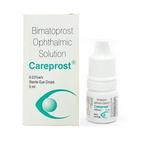
These drops gained immense popularity, demonstrating an incredibly fast and always noticeable result since its application. This innovative means will allow you to give your eyelashes an ideal look, strength and health, in whatever serious condition they are before the moment of its application. It is safe and effective providing amazing results.
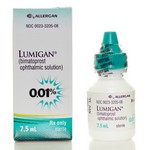
This means is prescribed to reduce eye pressure. Its active ingredient is synthetic prostaglandin bimatoprost – an unsaturated fatty acid, similar in its properties to hormones. Getting into the eye, drops help maintain the balance of the flow and outflow of eye fluid. It is a violation of this balance that leads to an increase in pressure, due to which the blood supply to the eye is impaired and the load on the optic nerve increases.

Bimatoprost reduces IOP in humans by increasing the outflow of aqueous humor through the trabecular meshwork and uveoscleral outflow. IOP reduction begins about 4 hours after the first use. The maximum effect is achieved after about 8–12 hours. The effect lasts for at least 24 hours.
Tapering off steroid eye drops: Why gradual withdrawal is necessary
Steroid eye drops are commonly used to treat a variety of eye conditions such as inflammation, allergic reactions, and certain types of infections. These medications can be very effective in reducing symptoms and promoting healing. However, it is important to understand that abruptly stopping the use of steroid eye drops can lead to potential side effects and complications.
Why should steroid eye drops be tapered off gradually?
When steroid eye drops are used for an extended period, the body may become reliant on them to suppress inflammation and maintain eye health. Abruptly stopping these medications can result in a rebound effect, causing a sudden increase in inflammation and symptoms. Gradual withdrawal allows the body to adapt to the reduced dosage over time and minimizes the risk of complications.
Potential side effects of abruptly discontinuing steroid eye drops
Abruptly discontinuing steroid eye drops can lead to a range of side effects, including:
– Rebound inflammation: The sudden withdrawal of steroid medication can cause a rebound effect, where the inflammation returns and may be more severe than before. This can lead to increased discomfort and potential damage to the eyes.
– Withdrawal symptoms: Some individuals may experience withdrawal symptoms such as redness, itching, and increased dryness of the eyes when they stop using steroid eye drops abruptly. These symptoms can be bothersome and may require additional treatment.
– Complications: In certain cases, abruptly stopping steroid eye drops can lead to more serious complications, such as a rise in intraocular pressure or the development of glaucoma. These conditions require immediate medical attention.
How to properly taper off steroid eye drops
To avoid the potential risks and side effects associated with abruptly discontinuing steroid eye drops, it is important to follow a proper tapering schedule. Here are step-by-step instructions for tapering off steroid eye drops under medical supervision:
1. Consult with your eye care professional: Before making any changes to your medication regimen, it is essential to consult with your eye care professional. They will evaluate your eye condition and determine the appropriate tapering schedule based on your specific needs.
2. Follow the prescribed tapering schedule: Your eye care professional will provide you with a tapering schedule, which typically involves progressively reducing the dosage of steroid eye drops over a specified period. It is crucial to adhere to this schedule to minimize the risks of complications.
3. Monitor for any changes or worsening of symptoms: Throughout the tapering process, it is essential to closely monitor your eye condition and any changes in symptoms. If you notice any worsening of symptoms or new discomfort, contact your eye care professional for further guidance.
4. Follow-up appointments with your eye care professional: Regular follow-up appointments with your eye care professional are crucial during the tapering process. These appointments allow your eye care professional to monitor your progress, adjust the tapering schedule if necessary, and address any concerns or questions you may have.
By following a proper tapering schedule under the guidance of an eye care professional, you can safely transition off steroid eye drops and minimize the risks of complications or rebound effects.
It is important to note that the information provided in this article is for informational purposes only and does not replace the advice of a qualified eye care professional. Always consult with your eye care professional before making any changes to your medication regimen or treatment plan.
Sources:
1. American Academy of Ophthalmology. “Glaucoma.” https://www.aao.org/eye-health/diseases/glaucoma
2. Mayo Clinic. “Glaucoma.” https://www.mayoclinic.org/diseases-conditions/glaucoma/symptoms-causes/syc-20372839
Natural remedies and lifestyle changes: Complementing eye drop use
When it comes to maintaining optimal eye health, eye drops can play a crucial role. However, relying solely on eye drops may not be the most effective approach. To complement the use of eye drops and improve overall eye health, incorporating natural remedies and adopting healthy lifestyle changes can be highly beneficial.
Natural remedies for eye health
1. Good nutrition
Proper nutrition is essential for maintaining healthy eyes. Foods rich in antioxidants, vitamins A, C, and E, as well as omega-3 fatty acids, can contribute to maintaining good eye health. Some examples of eye-healthy foods include leafy green vegetables, citrus fruits, carrots, fish, and nuts. Including these foods in your diet can provide the necessary nutrients to support healthy vision.
2. Regular eye exercises
Just like the rest of our body, our eyes also need exercise. Eye exercises can help improve eye muscle strength, focus, and flexibility. Some simple eye exercises include focusing on distant objects, shifting focus between near and far objects, and massaging the temples. Incorporating these exercises into your daily routine can help keep your eyes in good shape.
3. Proper eye hygiene
Practicing good eye hygiene is an often overlooked aspect of maintaining eye health. Regularly washing your hands before touching your eyes, avoiding rubbing your eyes excessively, and removing eye makeup properly can help prevent eye infections and irritation. Additionally, using clean towels and pillowcases can contribute to reducing the risk of eye-related issues.
Lifestyle changes for eye health
1. Reduce screen time
In today’s digital age, excessive screen time has become a common problem. Prolonged exposure to screens can lead to eye strain, dry eyes, and other eye discomfort. It is important to take regular breaks from screen activities and practice the 20-20-20 rule: every 20 minutes, look away from the screen and focus on an object 20 feet away for 20 seconds. This can help reduce eye strain and promote healthier eyes.
2. Protection from harmful UV rays
UV rays can be damaging to the eyes, contributing to conditions such as cataracts and age-related macular degeneration. It is important to protect your eyes from the sun’s harmful rays by wearing sunglasses that provide 100% UV protection. Additionally, wearing wide-brimmed hats can further shield your eyes from direct sunlight.
Why natural remedies and lifestyle changes matter
Adopting natural remedies and lifestyle changes alongside the use of eye drops can provide holistic support for your eye health. These practices can help reduce the reliance on eye drops and improve overall eye function, preventing future complications.
Research has shown that individuals who follow a healthy lifestyle and consume a nutrient-rich diet have a lower risk of developing eye-related diseases, such as age-related macular degeneration or cataracts. Incorporating natural remedies and lifestyle changes into your daily routine can be a proactive step towards maintaining optimal eye health.
However, it’s important to note that while these natural remedies and lifestyle changes are beneficial for general eye health, they should not replace professional medical treatment. If you have specific eye conditions or concerns, it is always best to consult with an eye care professional.
By prioritizing your eye health and incorporating natural remedies and lifestyle changes into your routine, you can support your eye health and enjoy clear vision for years to come.
Consultation with an Eye Care Professional: The Importance of Professional Advice
When it comes to your eye health, seeking professional advice from an eye care professional is essential. They have the knowledge and expertise to provide personalized recommendations and guidance based on your individual needs and conditions. Here are some key reasons why consulting with an eye care professional is important:
1. Diagnosis and Treatment:
An eye care professional can properly diagnose any eye conditions or issues that you may be experiencing. They have the tools and training to conduct comprehensive eye exams and provide accurate diagnoses. With their guidance, you can receive the appropriate treatment for your specific eye condition and ensure that it is managed effectively.
2. Personalized Recommendations:
Every individual has unique eye care needs. An eye care professional can provide personalized recommendations based on your age, lifestyle, and any existing eye conditions. They can suggest specific eye drops, treatments, or lifestyle changes that will be most beneficial for your eye health.
3. Monitoring and Progression:
Regular eye exams are crucial for monitoring the health of your eyes and detecting any changes or progression of eye conditions. An eye care professional can track the progress of your eye health over time and make adjustments to your treatment plan as needed.
4. Preventive Care:
Eye care professionals are not just there for treatment; they also focus on preventive care. Regular eye exams can help identify potential eye health issues before they become more serious. Through early detection, they can provide preventive measures and recommend lifestyle changes that can help maintain optimal vision and reduce the risk of developing certain eye conditions.
It’s important to note that while the internet may provide a wealth of information on eye care, it should not replace a consultation with an eye care professional. They have the expertise and clinical experience to provide accurate and up-to-date information.
If you have any concerns or questions about your eye health, don’t hesitate to schedule a visit with an eye care professional. They can provide you with the guidance and support you need to prioritize your eye health and maintain optimal vision.
Conclusion
In conclusion, taking care of our eyes is crucial for maintaining optimal vision and overall well-being. When it comes to using eye drops, it is important to prioritize safety and efficacy, especially when it comes to children. Homatropine eye drops may not be suitable for pediatric use due to potential side effects, making it essential to explore safe alternatives specifically formulated for children.
Eye drop addiction is a real concern, and excessive use of homatropine eye drops can lead to dependency. It is important to be aware of the risks and dangers associated with prolonged use and to seek appropriate medical care to address this dependency. Breaking the cycle of addiction requires a combination of strategies, including gradually reducing the use of eye drops and seeking professional help.
Treating eye injuries without homatropine eye drops is possible, thanks to alternative eye drops and treatments available. These alternatives can be used to address various types of eye injuries and should be administered under the guidance of medical professionals. It is also crucial to know when to seek medical attention for more severe eye injuries that may require immediate intervention.
Gradually tapering off steroid eye drops is necessary to avoid potential side effects and risks. Abruptly discontinuing these eye drops can lead to complications, and it is important to follow the proper tapering off process under medical supervision. This ensures a safe and effective transition and helps to prevent any withdrawal symptoms or rebound effects.
Complementing eye drop use with natural remedies and lifestyle changes can support overall eye health and reduce the reliance on eye drops. Practices such as a healthy diet, regular eye exercises, and proper eye hygiene can contribute to optimal eye care. Incorporating these remedies and lifestyle changes into daily routines can promote long-term eye health and reduce the need for excessive use of eye drops.
Consultation with an eye care professional is essential for personalized and expert guidance. Eye care professionals can provide tailored recommendations based on individual needs and conditions. Regular eye exams allow for early detection of any potential issues and help to maintain optimal vision. Whether it is choosing the right eye drops or making significant changes to eye care routines, seeking professional advice is crucial for optimal eye health.
To learn more about eye drops, eye care, and to stay updated on the latest research and information, I recommend visiting reputable sources such as the American Academy of Ophthalmology or the National Eye Institute.
Remember, your eyes are precious, and taking proactive measures for their health is vital for a clear and bright future.