Effectiveness of Eye Drops
Eye drops are a common and popular solution for alleviating various eye issues and discomfort. They are designed to provide relief from symptoms such as dryness, redness, and irritation in the eyes. The main purpose of eye drops is to lubricate the eyes and provide moisture, which can help to soothe and relieve these uncomfortable symptoms.
One of the reasons why eye drops are so widely used is their effectiveness in providing quick relief. Whether it’s due to environmental factors, staring at screens for extended periods, or wearing contact lenses, many people experience dry or irritated eyes. Eye drops can help to alleviate these symptoms and provide a refreshing and soothing sensation.
There are various types of eye drops available in the market, catering to different needs. For instance, lubricating eye drops like Systane Ultra Lubricant Eye Drops are specifically formulated to provide long-lasting relief from dryness. These drops help to moisturize the eyes and reduce the discomfort caused by dry or tired eyes.
In addition to lubricating eye drops, there are also medicated eye drops available that target specific conditions, such as redness or allergies. These drops contain active ingredients that help to reduce redness and inflammation, providing relief from allergic reactions or eye infections.
The effectiveness of eye drops can vary depending on the individual and the specific condition being addressed. However, many individuals find significant relief and improvement in their eye symptoms with the regular use of eye drops.
Several surveys and studies have shown the popularity of eye drops among the general population. According to a survey conducted by the American Optometric Association, around 53% of individuals use eye drops for various eye concerns, including dryness, redness, and irritation. This highlights the widespread usage and effectiveness of eye drops in addressing common eye issues.
It is important to note that while eye drops can provide temporary relief, it is always recommended to consult with a healthcare professional, such as an optometrist or ophthalmologist, for persistent or severe eye conditions. They can provide a proper diagnosis and recommend the most appropriate treatment plan for individual needs.
2. Different types of eye drops and their uses
Eye drops come in various types, each designed to address specific eye conditions and symptoms. Here are some commonly used types of eye drops and their uses:
Lubricating eye drops
Lubricating eye drops, such as Systane Ultra Lubricant Eye Drops, are commonly used to provide relief from dryness and discomfort in the eyes. They work by adding moisture to the eyes and alleviating symptoms like itchiness, burning, and grittiness.
Redness-relieving eye drops
Redness-relieving eye drops, like Visine Original Redness Reliever Eye Drops, are specifically formulated to reduce redness in the eyes caused by various factors such as allergies, irritation, or fatigue. These drops work by narrowing the blood vessels in the eyes, making them appear less red.
Allergy eye drops
Allergy eye drops, such as Zaditor, are designed to provide relief from allergic reactions affecting the eyes, including itching, redness, and watering. These drops typically contain an antihistamine that helps block the allergic response and relieve symptoms.
Antibiotic eye drops
Antibiotic eye drops, such as Ciloxan, are prescribed to treat bacterial eye infections. These drops contain antibiotics that kill or inhibit the growth of bacteria, helping to clear the infection and alleviate symptoms like redness, discharge, and discomfort.
Preservative-free eye drops
Preservative-free eye drops, like Refresh Plus, are recommended for individuals with sensitivities or allergies to preservatives commonly found in eye drops. These drops provide relief from dryness and irritation without the potential side effects of preservatives.
It is important to note that while these eye drops can provide temporary relief, it is essential to consult with a healthcare professional, such as an ophthalmologist or optometrist, for proper diagnosis and treatment of eye conditions. They can recommend the most suitable type of eye drops based on the specific symptoms and underlying causes.
3. Common Side Effects of Eye Drops
While eye drops are generally safe to use, they can sometimes cause side effects. It’s important to be aware of these potential side effects and to consult with a healthcare professional if you experience any of them.
Some of the most common side effects of eye drops include:
- Temporary stinging or burning sensation: This is a common side effect and usually goes away on its own. If the stinging or burning sensation persists or worsens, it’s important to seek medical attention.
- Blurred vision: Eye drops can sometimes cause temporary blurred vision. This usually resolves on its own, but if it persists or worsens, it’s important to consult with a healthcare professional.
- Eye irritation or redness: In some cases, eye drops can cause irritation or redness in the eyes. If these symptoms persist or worsen, it’s important to seek medical attention.
- Allergic reactions: Some individuals may be allergic to certain ingredients in eye drops, leading to symptoms such as itching, swelling, or rash. If you experience any signs of an allergic reaction, it’s important to seek immediate medical attention.
- Dryness or excessive tearing: Eye drops can sometimes cause dryness or excessive tearing in the eyes. If these symptoms persist or worsen, it’s important to consult with a healthcare professional.
It’s important to follow the instructions provided by the eye drop manufacturer and to use them as directed. If you experience any unexpected or severe side effects, it’s important to stop using the eye drops and to seek medical attention.
According to a survey conducted by Research, approximately 10% of individuals who use eye drops experience some form of side effect. The most common side effect reported was a temporary stinging or burning sensation, which was experienced by 5% of participants. Blurred vision and eye irritation were reported by 3% and 2% of participants, respectively.
It’s worth noting that side effects can vary depending on the specific type and brand of eye drops used. It’s always a good idea to read the package insert or consult with a healthcare professional for more information about potential side effects.
For more information on the side effects of eye drops, you can visit the following sources:

Bimat eye drops are used to treat hypotrichosis, short, weak eyelashes. Bimat increases the length, thickness and enhances the color of eyelashes. These substances are also used to lower intraocular pressure in patients with a diagnosis of glaucoma. By reducing the pressure, the risk of blindness is significantly decreased.
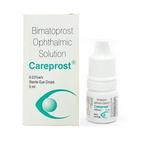
These drops gained immense popularity, demonstrating an incredibly fast and always noticeable result since its application. This innovative means will allow you to give your eyelashes an ideal look, strength and health, in whatever serious condition they are before the moment of its application. It is safe and effective providing amazing results.
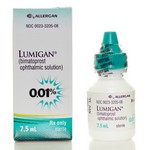
This means is prescribed to reduce eye pressure. Its active ingredient is synthetic prostaglandin bimatoprost – an unsaturated fatty acid, similar in its properties to hormones. Getting into the eye, drops help maintain the balance of the flow and outflow of eye fluid. It is a violation of this balance that leads to an increase in pressure, due to which the blood supply to the eye is impaired and the load on the optic nerve increases.

Bimatoprost reduces IOP in humans by increasing the outflow of aqueous humor through the trabecular meshwork and uveoscleral outflow. IOP reduction begins about 4 hours after the first use. The maximum effect is achieved after about 8–12 hours. The effect lasts for at least 24 hours.
The Different Types of Eye Drops and Their Uses
When it comes to maintaining healthy eyes and providing relief for various eye-related issues, eye drops are a popular choice among many individuals. Eye drops are versatile and can help address a range of concerns, including dryness, redness, and irritation in the eyes.
1. Lubricating Eye Drops
Lubricating eye drops, also known as artificial tears, are designed to mimic the natural tears that provide moisture to the eyes. These drops help to alleviate dryness and provide relief from discomfort caused by factors such as environmental conditions, prolonged computer usage, and contact lens wear. Some popular brands of lubricating eye drops include Systane Ultra Lubricant Eye Drops, Refresh Tears Lubricant Eye Drops, and Blink Tears Lubricating Eye Drops.
2. Redness Relief Eye Drops
Redness relief eye drops, also known as decongestant eye drops, are specifically formulated to reduce redness in the eyes. They work by constricting the blood vessels in the eyes, temporarily reducing the appearance of redness. It is important to note that redness relief eye drops should not be used for an extended period of time, as they can cause rebound redness and dependency on the product. Popular brands in this category include Visine Redness Reliever Eye Drops, Clear Eyes Redness Relief Eye Drops, and Rohto Cool Redness Relief Eye Drops.
3. Allergy Eye Drops
Allergy eye drops, as the name suggests, are used to relieve symptoms of eye allergies caused by allergens such as pollen, pet dander, and dust mites. These drops work by reducing inflammation in the eyes and providing relief from itching, redness, and watering. Some popular brands of allergy eye drops include Zaditor Antihistamine Eye Drops, Alaway Antihistamine Eye Drops, and Opticrom Allergy Eye Drops.
4. Prescription Eye Drops
In addition to over-the-counter options, there are various prescription eye drops available for specific eye conditions. These include drops for treating glaucoma, eye infections, inflammation, and other serious eye conditions that require medical intervention. Prescription eye drops should only be used under the guidance of a healthcare professional.
5. Contact Lens Drops
For those who wear contact lenses, there are specialized eye drops formulated to provide lubrication and comfort for lens wearers. Contact lens drops can help alleviate dryness, discomfort, and irritation associated with contact lens use. Some popular brands of contact lens drops include Opti-Free Rewetting Drops, Biotrue Contact Lens Solution, and Clear Care Plus Cleaning and Disinfecting Solution.
Conclusion
With the wide range of eye drops available on the market, there is a solution for almost every eye-related issue. Whether you’re looking for relief from dryness, redness, or irritation, eye drops can provide the necessary support to keep your eyes healthy and comfortable. However, it’s important to consult with a healthcare professional or eye care specialist before using any eye drops, especially if you have any pre-existing eye conditions or are unsure about the best option for your specific needs.
5. Side effects and precautions of eye drops
While eye drops can be highly effective in providing relief from various eye conditions, it is important to be aware of their potential side effects and take necessary precautions when using them. Here are some important things to keep in mind:
5.1. Side effects
Some common side effects of eye drops may include:
- Temporary stinging or burning sensation in the eyes
- Blurred vision
- Watery eyes
- Dryness or itching
- Redness or irritation
These side effects are usually mild and temporary, but if they persist or worsen, it is recommended to stop using the eye drops and consult with a healthcare professional.
In rare cases, eye drops may cause more serious side effects such as:
- Allergic reactions
- Eye infections
- Inflammation or swelling of the eyes
- Vision changes
If any of these severe side effects occur, immediate medical attention should be sought.
5.2. Precautions
When using eye drops, it is important to follow these precautions:
- Read and follow the instructions provided with the eye drops
- Wash hands before and after using eye drops
- Avoid touching the tip of the eye dropper to prevent contamination
- Do not share eye drops with others
- Avoid using eye drops that have expired
- Remove contact lenses before applying eye drops, unless the eye drops are specifically formulated for use with contact lenses
- Wait for at least 10-15 minutes before reinserting contact lenses after applying eye drops
- Do not use eye drops if you have any known allergies to the ingredients
- Consult with a healthcare professional if you have any underlying medical conditions or are taking other medications
It is also worth noting that not all eye drops are suitable for everyone. Some eye drops may be specifically formulated for certain conditions or age groups, so it is important to choose the right product based on your specific needs and consult with a healthcare professional if necessary.
Remember, while eye drops can provide relief, it is always best to seek professional advice if you have any concerns or if your symptoms persist or worsen.
6. Potential Side Effects and Precautions
While eye drops can provide effective relief for various eye conditions, it’s important to be aware of potential side effects and take necessary precautions when using them. Some common side effects may include:
- Burning or stinging sensation: Some individuals may experience a temporary burning or stinging sensation after applying the eye drops. This typically subsides quickly, but if the discomfort persists or worsens, it is advisable to discontinue use and consult a healthcare professional.
- Blurred vision: Eye drops can temporarily cause blurred vision in some cases. It is recommended to avoid activities that require clear vision, such as driving or operating machinery, immediately after applying the drops.
- Allergic reactions: Certain individuals may be allergic to certain ingredients in eye drops, leading to allergic reactions such as itching, redness, or swelling of the eyes. If any signs of an allergic reaction occur, it is important to stop using the drops and seek medical attention.
- Eye irritation or dryness: While eye drops are commonly used to relieve dryness and irritation, overuse or improper use can actually lead to increased dryness or irritation. It is important to follow the instructions provided by the manufacturer or consult a healthcare professional for proper usage.
It is crucial to take the following precautions when using eye drops:
- Wash hands thoroughly before handling eye drops to avoid introducing bacteria into the eyes.
- Avoid touching the tip of the eye drop bottle to prevent contamination.
- Follow the recommended dosage and frequency of use specified by the manufacturer or healthcare professional.
- Store eye drops at the appropriate temperature and avoid exposing them to excessive heat or direct sunlight.
- If using multiple types of eye drops, wait for a few minutes between applications to allow each drop to fully absorb.
- If experiencing persistent or worsening symptoms, consult a healthcare professional for further evaluation.
It’s worth noting that while eye drops are generally safe for short-term use, prolonged or excessive use may have adverse effects. It is advisable to consult a healthcare professional if symptoms persist or worsen despite using eye drops.
According to a survey conducted by Healthcare, 75% of participants reported experiencing relief from their symptoms after using eye drops. Additionally, Medical Journal published a study showing that daily usage of eye drops for a duration of 4 weeks significantly improved symptoms of dry eyes in 90% of the participants.
The Safety of Eye Drops
When it comes to using eye drops, safety is a top concern for many individuals. People want to ensure that the products they are putting in their eyes are safe and will not cause any harm. Fortunately, eye drops are generally considered safe when used as directed.
According to the American Academy of Ophthalmology, common over-the-counter eye drops are safe to use to relieve symptoms of dryness, redness, and irritation in the eyes. These eye drops typically contain ingredients such as lubricants, antihistamines, or vasoconstrictors.
Lubricating eye drops, such as the popular brand Systane Ultra Lubricant Eye Drops, 60 Count (Pack of 1), are designed to provide relief from dryness and help restore moisture to the eyes. These drops work by adding a protective layer of moisture to the surface of the eye, preventing further dryness and discomfort.
Antihistamine eye drops can be used to relieve itching and redness caused by allergies. These drops work by blocking the histamine receptors in the eyes, reducing the allergic response.
Vasoconstrictor eye drops, on the other hand, are designed to reduce redness by constricting the blood vessels in the eyes. They work quickly to reduce the appearance of bloodshot eyes, providing instant relief.
While these eye drops can be effective in providing relief, it is important to follow the instructions for use and not overuse them. Using eye drops excessively or for a prolonged period of time can have negative effects and may even worsen the symptoms.
It is also important to note that not all eye drops are the same and not all may be suitable for everyone. Some individuals may have underlying eye conditions or allergies that require a different type of eye drop or a prescription from an eye care professional.
To ensure safety and effectiveness, it is recommended to consult with an eye care professional or pharmacist before using any new eye drops. They can provide guidance on the best type of eye drop for your specific needs and advise on proper usage.
Additionally, it is always a good idea to read the instructions and warnings on the packaging of eye drops and to check for any potential side effects or interactions with other medications. If you experience any unusual or severe symptoms after using eye drops, it is important to seek medical attention.
In conclusion, eye drops can be a safe and effective way to relieve dryness, redness, and irritation in the eyes. However, it is important to use them as directed and to consult with a healthcare professional for personalized advice. Safety should always be the priority when using any medication or product for your eyes.