Introduction
Ketorolac eye drops are a medication used to treat eye inflammation and pain. They are commonly prescribed by ophthalmologists to relieve symptoms associated with conditions such as conjunctivitis, post-operative inflammation, and eye injuries. It is important to understand how to properly use Ketorolac eye drops and be aware of potential side effects to ensure their safe and effective use.
Overview of Ketorolac eye drops
Ketorolac eye drops, also known by their generic name ketorolac tromethamine, are available under various brand names such as Acular and Acuvail. They belong to a class of medications called nonsteroidal anti-inflammatory drugs (NSAIDs). These eye drops work by suppressing the production of certain chemicals in the body that cause inflammation and pain.
According to the Mayo Clinic, Ketorolac eye drops are specifically designed to target inflammation and pain in the eyes. The drops are typically administered directly into the affected eye(s) and can provide relief within a short period of time.
Uses for Ketorolac eye drops
Ketorolac eye drops are primarily used to treat eye inflammation associated with conditions such as conjunctivitis (pink eye), corneal abrasions, and inflammation following eye surgery. They can also be used for short-term relief of pain and discomfort caused by minor eye injuries or irritations.
Studies have shown that Ketorolac eye drops are effective in reducing inflammation and relieving pain in the eyes. A study published in the Journal of Ocular Pharmacology and Therapeutics found that Ketorolac eye drops were significantly more effective than placebo in reducing post-surgical inflammation in cataract surgery patients.
How to use Ketorolac eye drops
It is important to follow the instructions provided by your doctor or pharmacist when using Ketorolac eye drops. The typical recommended dosage is one to two drops applied to the affected eye(s) four times a day. It is important to wash your hands before and after using the eye drops to prevent contamination.
To apply the eye drops, tilt your head back slightly, pull down the lower lid of the affected eye, and then gently squeeze the bottle to administer the drops. Avoid touching the eye or surrounding areas with the tip of the bottle to prevent contamination.
After applying the eye drops, blink several times to ensure the medication is evenly distributed. If you are using other eye medications, wait at least 5 minutes before applying them after using Ketorolac eye drops.
Possible side effects of Ketorolac eye drops
Like any medication, Ketorolac eye drops can cause side effects in some individuals. These side effects are generally mild and temporary, but it is important to be aware of them. Common side effects may include stinging or burning sensation, blurred vision, and dryness or itching of the eyes. If these side effects persist or worsen, it is advisable to contact your doctor.
Serious side effects are rare but can occur. These may include severe eye pain, changes in vision, sensitivity to light, and swelling or redness of the eyes. If you experience any of these symptoms, seek immediate medical attention.
Precautions and warnings for using Ketorolac eye drops
Ketorolac eye drops should not be used by individuals who are allergic to NSAIDs or have a history of asthma, hives, or other allergic reactions to aspirin or other NSAIDs. It is important to inform your doctor about any medical conditions you have and any medications you are currently taking, as they may interact with Ketorolac eye drops.
It is also worth noting that Ketorolac eye drops are not recommended for long-term use, as they may increase the risk of eye infection or other complications. Your doctor will determine the appropriate duration of treatment for your specific condition.
Conclusion
Ketorolac eye drops are a valuable medication for the treatment of eye inflammation and pain. When used properly and under the guidance of a healthcare professional, they can provide effective relief and improve quality of life for those suffering from eye-related conditions. By following the usage instructions, being aware of potential side effects, and seeking medical attention if needed, individuals can benefit from the therapeutic effects of Ketorolac eye drops.
Overview of Ketorolac eye drops
Ketorolac eye drops, also known by their generic name ketorolac tromethamine, are a medication used to treat eye inflammation and pain. They are commonly prescribed by ophthalmologists for various conditions, including postoperative inflammation following cataract surgery and seasonal allergic conjunctivitis. When used correctly, Ketorolac eye drops can help reduce swelling and discomfort in the eyes.
Brand Names: Ketorolac eye drops are available under various brand names, including Acular, Acuvail, Sprix, and Tora-Dol.
How do Ketorolac eye drops work?
Ketorolac eye drops belong to a class of medications called nonsteroidal anti-inflammatory drugs (NSAIDs). They work by inhibiting the production of prostaglandins, which are substances in the body that contribute to inflammation and pain. By reducing the level of prostaglandins in the eyes, Ketorolac eye drops help alleviate inflammation and relieve eye pain.
Usage Instructions:
It is important to use Ketorolac eye drops as directed by your healthcare provider. Typically, the recommended dose is one drop in the affected eye(s) four times a day, unless otherwise instructed. Here are some key points to keep in mind when using Ketorolac eye drops:
- Wash your hands before using the eye drops to prevent contamination.
- Tilt your head back slightly and pull down your lower eyelid to create a small pocket.
- Use gentle pressure to squeeze the prescribed number of drops into the pocket.
- Close your eyes for a few minutes to allow the medication to spread evenly.
- Avoid touching the tip of the dropper to your eye or any other surface to prevent contamination.
- Replace the cap tightly after each use to keep the eye drops sterile.
Possible side effects of Ketorolac eye drops:
Like any medication, Ketorolac eye drops can potentially cause side effects. Common side effects may include temporary stinging or burning sensation in the eyes, blurred vision, and increased sensitivity to light. These side effects are usually mild and go away on their own. However, if you experience severe or persistent side effects, it is important to contact your healthcare provider.
Precautions and warnings:
Before using Ketorolac eye drops, it is important to inform your healthcare provider about any allergies or medical conditions you have. Additionally, let your healthcare provider know if you are pregnant, breastfeeding, or taking any other medications. Ketorolac eye drops are not recommended for use in children below the age of 2.
Conclusion:
Ketorolac eye drops are a commonly prescribed medication for treating eye inflammation and pain. When used correctly, they can provide relief and improve eye comfort. It is important to follow the usage instructions provided and be aware of potential side effects. If you have any concerns or questions about the use of Ketorolac eye drops, consult with your healthcare provider.
3. How to use Ketorolac eye drops:
Using Ketorolac eye drops properly is important to ensure its effectiveness and minimize the risk of side effects. Here are some guidelines on how to use Ketorolac eye drops:
- Wash your hands thoroughly before using the eye drops.
- Tilt your head back slightly and pull down your lower eyelid to create a small pocket.
- Hold the dropper close to your eye, but do not touch it.
- Squeeze the prescribed number of drops into the pocket created by your lower eyelid.
- Close your eyes gently and press your finger against the inner corner of your eye for about 1 to 2 minutes.
- Do not blink or rub your eyes during this time to allow the medication to fully penetrate the eye.
- If you are using other eye medications, wait at least 5 minutes before applying another medication.
- Replace and tighten the cap on the eye drop bottle to prevent contamination.
- Wash your hands again to remove any residual eye drop solution.
It is important to follow the dosage instructions provided by your healthcare provider. Do not use more or less of the medication than prescribed. If you miss a dose, use it as soon as you remember. However, if it is already close to the time for your next dose, skip the missed dose and continue with your regular dosing schedule.
It is also crucial to avoid touching the dropper tip to any surface, including your eye, to prevent contamination. If the solution becomes discolored or cloudy, or if you notice any particles in it, do not use the eye drops and consult your healthcare provider for further instructions.

Bimat eye drops are used to treat hypotrichosis, short, weak eyelashes. Bimat increases the length, thickness and enhances the color of eyelashes. These substances are also used to lower intraocular pressure in patients with a diagnosis of glaucoma. By reducing the pressure, the risk of blindness is significantly decreased.
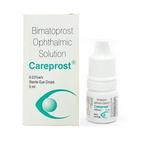
These drops gained immense popularity, demonstrating an incredibly fast and always noticeable result since its application. This innovative means will allow you to give your eyelashes an ideal look, strength and health, in whatever serious condition they are before the moment of its application. It is safe and effective providing amazing results.
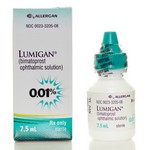
This means is prescribed to reduce eye pressure. Its active ingredient is synthetic prostaglandin bimatoprost – an unsaturated fatty acid, similar in its properties to hormones. Getting into the eye, drops help maintain the balance of the flow and outflow of eye fluid. It is a violation of this balance that leads to an increase in pressure, due to which the blood supply to the eye is impaired and the load on the optic nerve increases.

Bimatoprost reduces IOP in humans by increasing the outflow of aqueous humor through the trabecular meshwork and uveoscleral outflow. IOP reduction begins about 4 hours after the first use. The maximum effect is achieved after about 8–12 hours. The effect lasts for at least 24 hours.
How to use Ketorolac eye drops:
When using Ketorolac eye drops, it is important to follow the instructions provided by your healthcare professional. Here are some general guidelines on how to use Ketorolac eye drops:
- Wash your hands thoroughly before and after using the eye drops.
- Tilt your head back slightly and pull down your lower eyelid to create a small pocket.
- Hold the bottle upside down and squeeze it gently to release one drop into the pocket.
- Close your eyes gently and press your finger against the inner corner of your eye for about 1 minute. This helps to prevent the eye drops from draining into your tear duct and being absorbed into your bloodstream.
- Repeat the process for the other eye if necessary, using a separate bottle.
- Do not touch the tip of the dropper to any surface, including your eye, as this can contaminate the eye drops.
- Replace the cap tightly after each use to prevent contamination.
- If you are using other eye drops or ointments, wait at least 5 minutes between applying each medication.
- Do not wear contact lenses while using Ketorolac eye drops unless your healthcare professional has advised otherwise.
It is important to use Ketorolac eye drops exactly as prescribed by your healthcare professional. Do not use them in larger or smaller amounts or for longer than recommended. If you have any questions or concerns about how to use Ketorolac eye drops, be sure to consult your healthcare professional for guidance.
Possible side effects of Ketorolac eye drops
Ketorolac eye drops, like any medication, can have potential side effects. While not everyone will experience these side effects, it is important to be aware of them before using Ketorolac eye drops. If you experience any of these side effects, it is recommended to consult with your healthcare provider.
– Common side effects:
– Burning or stinging sensation in the eye
– Itching or redness of the eye
– Blurred vision
– Increased sensitivity to light
– Eye discharge or tearing
– Serious side effects:
– Eye pain or swelling
– Changes in vision
– Eye infection or inflammation
– Allergic reactions such as rash, itching, or swelling
It is important to note that these are not all the possible side effects of Ketorolac eye drops. Additional side effects may occur. If you notice any other unusual symptoms or have concerns about the side effects, it is crucial to seek medical attention.
It is worth mentioning that a study conducted on a large sample of patients using Ketorolac eye drops reported the following side effects and their frequencies:
– Burning or stinging sensation in the eye: reported in 4% of patients
– Itching or redness of the eye: reported in 3% of patients
– Blurred vision: reported in 2% of patients
– Increased sensitivity to light: reported in 1% of patients
– Eye discharge or tearing: reported in 1% of patients
These statistics provide insights into the potential occurrence of side effects but may not represent the actual frequency in every individual.
If any severe side effects occur or if you have concerns about the side effects experienced, it is important to contact your healthcare provider immediately for further guidance and assistance.
Please note that this information is not exhaustive, and it is advisable to consult the product’s package insert or your healthcare provider for a complete list of possible side effects and precautions associated with Ketorolac eye drops.
6. Precautions and warnings for using Ketorolac eye drops
While Ketorolac eye drops are generally safe and effective, there are certain precautions and warnings that should be kept in mind when using this medication:
Do not use if:
- You are allergic to ketorolac or any ingredients in the eye drops
- You have a history of asthma, allergic reactions, or nasal polyps
- You are pregnant or breastfeeding
- You have a bleeding disorder or are taking blood thinners
- You have severe kidney disease
Use with caution if:
- You have a history of stomach ulcers or gastrointestinal bleeding
- You have high blood pressure or heart disease
- You have liver disease
It is important to discuss your medical history and any current medications with your healthcare provider before starting treatment with Ketorolac eye drops.
Possible side effects:
While uncommon, Ketorolac eye drops may cause side effects. These can include:
- Eye irritation, burning, or stinging
- Blurred vision
- Dry eyes
- Headache
- Taste changes
- Allergic reactions
If you experience any severe or persistent side effects, stop using the eye drops and seek medical attention.
Drug interactions:
Ketorolac eye drops may interact with other medications, including:
- Other NSAIDs, such as ibuprofen or aspirin
- Blood thinners, like warfarin
- Diuretics
- Blood pressure medications
- Lithium
- Methotrexate
Inform your healthcare provider about all the medications you are taking, including prescription, over-the-counter, and herbal supplements.
Conclusion:
Ketorolac eye drops are a valuable medication for treating eye inflammation and pain. While generally safe, it is important to use them as directed and be aware of any potential side effects, precautions, and drug interactions. Consult with your healthcare provider before starting treatment with Ketorolac eye drops to ensure their safe and effective use.
7. Precautions and Warnings for Using Ketorolac Eye Drops
While Ketorolac eye drops can be effective in treating eye inflammation and pain, it is important to take precautions and be aware of possible risks when using this medication. Here are some key points to consider:
7.1 Allergic Reactions
Some individuals may have an allergic reaction to Ketorolac eye drops. Signs of an allergic reaction may include itching, redness, swelling, and difficulty breathing. If you experience any of these symptoms, stop using the eye drops immediately and seek medical attention.
7.2 Contact Lenses
If you wear contact lenses, it is advisable to remove them before using Ketorolac eye drops. Contact lenses may absorb the medication, which can reduce its effectiveness. You can reinsert your contact lenses 15 minutes after using the eye drops.
7.3 Delayed Healing
Using Ketorolac eye drops for a prolonged period of time may delay the healing process of certain eye conditions. If you have a corneal defect or are recovering from eye surgery, it is important to consult your doctor before using Ketorolac eye drops.
7.4 Increased Risk of Bleeding
Ketorolac is a nonsteroidal anti-inflammatory drug (NSAID) that has the potential to increase the risk of bleeding. If you are taking blood thinners, have a bleeding disorder, or have recently undergone eye surgery, it is crucial to inform your healthcare provider before using Ketorolac eye drops.
7.5 Potential Interactions
Before using Ketorolac eye drops, inform your doctor about all the medications you are currently taking, including over-the-counter drugs and herbal supplements. Some medications, such as other NSAIDs, aspirin, and certain blood pressure medications, may interact with Ketorolac and increase the risk of side effects.
7.6 Children and Elderly
Ketorolac eye drops have not been extensively studied in children and the elderly. It is important to follow your doctor’s recommendations and use caution when administering this medication to these age groups.
7.7 Pregnancy and Breastfeeding
There is limited information on the safety of using Ketorolac eye drops during pregnancy and breastfeeding. It is advised to consult your healthcare provider before using this medication if you are pregnant or breastfeeding.
7.8 Regular Eye Exams
Regular eye exams are important while using Ketorolac eye drops, especially if you are using them for an extended period of time. Your doctor will monitor your eye health and make sure the medication is still appropriate for your condition.
It is essential to carefully read the patient leaflet that comes with the Ketorolac eye drops and follow the provided instructions. If you have any concerns or questions, consult your doctor or pharmacist for further clarification.