Introduction to Prednisolone Eye Drops
Prednisolone eye drops are a medication that is commonly used to treat various eye conditions. These eye drops contain the active ingredient prednisolone, which is a type of corticosteroid. The main purpose of prednisolone eye drops is to reduce inflammation and alleviate symptoms such as redness, itching, and swelling in the eyes.
Common Uses of Prednisolone Eye Drops
Prednisolone eye drops are prescribed for a wide range of eye conditions, including:
- Allergic conjunctivitis
- Keratitis
- Iritis
- Uveitis
- Conjunctivitis caused by certain bacteria or viruses
These eye drops are often used as a short-term treatment to provide relief and help manage these eye conditions.
Shelf life of prednisolone eye drops
Prednisolone eye drops typically have a shelf life of about two years from the date of manufacture. The expiration date is determined based on the stability and potency of the medication over time.
The U.S. Food and Drug Administration (FDA) requires pharmaceutical manufacturers to conduct stability testing on their products to establish an expiration date. This testing involves monitoring the drug’s chemical composition and potency over an extended period, usually at varying temperatures and humidity levels.
Expired medications, including eye drops, may not be as effective as they were when first manufactured. The potency of the active ingredients in the eye drops can decrease over time, resulting in reduced efficacy. This means that using expired prednisolone eye drops may not provide the intended therapeutic effect.
Furthermore, using expired eye drops can pose potential risks to the user. The expiration date serves as an assurance of the product’s safety and effectiveness. It indicates that the medication has been tested and evaluated up until that specific date. Using expired eye drops may lead to potential adverse effects, such as worsening of symptoms, eye irritation, or other complications.
It is important to note that the expiration date refers to unopened and properly stored eye drops. Once the container is opened, the shelf life may decrease due to potential contamination from bacteria or other microorganisms. This is why it is essential to follow the recommended storage instructions and discard any eye drops that have been opened for an extended period.
Using eye drops beyond their expiration date can also increase the risk of contamination or bacterial growth. The preservatives in the eye drops may lose their effectiveness over time, allowing bacteria or fungi to thrive in the solution. This can lead to eye infections or other complications.
It is always recommended to check the expiration date of prednisolone eye drops before using them. If the eye drops have expired, it is best to discard them and obtain a new, unexpired prescription. Your eye care professional can provide guidance on the appropriate and safe use of eye drops.
Potential risks of using expired prednisolone eye drops
Using expired prednisolone eye drops can pose several potential risks to your eye health. It’s important to understand these risks and avoid using expired medication for the following reasons:
1. Decreased effectiveness: When eye drops expire, the active ingredients in the medication may degrade over time, leading to a decrease in effectiveness. This means that expired eye drops may not provide the same level of relief or treatment as when they were fresh. It’s important to use medications that are within their expiration date to ensure maximum efficacy.
2. Increased risk of contamination: Eye drops are sterile solutions, and their sterile nature is maintained when they are within their expiration date. However, once eye drops expire, there is a higher risk of contamination or bacterial growth. Using expired eye drops can introduce harmful bacteria into your eyes, potentially leading to eye infections or other complications.
3. Potential for adverse effects: Expired prednisolone eye drops may also have unpredictable effects on your eyes or other parts of your body. The chemical composition of expired medication can change, leading to unexpected reactions or side effects. These adverse effects can range from mild discomfort to more serious complications. It’s always best to use eye drops that are still within their expiration date to minimize potential risks.
To ensure the safety and effectiveness of your eye care, it is crucial to check the expiration date on your prednisolone eye drops and avoid using them if they are expired. If you are unsure whether your eye drops are still safe to use, consult with your healthcare provider or pharmacist for guidance. They can provide you with the necessary information and recommend alternative options if needed.
Remember, your eye health is important, and using expired medications can potentially compromise it. Always prioritize your safety and consult with healthcare professionals for any concerns or questions regarding your eye care.

Bimat eye drops are used to treat hypotrichosis, short, weak eyelashes. Bimat increases the length, thickness and enhances the color of eyelashes. These substances are also used to lower intraocular pressure in patients with a diagnosis of glaucoma. By reducing the pressure, the risk of blindness is significantly decreased.
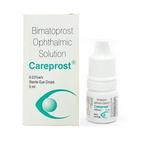
These drops gained immense popularity, demonstrating an incredibly fast and always noticeable result since its application. This innovative means will allow you to give your eyelashes an ideal look, strength and health, in whatever serious condition they are before the moment of its application. It is safe and effective providing amazing results.
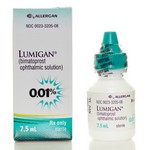
This means is prescribed to reduce eye pressure. Its active ingredient is synthetic prostaglandin bimatoprost – an unsaturated fatty acid, similar in its properties to hormones. Getting into the eye, drops help maintain the balance of the flow and outflow of eye fluid. It is a violation of this balance that leads to an increase in pressure, due to which the blood supply to the eye is impaired and the load on the optic nerve increases.

Bimatoprost reduces IOP in humans by increasing the outflow of aqueous humor through the trabecular meshwork and uveoscleral outflow. IOP reduction begins about 4 hours after the first use. The maximum effect is achieved after about 8–12 hours. The effect lasts for at least 24 hours.
FDA Regulations on Expired Eye Drops
The U.S. Food and Drug Administration (FDA) has established regulations and guidelines regarding expired eye drops to ensure the safety and effectiveness of these medications. These regulations are in place to protect consumers from potential risks and adverse effects of using expired products. It is important to understand and follow these guidelines when using prednisolone eye drops or any other medication.
In accordance with FDA regulations, all medications, including eye drops, must have an expiration date printed on the packaging. This date is determined through extensive testing by the drug manufacturer to determine the time period during which the medication remains stable and effective.
When the expiration date on a medication has passed, it means that the manufacturer can no longer guarantee the safety and effectiveness of the product. Using expired eye drops, including prednisolone eye drops, may result in diminished effectiveness and potential risks.
Prednisolone eye drops, like other medications, can degrade over time, leading to changes in chemical composition and reduced potency. This degradation may result in a decreased ability to reduce inflammation, alleviate redness, and treat eye conditions effectively.
Additionally, using expired eye drops increases the risk of contamination or bacterial growth. Eye drops are typically stored in a sterile environment within the bottle, and the expiration date takes into account the shelf life of the preservatives used to maintain sterility. Over time, these preservatives can break down, increasing the risk of bacterial contamination and potentially causing eye infections or other adverse reactions.
It is important to note that the FDA does not recommend using any medication, including expired eye drops, beyond their expiration date. The agency advises patients to safely dispose of expired medications and obtain a new supply from a reputable source.
To ensure the safety and effectiveness of eye drops, it is vital to follow proper storage guidelines as well. Eye drops should be stored in a cool, dry place, away from direct sunlight, heat, and moisture. Additionally, it is crucial to avoid touching the dropper tip or allowing it to come into contact with any surfaces to prevent contamination.
Following the FDA regulations and guidelines regarding expired eye drops is crucial for maintaining ocular health and ensuring optimal therapeutic outcomes. By using eye drops as directed and within their expiration date, individuals can maximize the benefits of prednisolone eye drops and avoid potential risks associated with expired medications.
5. Tips for storing and using prednisolone eye drops
Proper storage and usage of prednisolone eye drops can help ensure their effectiveness and safety. Here are some tips to keep in mind:
- Store in a cool, dry place: Prednisolone eye drops should be stored at room temperature, away from direct sunlight, excessive heat, and moisture. Avoid storing them in the bathroom, as the humidity can affect their stability.
- Keep the bottle tightly closed: Make sure to tightly close the bottle after each use to prevent air and moisture from entering. This can help maintain the integrity of the eye drops and prevent contamination.
- Check the expiration date: Always check the expiration date before using prednisolone eye drops. Expired eye drops may not be as effective and can pose a risk of contamination. If the eye drops have expired, dispose of them properly and do not use them.
- Wash hands before use: Before applying the eye drops, thoroughly wash your hands with soap and water to avoid introducing any dirt or bacteria into the eyes.
- Follow dosage instructions: Prednisolone eye drops should be used as directed by your healthcare provider. Follow the recommended dosage and frequency of use to ensure optimal results.
- Avoid touching the tip of the bottle: To prevent contamination, avoid touching the tip of the dropper bottle with your fingers or any other objects. If the tip becomes contaminated, it can introduce bacteria into the eye drops.
- Wait before using other eye medications: If you are using other eye medications in addition to prednisolone eye drops, wait at least 5 minutes between each medication. This allows enough time for the previous medication to be absorbed before applying the next one.
Remember to consult your healthcare provider or pharmacist if you have any specific questions or concerns about the storage or usage of prednisolone eye drops. They can provide you with personalized advice and guidance based on your individual needs.
6. Safe storage and disposal of prednisolone eye drops
Proper storage and disposal of prednisolone eye drops is essential to maintain their effectiveness and ensure safety. Here are some guidelines to follow:
Storage:
- Store prednisolone eye drops in a cool, dry place away from direct sunlight.
- Avoid storing the eye drops in extremely hot or cold environments, as this can affect their potency.
- Keep the eye drops out of reach of children and pets to prevent accidental ingestion.
- Always store the eye dropper bottle tightly closed to prevent contamination.
Disposal:
When it comes time to dispose of prednisolone eye drops, it’s important to do so safely to prevent any potential harm. Here’s how:
- Check the expiration date of the eye drops and if they are expired, do not use them.
- Do not flush the eye drops down the toilet or pour them down the drain. These chemicals can potentially harm the environment.
- If you have any remaining eye drops after completing your treatment, contact your local pharmacy or healthcare facility for guidance on safe disposal methods.
When in doubt, it is always best to consult with your healthcare provider or pharmacist for specific instructions on safe storage and disposal of prednisolone eye drops.
The Importance of Proper Storage for Prednisolone Eye Drops
Prednisolone eye drops are a commonly used medication for treating various eye conditions, such as inflammation, redness, and allergies. They contain the active ingredient prednisolone, which is a steroid that helps reduce inflammation in the eyes. However, it is essential to store prednisolone eye drops properly to ensure their effectiveness and safety.
Proper Storage Conditions
Prednisolone eye drops should ideally be stored at room temperature, between 68-77 degrees Fahrenheit (20-25 degrees Celsius). It is important to keep them away from excessive heat and direct sunlight, as these can degrade the medication and reduce its effectiveness.
You should also make sure to tightly close the cap or lid of the eye drop bottle after use. This prevents air and moisture from entering the bottle, which can lead to contamination or degradation of the medication.
The Effects of Improper Storage
If prednisolone eye drops are not stored properly, their effectiveness may be compromised. The active ingredient can degrade, potentially reducing its therapeutic effects. Expired or degraded eye drops may not effectively reduce inflammation or alleviate symptoms such as redness and itching.
In addition, improper storage can increase the risk of contamination, which can lead to eye infections or other complications. Bacteria or other microorganisms may enter the bottle if it is not properly closed or stored in unhygienic conditions. Using contaminated eye drops can cause further eye irritation or infection.
Checking Expiration Dates
It is important to check the expiration date on the packaging of prednisolone eye drops before use. The expiration date indicates the date up to which the manufacturer guarantees the medication’s effectiveness and safety.
Expired eye drops should not be used as their potency may have decreased, and they may no longer provide the desired therapeutic effects. Using expired eye drops can also increase the risk of adverse reactions or complications.
Proper Disposal of Expired or Unused Eye Drops
When prednisolone eye drops reach their expiration date or are no longer needed, it is important to dispose of them properly. Do not flush them down the toilet or pour them down the drain, as they can enter the water supply or harm the environment.
The best way to dispose of expired or unused eye drops is to follow the guidelines provided by your local pharmacy or healthcare facility. They may have specific instructions on how to safely dispose of medications, including eye drops.
By following the proper storage guidelines and checking expiration dates, you can ensure the effectiveness and safety of your prednisolone eye drops. Proper storage and disposal help maintain the potency of the medication and reduce the risk of contamination or adverse effects.