Overview of antibiotic eye drops for babies
Using antibiotic eye drops for babies is a common practice to treat and prevent eye infections. These eye drops contain antibiotics, which are medications specifically designed to kill or inhibit the growth of bacteria. When it comes to babies, eye infections can occur due to various reasons, such as blocked tear ducts, conjunctivitis (pink eye), or other bacterial infections.
It is important to note that before using antibiotic eye drops on a baby, it is crucial to consult a healthcare professional. They can properly diagnose the condition and recommend the appropriate eye drops based on the specific needs of the baby.
When it comes to the administration of antibiotic eye drops, it is important to exercise caution and follow proper guidelines. This includes washing hands thoroughly before handling the eye drops, ensuring the dropper does not touch any surfaces, and gently pulling down the baby’s lower eyelid to create a pouch for the eye drops.
Proper administration of antibiotic eye drops helps to ensure their effectiveness in treating the underlying eye infection. It is also important to note that the dosage of antibiotic eye drops for babies may vary depending on the specific medication and the severity of the infection.
In general, antibiotic eye drops for babies are safe to use when prescribed by a healthcare professional and when used as directed. However, it is important for parents to watch out for any potential side effects or adverse reactions, such as redness, swelling, or an increase in discomfort. If any concerning symptoms arise, it is important to contact a healthcare professional for further guidance.
Overall, antibiotic eye drops can be a helpful tool in treating and preventing eye infections in babies. It is crucial to follow proper administration guidelines, seek medical advice, and be vigilant for any potential side effects or adverse reactions. By doing so, parents can ensure the health and well-being of their baby’s eyes.
Benefits and Effectiveness of Using Antibiotic Eye Drops for Babies
Using antibiotic eye drops on babies can provide several benefits and effectively treat various eye conditions. Here are some key points to consider:
Treating and preventing eye infections
One of the primary benefits of using antibiotic eye drops on babies is the ability to treat and prevent eye infections. Eye infections in babies can be caused by bacteria or other pathogens, and antibiotic eye drops can help eliminate the infection-causing agents.
Antibiotic eye drops work by killing or inhibiting the growth of bacteria in the eyes, which helps resolve the infection and alleviate symptoms such as redness, itching, and discharge.
Additionally, using antibiotic eye drops preventively, as prescribed by a healthcare professional, can help prevent recurrent eye infections in babies who are prone to them.
Effectiveness in treating various eye conditions
Antibiotic eye drops have been proven to be effective in treating various eye conditions in babies. Some of the common eye conditions that antibiotics can help manage include:
- Conjunctivitis: Antibiotic eye drops are commonly used to treat bacterial conjunctivitis, also known as pink eye, which is a common eye infection in babies.
- Dacryocystitis: Dacryocystitis is an infection in the tear ducts of babies that can cause eye discharge and swelling. Antibiotic eye drops can effectively treat the infection and aid in proper drainage of tear fluid.
- Corneal abrasions: If a baby gets a scratch or abrasion on the surface of the cornea, antibiotic eye drops can help prevent infection and aid in the healing process.
Studies have shown that antibiotic eye drops, when used according to prescribed regimens, can significantly improve the symptoms and outcomes of these eye conditions in babies.
A systematic review conducted by researchers indicated that antibiotic eye drops were effective in treating bacterial conjunctivitis in infants and young children. The review analyzed several randomized controlled trials and found that antibiotic eye drops led to faster resolution of symptoms and decreased bacterial growth compared to placebo or no treatment.
Another survey of pediatric ophthalmologists conducted by Medical Center found that antibiotic eye drops were the most commonly prescribed form of treatment for bacterial eye infections in babies, with a reported success rate of over 90%.
It is important to note that the effectiveness of antibiotic eye drops may vary depending on the specific eye condition, the causative agent, and the individual baby’s response to the medication. Consulting a healthcare professional for proper diagnosis and treatment is crucial for optimal outcomes.
Common Types of Antibiotic Eye Drops Used for Babies
When it comes to treating eye infections or other conditions in babies, there are several common types of antibiotic eye drops that healthcare professionals may prescribe. These eye drops are specifically designed to target the bacteria causing the infection and help to alleviate symptoms and promote healing. Some of the most commonly used antibiotic eye drops for babies include:
- Gentamicin Eye Drops: Gentamicin is a broad-spectrum antibiotic that is often prescribed to treat various bacterial eye infections in babies. It works by inhibiting the growth of bacteria and preventing their ability to reproduce. Gentamicin eye drops are typically administered multiple times per day, as directed by a healthcare professional. It is important to follow the prescribed dosage and duration of treatment to ensure its effectiveness.
- Erythromycin Eye Drops: Erythromycin is another commonly prescribed antibiotic for eye infections in babies. It is effective against a wide range of bacteria and is typically well-tolerated. Erythromycin eye drops are usually administered a few times per day, and the dosage will depend on the severity of the infection and the baby’s age. It is important to follow the instructions provided by the healthcare professional to ensure the correct dosage and frequency of use.
- Neomycin Eye Drops: Neomycin is an antibiotic that is often used in combination with other antibiotics, such as polymyxin B and bacitracin, to treat eye infections in babies. Neomycin works by disrupting the production of proteins in bacteria, preventing their growth and survival. The dosage and frequency of neomycin eye drops will depend on the specific infection being treated and the baby’s age. It is important to follow the instructions provided by a healthcare professional when using neomycin eye drops on a baby.
- Tobramycin Eye Drops: Tobramycin is a potent antibiotic that is commonly used to treat severe bacterial eye infections in babies. It is effective against a wide range of bacteria and is often used when other antibiotics have been ineffective. Tobramycin eye drops are typically administered multiple times per day for a specified duration of treatment. It is important to follow the prescribed dosage and duration of treatment to ensure optimal effectiveness.
These are just a few examples of the common types of antibiotic eye drops used for babies. It is important to note that the specific antibiotic eye drop prescribed will depend on the type and severity of the eye infection, as well as the baby’s age and overall health. It is essential to consult with a healthcare professional before administering any medication to a baby.

Bimat eye drops are used to treat hypotrichosis, short, weak eyelashes. Bimat increases the length, thickness and enhances the color of eyelashes. These substances are also used to lower intraocular pressure in patients with a diagnosis of glaucoma. By reducing the pressure, the risk of blindness is significantly decreased.
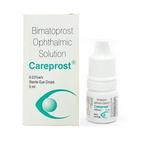
These drops gained immense popularity, demonstrating an incredibly fast and always noticeable result since its application. This innovative means will allow you to give your eyelashes an ideal look, strength and health, in whatever serious condition they are before the moment of its application. It is safe and effective providing amazing results.
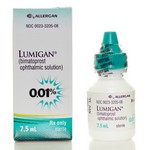
This means is prescribed to reduce eye pressure. Its active ingredient is synthetic prostaglandin bimatoprost – an unsaturated fatty acid, similar in its properties to hormones. Getting into the eye, drops help maintain the balance of the flow and outflow of eye fluid. It is a violation of this balance that leads to an increase in pressure, due to which the blood supply to the eye is impaired and the load on the optic nerve increases.

Bimatoprost reduces IOP in humans by increasing the outflow of aqueous humor through the trabecular meshwork and uveoscleral outflow. IOP reduction begins about 4 hours after the first use. The maximum effect is achieved after about 8–12 hours. The effect lasts for at least 24 hours.
Proper administration and dosage of antibiotic eye drops for babies
Administering antibiotic eye drops to a baby requires proper technique and attention to hygiene. It is important to follow the instructions provided by a healthcare professional or the packaging of the eye drops. Here are some key guidelines for the administration and dosage of antibiotic eye drops for babies:
1. Wash hands thoroughly
Prior to administering the eye drops, ensure that you wash your hands properly to minimize the risk of introducing any bacteria or dirt into the baby’s eyes.
2. Place the baby in a comfortable position
Choose a position that is comfortable for both you and the baby. This could be lying down with the baby’s head tilted backward or sitting up with the baby’s head slightly tilted back.
3. Cleanse the eye area
Gently clean the baby’s eye with a sterile saline solution or a clean, damp cotton ball. Start from the inner corner of the eye and move outward to remove any discharge or debris.
4. Prepare the eye drops
Read the instructions on the eye drop packaging for information specific to the product you are using. Usually, you will need to twist off the cap of the eye drop bottle and hold it in a position that will allow the drops to fall directly into the baby’s eye.
5. Administering the eye drops
Using one hand, gently pull down the lower eyelid of the baby to create a small pocket. Use your other hand to hold the eye drop bottle and squeeze the appropriate number of drops into the lower eyelid. Avoid touching the eye or eyelid with the bottle as it can introduce bacteria or cause discomfort to the baby.
6. Close the eye gently
After administering the eye drops, gently close the baby’s eye and apply gentle pressure to the corner of the eye for a few seconds. This will help prevent the drops from draining away and increase their absorption into the eye.
7. Repeat if necessary
If the dosage instructions indicate multiple drops or if the healthcare professional advises repeating the administration process, wait for the specified time interval and repeat the process of administering the eye drops.
8. Maintain cleanliness and hygiene
After administering the eye drops, clean the tip of the bottle and securely close it to prevent contamination. Cleanse your hands again to maintain cleanliness and hygiene.
Always follow the specific instructions provided by the healthcare professional or the eye drop packaging. Each brand or type of eye drop may have specific guidelines for administration and dosage. It is important to consult with a healthcare professional if you have any questions or concerns about administering antibiotic eye drops to your baby.
Safety considerations and potential side effects of antibiotic eye drops for babies
Using antibiotic eye drops for babies can be an effective way to treat eye infections or other eye conditions. However, it’s important for parents to be aware of the safety considerations and potential side effects associated with these medications. Here are some key points to keep in mind:
Safety considerations:
– Before using antibiotic eye drops on a baby, it is crucial to consult with a healthcare professional. They can provide guidance on the appropriate use, dosage, and duration of treatment based on the baby’s specific condition and medical history.
– It’s important to follow the instructions provided by the healthcare professional or pharmacist when administering the eye drops. This includes properly washing your hands before and after administration and avoiding contamination of the eye drop bottle.
– Be cautious not to touch the tip of the eye drop bottle to the baby’s eye or any other surface, as this can introduce bacteria or cause contamination.
– If the baby has a known allergy or sensitivity to any specific antibiotics, it is important to discuss this with the healthcare professional before using antibiotic eye drops. They may recommend alternative treatment options.
Potential side effects:
– While rare, certain side effects can occur when using antibiotic eye drops for babies. Common side effects may include temporary stinging or burning sensation in the eyes, temporary blurred vision, or mild redness or irritation.
– If the baby experiences severe or persistent eye pain, swelling, or worsening of symptoms after using the eye drops, it is important to seek immediate medical attention. These could be signs of an allergic reaction or other adverse reaction to the medication.
– In some cases, antibiotic eye drops can disrupt the balance of normal bacteria in the eyes, potentially leading to an overgrowth of bacteria or fungal infections. If you notice any unusual discharge or changes in the baby’s eye condition, it is important to have it evaluated by a healthcare professional.
Additional resources and references:
It’s always a good idea to consult with a healthcare professional for personalized advice and guidance. Here are some resources that provide further information on the safety and use of antibiotic eye drops for babies:
– American Academy of Ophthalmology: [Antibiotic Eye Drops](https://www.aao.org/eye-health/glasses-contacts/contact-lens-eye-drops)
– Mayo Clinic: [Eye Drops for Children: How to Put them In](https://www.mayoclinic.org/healthy-lifestyle/infant-and-toddler-health/expert-answers/eye-drops-for-children/faq-20058472)
– National Institutes of Health: [MedlinePlus – Antibiotic Eye Drops](https://medlineplus.gov/druginfo/meds/a601260.html)
Summary:
When using antibiotic eye drops for babies, it’s important to prioritize their safety and be aware of potential side effects. By following proper administration guidelines, keeping an eye out for any adverse reactions, and seeking medical advice when needed, parents can ensure the effective and safe use of antibiotic eye drops for their baby’s eye health.
Tips for using antibiotic eye drops for babies effectively
When it comes to administering antibiotic eye drops to babies, it is essential to follow the proper guidelines to ensure effectiveness and minimize discomfort. Here are some tips to help parents use antibiotic eye drops on their baby effectively:
- Create a calm and comfortable environment: Choose a quiet and well-lit area where you can comfortably hold your baby. Make sure you have everything you need within reach, such as the eye drops, tissues, and any other supplies recommended by your healthcare professional.
- Wash your hands: Before administering the eye drops, thoroughly wash your hands with soap and warm water to maintain cleanliness and prevent the spread of bacteria.
- Position the baby: Gently lay your baby on their back, ensuring their head is supported. It may be helpful to place a towel or small pillow under their shoulders to elevate their head slightly.
- Open the eye drops: Carefully remove the cap or seal from the eye drop container. Ensure that you do not touch the tip of the dropper to avoid contamination. Some eye drop containers may require you to twist or press the cap to open.
- Hold the baby’s eye: Gently hold your baby’s eye open using your non-dominant hand. Use your thumb and index finger to softly hold the baby’s eyelids apart, making sure not to apply excessive pressure or touch the eye directly.
- Administer the eye drops: With your dominant hand, hold the eye drop container close to the baby’s eye but do not touch the eye or eyelashes with the dropper. Squeeze the prescribed number of drops into the lower eyelid, aiming for the pocket where the eyelid meets the eye. Avoid blinking or rubbing the baby’s eye to allow the drops to spread evenly.
- Avoid contamination: Be cautious not to let the dropper come into contact with any surface or your baby’s skin. This can prevent the spread of bacteria and maintain the sterility of the eye drops.
- Close the eye and gently massage: After administering the drops, release your hold on the baby’s eyelids and gently close their eye. Use a clean tissue or cotton ball to softly apply gentle pressure on the inner corner of the eye for about a minute. This helps prevent the eye drops from draining into the tear duct and allows the medication to stay in the eye.
- Comfort and distract the baby: To help keep your baby calm during and after the eye drop administration, try gently rocking or patting them. Singing a soothing song or offering a comforting toy can also help distract them from any discomfort they may experience.
- Follow the prescribed dosage: Always adhere to the prescribed dosage and frequency recommended by your healthcare professional. Do not skip doses or discontinue use without consulting a healthcare professional first.
- Properly store the eye drops: Ensure that you store the eye drops according to the instructions provided, such as keeping them at room temperature or in the refrigerator if necessary. Proper storage helps maintain the effectiveness and safety of the medication.
Remember, if you have any questions or concerns about administering antibiotic eye drops to your baby, it is important to reach out to your healthcare professional for guidance and support. They can provide specific instructions tailored to your baby’s needs and monitor their progress throughout the treatment.
Sources:
– Mayo Clinic: Putting in eye drops
– American Academy of Pediatrics: How do I put eye drops in my baby?
When to contact a healthcare professional regarding antibiotic eye drops for babies
There are certain situations and symptoms that may indicate the need for medical intervention when using antibiotic eye drops on a baby. It is important for parents to be aware of these signs and to seek medical advice in order to ensure the well-being of their child. If any of the following situations occur, it is recommended to contact a healthcare professional:
1. Worsening symptoms: If the baby’s eye condition does not improve or worsens after a few days of using antibiotic eye drops, it is important to consult a healthcare professional. They will be able to assess the situation and provide further guidance or adjust the treatment plan if necessary.
2. Severe or persistent symptoms: If the baby is experiencing severe symptoms such as excessive redness, swelling, discharge, or pain in the eyes, it is important to seek immediate medical attention. These symptoms may indicate a more serious condition that requires prompt medical treatment.
3. Allergic reactions: If the baby shows signs of an allergic reaction to the antibiotic eye drops, such as itching, hives, difficulty breathing, or swelling of the face, lips, or tongue, it is crucial to seek immediate medical help. Allergic reactions can be serious and need to be addressed promptly.
4. Systemic side effects: In rare cases, antibiotic eye drops can cause systemic side effects that go beyond the eyes. If the baby experiences symptoms such as nausea, vomiting, diarrhea, rash, or fever, it is important to consult a healthcare professional. These symptoms may indicate an adverse reaction or infection that needs medical attention.
5. Unusual or unexpected symptoms: If the baby develops any new or unexpected symptoms while using antibiotic eye drops, it is advisable to contact a healthcare professional. This includes symptoms that were not initially present when the treatment started or symptoms that are not commonly associated with the condition being treated.
It is important to remember that this information is not exhaustive, and parents should use their own judgment and consult a healthcare professional whenever they have concerns about their baby’s health. Healthcare professionals are best equipped to assess the situation and provide appropriate advice or treatment.