Types of Eye Drops Prescribed for Pink Eye
When it comes to treating pink eye, also known as conjunctivitis, eye drops are often prescribed to relieve symptoms and promote healing. The specific type of eye drops recommended will depend on the cause of the pink eye. Here are the three main types of eye drops that may be prescribed:
1. Antibiotic Eye Drops
In cases where the pink eye is caused by a bacterial infection, antibiotic eye drops are typically prescribed. These eye drops contain medication that helps eliminate the bacteria and reduce the symptoms of pink eye. Commonly prescribed antibiotic eye drops include:
- Tobramycin: This antibiotic eye drop is effective against a wide range of bacteria and is often used to treat bacterial conjunctivitis.
- Gentamicin: Another commonly prescribed antibiotic eye drop, gentamicin is effective against a variety of bacteria and can help alleviate symptoms of pink eye.
- Ciprofloxacin: This antibiotic eye drop is a broad-spectrum antibiotic that is used to treat bacterial conjunctivitis caused by certain bacteria.
It’s important to follow the instructions provided by the healthcare professional when using antibiotic eye drops for pink eye. Typically, they should be used for 7-10 days, even if the symptoms improve before the full course of treatment is completed.
2. Anti-inflammatory Eye Drops
If the pink eye is caused by an allergic reaction or inflammation, anti-inflammatory eye drops may be prescribed. These eye drops contain medication that helps reduce redness, itching, and swelling associated with pink eye. Some commonly prescribed anti-inflammatory eye drops include:
- Loteprednol etabonate: This corticosteroid eye drop is often used to relieve inflammation and reduce the discomfort of allergic conjunctivitis.
- Fluorometholone: Another corticosteroid eye drop, fluorometholone helps reduce the inflammation caused by eye allergies.
- Olopatadine: Olopatadine is an antihistamine active ingredient used in some eye drops to relieve itching and redness associated with allergic conjunctivitis.
The duration of using anti-inflammatory eye drops will vary depending on the individual and the severity of the symptoms. It is important to follow the instructions provided by the healthcare professional and use them as directed.
3. Lubricating Eye Drops
Lubricating eye drops are often prescribed to relieve dryness and provide comfort to the eyes during pink eye. These eye drops help reduce irritation and soothe the eyes. Some commonly prescribed lubricating eye drops include:
- Artificial tears: These eye drops are specially formulated to mimic the composition of natural tears and provide lubrication to the eyes.
- Systane Balance: Systane Balance is a type of lubricating eye drop that helps restore the natural balance of the tear film and provides long-lasting relief for dryness and discomfort in the eyes.
- Refresh Optive: Refresh Optive is a lubricating eye drop that provides advanced hydration and protection for dry eyes.
Lubricating eye drops can be used as needed for dryness and discomfort. They do not contain medication to treat the underlying cause of pink eye but help alleviate the symptoms. It’s important to follow the instructions provided by the healthcare professional when using lubricating eye drops.
How long to use eye drops for pink eye
The duration of using eye drops for pink eye depends on the cause and severity of the condition. Here is a general guideline for the duration of treatment:
Bacterial pink eye:
If the pink eye is caused by a bacterial infection, antibiotic eye drops are typically prescribed. These eye drops should be used for a minimum of 7-10 days. It is important to complete the full course of treatment to ensure the infection is completely eradicated. Failure to do so can result in the infection reoccurring or becoming resistant to antibiotics.
Allergic or inflammatory pink eye:
If the pink eye is caused by an allergic reaction or inflammation, anti-inflammatory eye drops may be prescribed. The duration of using these eye drops can vary depending on the individual and the severity of the symptoms. In most cases, the eye drops are used until the symptoms subside. This can range from a few days to a few weeks.
Lubricating eye drops:
For dryness and discomfort associated with pink eye, lubricating eye drops can be used as needed. These eye drops provide relief by moisturizing the eyes and reducing irritation. They can be used multiple times throughout the day to alleviate symptoms.
It is important to follow the instructions provided by your healthcare professional or the product label when using eye drops. If you have any concerns or questions about the duration of treatment, consult with a healthcare professional for proper guidance.
How to Fix Dried Mascara Without Eye Drops
If you find your mascara has dried and is causing discomfort and irritation to your eyes, it’s important to handle the situation carefully. Using eye drops to dissolve the dried mascara is not recommended as they may not be suitable for this purpose. Instead, follow these steps to effectively remove the dried mascara:
- Gently wash off the dried mascara with warm water and a mild cleanser. Use a clean cotton pad or swab and carefully wipe away any remnants of the mascara. Make sure to be gentle and take your time to ensure all the mascara is thoroughly removed.
- Avoid rubbing or pulling on your lashes, as this can further irritate your eyes. It’s important to be patient and gentle during the process.
By following these steps, you can effectively and safely remove dried mascara from your lashes without the need for eye drops. Remember to prioritize the health and comfort of your eyes while doing so.

Bimat eye drops are used to treat hypotrichosis, short, weak eyelashes. Bimat increases the length, thickness and enhances the color of eyelashes. These substances are also used to lower intraocular pressure in patients with a diagnosis of glaucoma. By reducing the pressure, the risk of blindness is significantly decreased.
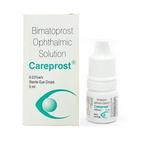
These drops gained immense popularity, demonstrating an incredibly fast and always noticeable result since its application. This innovative means will allow you to give your eyelashes an ideal look, strength and health, in whatever serious condition they are before the moment of its application. It is safe and effective providing amazing results.
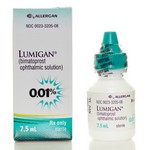
This means is prescribed to reduce eye pressure. Its active ingredient is synthetic prostaglandin bimatoprost – an unsaturated fatty acid, similar in its properties to hormones. Getting into the eye, drops help maintain the balance of the flow and outflow of eye fluid. It is a violation of this balance that leads to an increase in pressure, due to which the blood supply to the eye is impaired and the load on the optic nerve increases.

Bimatoprost reduces IOP in humans by increasing the outflow of aqueous humor through the trabecular meshwork and uveoscleral outflow. IOP reduction begins about 4 hours after the first use. The maximum effect is achieved after about 8–12 hours. The effect lasts for at least 24 hours.
How to Get Rid of Red Eyes Without Eye Drops
Red eyes, also known as high eyes, can be caused by various factors such as allergies, dryness, or irritants. If you do not have eye drops on hand or prefer not to use them, there are other methods to help alleviate redness and discomfort.
- Apply a cold compress: Placing a cold compress or a cool damp cloth over closed eyes can help constrict blood vessels and reduce redness. The cold temperature can also provide soothing relief. Leave the compress on for a few minutes at a time, and repeat as needed throughout the day.
- Avoid rubbing your eyes: Rubbing your eyes can worsen redness and irritation. It may also introduce more allergens or irritants, making the condition worse. Instead, try to resist the urge to rub and gently pat the area around your eyes if needed.
- Rest with closed eyes: Giving your eyes a break by resting with closed eyes for a few minutes can help reduce redness and irritation. This can be especially helpful if your red eyes are caused by eye strain or fatigue.
- Use over-the-counter artificial tears or lubricating eye drops: If you don’t have prescription eye drops, over-the-counter artificial tears or lubricating eye drops can provide temporary relief from dryness and discomfort associated with red eyes. These drops can help moisturize the eyes and reduce redness. It’s important to follow the instructions on the product label and only use drops specifically formulated for the eyes.
These alternative methods can help alleviate redness and provide temporary relief from discomfort. However, it’s important to note that they may not treat the underlying cause of red eyes. If you experience persistent or severe symptoms, it is recommended to consult with a healthcare professional for further evaluation and treatment.
Alternative Options to Eye Drops for Pink Eye
If eye drops for pink eye are not readily available or preferred, there are alternative options that can help manage the symptoms of pink eye. These alternative options include:
- Warm Compresses: Applying warm compresses to the eyes can provide relief from redness, itching, and swelling associated with pink eye. Soak a clean washcloth in warm water and gently apply it to the closed eyes for a few minutes, several times a day.
- Artificial Tears or Lubricating Eye Drops: Over-the-counter artificial tears or lubricating eye drops can be used to alleviate dryness and provide temporary relief from discomfort caused by pink eye. These eye drops can be applied as directed on the product label.
- Herbal Eye Drops: Some herbal eye drops, such as those containing chamomile or eyebright, are marketed as natural remedies for pink eye. However, it is important to note that the efficacy and safety of these products may vary, and it is advisable to consult with a healthcare professional before using them.
- Tea Bags: Some people find relief from pink eye symptoms by placing cold tea bags (such as chamomile or green tea) on their closed eyelids. The tannins in tea may help soothe inflammation and redness.
While these alternative options may provide relief from pink eye symptoms, it is important to consult with a healthcare professional for proper diagnosis and treatment recommendations. They can help determine the underlying cause of pink eye and recommend the most appropriate course of action.
Systane Balance Lubricant Eye Drops: Relieving Dry Eye Syndrome
Systane Balance lubricant eye drops are a trusted solution for individuals suffering from dry eye syndrome. These eye drops provide effective and long-lasting relief for the uncomfortable symptoms associated with dry eyes. Here are some key details about Systane Balance lubricant eye drops:
1. Purpose
Systane Balance eye drops are specifically formulated to tackle the symptoms of dry eye syndrome. They help restore the natural balance of the tear film, reducing dryness and providing comfort to the eyes.
2. Features and Benefits
– Long-lasting relief: Systane Balance eye drops provide extended moisture and relief, ensuring that your eyes stay comfortable for an extended period.
– Tear film restoration: The eye drops contain unique ingredients that help restore the natural balance of the tear film, providing optimal hydration to the eyes.
– Redness reduction: Systane Balance eye drops can also help reduce redness, making your eyes look more refreshed and revitalized.
– Improved vision quality: By alleviating dryness, these eye drops can enhance visual clarity and reduce discomfort caused by dry eyes.
– Easy application: Systane Balance eye drops come in a convenient bottle with a precise dropper, making it easy to apply the desired amount without any wastage.
3. Clear Color
Systane Balance lubricant eye drops are typically clear in color, allowing for easy application without leaving any residue or discoloration on the eyes.
4. How to Use
To use Systane Balance eye drops, follow these steps:
1. Wash your hands thoroughly.
2. Tilt your head backward and look up.
3. Gently pull down your lower eyelid to create a small pocket.
4. Squeeze the bottle and release one or two drops into the pocket.
5. Close your eye for a few seconds to allow the drops to spread evenly.
6. If needed, repeat the process with the other eye.
7. Securely close the bottle after each use.
5. Consult A Healthcare Professional
While Systane Balance eye drops are readily available over-the-counter, it is always recommended to consult with a healthcare professional, such as an optometrist or ophthalmologist, before starting any new eye drop regimen. They can provide personalized recommendations based on your specific needs and help determine the appropriate frequency of use.
6. Additional Tips
– Store Systane Balance eye drops at room temperature, away from direct sunlight.
– Avoid touching the tip of the eye dropper to any surfaces, including your eyes, to prevent contamination.
– If you experience any adverse reactions or persistent symptoms, discontinue use and seek medical advice.
– Always read and follow the instructions on the product packaging for the most accurate usage guidance.
In conclusion, Systane Balance lubricant eye drops are a reliable and effective option for managing the discomfort of dry eye syndrome. They offer long-lasting relief, restore the natural tear film balance, and can enhance visual clarity. Remember to consult a healthcare professional for personalized advice and to ensure proper usage.
Important Considerations when Using Eye Drops
- Follow the instructions provided by your healthcare professional or the product label when using eye drops.
- Wash your hands thoroughly before applying eye drops to avoid introducing any bacteria or contaminants to the eyes.
- Avoid touching the tip of the eye dropper to any surfaces, including the eyes, as it can increase the risk of infection.
- If you experience any severe or persistent symptoms or if your condition worsens despite using eye drops, consult with a healthcare professional for further evaluation and treatment.
When using eye drops, it is essential to follow the instructions provided by your healthcare professional or the product label. This ensures that you are using the drops correctly and obtaining the maximum benefit from them. Be sure to read and understand the instructions before using the eye drops.
Before applying eye drops, it is important to wash your hands thoroughly with soap and water. This step helps to remove any dirt or bacteria from your hands, reducing the risk of introducing contaminants to the eyes. Dry your hands thoroughly with a clean towel before handling the eye drops.
When applying the eye drops, be careful not to touch the tip of the dropper to any surfaces, including your eyes. Touching the dropper tip can introduce bacteria or contaminants, increasing the risk of eye infection or irritation. Hold the dropper close to your eye without letting it touch the eyelashes, eyelids, or any other surface.
If you experience severe or persistent symptoms of pink eye, such as worsening redness, increased pain, or changes in vision, despite using eye drops, it is crucial to consult with a healthcare professional. They can evaluate your condition and provide appropriate treatment options. Do not ignore persistent symptoms, as they may indicate a more serious underlying issue.
It is always best to seek professional medical advice when dealing with any eye issues. Healthcare professionals can provide the most accurate diagnosis and recommend the appropriate treatment based on your individual circumstances. Avoid self-diagnosis and self-treatment, as it may delay proper treatment and potentially worsen the condition.
For more information on eye health and eye conditions, you can visit reputable sources such as the American Academy of Ophthalmology or the National Eye Institute. These websites provide reliable information on eye care, treatments, and ways to maintain healthy vision.