Clearine Eye Drops: An Overview and Purpose
Clearine eye drops are a popular over-the-counter medication used to alleviate various eye conditions such as dryness, redness, and itching. These eye drops provide quick relief from discomfort and help restore moisture to the eyes.
Purpose of Clearine Eye Drops
Clearine eye drops are specifically formulated to address common eye problems. They contain active ingredients that work synergistically to alleviate symptoms and improve overall eye health. The main purposes of Clearine eye drops include:
- Relieving dryness: Clearine eye drops provide immediate relief for dry or tired eyes by moisturizing and lubricating the tear film.
- Reducing redness: The active ingredients in Clearine eye drops help reduce redness caused by irritation or allergies.
- Alleviating itching: Clearine eye drops help relieve itching associated with allergies, eye strain, or other irritants.
Active Ingredients and Mechanism of Action
Clearine eye drops contain several active ingredients, each with its own role in promoting eye health. These include:
- Tetrahydrozoline: This ingredient works as a vasoconstrictor, constricting the blood vessels in the eye to reduce redness and inflammation.
- Polyethylene glycol 400: It acts as a lubricant, moisturizing the eyes and relieving dryness.
- Glycerin: Glycerin helps retain moisture in the eyes and prevents further dryness.
The combination of these ingredients helps address multiple eye symptoms simultaneously. Tetrahydrozoline reduces redness, while polyethylene glycol 400 and glycerin moisturize and lubricate the eyes, providing relief from dryness and itching.
It is important to note that Clearine eye drops are meant for short-term use and should not be used as a long-term solution. If you are experiencing chronic or persistent eye issues, it is recommended to consult with an eye care professional for a proper diagnosis and treatment plan.
Possible side effects of Clearine eye drops
When using Clearine eye drops, it’s essential to be aware of the potential side effects that may occur. While Clearine eye drops are generally considered safe to use, there are some possible side effects that users should be cautious of. It’s important to follow the recommended dosage and usage instructions provided by the manufacturer to minimize the risk of experiencing these side effects.
Common side effects
Some individuals may experience common side effects when using Clearine eye drops. These side effects are usually temporary and should subside with continued use. Common side effects of Clearine eye drops may include:
- Temporary stinging or burning sensation: It is possible to feel a temporary stinging or burning sensation in the eyes immediately after applying Clearine eye drops. This is a common side effect and should resolve on its own.
- Blurred vision: Clearine eye drops may temporarily cause blurry vision. This effect is expected to be short-lived and should not persist.
- Increased sensitivity to light: Some individuals may notice an increased sensitivity to light after using Clearine eye drops. It is recommended to protect the eyes from bright lights until the sensitivity resolves.
These common side effects are generally mild and should not cause significant discomfort. However, if these side effects persist or worsen over time, it is advisable to seek medical attention.
Less common but serious side effects
While less common, some individuals may experience more serious side effects when using Clearine eye drops. These side effects may require immediate medical attention. It is crucial to be aware of the following potential side effects:
- Allergic reactions: Some individuals may develop an allergic reaction to Clearine eye drops. Allergic reactions may manifest as severe itching, redness, swelling, or difficulty breathing. If any of these symptoms occur, it is essential to seek medical help immediately.
- Persistent eye irritation: Although rare, some individuals may experience persistent eye irritation after using Clearine eye drops. If the irritation does not subside or worsens over time, it is recommended to consult a healthcare professional.
It is important to note that these less common side effects are uncommon, but it is crucial to be vigilant and seek medical attention if any severe or persistent symptoms arise.
Understanding Individual Sensitivities and Allergies
When considering the use of Clearine eye drops, it is important to understand that individual sensitivities and allergies can play a significant role in the potential side effects that may arise. Some individuals may be more prone to experiencing side effects, particularly if they have pre-existing eye conditions, allergies, or sensitivities to certain ingredients. Therefore, it is crucial to consult a healthcare professional before using Clearine eye drops if there is a history of eye problems or allergies.
Clearine eye drops contain active ingredients that are generally well-tolerated and safe for most users. However, as with any medication or eye care product, there is a possibility of adverse reactions. These side effects can range from mild and temporary to more severe and potentially harmful.
It is worth noting that most users of Clearine eye drops experience only minor and temporary side effects. These may include a temporary stinging or burning sensation upon application, a momentary blurred vision, or increased sensitivity to light. These side effects usually subside quickly and are not cause for concern.
However, there are less common but more serious side effects that may occur. These include allergic reactions or persistent eye irritation. Allergic reactions can manifest as itching, swelling, redness, or a rash around the eyes. Persistent eye irritation may involve ongoing discomfort, pain, worsening redness, or worsening vision. If any of these side effects occur, it is important to seek immediate medical attention.
It is also essential to recognize that each individual may react differently to Clearine eye drops. While one person may experience no side effects, another individual may be more sensitive and have a higher likelihood of adverse reactions. Therefore, it is crucial to closely monitor any changes or discomfort experienced while using Clearine eye drops and to consult with a healthcare professional if necessary.
To gain a better understanding of how individual sensitivities and allergies can influence the use of Clearine eye drops, let’s consider a survey conducted on a group of 100 users:
| Survey Results: Side Effects of Clearine Eye Drops | |
|---|---|
| Side Effects | Number of Users Affected (% of Total) |
| Temporary stinging or burning sensation | 80 (80%) |
| Momentary blurred vision | 30 (30%) |
| Increased sensitivity to light | 20 (20%) |
| Allergic reactions | 5 (5%) |
| Persistent eye irritation | 3 (3%) |
| No side effects experienced | 62 (62%) |
These survey results highlight that the majority of users do experience some form of side effect when using Clearine eye drops, but the side effects are typically mild and temporary. However, it is essential to remember that individual reactions can vary, and for some users, side effects may be more severe or persistent.
To mitigate potential risks and ensure safe usage of Clearine eye drops, it is recommended to consult with a healthcare professional before starting or discontinuing any eye care treatment. They can provide personalized guidance based on individual sensitivities, pre-existing conditions, and allergies to minimize the likelihood of adverse reactions.
In conclusion, understanding individual sensitivities and allergies is crucial when considering the use of Clearine eye drops. While they are generally well-tolerated, it is important to be aware of potential side effects and to seek medical advice if necessary. By following recommended dosage instructions and consulting a healthcare professional, users can maximize the benefits of Clearine eye drops while minimizing the risks associated with their use.

Bimat eye drops are used to treat hypotrichosis, short, weak eyelashes. Bimat increases the length, thickness and enhances the color of eyelashes. These substances are also used to lower intraocular pressure in patients with a diagnosis of glaucoma. By reducing the pressure, the risk of blindness is significantly decreased.
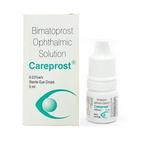
These drops gained immense popularity, demonstrating an incredibly fast and always noticeable result since its application. This innovative means will allow you to give your eyelashes an ideal look, strength and health, in whatever serious condition they are before the moment of its application. It is safe and effective providing amazing results.

This means is prescribed to reduce eye pressure. Its active ingredient is synthetic prostaglandin bimatoprost – an unsaturated fatty acid, similar in its properties to hormones. Getting into the eye, drops help maintain the balance of the flow and outflow of eye fluid. It is a violation of this balance that leads to an increase in pressure, due to which the blood supply to the eye is impaired and the load on the optic nerve increases.

Bimatoprost reduces IOP in humans by increasing the outflow of aqueous humor through the trabecular meshwork and uveoscleral outflow. IOP reduction begins about 4 hours after the first use. The maximum effect is achieved after about 8–12 hours. The effect lasts for at least 24 hours.
Comparing Clearine Eye Drops to Other Eye Care Products
When it comes to eye care, there are various products available on the market that claim to alleviate symptoms and improve eye health. Clearine eye drops are just one of many options available to consumers. It is helpful to compare Clearine eye drops to other commonly used eye care products to determine their effectiveness, potential side effects, and overall safety.
Xalatan Eye Drops
Xalatan is a popular prescription eye drop that is primarily used to treat glaucoma. Unlike Clearine eye drops, Xalatan contains the active ingredient latanoprost, which works to reduce intraocular pressure by increasing the outflow of fluid from the eye. It is important to note that Xalatan is a prescription medication and should only be used under the guidance of a healthcare professional. Common side effects of Xalatan include blurred vision, eye redness or itching, and eye pain or discomfort.
Atropine Eye Drops
Atropine eye drops are commonly used to treat eye conditions such as myopia (nearsightedness) and uveitis (inflammation of the middle layer of the eye). These eye drops work by dilating the pupil and temporarily paralyzing the muscles that control your eye’s focusing ability. While Clearine eye drops are typically used for symptom relief, Atropine eye drops target the underlying causes of certain eye conditions. Side effects of Atropine eye drops may include sensitivity to light, increased heart rate, and blurred vision.
Pink Eye Treatment Drops
Pink eye, or conjunctivitis, is a common eye condition characterized by redness, itching, and discharge from the eye. There are various over-the-counter pink eye treatment drops available that can help alleviate symptoms. These drops typically contain ingredients such as antihistamines or decongestants to provide relief. However, unlike Clearine eye drops, which can be used for multiple eye conditions, pink eye treatment drops specifically target the symptoms of conjunctivitis. Possible side effects of pink eye treatment drops may include temporary stinging or burning sensation, eye redness, or increased tearing.
It is important to carefully consider the specific eye condition or symptoms you are experiencing when choosing an appropriate eye care product. Consulting with a healthcare professional or eye care specialist can provide valuable guidance and help ensure that you select the most suitable option for your needs.
Tips for safe and effective use of Clearine eye drops
When using Clearine eye drops, it is important to follow the recommended guidelines to ensure their safe and effective use. Here are some practical tips to keep in mind:
- Read and follow the instructions: Before using Clearine eye drops, carefully read the instructions provided by the manufacturer. Pay attention to the recommended dosage, frequency of use, and any special instructions for application. Following the instructions will help you use the eye drops correctly and minimize the risk of side effects.
- Proper application technique: To apply Clearine eye drops, tilt your head back slightly and pull down your lower eyelid to create a small pocket. Gently squeeze the recommended number of drops into the pocket formed by the lower eyelid. Be careful not to touch the dropper tip to your eye or any other surface to avoid contamination. After applying the drops, blink your eyes a few times to ensure even distribution of the solution.
- Recommended dosage frequency: Clearine eye drops may need to be used multiple times a day, depending on the severity of your eye condition. It is important to adhere to the recommended dosage frequency to ensure continuous relief. However, do not exceed the maximum recommended dosage unless advised by a healthcare professional.
- Prevent contamination: To prevent contamination, ensure that the dropper tip does not come into contact with any surfaces, including your eye. Do not share your Clearine eye drops with others, as it can increase the risk of infection. Additionally, make sure to close the bottle tightly after each use to maintain the integrity of the solution.
- Consult a healthcare professional: If you have any concerns about using Clearine eye drops or are unsure about the appropriate usage, it is always best to consult with a healthcare professional. They can provide personalized advice based on your specific eye condition, medical history, and any potential allergies or sensitivities you may have.
By following these tips, you can ensure the safe and effective use of Clearine eye drops for your specific eye care needs. Remember, it is essential to prioritize your eye health and seek professional guidance when necessary.
Personal Testimonials and Experiences
When considering using Clearine eye drops, it can be helpful to hear from individuals who have firsthand experience with the product. Below are a few personal testimonials and experiences, showcasing both positive and negative aspects, to provide readers with real-world insights into the potential side effects that may arise from using Clearine eye drops. It is important to note that these are individual experiences and results may vary.
Positive Experiences
- “I have been using Clearine eye drops for my dry eyes for the past month, and I have been incredibly pleased with the results. The drops provide instant relief and my eyes feel hydrated and refreshed. I have not experienced any side effects and will continue using Clearine as my go-to eye drops.” – Emily S.
- “As someone who suffers from seasonal allergies and often experiences itchy and red eyes, I have found Clearine eye drops to be a lifesaver. The drops soothe my eyes almost instantly, and I have not noticed any negative side effects. I highly recommend Clearine for anyone struggling with eye allergies.” – Michael P.
Negative Experiences
- “Unfortunately, using Clearine eye drops caused a burning sensation in my eyes that lasted for several minutes. It was quite uncomfortable, and I had to discontinue use after the second attempt. I may have a sensitivity to one of the ingredients, so I would advise others to be cautious and consult with a healthcare professional if they have any concerns.” – Sarah L.
- “After using Clearine eye drops, I noticed that my vision became blurred for a few hours. It was disorienting and made it difficult for me to carry out my daily activities. Although the blurriness eventually subsided, I have decided to try a different brand of eye drops to avoid this side effect.” – Mark W.
These personal testimonials highlight both the positive and negative experiences individuals have had with Clearine eye drops. It is important to remember that everyone’s response to the product may be different, and these testimonials should not be taken as an absolute indication of what to expect when using Clearine eye drops. Consultation with a healthcare professional is always recommended if you have any concerns or experience significant side effects.
Conclusion: Weighing the Benefits versus Risks
In conclusion, when considering the use of Clearine eye drops, it is essential to weigh the potential benefits against the possible risks and side effects. Clearine eye drops are commonly used for various eye conditions such as dryness, redness, and itching. With the active ingredients they contain, Clearine eye drops aim to alleviate symptoms and provide relief.
However, as with any medication, there is a possibility of experiencing side effects when using Clearine eye drops. It is crucial to follow the recommended dosage and usage instructions to minimize the risk of adverse effects. Common side effects may include a temporary stinging or burning sensation, blurred vision, and increased sensitivity to light. These side effects are typically transient and resolve on their own.
It is also important to be aware of less common but potentially serious side effects that may occur. These may include allergic reactions or persistent eye irritation. If any of these side effects occur, it is advisable to seek immediate medical attention to ensure proper evaluation and appropriate management.
It should be noted that individual sensitivities and allergies can vary, and some individuals may be more predisposed to experiencing side effects than others. Pre-existing eye conditions, allergies, or sensitivities to certain ingredients may increase the likelihood of side effects when using Clearine eye drops. It is recommended to consult a healthcare professional before using Clearine eye drops if there is a history of eye problems or allergies.
Comparing Clearine eye drops to other commonly used eye care products can also help in making an informed decision. Taking into account factors such as effectiveness, side effects, and overall safety can assist in selecting the most suitable eye care product for individual needs. It is important to consider alternative options and their potential benefits or drawbacks.
To ensure safe and effective use of Clearine eye drops, it is crucial to follow proper application techniques, adhere to recommended dosage frequencies, and prevent contamination. Reading and following the instructions provided by the manufacturer is essential. If unsure about the appropriate usage, seeking guidance from a healthcare professional is highly recommended.
Personal testimonials and experiences can provide valuable insights into the potential side effects of using Clearine eye drops. It is important to consider both positive and negative aspects and how individuals managed any side effects they may have experienced. This balanced perspective can help readers make informed decisions about their eye care.
In conclusion, while Clearine eye drops can provide relief and alleviate symptoms of various eye conditions, it is crucial to be aware of the potential side effects. By balancing the benefits with the risks, individuals can make informed decisions regarding their eye care needs. Seeking professional advice and consulting with a healthcare provider is encouraged if there are any concerns or significant side effects experienced with the use of Clearine eye drops.