Benefits of using tear gel eye drops
Using tear gel eye drops can provide a range of benefits for individuals experiencing dryness and irritation in their eyes. Here are some key advantages of using tear gel eye drops:
- Relieve dryness and irritation: tear gel eye drops are specifically formulated to provide relief from symptoms of dry eyes, such as itching, burning, and redness.
- Provide long-lasting lubrication for the eyes: tear gel eye drops contain a thicker, gel-like consistency that can provide longer-lasting lubrication compared to regular eye drops. This helps to keep the eyes moist and comfortable for an extended period of time.
- Help improve the quality of tears: tear gel eye drops can help improve the quality of tears by providing essential moisture and lubrication to the eyes. This can help to reduce tear evaporation and increase tear retention on the ocular surface.
- Suitable for individuals with chronic dry eye syndrome: tear gel eye drops are often recommended for individuals with chronic dry eye syndrome, a condition characterized by a lack of sufficient tears or poor tear quality. The gel-like consistency of the drops can help provide extended relief for these individuals.
Using tear gel eye drops can effectively alleviate dryness and irritation in the eyes, providing long-lasting relief and improving overall eye comfort.
How to Use Tear Gel Eye Drops Effectively
Using tear gel eye drops effectively can help provide relief for dryness and irritation. Here are some steps to follow for effective application:
- Wash hands thoroughly before applying the eye drops: It is important to have clean hands before touching your eyes or applying any eye drops to prevent any potential contamination.
- Tilt the head back and gently pull down the lower eyelid: Tilting the head back and pulling down the lower eyelid helps create a pocket for the gel to be applied.
- Squeeze a small amount of the gel into the pocket created by the eyelid: Using the recommended dosage, squeeze a small amount of tear gel eye drops into the pocket made by the lower eyelid.
- Blink a few times to spread the gel across the eye’s surface: Blinking helps spread the gel across the surface of the eye, ensuring effective lubrication.
- Avoid touching the eye’s surface with the applicator tip to prevent contamination: It is important to avoid touching the eye’s surface with the applicator tip of the eye drop bottle to prevent any potential contamination.
Common side effects of using tear gel eye drops
When using tear gel eye drops, there are a few common side effects that individuals may experience. It’s important to be aware of these side effects and monitor for any adverse reactions. Here are some common side effects:
- Blurred vision: The gel may temporarily blur vision immediately after application. This blurriness should subside as the gel spreads and settles on the eye’s surface.
- Stickiness: Some individuals may experience a sticky sensation after using the gel. This is a normal side effect and can be alleviated by blinking or gently wiping the excess gel away.
- Sensitivity to light: The eye may become more sensitive to light after using the gel. It is advisable to avoid bright lights or wear sunglasses until the sensitivity subsides.
- Allergic reactions: Rarely, individuals may develop an allergic reaction to the ingredients in the gel. Signs of an allergic reaction may include redness, itching, swelling, or a rash. If any of these symptoms occur, it is important to discontinue use and seek medical attention.
It is essential to read the product labeling and consult with a healthcare professional if any concerns or unexpected side effects arise. They can provide guidance on how to manage these side effects or recommend an alternative product if necessary.

Bimat eye drops are used to treat hypotrichosis, short, weak eyelashes. Bimat increases the length, thickness and enhances the color of eyelashes. These substances are also used to lower intraocular pressure in patients with a diagnosis of glaucoma. By reducing the pressure, the risk of blindness is significantly decreased.
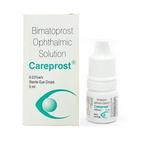
These drops gained immense popularity, demonstrating an incredibly fast and always noticeable result since its application. This innovative means will allow you to give your eyelashes an ideal look, strength and health, in whatever serious condition they are before the moment of its application. It is safe and effective providing amazing results.
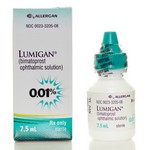
This means is prescribed to reduce eye pressure. Its active ingredient is synthetic prostaglandin bimatoprost – an unsaturated fatty acid, similar in its properties to hormones. Getting into the eye, drops help maintain the balance of the flow and outflow of eye fluid. It is a violation of this balance that leads to an increase in pressure, due to which the blood supply to the eye is impaired and the load on the optic nerve increases.

Bimatoprost reduces IOP in humans by increasing the outflow of aqueous humor through the trabecular meshwork and uveoscleral outflow. IOP reduction begins about 4 hours after the first use. The maximum effect is achieved after about 8–12 hours. The effect lasts for at least 24 hours.
Precautions when using tear gel eye drops
When using tear gel eye drops, it is important to take certain precautions to ensure safe and effective use. These precautions include:
1. Consult with a healthcare professional before using the gel if pregnant or breastfeeding
If you are pregnant or breastfeeding, it is important to consult with a healthcare professional before using tear gel eye drops. They will be able to advise you on the safety of the product and whether it is suitable for use during this time.
2. Inform the healthcare professional of any existing medical conditions or allergies
If you have any existing medical conditions or allergies, it is essential to inform your healthcare professional before using tear gel eye drops. Some medical conditions or allergies may interact with the ingredients in the gel, and your healthcare professional can provide guidance on whether it is safe to use.
3. Avoid using the gel if there is an active eye infection or injury
If you have an active eye infection or injury, it is best to avoid using tear gel eye drops unless recommended by your healthcare professional. In some cases, using eye drops may worsen the condition or delay the healing process. It is important to seek medical advice in such situations.
4. Be cautious when using the gel with other medications, as drug interactions may occur
If you are using any other medications, whether prescription or over-the-counter, it is important to be cautious when using tear gel eye drops. Some medications may interact with the ingredients in the gel, potentially affecting their effectiveness or causing adverse reactions. It is best to consult with your healthcare professional or pharmacist if you are unsure about using these eye drops with your other medications.
5. Follow the recommended dosage and frequency of use as instructed by a healthcare professional
To ensure the best results and minimize the risk of side effects, it is important to follow the recommended dosage and frequency of use as instructed by your healthcare professional. They will provide specific instructions tailored to your individual needs. Do not exceed the recommended dose without consulting a healthcare professional.
By following these precautions and seeking guidance from a healthcare professional, you can safely and effectively use tear gel eye drops to alleviate dryness and irritation in your eyes.
Can Tear Gel Eye Drops Interact with Alcohol?
Tear gel eye drops, like moxifloxacin eye drops, may interact with alcohol and produce undesirable side effects. Moxifloxacin eye drops are a type of antibiotic eye drops commonly prescribed for eye infections and other ocular conditions. When combined with alcohol, these eye drops can lead to certain symptoms that can impair coordination and affect daily activities. It is essential to understand these potential interactions and take necessary precautions when using moxifloxacin eye drops.
Potential Side Effects of Combining Moxifloxacin Eye Drops and Alcohol
When moxifloxacin eye drops are combined with alcohol consumption, several side effects may occur, including:
- Dizziness: One of the potential side effects of combining moxifloxacin eye drops and alcohol is dizziness. This can make it difficult to maintain balance and perform daily activities.
- Drowsiness: Alcohol and moxifloxacin eye drops together can induce drowsiness, which can lead to reduced alertness and slower reaction times.
- Impaired Coordination: Alcohol consumption with moxifloxacin eye drops can impair coordination. This can affect fine motor skills and make simple tasks more challenging.
It is crucial to avoid consuming alcohol while using moxifloxacin eye drops to prevent these potential side effects and ensure the medication’s effectiveness.
If you are using moxifloxacin eye drops and need to consume alcohol for any reason, it is advisable to consult with your healthcare professional for further guidance.
Can tear gel eye drops cause diarrhea?
Tear gel eye drops are typically not associated with causing diarrhea. If an individual experiences diarrhea after using eye drops, it is unlikely to be directly caused by the eye drops themselves. Diarrhea can have various causes, including dietary factors, gastrointestinal issues, or infections.
If an individual experiences persistent diarrhea after using tear gel eye drops, it is best to consult with a healthcare professional. They will be able to assess the situation and determine the underlying cause of the diarrhea. It is important to provide the healthcare professional with detailed information about any other medications being taken, as there is a possibility of drug interactions that could cause gastrointestinal side effects.
While there may not be a direct link between tear gel eye drops and diarrhea, it is always advisable to follow the recommended dosage and frequency of use as instructed by a healthcare professional. If any unexpected side effects occur, it is important to seek medical advice for proper evaluation and management.
References:
1. Mayo Clinic. (2021). Dry eyes. Retrieved from https://www.mayoclinic.org/diseases-conditions/dry-eyes/symptoms-causes/syc-20371863.
2. American Academy of Ophthalmology. (2020). Dry Eye Syndrome. Retrieved from https://www.aao.org/eye-health/diseases/what-is-dry-eye.
Are you able to drive after using eye dilation drops?
Eye dilation drops, also known as mydriatic drops, are commonly used by optometrists and ophthalmologists to widen the pupil for an in-depth examination of the eye. However, it is important to note that these drops can have temporary side effects that may impair your vision and affect your ability to drive safely.
Some of the common side effects of eye dilation drops include:
- Blurred vision: The dilating drops can cause your vision to become blurry or out of focus while they are in effect.
- Increased sensitivity to light: Your eyes may become more sensitive to light after using eye dilation drops, making it uncomfortable to drive in bright conditions.
Due to these effects, it is generally recommended to wait until the effects of the dilation drops wear off before driving. The duration of the effects can vary depending on the specific dilating eye drops used, but it can range from a few hours to potentially a full day.
To ensure safety on the road and avoid any accidents, it is advisable to have someone accompany you or arrange for alternative transportation after using eye dilation drops. If you need to drive yourself, it is best to plan your appointment accordingly and allow enough time for the effects to wear off before getting behind the wheel.
It’s important to follow the instructions provided by your eye care professional regarding the use of eye dilation drops and the precautions to take afterwards. If you have any concerns or questions about driving after using these drops, it is always best to consult with your eye care professional for personalized advice.
For more information on the effects of eye dilation drops and safe driving practices, you can refer to reputable sources such as the American Optometric Association or the American Academy of Ophthalmology.