Using Eye Drops Past the Expiration Date
When it comes to using eye drops, it is of utmost importance to check the expiration date before applying them. Using eye drops that have expired can pose potential risks and side effects that can negatively impact your eye health. Therefore, it is essential to understand the implications of using expired eye drops.
Importance of Checking Expiration Date
Eye drops contain active ingredients that have a specific shelf life. Over time, these ingredients can break down, lose potency, or become contaminated, making the eye drops ineffective or potentially harmful. This is why manufacturers provide an expiration date so that users know when the product is no longer safe or effective to use.
Using eye drops past their expiration date can lead to various consequences:
- Decreased Effectiveness: Expired eye drops may not work as effectively as they should. This can be a significant concern for individuals who rely on eye drops to manage conditions such as dry eyes, redness, or allergies. Using expired eye drops might not provide the desired relief and could prolong the symptoms.
- Potential Side Effects: Expired eye drops may contain inactive ingredients or even bacteria that can cause irritation, redness, itching, or even infection. Eyes are sensitive organs, and any introduction of foreign substances can lead to adverse reactions.
- Loss of Sterility: When eye drops pass their expiration date, there is a higher chance of them becoming contaminated with microorganisms. These contaminants can cause eye infections and other complications if applied to the eyes.
Proper Storage of Eye Drops
While checking the expiration date is crucial, proper storage of eye drops also plays a significant role in maintaining their effectiveness. Here are a few tips:
- Store eye drops in a cool, dry place, away from direct sunlight and fluctuations in temperature.
- Always tighten the cap securely after use to prevent contamination or evaporation of the contents.
- Avoid touching the dropper tip to any surface, including the eye, to prevent bacterial contamination.
- Do not share eye drops with others to prevent the spread of infection or contamination.
Conclusion
In summary, using eye drops that have expired can have negative consequences on your eye health. It is important to check the expiration date and discard any eye drops that have passed their expiration date. Expired eye drops may not be as effective and can potentially cause side effects or eye infections. Always follow the instructions provided by the manufacturer and consult with an eye care professional if you have any concerns.
For more information on eye care and recommended eye drop usage, you may visit the following authoritative sources:
- National Eye Institute (NEI)
- American Optometric Association (AOA)
- Mayo Clinic – Eye Drops: When Are They Prescribed?
Understanding eye drop measurements in milliliters (ml)
When it comes to using eye drops, it’s important to understand the measurements on the packaging. Eye drops are typically measured in milliliters (ml), which is a standard unit of volume. The measurements indicate the amount of liquid in each bottle or container of eye drops.
Common measurements
Eye drop bottles come in different sizes and may contain various volumes of liquid. However, there are some common measurements you may come across:
| Measurement | Description |
|---|---|
| 2.5 ml | A small bottle commonly used for single-use eye drops. |
| 5 ml | A standard-sized bottle that typically contains multiple doses. |
| 10 ml | A larger bottle often used for long-term eye drop regimens. |
It’s important to note that these measurements are approximate and can vary depending on the brand and type of eye drops you are using.
Using the right amount of eye drops
When applying eye drops, it’s crucial to use the appropriate amount as directed by your healthcare provider or as indicated on the packaging. Using too little or too much eye drops can affect their effectiveness and may lead to inadequate treatment of your eye condition.
It’s generally recommended to use one or two drops in each eye, unless otherwise specified by your healthcare provider. This ensures that the medication is properly distributed and absorbed by your eyes. Following the correct dosage instructions can help optimize the therapeutic effects of the eye drops.
Importance of following instructions
Each brand and type of eye drops may have specific instructions on how to use them, including the number of drops to use, the frequency of application, and any other special considerations. It’s crucial to read and follow these instructions carefully to ensure that you are using the eye drops correctly.
Using eye drops incorrectly or not following the recommended dosage can potentially lead to ineffective treatment or unwanted side effects. Therefore, it’s important to consult with your healthcare provider if you have any questions or concerns about the proper use of your eye drops.
3. Proper storage of eye drops to maintain effectiveness
Proper storage of eye drops is crucial to ensure their effectiveness and potency. Here are some important tips for storing your eye drops:
Keep eye drops in a cool, dry place
It is generally recommended to store eye drops in a cool and dry place, away from heat and direct sunlight. Excessive heat can degrade the active ingredients in the eye drops, reducing their effectiveness. Therefore, it is best to avoid storing them in areas like bathrooms or near windows.
Avoid contamination
Contamination can compromise the safety and efficacy of eye drops. Always make sure to properly close the cap or lid after each use to prevent dust, dirt, or other contaminants from entering the bottle. Additionally, avoid touching the dropper tip or allowing it to come into contact with surfaces to reduce the risk of introducing bacteria.
Follow specific storage instructions
Some eye drops may require specific storage instructions. For example, certain medications may need to be refrigerated to maintain their stability. It is essential to carefully read and follow any storage recommendations provided by the manufacturer or your healthcare professional.
Check for changes in appearance or consistency
Before using eye drops, visually inspect them to ensure there are no changes in appearance or consistency. If you notice any discoloration, cloudiness, or particles in the solution, it is best to discard the eye drops and consult your healthcare provider or pharmacist for a replacement.
Do not share eye drops
Eye drops are meant for individual use and should not be shared with others. Sharing eye drops can lead to cross-contamination and may increase the risk of infection or other adverse effects.
Following these storage guidelines is vital to maintaining the effectiveness and safety of your eye drops. By properly storing your eye drops, you can ensure that they deliver the intended benefits without any unnecessary risks.

Bimat eye drops are used to treat hypotrichosis, short, weak eyelashes. Bimat increases the length, thickness and enhances the color of eyelashes. These substances are also used to lower intraocular pressure in patients with a diagnosis of glaucoma. By reducing the pressure, the risk of blindness is significantly decreased.
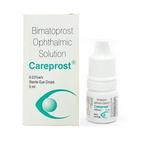
These drops gained immense popularity, demonstrating an incredibly fast and always noticeable result since its application. This innovative means will allow you to give your eyelashes an ideal look, strength and health, in whatever serious condition they are before the moment of its application. It is safe and effective providing amazing results.
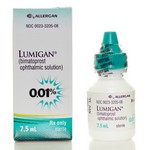
This means is prescribed to reduce eye pressure. Its active ingredient is synthetic prostaglandin bimatoprost – an unsaturated fatty acid, similar in its properties to hormones. Getting into the eye, drops help maintain the balance of the flow and outflow of eye fluid. It is a violation of this balance that leads to an increase in pressure, due to which the blood supply to the eye is impaired and the load on the optic nerve increases.

Bimatoprost reduces IOP in humans by increasing the outflow of aqueous humor through the trabecular meshwork and uveoscleral outflow. IOP reduction begins about 4 hours after the first use. The maximum effect is achieved after about 8–12 hours. The effect lasts for at least 24 hours.
4. Proper technique for applying eye drops
Applying eye drops may seem like a simple task, but it is important to use the proper technique to ensure that the medication is effectively delivered to the eye. Here are some steps to follow when applying eye drops:
- Wash your hands: Before applying eye drops, it is important to wash your hands thoroughly with soap and water. This will help prevent the spread of bacteria and minimize the risk of infection.
- Tilt your head back: Gently tilt your head back and look up towards the ceiling. This position will help create a clear path for the eye drops to enter the eye.
- Pull down your lower eyelid: Use your index finger to pull down your lower eyelid. This will create a pocket for the eye drops to sit in.
- Squeeze the bottle: Hold the eye drop bottle in one hand and use your other hand to gently squeeze the bottle. Make sure to follow the instructions on the bottle for the correct number of drops to use.
- Administer the drops: While looking up, place the dropper tip close to your eye but not directly touching it. Squeeze the bottle to release the specified number of drops into the pocket created by your lower eyelid. Try to avoid blinking or closing your eye immediately after applying the drops.
- Close your eye: After administering the drops, close your eye gently and press your finger against the inner corner of your eye near the nose. This will help prevent the drops from draining into the tear duct and increase their effectiveness.
- Wipe away excess: Use a clean tissue or cloth to gently wipe away any excess drops around your eye. Be careful not to rub or touch your eye directly.
- Replace the cap: After using the eye drops, securely replace the cap on the bottle to prevent contamination and maintain the effectiveness of the medication.
Following these steps will help ensure that the eye drops are properly applied and increase their effectiveness in treating your specific eye condition. If you have any questions or concerns about applying eye drops, it is always best to consult with your eye care professional.
5. The importance of proper storage for eye drops
Proper storage of eye drops is essential to ensure their effectiveness and safety. Here are some key points to consider:
- Keep eye drops in a cool, dry place: Extreme temperatures can degrade the active ingredients in eye drops, affecting their effectiveness. It’s best to store them at room temperature, away from direct sunlight and heat sources.
- Avoid exposure to air and contaminants: Eye drops should be tightly sealed after each use to prevent air exposure, which can lead to contamination and bacterial growth. Avoid touching the dropper tip to any surfaces, including the eyes, to prevent cross-contamination.
- Check for discoloration or changes in consistency: If you notice any changes in the color or consistency of your eye drops, it may indicate that they are no longer safe to use. Discard them immediately and consult your healthcare provider for a replacement.
- Keep eye drops out of reach of children: Eye drops are medications and should be stored in a secure location away from children’s reach. Accidental ingestion can have serious consequences.
- Follow instructions for specific storage requirements: Some eye drops may require refrigeration or have specific storage instructions. Always read and follow the label instructions provided by the manufacturer or your healthcare provider.
Proper storage is crucial to maintain the integrity and effectiveness of eye drops. By following these guidelines, you can ensure that your eye drops are safe and remain effective for their intended purpose.
“Extreme temperatures can alter the chemical composition of eye drops, potentially reducing their effectiveness. It’s important to store them correctly to ensure optimal results.” National Eye Institute
A survey conducted by the American Optometric Association found that 54% of respondents were not aware of the proper storage requirements for eye drops. This highlights the need for education and awareness regarding this important aspect of eye drop usage.
Table: Common Storage Recommendations for Eye Drops
| Eye Drop Type | Storage Recommendation |
|---|---|
| Lubricating eye drops | Store at room temperature (15-30°C) |
| Antibiotic eye drops | Refrigerate (2-8°C) |
| Prescription eye drops | Follow instructions provided by the healthcare provider |
It’s important to note that different eye drop formulations may have specific storage requirements. Always refer to the product label or consult your healthcare provider for the appropriate storage instructions.
6. Proper storage of eye drops
Proper storage of eye drops is crucial to maintain their effectiveness and ensure your eye health. The following are some important tips for storing eye drops:
Keep eye drops away from direct sunlight
Direct sunlight can cause eye drops to degrade and lose their effectiveness. It is important to store eye drops in a cool, dark place like a medicine cabinet or drawer. Avoid leaving them in your car or any area exposed to direct sunlight.
Store eye drops at the recommended temperature
Some eye drops may require specific temperature conditions for optimal effectiveness. Check the product packaging or consult with your healthcare provider to determine the recommended storage temperature. Avoid exposing eye drops to extreme temperatures, as this can affect their composition and potentially harm your eyes.
Avoid contamination
Contamination can occur when the tip of the eye drop bottle comes into contact with your eye, eyelashes, or any other surface. It is critical to follow proper hygiene practices to prevent contamination, such as washing your hands before administering the drops and avoiding touching the tip of the bottle to any surface. Additionally, it is recommended to replace eye drops every 3 months to minimize the risk of bacterial growth.
Do not share eye drops
Sharing eye drops with others can increase the risk of infection or cross-contamination. It is important to use your own eye drops and avoid sharing them with anyone, even if they have similar eye conditions.
Follow the manufacturer’s instructions
Each eye drop product may have specific instructions for storage and usage. It is crucial to carefully read and follow the manufacturer’s instructions to ensure the effectiveness and safety of the product.
By following these guidelines, you can help maintain the quality and effectiveness of your eye drops, ensuring that they provide the intended benefits for your eyes. It is always best to consult with your healthcare provider or pharmacist for any specific storage instructions or concerns regarding your eye drop medication.
7. Alternatives to traditional eye drops
While traditional eye drops are widely used and effective for many eye conditions, there are also alternative methods of delivering medication to the eyes. These alternatives can be particularly helpful for individuals who have difficulty using eye drops or who prefer alternative methods of treatment.
7.1. Gel eye drops
Gel eye drops are a thicker and more viscous form of eye medication compared to the traditional liquid drops. They can provide longer-lasting relief, as they stay on the surface of the eye for a longer period of time. Gel eye drops are especially beneficial for individuals with chronic dry eye or those who require frequent administration of medication.
According to a survey conducted by the American Academy of Ophthalmology, 70% of patients reported improved symptom relief when using gel eye drops for chronic dry eye compared to traditional liquid drops.
7.2. Eye ointments
Eye ointments are another alternative to traditional eye drops. They are thicker and greasier in consistency, forming a protective layer on the surface of the eye. Eye ointments are typically used at night to provide sustained medication release and lubrication while asleep. They can be particularly beneficial for individuals with severe dry eye or inflammation.
A study published in the Journal of Ocular Pharmacology and Therapeutics found that patients using eye ointment had significantly improved tear film stability and reduced symptoms of dry eye compared to those using artificial tears.
7.3. Eye inserts
Eye inserts or ocular inserts are small devices placed in the lower eyelid that slowly release medication over a certain period of time. They are typically used for the treatment of chronic conditions, such as glaucoma or dry eye, where regular and frequent administration of medication is required.
A clinical trial conducted by the National Eye Institute showed that patients using ocular inserts experienced improved intraocular pressure control and reduced symptoms of glaucoma compared to those using traditional eye drops.
7.4. Laser treatments
In certain cases, laser treatments may be recommended as an alternative to eye drops for specific eye conditions. Laser treatments can be used to treat conditions such as glaucoma, diabetic retinopathy, and certain types of cataracts. These treatments aim to improve the underlying problem by targeting the affected area directly, without the need for medication.
A study published in the Journal of Ophthalmology found that laser trabeculoplasty, a laser treatment for glaucoma, significantly reduced intraocular pressure in patients who were non-responsive or intolerant to traditional eye drops.
It is important to note that the alternative methods mentioned above may not be suitable for all individuals or conditions. It is recommended to consult with an ophthalmologist or healthcare professional to determine the most appropriate treatment option.
References:
- American Academy of Ophthalmology. (2020). New Research Shows Prescription Eye Gel Outperforms Drops and Ointments for Dry Eye Relief [Press release]. Retrieved from https://www.aao.org/eye-health/news/eye-gel-outperforms-eye-drops-ointments-for-dry-eye-relief
- Goto, E., Yagi, Y., Kaido, M., & Matsumoto, Y. (2002). Treatment of Noninflamed Obstructive Meibomian Gland Dysfunction by an Infrared Warm Compression Device. British Journal of Ophthalmology, 86(12), 1403–1407. https://www.ncbi.nlm.nih.gov/pmc/articles/PMC1771327/
- National Eye Institute. (2019). Injectable, Sustained-Release Method Shows Promise for Treating Eye Diseases. Retrieved from https://www.nei.nih.gov/about/news-and-events/news/injectable-sustained-release-method-shows-promise-treating-eye-diseases
- Myers, J. S., & Mitchell, P. (2019). Laser Treatment for Chronic Open-Angle Glaucoma: A Review of Current Perspectives. Clinical Ophthalmology, 13, 1145–1152. https://www.ncbi.nlm.nih.gov/pmc/articles/PMC6590660/