What to Do If You Overuse Eye Drops
Using eye drops can provide relief for various eye conditions and symptoms, but it’s important to use them properly and avoid overuse. Overusing eye drops can lead to complications and discomfort. Here are some steps to take if you find yourself in that situation:
Recognizing the Symptoms of Overuse
It’s crucial to be able to identify the symptoms of overusing eye drops, which can include:
- Increased redness or irritation in the eyes
- Persistent itching or burning sensation
- Dryness or excessive tearing
- Blurry vision or sensitivity to light
If you experience any of these symptoms, it’s essential to stop using the eye drops and take appropriate action.
Ceasing Use of the Eye Drops Immediately
As soon as you recognize the symptoms of overuse, discontinue using the eye drops. Continued use may exacerbate the problem and make the symptoms worse.
Flushing the Eyes with Clean Water or Saline Solution
To help alleviate any irritation or discomfort caused by the overuse of eye drops, flush your eyes with clean water or a sterile saline solution. This can help remove any excess medication and soothe the eyes.
Seeking Medical Attention if Symptoms Persist or Worsen
If the symptoms persist or worsen even after flushing the eyes, it is advisable to seek medical attention from an eye care professional. They will be able to evaluate your condition and provide appropriate treatment or advice.
Remember, it’s always best to follow the instructions provided by the eye drop manufacturer and consult with a healthcare professional if you have any concerns or questions about your specific situation.
Is Pataday eye drops safe?
Pataday eye drops are a commonly used medication for the treatment of allergic conjunctivitis. However, safety concerns may arise when using any medication, including eye drops. It is important to consider the safety profile of Pataday eye drops before using them.
Overview of Pataday eye drops
Pataday eye drops, also known as olopatadine hydrochloride ophthalmic solution, are a prescription medication used to relieve symptoms of allergic conjunctivitis such as itching, redness, and watery eyes. They belong to a class of medications known as antihistamines, which work by blocking the release of histamine, a chemical that triggers allergic reactions.
Evaluation of the safety profile
The safety of Pataday eye drops has been extensively evaluated through clinical trials. These trials involved thousands of participants who used the medication according to recommended usage instructions.
According to the clinical trials, the most common side effects reported with the use of Pataday eye drops include mild burning or stinging sensation in the eyes, blurred vision, headache, and dry eyes. These side effects are usually mild and temporary, resolving on their own without the need for medical intervention.
User reviews
User reviews of Pataday eye drops also provide valuable insights into their safety and efficacy. Based on user feedback, Pataday eye drops are generally well-tolerated and effective in relieving allergy symptoms. Users have reported experiencing relief from itching, redness, and other allergy symptoms after using Pataday eye drops.
Recommended usage instructions
To ensure the safe and effective use of Pataday eye drops, it is important to follow the recommended usage instructions. These instructions may vary depending on the specific formulation of Pataday eye drops prescribed by the healthcare professional.
Typically, Pataday eye drops are applied to the affected eye(s) once daily. It is important to avoid touching the tip of the dropper to any surface, including the eye, to prevent contamination. If using other eye medications, it is recommended to wait at least 5 minutes between applying the different medications.
Addressing concerns about long-term use and potential risks
Long-term use of Pataday eye drops has been evaluated in clinical trials, and no serious safety concerns have been reported. However, as with any medication, it is important to follow up with a healthcare professional if long-term use is necessary to monitor for any potential side effects or risks.
If you have any concerns or experience any unusual symptoms while using Pataday eye drops, it is recommended to consult your healthcare professional for further evaluation and guidance.
Side Effects of Latisse Eye Drops
Latisse eye drops are a prescription medication commonly used to enhance the growth and thickness of eyelashes. While they can be effective in achieving longer and fuller lashes, it’s important to be aware of potential side effects that may occur.
Common Side Effects
When using Latisse eye drops, it’s not uncommon to experience some mild side effects. These can include:
- Eye redness
- Itching or irritation of the eyes
- Dry eyes
- Darkening of the skin on the eyelids
These side effects are generally mild and should not cause significant discomfort. However, if any of these symptoms persist or worsen over time, it’s important to consult with a healthcare professional to ensure proper management.
Rare but Severe Side Effects
While rare, there are some severe side effects associated with the use of Latisse eye drops. These are extremely uncommon, but it’s essential to be aware of them. In rare cases, individuals may experience:
- Eye inflammation
- Changes in iris pigmentation (colored part of the eye)
If you notice any unusual or severe symptoms after using Latisse eye drops, it’s crucial to seek immediate medical attention. Your healthcare provider will be able to assess your condition and provide appropriate guidance.
Addressing Side Effects
If you experience any side effects from using Latisse eye drops, it’s important to take steps to address them appropriately. Here are a few recommendations:
- If you experience mild irritation or itching, try using lubricating eye drops to alleviate any discomfort.
- For darkening of the skin on the eyelids, you may consider using a moisturizer or makeup to help minimize any noticeable changes.
- If you notice severe symptoms or any changes in your vision, contact your healthcare provider for further evaluation.
It’s important to note that individual experiences with Latisse eye drops may vary. While some individuals may have no side effects at all, others may experience mild to severe symptoms. Monitoring your symptoms closely and seeking medical attention when necessary is essential for your overall eye health.
Before starting any new medication, it’s always recommended to consult with a healthcare professional. They can provide personalized advice and guidance based on your unique health needs.

Bimat eye drops are used to treat hypotrichosis, short, weak eyelashes. Bimat increases the length, thickness and enhances the color of eyelashes. These substances are also used to lower intraocular pressure in patients with a diagnosis of glaucoma. By reducing the pressure, the risk of blindness is significantly decreased.
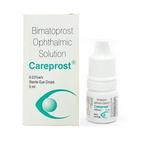
These drops gained immense popularity, demonstrating an incredibly fast and always noticeable result since its application. This innovative means will allow you to give your eyelashes an ideal look, strength and health, in whatever serious condition they are before the moment of its application. It is safe and effective providing amazing results.
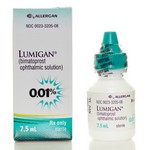
This means is prescribed to reduce eye pressure. Its active ingredient is synthetic prostaglandin bimatoprost – an unsaturated fatty acid, similar in its properties to hormones. Getting into the eye, drops help maintain the balance of the flow and outflow of eye fluid. It is a violation of this balance that leads to an increase in pressure, due to which the blood supply to the eye is impaired and the load on the optic nerve increases.

Bimatoprost reduces IOP in humans by increasing the outflow of aqueous humor through the trabecular meshwork and uveoscleral outflow. IOP reduction begins about 4 hours after the first use. The maximum effect is achieved after about 8–12 hours. The effect lasts for at least 24 hours.
Eye Drops Drugs
Eye drops are a common form of medication used to treat various eye conditions. They come in different types, including prescription eye drops that require a doctor’s recommendation and over-the-counter options available for purchase without a prescription.
Here is an overview of the different types of eye drops and their purposes:
Prescription Eye Drops
Prescription eye drops are medications that require a doctor’s prescription. These eye drops are specially formulated to treat specific eye conditions and are often more potent than over-the-counter options.
Some common types of prescription eye drops include:
1. Antibiotic eye drops: These are used to treat bacterial eye infections, such as conjunctivitis (pink eye) or corneal ulcers.
2. Steroid eye drops: These are prescribed to reduce inflammation and relieve symptoms caused by conditions like allergic conjunctivitis or uveitis.
3. Glaucoma eye drops: Glaucoma eye drops help to lower intraocular pressure and prevent damage to the optic nerve. There are different classes of glaucoma eye drops, including prostaglandin analogs, beta blockers, and carbonic anhydrase inhibitors.
4. Anti-allergy eye drops: These are used to alleviate symptoms of eye allergies, such as itching, redness, and watering.
5. Anti-inflammatory eye drops: These eye drops help reduce inflammation in the eye and are usually prescribed for conditions like dry eye syndrome or blepharitis.
Over-the-Counter Eye Drops
Over-the-counter eye drops are available for purchase without a prescription. They are typically used to provide temporary relief from symptoms like dryness, redness, or allergies. However, it’s essential to follow the instructions and consult a healthcare professional if symptoms persist or worsen.
Some common types of over-the-counter eye drops include:
1. Artificial tears: These lubricating eye drops help alleviate dryness and provide moisture to the eyes. They are suitable for individuals with dry eye syndrome or those who spend long hours in front of screens.
2. Allergy eye drops: These eye drops contain antihistamines or mast cell stabilizers to relieve symptoms of eye allergies, such as itching and redness.
3. Redness-relief eye drops: These eye drops are designed to reduce the appearance of bloodshot eyes temporarily. However, they should not be used for extended periods as they can cause rebound redness.
4. Contact lens rewetting drops: These eye drops are specifically formulated to lubricate and hydrate contact lenses, providing comfort to contact lens wearers.
When using any type of eye drops, it is crucial to follow the instructions provided with the product and consult with a healthcare professional if you have any concerns or questions.
Importance of Following Instructions and Consulting a Healthcare Professional
When it comes to using eye drops, it is essential to follow the instructions provided by the manufacturer or healthcare professional. Here are a few reasons why:
1. Proper dosage: Using the correct dosage of eye drops is crucial for effectiveness and safety. Follow the recommended number of drops and frequency of use as instructed.
2. Hygiene: Wash your hands thoroughly before administering eye drops to prevent contamination. Avoid touching the dropper tip to keep it sterile.
3. Timing: Adhere to the recommended schedule for using eye drops. Follow the prescribed intervals between doses to ensure the medication’s optimal effect.
4. Compatibility: If you wear contact lenses, check if the eye drops are suitable for use with contacts. Some eye drops may interact with lenses and affect their integrity or comfort.
Consulting a healthcare professional, such as an ophthalmologist or optometrist, is advised for personalized advice on selecting the right eye drops for your specific condition and needs.
By following the instructions provided and seeking professional guidance, you can ensure safe and effective use of eye drops to manage your eye health.
Tips for Choosing the Right Eye Drops
When it comes to selecting the right eye drops for your needs, there are several factors to consider. Whether you’re looking to alleviate dryness, treat allergies, or address a specific eye condition, choosing the right eye drops can make a significant difference in your eye health and comfort. Here are some tips to help you make an informed decision:
Identify Specific Eye Conditions or Symptoms to Address
The first step in choosing the right eye drops is identifying the specific eye condition or symptoms you want to address. Are you experiencing dryness, redness, itching, or irritation? Do you suffer from seasonal allergies or have a more chronic condition like glaucoma or dry eye syndrome? By pinpointing the issue you want to target, you can narrow down your options to eye drops that are specifically formulated to address those concerns.
Understand the Difference Between Lubricating, Allergy, or Prescription Eye Drops
Eye drops can be categorized into different types, such as lubricating drops, allergy drops, or prescription drops. Lubricating eye drops are designed to provide relief from dryness and irritation and can be used as often as needed. Allergy eye drops contain antihistamines or decongestants to relieve symptoms like itching, redness, and watery eyes caused by allergies. Prescription drops, on the other hand, are formulated to treat specific eye conditions and require a prescription from a healthcare professional. Understanding the differences between these types of eye drops can help you choose the right option for your needs.
Consider Individual Preferences
When selecting eye drops, consider your individual preferences and needs. Some people prefer preservative-free eye drops to avoid potential irritation or allergic reactions, while others may need contact lens-compatible options. Take into account any specific requirements you may have, such as the need for a specific brand or formulation, to ensure that the eye drops you choose meet your expectations.
Recommendations for Consulting an Eye Care Professional
While over-the-counter eye drops can provide relief for many common eye conditions, it’s always a good idea to consult an eye care professional for personalized advice. Eye care professionals can accurately diagnose eye conditions and recommend the most suitable eye drops for your specific needs. They can also provide guidance on proper usage and potential interactions with any medications you may be taking.
By following these tips, you can select the right eye drops to address your specific eye concerns and ensure optimal eye health and comfort.
Proper usage and administration of eye drops
Proper usage and administration of eye drops are crucial for their effectiveness and safety. Here are some guidelines to follow:
- Step-by-step instructions for applying eye drops correctly
- Wash your hands thoroughly with soap and water before handling the eye drops. This helps prevent the introduction of bacteria or other irritants into the eye.
- Remove the cap from the eye drop bottle, being careful not to touch the tip of the dropper with your fingers.
- Tilt your head back and gently pull down your lower eyelid to create a small pocket.
- Place the dropper directly above your eye, aiming for the pocket created by the lower eyelid.
- Squeeze the bottle gently to instill the recommended number of drops into the eye. Avoid blinking or squeezing your eyes shut immediately after instilling the drops.
- Release the lower eyelid and close your eyes gently. Gently press your finger against the inner corner of your eye, near the nose, to prevent the eye drops from draining into your tear duct.
- Repeat the process for the other eye if instructed to do so.
- Guidelines for proper hand hygiene before and after application
- Thoroughly wash your hands with soap and water for at least 20 seconds before handling the eye drop bottle.
- Dry your hands with a clean towel or air-dry them.
- After applying the eye drops, make sure the dropper does not touch any surface, including your eyes, eyelashes, or fingers.
- If you accidentally touch the dropper to your eye or any other area, it is recommended to wash your hands again before applying the drops.
- Addressing common mistakes like touching the eye with the dropper or blinking excessively
- Avoid touching the tip of the dropper to any surface, including your eye, to prevent contamination.
- Minimize blinking excessively immediately after applying the drops. Excessive blinking can cause the drops to be expelled from the eye before they have had a chance to be absorbed.
- It is important to administer the recommended number of drops as instructed by your healthcare professional. Using fewer drops may result in under-treatment, while using more drops can cause unnecessary waste and potential side effects.
- Recommendations for maintaining the sterility and efficacy of eye drops
- Replace the cap on the eye drop bottle immediately after use to prevent contamination and maintain sterility.
- Avoid touching the dropper tip to any surface, including your eyes, to prevent the introduction of bacteria or other irritants.
- Store the eye drops according to the recommended storage guidelines provided on the packaging. Some eye drops may require refrigeration, while others should be protected from prolonged exposure to light.
- Check the expiration date of the eye drop bottle before each use. Expired eye drops may not be as effective or may have an increased risk of contamination.
- If you are unsure about the proper storage or handling of your eye drops, consult the package insert or your healthcare professional.
- If you experience any adverse effects or changes in your vision after using eye drops, contact your healthcare professional for guidance.
Washing your hands before and after applying eye drops is essential to maintain cleanliness and prevent contamination. Here’s what to do:
Some common mistakes can affect the efficacy and safety of eye drops. Awareness of these mistakes can help you use them correctly:
Proper storage and handling of eye drops are essential to ensure their sterility and efficacy. Follow these recommendations:
Safety Precautions and Storage Guidelines for Eye Drops
When it comes to using eye drops, it is important to follow safety precautions and proper storage guidelines to ensure their effectiveness and prevent any potential harm. Here are some key points to keep in mind:
- General Safety Guidelines:
- Always read and follow the instructions provided with your eye drops.
- Do not share your eye drops with others to minimize the risk of contamination or infection.
- Avoid using eye drops that have changed color or consistency, as these may indicate contamination or expiration.
- If you experience any unexpected or severe side effects while using eye drops, discontinue use and consult a healthcare professional.
- Storage Requirements:
- Some eye drops may require refrigeration to maintain their potency. Check the packaging or consult with your healthcare professional for specific storage instructions.
- Protect eye drops from direct sunlight or excessive heat, as this can affect their stability and effectiveness.
- Expiration Dates and Proper Disposal:
- Eye drops typically have an expiration date. Discard any eye drops that have passed their expiration date, as they may no longer be effective or could pose a risk to your eye health.
- If there is no expiration date on your eye drop packaging, it is generally recommended to discard the product within one to three months after opening.
- Properly dispose of used eye drop containers according to local waste disposal regulations. This helps prevent environmental contamination and accidental ingestion by children or pets.
- Keeping Eye Drops Out of Reach:
- To ensure the safety of children and pets, store eye drops in a secure location out of their reach.
- Child-resistant caps are recommended to further reduce the risk of accidental ingestion.
- If accidental ingestion of eye drops occurs, seek immediate medical attention.
It is important to note that while these guidelines provide general safety advice, each eye drop product may have specific instructions or precautions. Always consult the packaging or healthcare professional for product-specific information.
Sources:
– American Academy of Ophthalmology
– National Center for Biotechnology Information (NCBI)