Understanding the difference between pink eye and allergies
When it comes to eye conditions, it can sometimes be difficult to differentiate between pink eye (conjunctivitis) and allergies. Both conditions can cause redness, itching, and irritation of the eyes, but they have different underlying causes.
Pink Eye:
Pink eye, or conjunctivitis, is an inflammation of the conjunctiva, which is the thin, clear tissue that lines the inside of the eyelid and covers the white part of the eye. It can be caused by a viral or bacterial infection, or by an allergic reaction to substances like pollen, dust, or pet dander. Common symptoms of pink eye include:
- Redness in the white of the eye or inner eyelid
- Increased tearing
- Itchy or burning eyes
- Thick, yellow or green discharge that crusts over the eyelashes
- Sensitivity to light
- Blurred vision
If you suspect you have pink eye, it is important to see a healthcare professional for an accurate diagnosis and appropriate treatment.
Allergies:
Allergies, on the other hand, are an immune system response to a particular substance, known as an allergen. When the eyes are exposed to an allergen, such as pollen or pet dander, the immune system releases histamines, which cause inflammation and allergic symptoms. These symptoms may include:
- Red, itchy, or watery eyes
- Sneezing
- Nasal congestion
- Runny nose
- Coughing
- Itchy throat or ears
Allergies are typically not contagious like pink eye, and they often occur seasonally or in response to specific triggers. If you think your symptoms may be due to allergies, it is advisable to consult a healthcare professional or an allergist to determine the best course of treatment.
Understanding the difference between pink eye and allergies is crucial in order to get the appropriate treatment and relief from your symptoms. Misdiagnosis or improper treatment can prolong discomfort and potentially worsen the condition. Therefore, it is always advisable to seek professional medical advice when experiencing eye irritation or discomfort.
The Role of Eye Drops in Treating Pink Eye and Allergies
Eye drops are a common form of treatment for both pink eye and allergies. They can offer relief from symptoms such as redness, itching, and irritation. However, it is important to understand the difference between pink eye and allergies in order to choose the right eye drops for your specific condition.
Pink Eye:
Pink eye, also known as conjunctivitis, is an inflammation or infection of the conjunctiva, which is the clear membrane that covers the white part of the eye and the inner surface of the eyelids. It can be caused by a viral or bacterial infection, or by exposure to certain irritants or allergens.
In the case of viral pink eye, eye drops may not be necessary as the infection will usually clear up on its own within a week or two. However, eye drops containing lubricants can help to soothe the symptoms and provide temporary relief.
If the pink eye is caused by bacteria, a doctor may prescribe antibiotic eye drops to help clear the infection. These eye drops should be used as directed for the recommended duration, even if symptoms improve before the course is completed.
Allergies:
Allergies occur when the immune system reacts to certain substances, such as pollen, dust mites, pet dander, or certain foods. When these substances come into contact with the eyes, they can trigger an allergic reaction, leading to symptoms such as itching, redness, and watering.
Eye drops that are specifically designed to treat allergies, known as antihistamine eye drops, can be used to relieve these symptoms. These eye drops work by blocking the release of histamine, which is the chemical responsible for triggering allergic reactions. They can provide quick relief from itching and redness, allowing individuals to carry on with their daily activities.
Antihistamine eye drops are available over-the-counter and by prescription. Some popular brands include Alaway, Zaditor, and Claritin Eye. It is important to follow the instructions provided and consult with a healthcare professional if symptoms persist or worsen.
Important Considerations:
When using eye drops for pink eye or allergies, it is important to keep the following considerations in mind:
- Always wash your hands before and after using eye drops to prevent the spread of infection.
- Do not share eye drops with others, as this can increase the risk of contamination.
- Do not use eye drops that have changed color or consistency, as they may be expired or contaminated.
- If you wear contact lenses, remove them before using eye drops and wait at least 15 minutes before reinserting them.
- If symptoms worsen or do not improve with the use of eye drops, it is important to seek medical attention for further evaluation and treatment.
In conclusion, eye drops can be an effective form of treatment for both pink eye and allergies. By understanding the difference between the two conditions and choosing the appropriate eye drops, individuals can find relief from their symptoms and improve their overall eye health.
Using Pink Eye Drops for Allergies
Allergies can cause a range of symptoms, including itchy and irritated eyes. When it comes to treating eye symptoms related to allergies, it’s important to understand the difference between pink eye and allergies, as the treatment options can vary.
1. Understanding the difference between pink eye and allergies:
Pink eye, also known as conjunctivitis, is an inflammation of the conjunctiva, which is the clear tissue that covers the white part of the eye. It can be caused by a bacterial or viral infection, as well as allergies. Allergies, on the other hand, occur when the immune system reacts to a substance that it considers harmful, known as an allergen. In the case of eye allergies, the allergen can be pollen, pet dander, or dust mites.
2. The role of eye drops in treating pink eye and allergies:
Eye drops are a common form of treatment for both pink eye and allergies. They can help to relieve symptoms such as redness, itching, and watery eyes. However, it’s important to note that not all eye drops are suitable for use in both conditions.
3. Using pink eye drops for allergies:
There are eye drops available that are specifically formulated to relieve the symptoms of allergies. These eye drops often contain antihistamines, which can help to reduce itching and redness. Examples of over-the-counter allergy eye drops include Zaditor and Alaway. Prescribed options include Pataday and Optivar. These eye drops can be used as needed to alleviate symptoms, but it’s important to follow the instructions on the packaging or as directed by a healthcare professional.
It is also worth noting that some pink eye drops may also be suitable for use in allergies. For example, over-the-counter pink eye drops such as Similasan Pink Eye Relief contain natural ingredients that can help to relieve symptoms of allergies as well. However, it’s always best to consult with a healthcare professional before using any medication, as they can provide personalized advice based on your specific situation.
4. Can I use Visine on pink eye?
Visine is a popular brand of eye drops that is often used to relieve redness and irritation. While it may provide temporary relief for some symptoms of pink eye, it is not specifically formulated to treat the underlying cause of pink eye. It is best to consult with a healthcare professional to determine the most appropriate treatment for pink eye.
5. Can I use Vusion on pink eye?
Vusion is a medication that combines an antibiotic, an antifungal, and a corticosteroid. It is typically used to treat diaper rash in infants. It is not intended for use in treating pink eye, and it is important to consult with a healthcare professional before using any medication for pink eye.
6. Consultation with a healthcare professional:
When it comes to treating pink eye or allergies, it’s always best to consult with a healthcare professional. They can provide a proper diagnosis and recommend the most appropriate treatment options based on your individual needs. They may also be able to prescribe stronger medications if necessary.
7. Conclusion: Seeking appropriate treatment for pink eye and allergies
When it comes to treating pink eye and allergies, using the right eye drops can help to alleviate symptoms and provide relief. It’s important to differentiate between pink eye and allergies, as their causes and treatments can vary. Consulting with a healthcare professional is always recommended to ensure the most appropriate treatment is chosen.

Bimat eye drops are used to treat hypotrichosis, short, weak eyelashes. Bimat increases the length, thickness and enhances the color of eyelashes. These substances are also used to lower intraocular pressure in patients with a diagnosis of glaucoma. By reducing the pressure, the risk of blindness is significantly decreased.
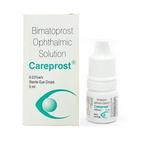
These drops gained immense popularity, demonstrating an incredibly fast and always noticeable result since its application. This innovative means will allow you to give your eyelashes an ideal look, strength and health, in whatever serious condition they are before the moment of its application. It is safe and effective providing amazing results.
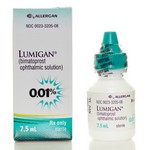
This means is prescribed to reduce eye pressure. Its active ingredient is synthetic prostaglandin bimatoprost – an unsaturated fatty acid, similar in its properties to hormones. Getting into the eye, drops help maintain the balance of the flow and outflow of eye fluid. It is a violation of this balance that leads to an increase in pressure, due to which the blood supply to the eye is impaired and the load on the optic nerve increases.

Bimatoprost reduces IOP in humans by increasing the outflow of aqueous humor through the trabecular meshwork and uveoscleral outflow. IOP reduction begins about 4 hours after the first use. The maximum effect is achieved after about 8–12 hours. The effect lasts for at least 24 hours.
Can I use Visine on pink eye?
When dealing with pink eye, it’s important to understand the best treatment options available. One common question that arises is whether or not Visine, a popular over-the-counter eye drop brand, can be used to treat pink eye.
Visine is primarily used as a “redness reliever” and is not specifically designed to treat the underlying causes of pink eye. Pink eye, also known as conjunctivitis, can be caused by bacterial or viral infections, as well as allergies. It typically presents with symptoms such as redness, itching, irritation, and discharge.
While Visine may temporarily alleviate redness, it does not address the underlying cause of pink eye. In fact, using Visine on pink eye can potentially worsen the condition by masking the symptoms and delaying appropriate treatment.
It’s important to consult with a healthcare professional if you suspect you have pink eye. They will be able to properly diagnose the cause of your pink eye and recommend the appropriate treatment plan. Depending on the cause of your pink eye, your healthcare professional may prescribe medicated eye drops that specifically target the infection or inflammation.
In general, it is recommended to avoid using over-the-counter eye drops, such as Visine, without proper guidance from a healthcare professional when dealing with pink eye. These eye drops may not provide the necessary relief or address the underlying cause of the condition.
It’s always best to seek professional medical advice to ensure proper diagnosis and treatment. Ignoring or self-treating pink eye with products like Visine may lead to prolonged discomfort and potential complications.
Can I use vusion on pink eye?
Vusion is a medication that is commonly used for the treatment of diaper rash in infants. It contains a combination of three active ingredients: miconazole nitrate, zinc oxide, and petroleum jelly. However, it is important to note that Vusion is not approved by the FDA for the treatment of pink eye, also known as conjunctivitis.
Pink eye is typically caused by a bacterial or viral infection, or sometimes by allergies. While Vusion may have antimicrobial properties due to the miconazole nitrate component, it is not formulated and tested for ophthalmic use. Therefore, it is not recommended to use Vusion on pink eye.
Using the wrong medication on pink eye can potentially worsen the condition or cause further complications. It is important to follow the advice of a healthcare professional and use medications that are specifically designed and approved for the treatment of pink eye.
If you or your child is suffering from pink eye, it is best to consult a healthcare professional for appropriate treatment. They may prescribe antibiotic eye drops or ointments to help clear the infection and relieve symptoms. It is important to use these medications as directed and complete the full course of treatment to ensure the infection is completely eradicated.
In addition to medication, there are several other measures you can take to alleviate the symptoms of pink eye. These include:
- Applying a warm compress to the affected eye
- Avoiding touching or rubbing the eyes
- Washing hands frequently and avoiding sharing personal items
- Using artificial tears or lubricating eye drops to relieve dryness and irritation
- Keeping the eyes clean by gently wiping away any discharge with a clean, damp cloth
Remember, it is always best to consult a healthcare professional for a proper diagnosis and treatment plan for pink eye. They can provide personalized advice and ensure that you are using the appropriate medications and taking the necessary steps to promote healing and prevent the spread of infection.
Consultation with a healthcare professional
When it comes to your eye health, it’s always important to seek advice from a healthcare professional. If you are experiencing symptoms of pink eye or allergies, it’s recommended that you schedule an appointment with an optometrist or ophthalmologist.
A healthcare professional will be able to examine your eyes and determine whether you have pink eye or are suffering from allergies. They will also be able to provide you with the most appropriate treatment options based on your diagnosis.
During the consultation, it’s important to provide your healthcare professional with a thorough medical history, including any past eye conditions or allergies you may have. This information will help them in making an accurate diagnosis and determining the best course of treatment.
It’s vital to follow the advice and recommendations of your healthcare professional when it comes to treating pink eye or allergies. They may prescribe eye drops or other medications to help alleviate your symptoms and promote healing.
If you have allergies, your healthcare professional may also provide guidance on managing your condition to reduce symptoms in the future. This may include avoiding allergens, such as pollen or pet dander, and taking preventive measures.
Remember, self-diagnosis and self-medication can be risky when it comes to eye conditions. It’s always best to consult with a healthcare professional who has the expertise and knowledge to provide you with the most appropriate care.
For more information on pink eye and allergies, you can visit reliable sources such as the American Academy of Ophthalmology (www.aao.org/eye-health) or the American College of Allergy, Asthma, and Immunology (www.acaai.org).
Remember, seeking professional advice is the best way to ensure optimal eye health and to receive the right treatment for your condition.
Conclusion: Seeking appropriate treatment for pink eye and allergies
When it comes to pink eye and allergies, it is important to seek appropriate treatment to alleviate symptoms and prevent any complications. Here are some key takeaways:
- Understand the difference between pink eye and allergies. Pink eye, also known as conjunctivitis, is an inflammation of the conjunctiva caused by either a viral or bacterial infection, while allergies are caused by the body’s overreaction to allergens such as pollen, dust, or pet dander.
- Consult with a healthcare professional to accurately diagnose the cause of your symptoms. They will be able to determine whether you have pink eye or allergies and prescribe the appropriate treatment.
- Eye drops play a crucial role in treating both pink eye and allergies. For pink eye caused by a bacterial infection, antibiotic eye drops are usually prescribed. For allergic conjunctivitis, antihistamine eye drops can help relieve symptoms.
- Using pink eye drops for allergies is not recommended. While there are some over-the-counter eye drops that are marketed for pink eye relief, they may not be effective in treating allergic conjunctivitis. It is best to use eye drops specifically designed for allergies.
- Avoid using Visine on pink eye. Visine is a popular brand of eye drops, but it is not specifically formulated to treat pink eye or allergies. It is best to use eye drops recommended by a healthcare professional.
- Similarly, Vusion is not suitable for treating pink eye. Vusion is a medication that combines an antibiotic, antifungal, and corticosteroid, and it is typically used for treating diaper rash. It is not intended for use on the eyes.
- Seek consultation with a healthcare professional to receive the proper diagnosis and treatment for your specific condition. They will be able to provide personalized advice and prescribe medication or eye drops suitable for your needs.
Lastly, it is important to note that this article is for informational purposes only and does not replace professional medical advice. If you are experiencing severe symptoms, it is always recommended to seek immediate medical attention.
Sources:
Mayo Clinic – Conjunctivitis
American Academy of Ophthalmology – Pink Eye (Conjunctivitis)
American Academy of Allergy, Asthma & Immunology – Allergic Rhinitis