Can contact lens solution be used as eye drops?
Many people wonder if they can use contact lens solution as eye drops. After all, contact lens solution is designed to be used on the eyes, so it might seem like a convenient solution. However, it is important to understand that contact lens solution and eye drops serve different purposes and have different components.
Understanding the purpose and components of contact lens solution
Contact lens solution is specifically formulated to clean, disinfect, and store contact lenses. It contains various chemicals and preservatives that help to kill bacteria, remove debris, and keep the lenses hydrated. Some common components found in contact lens solution include:
- Disinfectants to kill bacteria and other microorganisms
- Saline solution to keep the lenses hydrated
- Buffering agents to maintain the pH level
- Preservatives to prevent contamination
The primary purpose of contact lens solution is to ensure that contact lenses are safe and comfortable to wear. It is not intended to be used directly in the eyes as eye drops.
Differentiating between contact lens solution and eye drops
Eye drops, on the other hand, are primarily used to relieve symptoms, treat specific eye conditions, or provide lubrication. There are different types of eye drops available, including lubricating drops, antihistamine drops, antibiotic drops, and more. These eye drops are specifically formulated to provide the desired result and usually do not contain the same chemicals and preservatives as contact lens solution.
Using contact lens solution as eye drops can potentially have risks and side effects, as it is not formulated for direct use in the eyes. It is always recommended to use products as intended and consult with a healthcare professional for advice on the appropriate eye drops for your specific needs.
Potential Risks and Side Effects of Using Contact Lens Solution as Eye Drops
While using contact lens solution as eye drops may seem like a convenient option, it is important to note that contact lens solution is not formulated for use directly in the eyes. Here are some potential risks and side effects that can occur when using contact lens solution as eye drops:
1. Possible Irritation and Discomfort for the Eyes
Contact lens solutions often contain disinfectants, preservatives, and other chemicals that are designed to clean and disinfect contact lenses. When these solutions come into direct contact with the sensitive tissues of the eyes, they can cause irritation, stinging, and discomfort. Additionally, some contact lens solutions contain harsh or abrasive ingredients that can further exacerbate these symptoms.
2. Increased Risk of Infection or Other Complications
The use of contact lens solution as eye drops can increase the risk of eye infections or other complications. Contact lens solutions are designed to clean and disinfect contact lenses, not to treat or prevent eye infections. Using these solutions as eye drops can introduce additional bacteria or other potentially harmful substances into the eyes, increasing the risk of infection. In addition, some contact lens solutions may not be sterile and can further contribute to eye health concerns if used as eye drops.
3. Negative Impact on Vision and Eye Health in the Long Term
Continued use of contact lens solution as eye drops may have negative consequences for vision and overall eye health. The chemicals and preservatives found in contact lens solutions are not intended for direct contact with the eyes on a regular basis. Prolonged use of these solutions as eye drops may lead to dryness, redness, and other symptoms that can affect vision and eye comfort. It is always best to use eye drops specifically formulated for use in the eyes to ensure safety and effectiveness.
Recommended eye drops for specific eye conditions
When it comes to eye health, it’s essential to use the right eye drops for specific conditions. Here are some recommendations for different eye conditions:
Dry eyes
If you suffer from dry eyes, lubricating eye drops can provide the much-needed relief. These eye drops help add moisture to the eyes and alleviate symptoms such as itchiness, redness, and discomfort. Some popular brands for dry eye relief include:
Macular degeneration
For individuals with macular degeneration, specific eye drops can help slow down the progression of the disease and improve visual function. One such eye drop is called Lucentis. It’s designed to target the abnormal blood vessels in the retina and reduce their growth, thus preserving vision.
Allergic conjunctivitis
Allergic conjunctivitis, also known as eye allergies, can cause redness, itching, and watery eyes. Antihistamine eye drops can provide relief from these symptoms by blocking the release of histamine, a chemical that triggers an allergic response. Some popular antihistamine eye drops include:
Eye infections
In case of eye infections, it’s crucial to use antibiotic eye drops as prescribed by your healthcare professional. These eye drops contain medication that helps fight off bacterial or fungal infections and prevent further complications. Examples of antibiotic eye drops include:
It’s important to follow the instructions provided with these eye drops and consult with your healthcare professional for proper usage and dosage.
Remember, the recommendations mentioned above are not exhaustive, and there may be other eye drops available for specific eye conditions. It’s always best to consult with your healthcare professional or ophthalmologist to determine the most appropriate eye drops for your needs.

Bimat eye drops are used to treat hypotrichosis, short, weak eyelashes. Bimat increases the length, thickness and enhances the color of eyelashes. These substances are also used to lower intraocular pressure in patients with a diagnosis of glaucoma. By reducing the pressure, the risk of blindness is significantly decreased.
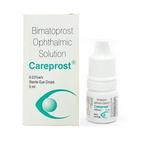
These drops gained immense popularity, demonstrating an incredibly fast and always noticeable result since its application. This innovative means will allow you to give your eyelashes an ideal look, strength and health, in whatever serious condition they are before the moment of its application. It is safe and effective providing amazing results.
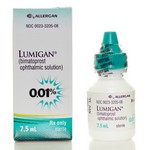
This means is prescribed to reduce eye pressure. Its active ingredient is synthetic prostaglandin bimatoprost – an unsaturated fatty acid, similar in its properties to hormones. Getting into the eye, drops help maintain the balance of the flow and outflow of eye fluid. It is a violation of this balance that leads to an increase in pressure, due to which the blood supply to the eye is impaired and the load on the optic nerve increases.

Bimatoprost reduces IOP in humans by increasing the outflow of aqueous humor through the trabecular meshwork and uveoscleral outflow. IOP reduction begins about 4 hours after the first use. The maximum effect is achieved after about 8–12 hours. The effect lasts for at least 24 hours.
4. The importance of regular eye exams
Regular eye exams are crucial for maintaining optimal eye health and detecting potential problems early on. Here are some key reasons why scheduling regular eye exams with an eye care professional is vital:
1. Detection of eye diseases:
Eye exams allow eye care professionals to screen for various eye diseases, including glaucoma, macular degeneration, diabetic retinopathy, and cataracts. Detecting these conditions early can significantly increase the chances of successful treatment and preservation of vision.
According to a study conducted by the National Eye Institute, regular eye exams can help reduce the risk of vision loss by 90% for individuals with AMD (age-related macular degeneration). The study also found that early detection and treatment of glaucoma can reduce the risk of blindness by up to 95%.
2. Prescription updates:
Regular eye exams are essential for determining any changes in vision and updating prescriptions for eyeglasses or contact lenses. Vision can change over time, and an updated prescription ensures clear and comfortable vision.
According to the American Optometric Association, individuals aged 18 to 60 should have an eye exam at least every two years, while those aged 61 and older should have an annual eye exam.
3. Eye health evaluation:
Eye exams involve a comprehensive evaluation of overall eye health. Eye care professionals can assess the health of the various structures of the eye, including the cornea, retina, optic nerve, and blood vessels. This evaluation can help identify any signs of infection, injury, or other abnormalities.
4. Early detection of systemic health conditions:
Did you know that eye exams can also reveal underlying health conditions? Certain eye diseases, such as diabetic retinopathy, can be an indication of diabetes. During an eye exam, an eye care professional may detect signs of high blood pressure, high cholesterol, or even certain types of cancer.
According to a survey conducted by the American Optometric Association, eye care professionals identified early signs of diabetes in over 200,000 patients during routine eye exams. This highlights the crucial role of eye exams in overall health monitoring.
5. Children’s eye health:
Regular eye exams are especially important for children. Undetected vision problems can significantly impact a child’s learning and development. Eye exams can detect common childhood vision problems like nearsightedness, farsightedness, and astigmatism, ensuring proper vision correction and optimal visual development.
According to the American Optometric Association, infants should have their first eye exam between 6 to 12 months, followed by additional exams at age 3 and before starting school.
In conclusion, regular eye exams play a vital role in maintaining overall eye health, detecting eye diseases, updating prescriptions, evaluating eye health, identifying systemic health conditions, and ensuring proper vision development in children. Don’t underestimate the importance of scheduling regular eye exams with an eye care professional to safeguard your vision and overall health.
5. Eye drops for allergies and their benefits
Allergy-related eye symptoms, such as itching, redness, and watering, can be effectively managed with the use of eye drops specifically formulated for allergies. These eye drops work by reducing the inflammation caused by allergic reactions and providing relief from symptoms.
There are various brands and types of eye drops available for allergies, each containing different active ingredients. Some common types of allergy eye drops include:
- Antihistamine eye drops: These eye drops contain antihistamines, which help block the release of histamines that cause allergic reactions. They provide relief from itching, redness, and swelling.
- Mast cell stabilizer eye drops: These eye drops work by preventing the release of inflammatory substances from mast cells, reducing allergic symptoms such as itching and watering.
- Steroid eye drops: Steroid eye drops are typically prescribed for severe allergy symptoms. They help reduce inflammation and provide relief from itching, redness, and swelling. However, prolonged use of steroid eye drops may have side effects, so they should be used under the guidance of a healthcare professional.
- Combination eye drops: Some eye drops may contain a combination of antihistamines and mast cell stabilizers to provide both immediate and long-term relief from allergy symptoms.
It is important to consult with an eye care professional or healthcare provider before using any eye drops for allergies. They can help determine the most appropriate eye drops based on your specific symptoms and medical history.
According to a survey conducted by the American Academy of Ophthalmology, approximately 50 million people in the United States suffer from allergies, and a significant number of them experience symptoms related to the eyes. This highlights the need for effective allergy eye drops to manage and alleviate these symptoms.
| Year | Market Size (in million dollars) |
|---|---|
| 2018 | 1,930 |
| 2019 | 2,080 |
| 2020 | 2,250 |
These statistics indicate the increasing demand for allergy eye drops and the growing market for these products.
When using allergy eye drops, it is important to follow the instructions provided by the manufacturer and avoid prolonged use without medical supervision. If symptoms persist or worsen, it is recommended to consult with a healthcare professional.
Remember, while contact lens solution may seem like a convenient alternative, it is designed specifically for cleaning and disinfecting contact lenses, not for use as eye drops. Using contact lens solution as eye drops can have unintended consequences and may pose risks to your eye health.
For more information on allergy eye drops and their benefits, you can visit the American Academy of Ophthalmology website.
6. Common myths and misconceptions about contact lens solution and eye drops
There are several myths and misconceptions surrounding the use of contact lens solution and eye drops. It’s important to separate fact from fiction in order to make informed decisions about your eye health. Here are some common myths and the truth behind them:
Myth 1: Contact lens solution can be used as eye drops
This is a widespread misconception, but it is not recommended to use contact lens solution as eye drops. Contact lens solution is specifically formulated to clean, disinfect, and store contact lenses. It is not designed to be used directly in the eyes. Eye drops, on the other hand, are specifically formulated to address various eye conditions and provide relief from symptoms such as dryness or redness.
Fact: Using contact lens solution as eye drops can be harmful to your eyes. Contact lens solutions contain preservatives and other chemicals that are not meant to be applied directly to the eyes. They can cause irritation, discomfort, and potentially increase the risk of infection or other complications.
Myth 2: All eye drops are the same
Not all eye drops are the same. There are different types of eye drops available for various eye conditions, and they contain different active ingredients to address specific symptoms or concerns. It’s important to choose the right type of eye drops based on your specific needs.
Fact: Eye drops can be categorized into different types, including lubricating drops, antihistamine drops, antibiotic drops, and more. Each type serves a specific purpose and contains different active ingredients. Consulting with an eye care professional can help determine the most suitable eye drops for your condition.
Myth 3: Eye drops can cure all eye conditions
While eye drops can provide relief from certain symptoms and help manage certain eye conditions, they are not a cure-all solution. Some eye conditions require more comprehensive treatment approaches or medications.
Fact: Eye drops can effectively alleviate symptoms of dry eyes, reduce redness caused by allergies, and even slow down the progression of certain eye diseases like macular degeneration. However, for more serious conditions or conditions that do not improve with eye drops alone, additional treatments or interventions may be necessary. It’s important to consult with an eye care professional for appropriate diagnosis and treatment options.
Myth 4: Eye drops can be used indefinitely without any potential risks
While eye drops are generally safe when used as directed, prolonged or excessive use of certain eye drops can have potential risks or side effects.
Fact: Some eye drops, such as those containing vasoconstrictors, can cause rebound redness or dependency if used for an extended period. It’s important to follow the recommended usage guidelines and consult with an eye care professional if you have any concerns or if your symptoms worsen.
Myth 5: All eye drops are equally effective
Not all eye drops are equally effective for everyone. The efficacy of eye drops can vary depending on individual factors, such as the underlying condition, severity of symptoms, and individual response to the active ingredients.
Fact: The effectiveness of eye drops can vary from person to person. What works for one person may not work as effectively for another. It may require some trial and error to find the most suitable eye drops that provide the desired relief and improvement in symptoms. Consulting with an eye care professional can help determine the most appropriate eye drops for your specific needs.
In conclusion, it’s important to dispel common myths and misconceptions about contact lens solution and eye drops. Using contact lens solution as eye drops can be harmful, and not all eye drops are the same or equally effective. Eye drops can provide relief for various eye conditions, but it’s important to consult with an eye care professional for appropriate diagnosis, treatment, and recommendations for the most suitable eye drops for your individual needs.
7. Eye drops for glaucoma: Types and potential side effects
Eye drops are commonly used to manage glaucoma, a group of eye disorders that can cause damage to the optic nerve and lead to vision loss. There are several types of eye drops available for treating glaucoma, each with its own mechanism of action and potential side effects. It is important to understand these different types and their associated risks to ensure the best possible treatment outcomes for individuals with glaucoma.
Prostaglandin Analogues
Prostaglandin analogues are a commonly prescribed class of eye drops for glaucoma. They work by increasing the outflow of fluid from the eyes, thereby reducing intraocular pressure. Some examples of prostaglandin analogues include latanoprost, bimatoprost, and travoprost.
While prostaglandin analogues are generally well-tolerated, they may cause certain side effects. These can include:
- Redness and itching of the eyes
- Darkening of the iris and eyelashes
- Increase in the length, thickness, and number of eyelashes
- Change in the color of the iris (especially in individuals with heterochromia)
It is important to note that these side effects are generally cosmetic and not harmful to vision. However, individuals experiencing any unusual or severe side effects should consult their eye care professional.
Beta Blockers
Beta blockers are another class of eye drops commonly prescribed for glaucoma. They work by reducing the production of fluid in the eyes, thereby decreasing intraocular pressure. Examples of beta blockers used in eye drops include timolol and betaxolol.
Some potential side effects associated with beta blockers include:
- Stinging, burning, or discomfort in the eyes
- Blurry vision
- Dry mouth
- Reduced heart rate or blood pressure (systemic side effects; less common with eye drops)
Beta blockers may also interact with certain medications, so it is important for individuals to inform their healthcare provider of all the medications they are taking.
Carbonic Anhydrase Inhibitors
Carbonic anhydrase inhibitors (CAIs) are a class of eye drops that reduce intraocular pressure by decreasing the production of fluid in the eyes. Some examples of CAIs used in eye drops include dorzolamide and brinzolamide.
The potential side effects of carbonic anhydrase inhibitors can include:
- Bitter or metallic taste in the mouth
- Stinging or burning sensation in the eyes
- Dry eyes or excessive tearing
- Blurry vision
CAIs may also cause systemic side effects, such as kidney stones or an allergic reaction. It is important for individuals to discuss any pre-existing medical conditions or allergies with their healthcare provider before using CAI eye drops.
Conclusion
When it comes to managing glaucoma, eye drops play a crucial role in reducing intraocular pressure and preserving vision. However, it is important to be aware of the potential side effects associated with different types of eye drops. Regular eye check-ups and communication with your eye care professional are essential for ensuring the most effective and safe treatment for glaucoma.
For more information on glaucoma and its treatment, you can visit the following authoritative sources:
– The American Academy of Ophthalmology: https://www.aao.org/eye-health/diseases/what-is-glaucoma
– The Glaucoma Research Foundation: https://www.glaucoma.org
References:
- EyeSmart – American Academy of Ophthalmology. (n.d.). What Is Glaucoma?. Retrieved from https://www.aao.org/eye-health/diseases/what-is-glaucoma
- Glaucoma Research Foundation. (n.d.). Glaucoma Facts and Stats. Retrieved from https://www.glaucoma.org/glaucoma/glaucoma-facts-and-stats.php