Importance of Vitamin A for Eye Health
Vitamin A plays a crucial role in maintaining healthy eyes and optimal vision. It is a fat-soluble vitamin that is essential for various eye functions and is particularly known for its role in promoting good night vision.
Vitamin A Deficiency and Eye Conditions
Insufficient intake of Vitamin A can lead to a range of eye conditions and vision problems. The most common and well-known condition associated with Vitamin A deficiency is night blindness, where individuals struggle to see in low light conditions or at night. However, Vitamin A deficiency can also lead to the following eye conditions:
- Corneal ulcers: Vitamin A deficiency can weaken the cornea, making it more susceptible to ulcers.
- Dry eyes: Vitamin A helps in the production of tears, and its deficiency can result in dryness and discomfort.
- Xerophthalmia: This is a severe eye condition characterized by dryness, corneal ulcers, and even blindness, commonly caused by severe Vitamin A deficiency.
- Retinal damage: Vitamin A is essential for maintaining the health of the retina, and its deficiency can lead to retinal damage and vision loss.
Including Vitamin A in Your Diet
In order to support eye health, it is important to include Vitamin A in your diet. Good food sources of Vitamin A include:
- Carrots
- Sweet potatoes
- Spinach
- Kale
- Mangoes
- Pumpkin
It is also worth noting that Vitamin A can be obtained from animal sources such as liver, eggs, and dairy products.
Supplementation for Eye Health
In some cases, individuals may need to supplement their diet with Vitamin A to ensure adequate intake for optimal eye health. Before considering Vitamin A supplementation, it is important to consult with a healthcare professional. They can assess your specific needs and recommend the appropriate dosage.
It is crucial to choose a reputable brand of Vitamin A supplements to ensure quality and potency. Look for certifications and third-party testing to ensure the product meets safety and quality standards.
In conclusion, Vitamin A is an essential nutrient for maintaining healthy eyes and optimal vision. Including Vitamin A-rich foods in your diet and considering supplementation when necessary can help support eye health and reduce the risk of various eye conditions and vision problems.
Understanding Over-the-Counter Eye Drops for Shingles
Shingles is a viral infection caused by the varicella-zoster virus, the same virus that causes chickenpox. While shingles often affects the skin and nerves, it can also affect the eyes, leading to a condition known as ophthalmic herpes zoster.
Symptoms and Complications of Shingles Affecting the Eyes
When shingles affects the eyes, it can cause various symptoms, including:
- Pain or discomfort in and around the eye
- Redness and inflammation of the eye
- Blurred or decreased vision
- Watery eyes
- Sensitivity to light
- Formation of a rash on the eyelids or around the eye
If left untreated, shingles in the eye can lead to complications such as:
- Corneal ulcers
- Increased risk of secondary eye infections
- Scarring of the cornea
- Glaucoma
- Cataracts
The Role of Over-the-Counter Eye Drops
Over-the-counter eye drops can help alleviate the discomfort and manage the symptoms of shingles in the eye. These eye drops typically contain ingredients that provide relief from pain, reduce inflammation, and soothe the eye.
Some popular over-the-counter eye drops for shingles include:
- Visine Advanced Relief: This eye drop contains active ingredients that provide relief from redness, dryness, and irritation.
- TheraTears Eye Drops: These drops are specially formulated to relieve dryness and provide long-lasting lubrication for the eyes.
- Bausch + Lomb Soothe Lubricant Eye Drops: These drops provide temporary relief from dryness, burning, and irritation due to shingles in the eye.
It is important to choose reputable and trusted brands when using over-the-counter eye drops for shingles. Consult with a healthcare professional or pharmacist for recommendations based on your specific needs and symptoms.
Remember, while over-the-counter eye drops can provide temporary relief, it is crucial to seek medical attention for shingles affecting the eyes. A healthcare professional can prescribe antiviral medications and provide appropriate treatment to prevent complications and promote healing.
Recommended Name Brands for Eye Drops
When it comes to choosing eye drops, it is important to opt for trusted and reliable brands that are known for their effectiveness and safety. Here are some name brands that are highly recommended by eye care professionals:
- Refresh Tears – Refresh Tears is a popular brand that offers lubricating eye drops to relieve dryness and discomfort. These drops are designed to provide long-lasting relief and are suitable for individuals with sensitive eyes.
- Systane Ultra – Systane Ultra is another well-known brand that offers a range of eye drops for dry eyes. These drops provide immediate relief and help to stabilize the tear film, reducing dryness and irritation.
- Bausch + Lomb – Bausch + Lomb is a trusted name in eye care and offers a variety of eye drops for different eye conditions. Their products include lubricating drops, redness relievers, and allergy relief solutions.
- Rhoto – Rhoto is a lesser-known brand but is highly regarded for its cooling eye drops. These drops provide instant relief for redness, irritation, and dryness, leaving the eyes feeling refreshed and revitalized.
It’s important to note that while these brands are recommended, individual results may vary. It’s always a good idea to consult with an eye care professional to determine which brand and type of eye drops are most suitable for your specific needs.

Bimat eye drops are used to treat hypotrichosis, short, weak eyelashes. Bimat increases the length, thickness and enhances the color of eyelashes. These substances are also used to lower intraocular pressure in patients with a diagnosis of glaucoma. By reducing the pressure, the risk of blindness is significantly decreased.
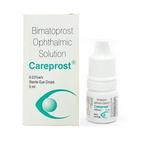
These drops gained immense popularity, demonstrating an incredibly fast and always noticeable result since its application. This innovative means will allow you to give your eyelashes an ideal look, strength and health, in whatever serious condition they are before the moment of its application. It is safe and effective providing amazing results.
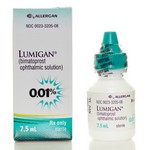
This means is prescribed to reduce eye pressure. Its active ingredient is synthetic prostaglandin bimatoprost – an unsaturated fatty acid, similar in its properties to hormones. Getting into the eye, drops help maintain the balance of the flow and outflow of eye fluid. It is a violation of this balance that leads to an increase in pressure, due to which the blood supply to the eye is impaired and the load on the optic nerve increases.

Bimatoprost reduces IOP in humans by increasing the outflow of aqueous humor through the trabecular meshwork and uveoscleral outflow. IOP reduction begins about 4 hours after the first use. The maximum effect is achieved after about 8–12 hours. The effect lasts for at least 24 hours.
Benefits and Usage of Oftan Catachrom Eye Drops
Oftan Catachrom eye drops are a popular choice for promoting and maintaining excellent eye health. These eye drops offer numerous benefits and can be used for various eye conditions. Here, we will discuss the key advantages of Oftan Catachrom and how to use them effectively.
Benefits of Oftan Catachrom Eye Drops
Oftan Catachrom eye drops contain a combination of several essential ingredients that contribute to the overall health of your eyes. These ingredients include vitamin A, vitamin E, zinc, and copper. Let’s explore the benefits of each ingredient:
- Vitamin A: Vitamin A is crucial for maintaining good vision and preventing night blindness. It also helps moisturize the eyes, reducing dryness and discomfort.
- Vitamin E: Vitamin E is known for its antioxidant properties, which help protect the eyes from oxidative stress caused by free radicals. It also supports overall eye health.
- Zinc: Zinc plays a vital role in the production of melanin, a pigment that protects the eyes from harmful ultraviolet (UV) rays. It also helps enhance night vision and delay the progression of age-related macular degeneration (AMD).
- Copper: Copper works together with zinc to maintain healthy pigmentation in the eyes, ensuring optimal eye coloration.
By combining these essential ingredients, Oftan Catachrom eye drops provide comprehensive support for various eye conditions and help improve overall eye health.
Usage of Oftan Catachrom Eye Drops
Using Oftan Catachrom eye drops is simple and straightforward. Here are the steps to follow:
- Start by washing your hands thoroughly to ensure cleanliness.
- If you wear contact lenses, remove them before applying the eye drops.
- Tilt your head back slightly and pull down your lower eyelid gently to create a small pocket.
- Squeeze the bottle to release one or two drops into the pocket formed by your lower eyelid. Avoid touching your eye or eyelashes with the dropper tip to prevent contamination.
- Carefully close your eyes and keep them closed for a minute to allow the eye drops to spread evenly across the surface of your eyes.
- If necessary, repeat the process for the other eye.
- Afterward, make sure to securely close the cap of the eye drop bottle to prevent any contamination or evaporation of the solution.
It is essential to follow the instructions provided on the packaging or consult your eye care professional for specific dosage and usage recommendations based on your individual needs.
When used as directed, Oftan Catachrom eye drops can effectively provide the benefits of its essential ingredients and promote better eye health.
Understanding Near-Sightedness (Myopia)
Near-sightedness, also known as myopia, is a common vision problem that affects a significant portion of the population. It is characterized by the inability to see distant objects clearly, while close objects appear clear. This condition occurs when the eyeball is too long or the cornea is too curved, causing light to focus in front of the retina instead of directly on it.
Myopia can develop during childhood and progress into adulthood, often stabilizing in the early 20s. It is primarily influenced by a combination of genetic and environmental factors. The prevalence of myopia is increasing worldwide, with studies indicating that up to 80% of young adults in some Asian countries are affected.
Symptoms and Impact
Individuals with myopia may experience the following symptoms:
- Blurry vision when looking at distant objects
- Eyestrain and fatigue
- Headaches
- Squinting or difficulty seeing while driving or playing sports
Myopia can have a significant impact on an individual’s quality of life. It can affect academic and professional performance, as well as engagement in activities that require clear distance vision.
Managing Myopia
Managing near-sightedness involves a combination of corrective measures and lifestyle changes. Options for correcting myopia include glasses, contact lenses, and refractive surgery. Glasses and contact lenses provide clear distance vision by compensating for the refractive error. Refractive surgery, such as LASIK or PRK, reshapes the cornea to correct the vision.
In recent years, there has been a growing interest in controlling the progression of myopia, especially in children. Various methods have been studied, such as orthokeratology (wearing specialized contact lenses overnight), multifocal contact lenses, and pharmaceutical treatments like atropine eye drops. These methods aim to slow down or halt the progression of myopia, reducing the need for stronger prescriptions over time.
Prevention and Eye Health
While myopia can be managed, prevention is crucial. Spending more time outdoors and less time engaging in near-work activities, such as reading or using electronic devices, has been associated with a lower risk of myopia development. Additionally, maintaining a healthy diet rich in essential nutrients, such as Vitamin A, can support overall eye health.
By understanding myopia and adopting healthy lifestyle habits, individuals can take proactive steps to protect their vision and reduce the impact of near-sightedness on their daily lives.
6. Eye Care Tips for Computer Users
Many people spend hours each day staring at computer screens, which can strain the eyes and lead to various vision problems. Here are some eye care tips for computer users:
- Take Regular Breaks: While working on the computer, it’s important to take regular breaks. Experts recommend the 20-20-20 rule, where every 20 minutes, you look away from the screen and focus on an object around 20 feet away for about 20 seconds. This can help reduce eye strain and fatigue.
- Adjust Your Screen and Lighting: Position your computer screen at eye level or slightly below to reduce the strain on your eyes. Adjust the brightness and contrast of your screen to a comfortable level. Avoid glare by using an anti-glare screen protector or positioning your screen away from windows or bright lights.
- Blink Frequently: When using a computer, people tend to blink less often, which can lead to dry eyes. Make a conscious effort to blink frequently to keep your eyes moist and prevent dryness and irritation.
- Use Proper Lighting: Ensure that the lighting in the room is adequate. Avoid working in dim or excessively bright areas, as this can cause eye strain. Use task lighting or a desk lamp to provide adequate lighting for your work area.
- Use the 20-20-20 Eye Exercise: In addition to taking regular breaks, you can also perform the 20-20-20 eye exercise. This involves looking at an object 20 feet away for 20 seconds every 20 minutes. This exercise helps relax the eye muscles and reduce eye strain.
- Adjust Monitor Settings: Adjust the size and font of text on your computer screen to ensure it is comfortable to read. Avoid tiny or blurry fonts that require squinting and strain the eyes. Increase the text size if necessary.
- Keep Your Eyes Moist: Use lubricating eye drops to keep your eyes moist and reduce dryness. Look for eye drops specifically designed for computer users, as they often provide extra relief for dryness caused by prolonged screen time.
- Follow the 20-20-8 Rule: To minimize eye strain, follow the 20-20-8 rule. Every 20 minutes, take a 20-second break and focus on something at least 8 feet away. This helps relax the eyes and reduces fatigue.
- Visit an Eye Care Professional: Regular eye exams are crucial for maintaining good eye health. Visit an eye care professional to get your eyes checked and receive guidance on any specific issues related to computer use.
By following these eye care tips, computer users can reduce the risk of eye strain, dryness, and other vision problems associated with prolonged screen time. It’s important to prioritize eye health to ensure long-term visual well-being.
Understanding Near-Sightedness (Myopia)
Myopia, commonly known as near-sightedness, is a common vision problem that affects a significant portion of the population. It is characterized by the inability to clearly see distant objects while having clear vision of objects up close. This condition occurs when the eyeball is longer than normal or when the cornea is steeply curved, causing light rays to focus in front of the retina instead of directly on it.
Near-sightedness can develop at any age, but it typically begins in childhood and progress during the teenage years. Genetics and family history play a significant role in the development of myopia, and certain environmental factors such as excessive near work and limited outdoor activities have also been linked to its occurrence.
The prevalence of myopia has been on the rise in recent years, with studies showing that it affects around 30% of the global population. In some East Asian countries, the prevalence is even higher, with rates reaching over 80% in young adults. This increasing trend has raised concerns about the potential long-term effects of myopia, as it is associated with a higher risk of developing eye conditions such as glaucoma, cataracts, and retinal detachment later in life.
To manage near-sightedness, various vision correction options are available. The most common method is the use of corrective lenses, such as glasses or contact lenses, which help to adjust the way light enters the eye, allowing for clearer distance vision. Another option is refractive surgery, such as LASIK or PRK, which reshapes the cornea to correct the focusing power of the eye.
Prevention and early intervention are crucial in managing near-sightedness. Encouraging children to spend more time outdoors and limit near work activities, such as reading or using electronic devices, can help reduce the risk of developing myopia. Regular eye exams are also important for early detection and appropriate management of myopia.
In conclusion, near-sightedness or myopia is a common vision problem that affects a significant number of people worldwide. Understanding its causes, risk factors, and management options is essential for maintaining good eye health and preventing potential complications. By taking proactive measures and seeking timely treatment, individuals with near-sightedness can continue to enjoy clear and comfortable vision.