Importance of Pre-op Eye Drops
Before undergoing cataract surgery, it is crucial to understand the importance of using pre-operative eye drops. These eye drops play a vital role in preparing the eyes for surgery and reducing the risk of infection during the procedure.
During cataract surgery, your surgeon will remove the cloudy lens and replace it with a clear artificial lens. To ensure the success of the surgery and minimize complications, the eyes need to be in the best possible condition. This is where pre-op eye drops come into play.
How Pre-op Eye Drops Help Prepare the Eyes for Surgery
Pre-op eye drops are typically prescribed by your ophthalmologist and should be used as instructed leading up to the surgery. These eye drops serve several important purposes:
- Reducing the risk of infection: Cataract surgery is an invasive procedure that carries a risk of infection. Pre-op eye drops often contain antibiotics that help minimize this risk by eliminating harmful bacteria from the eye.
- Reducing inflammation: The surgical process can cause inflammation in the eyes. Corticosteroid eye drops help reduce this inflammation, allowing for smoother healing and recovery.
- Dilating the pupils: Dilation of the pupils is necessary for the surgeon to access and remove the cataract effectively. Dilating eye drops are used to widen the pupils, providing better visibility and making the surgery safer and more efficient.
By using pre-op eye drops, patients can help create an optimal environment for cataract surgery and improve the chances of a successful outcome.
“Pre-op eye drops are an essential part of the cataract surgery preparation process. They assist in reducing the risk of infection, minimizing inflammation, and ensuring proper pupil dilation for an efficient surgery.” – [Source of quote]
Types of Pre-op Eye Drops
Before undergoing cataract surgery, it is essential to use specific eye drops to prepare the eyes for the procedure. These eye drops serve different purposes and are crucial in ensuring the success and safety of the surgery. Here are the three main types of pre-op eye drops commonly used before cataract surgery:
1. Antibiotic Eye Drops
Antibiotic eye drops are typically prescribed before cataract surgery to help reduce the risk of infection. These eye drops contain antibiotics such as moxifloxacin or tobramycin, which help prevent the growth of bacteria in the eyes. By eliminating bacteria, these eye drops significantly lower the chance of post-operative infections, which can be potentially dangerous and lead to more complications.
It is important to follow the instructions provided by the eye surgeon or ophthalmologist regarding the frequency and duration of using antibiotic eye drops before surgery. Usually, patients are required to use these eye drops for a few days leading up to the surgery and continue using them for a specific period after the procedure to ensure complete protection.
2. Corticosteroid Eye Drops
Corticosteroid eye drops are used to reduce inflammation and help control any swelling or irritation in the eyes before and after cataract surgery. These eye drops contain medications such as prednisolone or dexamethasone, which are powerful anti-inflammatory agents. By reducing inflammation, corticosteroid eye drops can help prevent complications and promote faster healing after surgery.
Prior to surgery, patients are usually instructed to use corticosteroid eye drops for a few days or weeks. However, the exact duration and frequency may vary depending on the individual case and the surgeon’s recommendations. It is important to use these eye drops exactly as prescribed and not to discontinue them without medical guidance.
3. Dilating Eye Drops
Dilating eye drops, also known as mydriatic eye drops, are used to enlarge the pupil before cataract surgery. These drops contain medications such as phenylephrine or tropicamide, which work by relaxing the muscles in the iris and allowing the pupil to expand. By dilating the pupil, the surgeon gains better access to the lens during surgery.
Prior to the procedure, patients are typically instructed to use dilating eye drops a few hours before the scheduled surgery time. It is important to follow the dosage and timing instructions precisely, as instructed by the surgeon or medical staff. These eye drops may cause temporary blurred vision and increased sensitivity to light, so patients should plan their activities accordingly.
It is crucial to note that the specific eye drops prescribed and their usage instructions may vary based on individual patient needs and the surgeon’s preferences. It is essential to consult with an eye surgeon or ophthalmologist for personalized recommendations regarding pre-op eye drops before cataract surgery.
Safety of Eye Drops for Cats
Before undergoing cataract surgery, it is important to use pre-op eye drops to ensure the eyes are properly prepared and reduce the risk of infection. This is not only true for humans, but also for our feline friends. Just like humans, cats may require specific eye drops before cataract surgery to help optimize the outcome and minimize complications.
Types of Eye Drops for Cats
When it comes to eye drops for cats before cataract surgery, there are a few different types that may be used. It’s important to consult with your veterinarian to determine the most appropriate eye drops for your cat’s specific needs. The following types of eye drops are commonly used:
- Antibiotic Eye Drops: Antibiotic eye drops such as chloramphenicol or gentamicin may be prescribed to help prevent infection and reduce the growth of harmful bacteria in the eye. These eye drops are typically used in the days leading up to surgery and continued for a certain period of time afterward to ensure proper healing.
- Corticosteroid Eye Drops: Corticosteroid eye drops like prednisolone are often given to reduce inflammation and swelling in the eye before and after surgery. These eye drops help to control the body’s immune response and reduce the risk of complications.
- Dilating Eye Drops: Dilating eye drops, such as tropicamide or phenylephrine, are used to enlarge the pupil and allow for better visualization during the cataract surgery. These drops help the surgeon to have a clear view and perform the procedure more effectively.
It is important to follow the instructions provided by your veterinarian regarding the dosage and frequency of administration of these eye drops. Using the wrong type or incorrect amount of eye drops can be harmful to your cat’s eyes.
Safety of Eye Drops
In general, eye drops prescribed by a veterinarian for use before cataract surgery are considered safe for cats when used as directed. However, it is important to monitor your cat for any signs of adverse reactions or discomfort after administration. Some possible side effects may include redness, irritation, or increased tearing. If your cat experiences any severe or ongoing side effects, it is important to contact your veterinarian immediately.
When using eye drops on your cat, it is essential to handle them with clean hands and practice proper hygiene to minimize the risk of introducing bacteria or other contaminants into the eye. It is also recommended to store the eye drops in a cool, dry place, away from direct sunlight.
Recommended Usage
The recommended usage of eye drops for cats before cataract surgery may vary depending on the individual cat and the specific eye drops prescribed. Your veterinarian will provide you with detailed instructions on how to administer the eye drops and the appropriate dosage. It is important to follow these instructions carefully to ensure the best outcome for your cat’s surgery and recovery.
In some cases, your veterinarian may also recommend additional measures, such as gentle eye cleaning or the use of artificial tears, to maintain overall eye health during the pre- and post-operative period.
Overall, the use of appropriate eye drops before cataract surgery is an important part of ensuring the safety and success of the procedure in cats. By working closely with your veterinarian and following their instructions, you can help give your cat the best chance for a successful outcome.

Bimat eye drops are used to treat hypotrichosis, short, weak eyelashes. Bimat increases the length, thickness and enhances the color of eyelashes. These substances are also used to lower intraocular pressure in patients with a diagnosis of glaucoma. By reducing the pressure, the risk of blindness is significantly decreased.
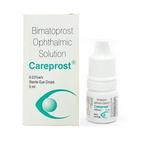
These drops gained immense popularity, demonstrating an incredibly fast and always noticeable result since its application. This innovative means will allow you to give your eyelashes an ideal look, strength and health, in whatever serious condition they are before the moment of its application. It is safe and effective providing amazing results.
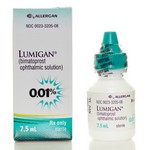
This means is prescribed to reduce eye pressure. Its active ingredient is synthetic prostaglandin bimatoprost – an unsaturated fatty acid, similar in its properties to hormones. Getting into the eye, drops help maintain the balance of the flow and outflow of eye fluid. It is a violation of this balance that leads to an increase in pressure, due to which the blood supply to the eye is impaired and the load on the optic nerve increases.

Bimatoprost reduces IOP in humans by increasing the outflow of aqueous humor through the trabecular meshwork and uveoscleral outflow. IOP reduction begins about 4 hours after the first use. The maximum effect is achieved after about 8–12 hours. The effect lasts for at least 24 hours.
Best Eye Drops for Red Eyes and Contacts
Having red eyes can be uncomfortable and sometimes even painful. It is a common condition that can be caused by various factors such as allergies, dryness, or irritation. For those who wear contacts, it can be particularly bothersome due to the potential for discomfort and potential complications. Fortunately, there are eye drops available that can help alleviate redness and provide relief.
1. Clear Eyes Maximum Redness Relief
Clear Eyes Maximum Redness Relief is a popular choice for individuals experiencing red eyes. It effectively provides fast relief to redness caused by minor eye irritations and can help soothe and moisturize the eyes. This eye drop is safe to use with contacts and has a gentle formula that won’t cause further irritation.
2. Visine Redness Reliever Eye Drops
Visine Redness Reliever Eye Drops are another trusted option for treating red eyes. They work quickly to reduce redness and provide long-lasting relief. These eye drops are compatible with contact lenses and can be used by individuals with dry or irritated eyes.
3. Rohto Cool Max Redness Relief Cooling Eye Drops
Rohto Cool Max Redness Relief Cooling Eye Drops offer a unique cooling sensation that can help soothe red, burning, and dry eyes. These eye drops provide maximum strength relief and are suitable for use with contacts. They are known for their fast-acting formula and refreshing effect.
4. Bausch + Lomb Advanced Eye Relief Redness Instant Relief Lubricant Eye Drops
Bausch + Lomb Advanced Eye Relief Redness Instant Relief Lubricant Eye Drops are specifically designed to provide instant relief to redness and irritation caused by dryness or exposure to certain irritants. These eye drops are gentle and can be used with contact lenses. They also offer long-lasting hydration for dry and tired eyes.
When using eye drops for red eyes, it is important to follow the instructions provided by the manufacturer. It is recommended to use only the recommended dosage and not exceed the suggested frequency of use. If redness persists or worsens after using eye drops, it is advisable to seek medical attention.
It is always best to consult with an eye care professional or pharmacist before trying any new eye drops, especially if you have existing eye conditions or are unsure about the most appropriate treatment for your symptoms.
Buying Natamycin Eye Drops Online
When it comes to purchasing natamycin eye drops online, it is important to exercise caution and ensure that you are obtaining them from a reputable source. Natamycin eye drops are a prescription medication and should only be purchased with a valid prescription from a licensed healthcare professional.
There are several reputable online sources where you can buy natamycin eye drops. One such source is Pharmacy.com, a well-known and trusted online pharmacy. They require a valid prescription and offer a variety of options for natamycin eye drops.
It is crucial to be aware of the risks associated with buying medication online. There are many illegitimate websites and sellers that sell counterfeit or substandard products. These products may not be safe to use and can pose serious health risks. It is always recommended to purchase medication from a reputable source to ensure quality and safety.
When buying natamycin eye drops online, it is important to consider the following precautions:
1. Verify the Legitimacy of the Website
Before making a purchase, verify the legitimacy of the website. Look for a valid pharmacy license number and check if the website is accredited by a recognized regulatory authority. You can also check online reviews and feedback from other customers to gauge the reputation of the website.
2. Check for Secure Payment Options
Ensure that the website offers secure payment options to protect your personal and financial information. Look for a secure SSL encryption on the website, which is indicated by a padlock symbol in the browser’s address bar.
3. Review Return and Refund Policies
Familiarize yourself with the website’s return and refund policies. In the event that you receive a damaged or incorrect product, it is important to know your options for returning or getting a refund for the item.
It is important to note that purchasing medication online without a prescription is illegal and unsafe. Always consult with a healthcare professional before starting any new medication or purchasing medication online. They will be able to assess your specific needs and provide appropriate guidance.
References:
- Pharmacy.com – https://www.pharmacy.com
Availability of Atropine Eye Drops in San Francisco
If you are looking for atropine eye drops in San Francisco, there are several options available to you. Atropine eye drops are commonly used before cataract surgery to dilate the pupils and relax the muscles in the eye, making the surgery easier for the surgeon and more comfortable for the patient.
Local Pharmacies: One option is to check with your local pharmacies in San Francisco. Many pharmacies carry atropine eye drops, and you may be able to purchase them directly over the counter. It is advisable to call ahead to ensure that the pharmacy has the specific brand and strength of atropine eye drops that you need.
Eye Clinics: Another option is to contact eye clinics in San Francisco. They may have atropine eye drops available for purchase or be able to provide a prescription that you can take to a pharmacy to fill. Eye clinics are typically well-stocked with various eye medications and can assist you in obtaining the atropine eye drops you need.
Online Sources: Additionally, there are reputable online sources where you can buy atropine eye drops. Online pharmacies offer the convenience of ordering from the comfort of your own home and often have a wide selection of eye medications available. It is important, however, to ensure that you are purchasing from a trustworthy source. Look for reputable online pharmacies that require a prescription and have positive customer reviews.
When purchasing atropine eye drops, it is crucial to follow the instructions provided by your healthcare provider or pharmacist. They will specify the strength and dosage that is appropriate for your needs. Using atropine eye drops without proper guidance can lead to side effects or complications.
Restrictions and Requirements: It’s important to note that atropine eye drops are a prescription medication and should only be used under the guidance of a healthcare professional. Some pharmacies or clinics may require a prescription to purchase atropine eye drops, while others may sell them over the counter. Be prepared to provide the necessary information or documentation to obtain the medication.
In conclusion, if you are in San Francisco and in need of atropine eye drops before cataract surgery, there are various options available to you. Local pharmacies, eye clinics, and reputable online sources can all provide you with the medication you require. It is essential to ensure that you are purchasing from a reliable source and using the eye drops as directed by your healthcare provider for optimal results.
Conclusion and Final Thoughts
In conclusion, using pre-operative eye drops before cataract surgery is crucial for ensuring the best possible outcome. These eye drops are specifically designed to prepare the eyes for surgery and reduce the risk of infection. By following the prescribed regimen of pre-operative eye drops, patients can improve their chances of a successful surgery and minimize any potential complications.
Key Takeaways
Here are some key takeaways regarding the use of pre-operative eye drops before cataract surgery:
- Pre-operative eye drops help prepare the eyes for surgery and reduce the risk of infection.
- There are different types of eye drops commonly used before cataract surgery, including antibiotic eye drops, corticosteroid eye drops, and dilating eye drops.
- Each type of eye drop serves a specific purpose and is necessary before surgery to ensure the best possible outcome.
- It is important to follow the recommended usage and dosage instructions for each type of eye drop to ensure safety and effectiveness.
- For those with red eyes and who wear contacts, there are specific eye drops that are safe to use. However, it is always important to consult with a healthcare professional for personalized advice.
- When buying eye drops online, it is essential to choose reputable sources and be cautious about counterfeit products. It is recommended to purchase from authorized pharmacies or reputable online retailers.
- In San Francisco, atropine eye drops can be found at local pharmacies or clinics. However, certain restrictions or requirements may apply, so it is important to inquire or consult with a healthcare professional.
Further Resources and Information
For more information on pre-operative eye drops and cataract surgery, here are some authoritative sources:
Remember, always consult with a healthcare professional or ophthalmologist for personalized advice and guidance regarding the use of pre-operative eye drops and cataract surgery.