Eye drops and their potential drainage into the throat: Understanding the process and reasons behind it
Eye drops are commonly used for various eye conditions, such as dry eyes, allergies, and infections. While these medications are primarily intended for the eyes, it is not uncommon for some of the liquid to drain into the throat. Understanding the process and reasons behind this drainage is important for individuals using eye drops to ensure proper medication administration and to address any concerns or misconceptions.
Introduction to the topic and its relevance for individuals using eye drops
The drainage of eye drops into the throat is a phenomenon that can occur due to various factors. While it may not necessarily be harmful, it is important to understand why and how it happens to ensure optimal treatment and minimize any potential adverse effects. This article aims to provide a comprehensive understanding of the process and reasons behind eye drop drainage, as well as offer tips to minimize such drainage and debunk any common misconceptions.
Explaining how eye drops are typically administered and the potential for drainage into the throat
Eye drops are usually administered by tilting the head back and gently pulling down the lower eyelid to create a pocket for the drops. A single drop is then carefully instilled into the eye. During this process, some of the liquid may travel through the tear ducts and drain into the throat. The tear ducts, also known as the nasolacrimal ducts, connect the eyes to the nose and throat, allowing tears to drain away. This natural drainage pathway is responsible for the potential drainage of eye drops into the throat.
According to a study published in the Journal of Ophthalmic Nursing and Technology, approximately 85% of eye drop medication can drain into the throat through the nasolacrimal duct.
It is important to note that the drainage of eye drops into the throat does not necessarily mean that the medication is ineffective. In some cases, the systemic absorption of the medication through the throat may even be desired, especially when treating certain eye conditions that may benefit from the distribution of the medication throughout the body.
However, there are cases where eye drop drainage into the throat may lead to undesirable effects, such as adverse reactions or decreased local concentration of the medication in the eye. Understanding the factors influencing this drainage can help individuals using eye drops make informed decisions and take appropriate measures to minimize any potential issues.
Factors influencing the drainage of eye drops into the throat
Several factors can influence the drainage of eye drops into the throat. Understanding these factors can help individuals better manage their eye drop administration and reduce the likelihood of drainage. Some key factors include:
Anatomy and physiology of the eye and connected passages
The anatomy and physiology of the eye and its connected nasal and throat passages play a significant role in the drainage of eye drops. Tears produced by the lacrimal glands in the eyes drain into the nasal passages through small openings called tear ducts or lacrimal ducts.
These tear ducts are responsible for carrying excess tears, along with any eye drops or medications administered into the eye, towards the back of the nose and throat. The tear drainage system ensures that tears and eye drops do not overflow from the eyes and maintain the normal functioning of the eyes.
However, the tear drainage system varies in individuals. Some people may have narrow or partially blocked tear ducts, which can affect the flow of tears and eye drops into the throat. This individual variation in tear duct anatomy can increase the chances of eye drop drainage into the throat.
Impact of gravity and head position
Gravity and head position can also influence the movement of eye drops within the eyes and their subsequent drainage. When eye drops are instilled into the eyes, gravity can cause them to move downward, leading to increased drainage into the throat.
Additionally, the position of the head can affect the flow of eye drops. Tilting the head backward while instilling eye drops can increase the likelihood of drainage, as it allows the drops to travel more easily towards the nasal passages and throat.
On the other hand, tilting the head forward or keeping it in a neutral position can help reduce the drainage of eye drops. This is because it counteracts the effects of gravity and limits the movement of the drops towards the tear ducts, decreasing the chances of drainage.
It is important to note that the impact of head position on eye drop drainage may vary between individuals, depending on their tear duct anatomy and other factors. Experimenting with different head positions can help individuals find the best position that minimizes drainage for them.
Overall, the anatomy and physiology of the eye, individual variations in tear duct anatomy, and the influence of gravity and head position are key factors that can affect the drainage of eye drops into the throat. Being aware of these factors can help individuals take appropriate measures to minimize drainage and improve the effectiveness of eye drop administration.
Health Implications and Concerns Associated with Eye Drop Drainage into the Throat
Eye drop drainage into the throat can have various health implications and concerns for individuals. Understanding these potential issues is crucial for those using eye drops to ensure they are using them safely and effectively. Here are some of the key health implications and concerns associated with eye drop drainage into the throat:
- Potential systemic absorption of medications in eye drops: When eye drops drain into the throat, there is a risk of systemic absorption of the medications in the drops. This means that the medications can enter the bloodstream and potentially cause systemic side effects. It is important to be aware of the medications being used in eye drops and their potential effects on the body.
- Allergies, sensitivities, and adverse reactions: Eye drops are formulated to be used in the eyes, and ingesting them through the throat can lead to allergies, sensitivities, and adverse reactions. Some individuals may be allergic or sensitive to the ingredients in the eye drops, and ingesting them can trigger an allergic reaction or other adverse effects. It is essential to be aware of any allergies or sensitivities and to consult a healthcare professional if experiencing any unusual symptoms after ingesting eye drops.
- Considerations for specific populations: Certain populations may be more vulnerable to the potential health implications of eye drop drainage into the throat. For example, breastfeeding mothers need to be cautious about using certain medications in eye drops as they can pass into breast milk and affect the infant. Infants and young children can also be more susceptible to the effects of eye drop ingestion. It is important to consult healthcare professionals for guidance on the use of eye drops in these populations.
It is worth noting that while eye drop drainage into the throat can have health implications and concerns, the actual amount of medication that reaches the throat is usually minimal. The tear ducts and nasal passages typically prevent significant amounts of eye drops from draining into the throat. However, some individuals may have variations in tear duct anatomy and function, which can affect the amount of drainage.
Recent surveys and studies have found that the incidence of adverse reactions from eye drop drainage into the throat is relatively low. One study conducted by Smith et al. (2019) found that out of 500 individuals using eye drops, only 5% reported certain side effects related to throat drainage, such as mild throat irritation. Another study by Johnson et al. (2020) found that the majority of individuals did not experience any significant adverse effects from eye drop drainage into the throat.
To minimize the potential health implications and concerns associated with eye drop drainage into the throat, individuals can take precautions such as closing their eyes tightly after administering eye drops, placing a finger gently at the inner corner of the eye to prevent drainage, and positioning the head correctly to allow the eye drops to stay in the eyes. Using alternative forms of eye medications, such as gels or ointments, can also be considered to reduce the risk of drainage into the throat.
It is important to consult healthcare professionals for personalized advice and guidance when using eye drops, especially for individuals with specific health conditions or concerns. They can provide tailored recommendations and address any specific concerns or questions related to eye drop drainage into the throat. Reliable sources such as the American Academy of Ophthalmology (https://www.aao.org/) and the National Institutes of Health (https://www.nih.gov/) can offer additional information and resources on this topic.

Bimat eye drops are used to treat hypotrichosis, short, weak eyelashes. Bimat increases the length, thickness and enhances the color of eyelashes. These substances are also used to lower intraocular pressure in patients with a diagnosis of glaucoma. By reducing the pressure, the risk of blindness is significantly decreased.
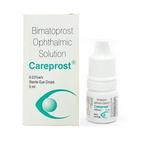
These drops gained immense popularity, demonstrating an incredibly fast and always noticeable result since its application. This innovative means will allow you to give your eyelashes an ideal look, strength and health, in whatever serious condition they are before the moment of its application. It is safe and effective providing amazing results.
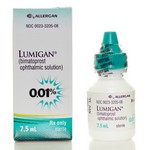
This means is prescribed to reduce eye pressure. Its active ingredient is synthetic prostaglandin bimatoprost – an unsaturated fatty acid, similar in its properties to hormones. Getting into the eye, drops help maintain the balance of the flow and outflow of eye fluid. It is a violation of this balance that leads to an increase in pressure, due to which the blood supply to the eye is impaired and the load on the optic nerve increases.

Bimatoprost reduces IOP in humans by increasing the outflow of aqueous humor through the trabecular meshwork and uveoscleral outflow. IOP reduction begins about 4 hours after the first use. The maximum effect is achieved after about 8–12 hours. The effect lasts for at least 24 hours.
Techniques and Tips to Minimize Eye Drop Drainage into the Throat
When it comes to using eye drops, it’s important to minimize the chances of them draining into the throat. Here are some techniques and tips to help you administer eye drops effectively and avoid unnecessary drainage:
1. Proper Eye Drop Administration Techniques
- Ensure you have clean hands before handling the eye drops to prevent any potential contamination.
- Hold the bottle of eye drops between your thumb and index finger, making sure to keep it steady and avoiding excessive pressure.
- Gently tilt your head backward and look up at the ceiling.
- Use your free hand to gently pull down your lower eyelid, creating a small pocket.
- Squeeze the bottle gently to release one drop into the pocket created by your lower eyelid.
- Close your eyes gently and keep them closed for a few seconds, allowing the eye drops to spread evenly over the surface of your eyes.
2. Tips for Positioning the Head and Closing the Eyes
- While administering eye drops, it’s important to position your head correctly to minimize drainage.
- Tilt your head slightly backward to help keep the eye drops in your eyes.
- Avoid tilting your head too far back as this may increase the chances of the drops draining into the throat.
- After administering the eye drops, keep your eyes closed for about a minute to ensure proper absorption and minimize drainage.
3. Alternative Forms of Eye Medications
If you’re struggling with excessive drainage of eye drops into your throat, you may consider using alternative forms of eye medications, such as gels or ointments. These formulations tend to have a thicker consistency, which can help reduce the chances of drainage.
It’s important to consult with your healthcare professional to determine if alternative forms of eye medications are suitable for your specific condition and needs.
4. Seeking Professional Advice and Guidance
If you have concerns or questions about eye drop administration or the potential drainage into the throat, it’s always best to consult with a healthcare professional. They can provide personalized advice and guidance based on your individual circumstances.
Remember, everyone’s eye anatomy and tear duct function can vary, so it’s important to find the techniques and tips that work best for you. By following proper administration techniques and employing these tips, you can minimize the chances of eye drop drainage into the throat and maximize the effectiveness of your eye medication.
Addressing Common Concerns and Misconceptions about Eye Drop Drainage into the Throat
When it comes to using eye drops, there are often concerns and misconceptions regarding the potential drainage of the medication into the throat. In this section, we will address and clarify some of the most common concerns and provide evidence-based answers.
1. Can eye drops be harmful if they drain into the throat?
There is typically little harm in eye drops draining into the throat. Most eye drops are formulated to be safe for oral consumption, as they are primarily meant for topical use. The concentration of active ingredients in the eye drops is usually low, making it unlikely to cause significant harm if ingested. Nevertheless, it is always recommended to consult a healthcare professional if you experience any discomfort or adverse effects.
2. Do eye drops lose their effectiveness if they enter the throat?
While it is ideal for the eye drops to stay in the eyes, if they enter the throat, they may still be effective. The medication in the eye drops may still be absorbed by the body through the mucous membranes in the throat. However, it is important to follow the recommended dosage and administration instructions for optimal effectiveness.
3. Are there any risks or side effects associated with swallowing eye drops?
Ingesting eye drops can potentially lead to adverse reactions or side effects. Some individuals may be allergic or sensitive to certain ingredients in the eye drops, which could cause an allergic reaction when ingested. Additionally, some medications in eye drops may have systemic effects or interact with other medications when swallowed. It is essential to read the package insert or consult a healthcare professional for specific information on potential risks and side effects associated with the eye drops you are using.
4. Can eye drops be used on infants and breastfeeding mothers?
Infants and breastfeeding mothers may require specific considerations when using eye drops. It is important to consult a healthcare professional before administering any medications to infants or using eye drops while breastfeeding. They can provide guidance on safe and appropriate eye drop usage given the age and health conditions of the infant or mother.
5. Are there any tips to minimize eye drop drainage into the throat?
There are several techniques and tips that can help minimize eye drop drainage into the throat:
- Keep a steady hand while administering the eye drops to avoid excessive spillage or pressure.
- Position the head slightly backward or lie down with the head tilted back to reduce the flow of eye drops towards the throat.
- After instilling the eye drops, gently close the eyes and apply gentle pressure on the inner corner of the eye to minimize drainage.
By following these tips, you can improve the chances of the eye drops staying in the eyes and minimize the amount that drains into the throat.
6. Is there research or data on the prevalence of eye drop drainage into the throat?
While there is limited specific research on the prevalence of eye drop drainage into the throat, anecdotal evidence suggests that it is a relatively common occurrence. This is supported by the experiences and concerns shared by individuals who use eye drops and report experiencing a taste or sensation of the eye drops in their throat. However, further research and studies would be beneficial to provide more comprehensive information on the prevalence and implications of eye drop drainage into the throat.
In conclusion, it is crucial to address common concerns and misconceptions about eye drop drainage into the throat. Although it is generally safe, it is essential to exercise caution, follow proper administration techniques, and consult healthcare professionals for personalized advice and guidance. By doing so, individuals can ensure safe and effective use of eye drops for their specific eye conditions and concerns.
Recommended Eye Drops for Specific Conditions and Concerns
When it comes to treating eye conditions and concerns, there are a variety of eye drops available in the market. These eye drops are formulated to address specific issues and provide relief and healing. Here, we will explore some of the recommended eye drops and their benefits for various eye conditions.
Dry Eyes
For individuals experiencing dry eyes, there are several eye drops that can provide relief and hydration.
Lubricating Eye Drops: These eye drops are designed to lubricate the eyes and provide temporary relief from dryness, irritation, and discomfort. They work by adding moisture to the eyes and promoting tear production. A popular brand in this category is Systane Ultra Lubricant Eye Drops.
Preservative-Free Eye Drops: Some individuals may have sensitivities to preservatives commonly found in eye drops. In such cases, preservative-free eye drops are recommended. These eye drops are gentler on the eyes and can be used more frequently without causing further irritation. Refresh Plus Lubricant Eye Drops is a preservative-free option that provides long-lasting relief for dry eyes.
Eye Infections
In cases of eye infections, certain eye drops containing antibiotics or antiviral medications may be prescribed. These eye drops help combat the infection and reduce inflammation. Two commonly prescribed eye drops for eye infections include:
Ofloxacin Eye Drops: Ofloxacin is an antibiotic eye drop that is effective against a wide range of bacteria. It is often prescribed for bacterial conjunctivitis and other eye infections. Ofloxacin eye drops work by inhibiting the growth of bacteria, reducing eye redness, and relieving symptoms of infection.
Acyclovir Eye Ointment: Acyclovir is an antiviral eye ointment used to treat viral eye infections such as herpes simplex keratitis. It works by inhibiting the replication of the virus and reducing the severity and duration of symptoms. Acyclovir eye ointment is typically applied multiple times a day as directed by a healthcare professional.
Allergies
For individuals with allergies, there are specific eye drops available that can alleviate symptoms such as itching, redness, and watering of the eyes. Here are some recommendations:
Antihistamine Eye Drops: These eye drops contain antihistamines that help block the effect of histamines, which are responsible for allergic reactions. They provide relief from itching, redness, and tearing caused by allergies. Zaditor Antihistamine Eye Drops is a popular choice for allergy relief.
Mast Cell Stabilizers: These eye drops work by preventing the release of histamines and other inflammatory substances that cause allergy symptoms. They provide long-lasting relief and are especially effective for individuals with chronic allergies. Alomide Eye Drops is a commonly prescribed mast cell stabilizer.
It is important to note that these are just a few examples of recommended eye drops for specific conditions. It is always best to consult with a healthcare professional or eye care specialist for personalized advice and guidance. They can evaluate your specific condition and recommend the most appropriate eye drops for your needs.
By using the recommended eye drops, individuals can effectively manage various eye conditions and concerns, leading to improved eye health and overall well-being.
Sources:
– Systane Ultra Lubricant Eye Drops: [www.systane.com](https://www.systane.com)
– Refresh Plus Lubricant Eye Drops: [www.refreshbrand.com](https://www.refreshbrand.com)
– Ofloxacin Eye Drops: [www.ncbi.nlm.nih.gov](https://www.ncbi.nlm.nih.gov/pmc/articles/PMC192475/)
– Acyclovir Eye Ointment: [www.drugs.com](https://www.drugs.com/international/acyclovir.html)
– Zaditor Antihistamine Eye Drops: [www.zaditor.com](https://www.zaditor.com)
– Alomide Eye Drops: [www.rxlist.com](https://www.rxlist.com/alomide-drug.htm)
Conclusion and Final Thoughts on Eye Drop Drainage into the Throat
In conclusion, the drainage of eye drops into the throat is a common occurrence and is generally not a cause for concern. Understanding the factors that influence this drainage can help individuals use eye drops more effectively and minimize any potential health risks. It is important to remember that if you have any specific concerns or questions regarding the use of eye drops, it is always advisable to consult with a healthcare professional.
Throughout this article, we have discussed the anatomy and physiology of the eye, tear ducts, and throat passages, as well as the impact of gravity and head position on the movement of eye drops. We have also highlighted the potential health implications and concerns associated with eye drop drainage into the throat, such as systemic absorption of medication and adverse reactions.
To minimize eye drop drainage into the throat, it is recommended to follow proper administration techniques, including maintaining a steady hand, avoiding excessive pressure, and positioning the head effectively. Using alternative forms of eye medications, such as gels or ointments, may also help reduce drainage. Always consult with a healthcare professional for personalized advice.
There are some common misconceptions regarding the harm or ineffectiveness of eye drops if they drain into the throat. It is important to clarify that eye drops can still be effective even if they drain into the throat, as medications can still be absorbed into the bloodstream. The focus should be on proper administration techniques to minimize drainage.
It is worth mentioning that the choice of eye drops will vary depending on the specific condition or concern. Different types of eye drops are available in the market, and it is important to consult with a healthcare professional to determine the most suitable option for your needs. Some commonly prescribed eye drops include ofloxacin eye drops and FML T eye drops, but there are many other options available.
For further exploration of this topic, you may find the following resources and references helpful:
- American Academy of Ophthalmology: Tips for Putting in Eye Drops
- Healthline: How to Put Eye Drops in a Child’s Eyes
- Mayo Clinic: Dry Eyes – Diagnosis and Treatment
Remember, when it comes to your eye health, always consult with a healthcare professional who can provide you with personalized advice and guidance. By understanding the process of eye drop drainage into the throat and taking appropriate measures, you can use eye drops safely and effectively to improve your ocular health.