What is Ilevro eye drops used for?
Ilevro eye drops are a medication used to treat inflammation and pain after cataract surgery. They are specifically formulated to help reduce the inflammation that can occur in the eye after undergoing this type of surgery. This medication contains the active ingredient nepafenac, which belongs to a class of drugs called nonsteroidal anti-inflammatory drugs (NSAIDs). Ilevro eye drops work by blocking the production of certain chemicals in the body that cause inflammation and pain.
One of the main benefits of using Ilevro eye drops is their ability to provide relief from postoperative inflammation and pain. After cataract surgery, the eyes can become inflamed and painful, which can significantly affect a person’s comfort and vision. By using Ilevro eye drops, patients can experience reduced inflammation and pain, allowing them to recover more comfortably and effectively from the surgery.
It is important to note that Ilevro eye drops are specifically indicated for use after cataract surgery and should only be used under the supervision of a healthcare professional. They are not intended for use in the treatment of other eye conditions or injuries. If you are experiencing eye pain or inflammation for any reason, it is crucial to consult with an eye care professional to determine the best course of treatment.
Understanding the Role of Prednisone Eye Drops
Prednisone eye drops, also known by the brand names Pred Forte or Pred Mild, are a type of corticosteroid medication that is commonly used to reduce inflammation in the eyes. These eye drops contain the active ingredient prednisolone acetate, which is a synthetic corticosteroid that mimics the effects of natural corticosteroid hormones produced by the body.
Prednisone eye drops are commonly prescribed by doctors for a variety of eye conditions, including:
- Allergic conjunctivitis: This is an allergic reaction that causes redness, itching, and inflammation in the eyes.
- Uveitis: This is inflammation of the uvea, the middle layer of the eye.
- Keratitis: This is inflammation of the cornea, the clear front part of the eye.
- Scleritis: This is inflammation of the sclera, the white outer coating of the eye.
- Iritis: This is inflammation of the iris, the colored part of the eye.
- Optic neuritis: This is inflammation of the optic nerve, which can cause vision loss.
These conditions can cause symptoms such as redness, swelling, pain, and vision disturbances. Prednisone eye drops work by reducing inflammation in the affected areas, which helps to relieve these symptoms and promote healing.
It is important to note that prednisone eye drops should only be used under the guidance and supervision of a healthcare professional. They are typically prescribed for short-term use and the dosage may vary depending on the specific condition being treated.
How to Properly Place Eye Drops
Placing eye drops correctly is crucial for ensuring optimal effectiveness and minimizing the risk of contamination or injury. Here are step-by-step instructions on how to properly administer eye drops:
- Wash your hands thoroughly with soap and water.
- Remove the cap from the eye drop bottle, being careful not to touch the dropper tip with your fingers or any other surface.
- Tilt your head back slightly and look up at the ceiling.
- Using your non-dominant hand, gently pull down your lower eyelid to create a small pocket.
- Hold the bottle with your dominant hand, positioning it directly above your eye.
- Without touching your eye or eyelashes, carefully squeeze the bottle to release one drop into the pocket formed by your lower eyelid.
- Release your lower eyelid and close your eye gently. Do not blink or squeeze your eyes shut tightly, as this may cause the medication to come out.
- Use a clean tissue or cotton ball to gently press on the inner corner of your eye (near the nose) for about a minute. This helps to prevent the medication from draining into your tear duct and being absorbed into your bloodstream.
- If your doctor has prescribed more than one drop or a different dosage, wait for the recommended interval specified by the instructions before repeating the process.
- Replace the cap on the eye drop bottle, ensuring it is securely closed.
It’s important to maintain good hygiene when applying eye drops to minimize the risk of infection. Avoid touching the dropper tip, as it can introduce bacteria into the bottle. Additionally, do not share your eye drop bottle with others to prevent cross-contamination.
Administering eye drops without touching the eye can be challenging, but there are a few techniques that may help. Some individuals find it easier to place the drop in the corner of the eye, near the nose, and let it naturally spread across the eye when they open it. Others find it helpful to use a mirror or have someone assist them during the process.
Remember to always follow the instructions provided by your healthcare professional or the medication’s packaging for specific guidance on how to use the eye drops correctly. If you have any questions or concerns, consult your eye care provider for further assistance.
Sources:
1. American Academy of Ophthalmology
2. Mayo Clinic

Bimat eye drops are used to treat hypotrichosis, short, weak eyelashes. Bimat increases the length, thickness and enhances the color of eyelashes. These substances are also used to lower intraocular pressure in patients with a diagnosis of glaucoma. By reducing the pressure, the risk of blindness is significantly decreased.
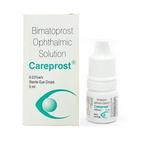
These drops gained immense popularity, demonstrating an incredibly fast and always noticeable result since its application. This innovative means will allow you to give your eyelashes an ideal look, strength and health, in whatever serious condition they are before the moment of its application. It is safe and effective providing amazing results.
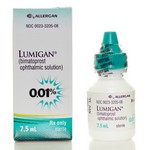
This means is prescribed to reduce eye pressure. Its active ingredient is synthetic prostaglandin bimatoprost – an unsaturated fatty acid, similar in its properties to hormones. Getting into the eye, drops help maintain the balance of the flow and outflow of eye fluid. It is a violation of this balance that leads to an increase in pressure, due to which the blood supply to the eye is impaired and the load on the optic nerve increases.

Bimatoprost reduces IOP in humans by increasing the outflow of aqueous humor through the trabecular meshwork and uveoscleral outflow. IOP reduction begins about 4 hours after the first use. The maximum effect is achieved after about 8–12 hours. The effect lasts for at least 24 hours.
Determining the amount of eye drops in 2.5 ml
When using eye drops, it is important to understand the amount of medication that is contained in each bottle. In the case of Ilevro eye drops, the standard bottle size is 2.5 ml. To properly administer the correct dosage, it is essential to know the number of drops that should be used.
The measurement of 2.5 ml refers to milliliters, which is a standard unit of volume. This measurement is commonly used for eye drop bottles to indicate the amount of liquid medication contained within. Knowing the number of drops in a 2.5 ml bottle helps ensure that the correct dosage is administered for optimal effectiveness.
Calculating the number of drops in a 2.5 ml bottle is relatively straightforward. On average, a 2.5 ml bottle of eye drops contains approximately 75 drops. This calculation is based on the assumption that each drop is approximately 0.033 ml in volume. However, it is important to note that drop sizes can vary slightly depending on the design of the bottle and the viscosity of the medication.
When administering eye drops, it is crucial to follow the dosing guidelines provided by the prescribing healthcare professional. These guidelines will specify the number of drops to be used per dose and the frequency of administration. It is essential to adhere to these instructions to ensure the medication is used effectively and safely.
It is worth noting that the number of drops in a 2.5 ml bottle may also depend on the individual’s technique when using the eye drops. Some individuals may find it easier to dispense larger drops, resulting in fewer overall drops in the bottle. On the other hand, individuals who dispense smaller drops may experience a larger number of drops in the bottle. Therefore, it is important to be consistent in drop size to accurately determine the number of drops available in a 2.5 ml bottle.
When in doubt about the correct dosage or number of drops to use, it is always best to consult with a healthcare professional or pharmacist. They can provide guidance and clarify any questions or concerns. Additionally, it is important to read the medication information leaflet provided with the eye drops for detailed instructions and precautions.
Potential Side Effects of Eye Drops
While eye drops are generally safe and effective, they may still have potential side effects that users should be aware of. It is important to note that not everyone will experience these side effects, and they may vary depending on the specific eye drop being used.
Possible Side Effects of Ilevro Eye Drops
- Redness or irritation in the eyes
- Watery or teary eyes
- Blurred vision
- Eye pain or discomfort
- Sensitivity to light
- Dry eyes
If any of these side effects persist or worsen, it is important to contact a healthcare professional for further guidance. Additionally, if any other unusual or severe side effects occur, such as swelling, severe itching, or difficulty breathing, immediate medical attention should be sought.
Common Side Effects of Prednisone Eye Drops
- Increase in intraocular pressure (pressure inside the eye)
- Cloudiness or formation of cataracts in the lens of the eye
- Infection or delayed wound healing
- Glaucoma
- Blurred vision
- Burning or stinging sensation in the eyes
- Redness or irritation in the eyes
If any of these side effects occur, it is important to consult with a healthcare professional to determine the best course of action. They may recommend adjusting the dosage or switching to a different type of eye drop to alleviate these side effects.
It is worth noting that the risk of experiencing side effects may be higher in individuals who use eye drops for prolonged periods or have underlying medical conditions. Therefore, it is essential to follow the recommended dosage and usage instructions provided by a healthcare professional or the manufacturer.
6. Tips for Stopping the Use of Eye Drops
When it comes to using eye drops, it’s important to know how to properly discontinue their use. Whether you’ve been using Ilevro eye drops or prednisone eye drops, here are some helpful tips to keep in mind:
- Gradually Reduce Usage: It is generally recommended to gradually reduce the frequency of eye drop usage rather than stopping abruptly. This allows your eyes to adjust slowly and minimizes the chances of rebound inflammation or other adverse reactions.
- Consult with an Eye Care Professional: Before discontinuing the use of eye drops, it’s always a good idea to consult with your eye care professional. They will be able to provide personalized advice based on your specific condition and treatment plan.
- Monitor for Recurrence of Symptoms: After stopping the use of eye drops, it’s important to keep an eye out for any recurrence of symptoms such as redness, pain, or inflammation. If any symptoms return, it may be necessary to resume using the eye drops or seek further medical attention.
By following these tips, you can ensure a smooth transition when discontinuing the use of eye drops. Remember, your eye care professional is the best resource for guidance and support throughout your treatment.
Importance of Regular Eye Check-ups
Regular eye check-ups are crucial for maintaining good overall eye health and detecting any potential eye conditions early on. Here are some key reasons why regular eye exams should be a part of your routine:
Preventive Measures for Maintaining Good Eye Health
Routine eye exams can help identify any potential eye problems before they become serious. Many eye conditions, such as glaucoma and macular degeneration, may not show symptoms in their early stages. Regular eye check-ups allow eye care professionals to detect these conditions early and start treatment promptly, helping to prevent further vision loss.
Early Detection and Treatment of Eye Conditions
By scheduling regular eye exams, you increase the chances of detecting any eye conditions in their early stages. Early detection allows for prompt treatment, which can help prevent vision loss or further deterioration. Eye exams can also help identify underlying health conditions such as diabetes or high blood pressure, as certain changes in the eyes can be indicative of these diseases.
Better Management of Existing Eye Conditions
If you already have an eye condition, regular eye check-ups are essential for monitoring its progression and adjusting treatment plans accordingly. Eye care professionals can assess the effectiveness of current treatments, make necessary adjustments, and provide recommendations for better management of your condition.
Individualized Care and Recommendations
During an eye exam, the eye care professional will assess your specific eye health needs and provide personalized recommendations. This may include advice on lifestyle changes, such as wearing protective eyewear or adjusting screen time, to improve overall eye health. By following these recommendations, you can reduce the risk of developing certain eye conditions or experiencing further deterioration.
Guidance for Corrective Eyewear or Contact Lenses
Regular eye exams help determine the need for prescription glasses or contact lenses. Eye care professionals will evaluate your vision and prescribe the necessary corrective lenses to ensure clear and comfortable vision. Wearing the correct prescription eyewear can prevent eye strain, headaches, and other vision-related discomforts.
Monitoring Eye Health Changes over Time
By undergoing regular eye check-ups, eye care professionals can compare your previous eye exam results with current ones, enabling them to monitor any changes in your eye health over time. This allows for a proactive approach to eye care and the prompt identification of any significant or concerning changes.
Source of Information and Education
Regular eye check-ups also serve as an opportunity to gain valuable information and education about eye health. Eye care professionals can address any questions or concerns you may have, provide guidance on maintaining good eye health, and recommend reputable sources for further information.
In conclusion, regular eye check-ups play a vital role in maintaining good eye health, detecting eye conditions early on, and providing appropriate treatment and management. By prioritizing regular eye exams, you can take proactive measures to protect your vision and overall eye health for years to come.