Overview of antibiotic eye drops
Antibiotic eye drops are a type of medication that is specifically formulated to treat various eye infections and conditions caused by bacteria. These eye drops contain antibiotics, which are drugs that help fight bacterial infections.
When applied directly to the eye, antibiotic eye drops work by inhibiting the growth and spread of bacteria, thereby treating the infection and reducing symptoms such as redness, swelling, and discharge. They are commonly used for conditions such as conjunctivitis (pink eye), blepharitis (eyelid inflammation), and corneal ulcers.
There are different types of antibiotic eye drops available, and the specific one prescribed may depend on the type and severity of the infection. One example of a commonly prescribed antibiotic eye drop is Tobramycin eye drops. Tobramycin is a broad-spectrum antibiotic that is effective against a wide range of bacteria. It is often used to treat bacterial conjunctivitis and corneal ulcers.
It is important to note that antibiotic eye drops should only be used as prescribed by a healthcare professional. Self-medication or using antibiotic eye drops without a prescription can lead to ineffective treatment and potential antibiotic resistance.
Timeframe for antibiotic eye drops to take effect
When it comes to treating eye infections and conditions, antibiotic eye drops can be a highly effective solution. These medications work by targeting and killing the bacteria responsible for the infection, helping to alleviate symptoms and promote healing.
The timeframe for antibiotic eye drops to take effect can vary depending on several factors, including the specific condition being treated and the individual’s response to the medication. However, in general, most people can expect to see improvement within a few hours to a few days of starting treatment.
Duration of treatment
The duration of treatment with antibiotic eye drops will typically be determined by the healthcare provider based on the severity of the infection and other individual factors. It is important to follow the prescribed treatment regimen, even if symptoms improve before the full course of treatment is completed. This helps to ensure that the infection is fully eradicated and reduces the risk of recurrence.
Factors affecting effectiveness
Several factors can influence how quickly antibiotic eye drops work and their overall effectiveness:
- Severity of the infection: In general, more severe infections may take longer to respond to treatment. It may also be necessary to use additional or stronger antibiotics in these cases.
- Type of bacteria: Different types of bacteria may respond differently to specific antibiotics. It is important to correctly identify the bacteria causing the infection to ensure the most effective treatment is chosen.
- Overall eye health: The overall health of the eye can impact the speed of recovery. Individuals with underlying eye conditions or compromised immune systems may take longer to heal.
Patient compliance
Proper and consistent usage of antibiotic eye drops is crucial for their effectiveness. It is important to follow the healthcare provider’s instructions regarding dosage and frequency of application. Failure to use the medication as directed may result in incomplete eradication of the infection or the development of antibiotic resistance.
Monitoring progress
While improvement in symptoms is generally expected within a few days of starting antibiotic eye drops, it is important to monitor progress and seek medical attention if necessary. If symptoms persist or worsen despite using the medication, it is recommended to consult a healthcare provider for further evaluation and potential adjustment of the treatment plan.
It is worth noting that individual responses to antibiotics can vary, and while most cases of eye infections respond well to antibiotic eye drops, there may be situations where alternative treatment options or additional interventions are necessary. Therefore, it is always essential to consult with a healthcare professional for an accurate diagnosis and appropriate treatment plan.
Factors that may affect how quickly antibiotic eye drops work
There are several factors that can influence the effectiveness and speed of action of antibiotic eye drops. Here are some key factors to consider:
1. Severity of the infection
The severity of the eye infection can impact how quickly antibiotic eye drops work. In some cases, mild infections may show improvement within a few days of starting treatment, while more severe infections may take longer to respond. It is important to follow the prescribed treatment regimen even if improvement is not immediate.
2. Type of bacteria present
The type of bacteria causing the eye infection can also play a role in how quickly antibiotic eye drops work. Some types of bacteria may be more resistant to certain antibiotics, which can delay the effectiveness of the treatment. In such cases, the healthcare provider may need to switch to a different antibiotic or adjust the treatment plan accordingly.
3. Overall health of the eye
The overall health of the eye can affect how quickly antibiotic eye drops work. If the eye is already compromised due to an underlying condition or injury, it may take more time for the medication to take effect. In some cases, additional treatments or interventions may be necessary to promote healing and improve the effectiveness of the antibiotic eye drops.
4. Compliance with treatment regimen
Adherence to the prescribed treatment regimen is crucial for the optimal effectiveness of antibiotic eye drops. It is important to use the medication as directed by the healthcare provider, including the correct dosage and frequency of application. Skipping doses or discontinuing the medication prematurely can hinder the effectiveness and prolong the healing process.
5. Concurrent medications or eye drops
If the individual is using any other medications or eye drops at the same time as the antibiotic eye drops, it is important to inform the healthcare provider. Some medications may interact with each other, potentially affecting their efficacy. The healthcare provider can provide guidance on the appropriate timing and use of multiple eye medications if necessary.
Please note that the effectiveness and speed of action of antibiotic eye drops can vary from person to person. It is important to consult a healthcare professional for an accurate diagnosis and individualized treatment plan. The information provided here is for educational purposes only and should not be considered medical advice.

Bimat eye drops are used to treat hypotrichosis, short, weak eyelashes. Bimat increases the length, thickness and enhances the color of eyelashes. These substances are also used to lower intraocular pressure in patients with a diagnosis of glaucoma. By reducing the pressure, the risk of blindness is significantly decreased.
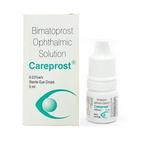
These drops gained immense popularity, demonstrating an incredibly fast and always noticeable result since its application. This innovative means will allow you to give your eyelashes an ideal look, strength and health, in whatever serious condition they are before the moment of its application. It is safe and effective providing amazing results.
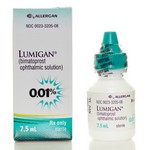
This means is prescribed to reduce eye pressure. Its active ingredient is synthetic prostaglandin bimatoprost – an unsaturated fatty acid, similar in its properties to hormones. Getting into the eye, drops help maintain the balance of the flow and outflow of eye fluid. It is a violation of this balance that leads to an increase in pressure, due to which the blood supply to the eye is impaired and the load on the optic nerve increases.

Bimatoprost reduces IOP in humans by increasing the outflow of aqueous humor through the trabecular meshwork and uveoscleral outflow. IOP reduction begins about 4 hours after the first use. The maximum effect is achieved after about 8–12 hours. The effect lasts for at least 24 hours.
Proper usage and application of antibiotic eye drops
When using antibiotic eye drops, it is important to follow the prescribed treatment regimen to ensure maximum efficacy and avoid potential complications. Here are some guidelines for the proper usage and application of antibiotic eye drops:
1. Wash your hands
Before applying the eye drops, make sure to thoroughly wash your hands with soap and water. This helps to prevent the spread of bacteria and other microorganisms to the eye.
2. Shake the bottle
Prior to each use, gently shake the bottle to ensure that the medication is evenly mixed. This helps to ensure consistent dosage and effectiveness.
3. Tilt your head back
While standing or sitting, tilt your head back slightly and look upward. This position helps to create a clear pathway for the eye drops to enter the eye.
4. Gently pull down your lower eyelid
Using your index finger, gently pull down your lower eyelid to create a small pocket. This pocket will hold the eye drops when you administer them.
5. Apply the eye drops
While holding the bottle with your other hand, tilt it slightly and squeeze the prescribed number of drops into the pocket you created with your lower eyelid. Be careful not to touch your eye or eyelashes with the tip of the bottle to prevent contamination.
6. Close your eye and blink
After applying the eye drops, close your eye gently and blink a few times. This helps to distribute the medication evenly across the surface of the eye.
7. Wipe off any excess
If there is any excess liquid around your eye, gently wipe it away with a clean tissue. Avoid rubbing your eye, as this can cause further irritation.
8. Replace the cap and store properly
After each use, securely replace the cap on the eye drop bottle. Store the bottle in a cool, dry place, away from direct sunlight. Follow any specific storage instructions provided by your healthcare professional or the medication packaging.
9. Follow the prescribed dosage and frequency
It is important to adhere to the prescribed dosage and frequency of application. Do not skip doses or stop the medication prematurely, even if your symptoms improve. This is to ensure complete eradication of the infection and prevent its recurrence.
NOTE: The above steps are general guidelines for using antibiotic eye drops. The specific instructions may vary depending on the brand, formulation, and your healthcare provider’s recommendations. Always consult the medication label and your healthcare professional for precise instructions.
For further information and guidance on how to use antibiotic eye drops correctly, you can visit reputable sources such as the American Academy of Ophthalmology or consult with your healthcare provider.
5. Possible side effects of antibiotic eye drops
While antibiotic eye drops are generally safe and well-tolerated, they can sometimes cause certain side effects. It’s important to be aware of these potential side effects and to report any severe or persistent ones to your healthcare professional.
Here are some common side effects that may occur with the use of antibiotic eye drops:
- Temporary stinging or burning sensation: Some individuals may experience a mild stinging or burning sensation in their eyes after applying the eye drops. This is usually temporary and should subside within a few minutes.
- Blurred vision: After applying the eye drops, you may temporarily experience blurred vision. However, this should clear up as the medication gets absorbed into your eyes.
- Redness: It is not uncommon for the eyes to appear slightly red or bloodshot after using antibiotic eye drops. This redness is usually mild and should improve over time.
- Eye irritation or itching: Some individuals may experience mild irritation or itching in their eyes after using antibiotic eye drops. If this sensation persists or worsens, it’s best to consult your healthcare provider.
- Increase in eye discharge: In some cases, antibiotic eye drops may initially increase the amount of discharge from your eyes. This is typically a sign that the medication is effectively fighting off the infection. However, if the discharge becomes excessive or changes in color or consistency, it’s important to seek medical attention.
It’s worth noting that these side effects are generally mild and resolve on their own as your eyes adjust to the medication. However, if you experience any severe or persistent side effects, such as severe eye pain, vision changes, rash, or swelling, it is crucial to seek immediate medical attention.
Please keep in mind that the information provided here is for informational purposes only and should not replace professional medical advice. If you have any concerns or questions about the side effects of antibiotic eye drops or their suitability for your specific condition, it’s always best to consult with your healthcare provider.
When to Seek Medical Attention
While antibiotic eye drops can be effective in treating various eye infections and conditions, there may be cases where professional medical attention is necessary. Here are some signs and symptoms that may indicate a lack of improvement or worsening of the condition despite using antibiotic eye drops:
1. Persistent Redness or Swelling
If the redness or swelling in your eye persists or gets worse after using antibiotic eye drops for a few days, it may indicate that the infection is not responding well to the medication. It is important to seek medical attention in such cases to determine if a different treatment approach or stronger antibiotics are required.
2. Severe or Increasing Pain
If you experience severe or increasing pain in your eye, it is important to seek medical attention promptly. This could be a sign of a more serious infection or condition that may require a different course of treatment.
3. Excessive Discharge or Crusty Eyelids
If you notice an excessive amount of discharge or if your eyelids become crusted shut, it could be a sign of a more severe infection. The presence of pus or a thick, yellowish discharge may indicate the need for stronger antibiotics or further evaluation by a healthcare professional.
4. New or Worsening Symptoms
If you experience new or worsening symptoms, such as increased eye redness, blurred vision, sensitivity to light, or changes in vision, it is important to consult a healthcare provider. These symptoms may indicate a potential complication or an underlying condition that requires medical attention.
5. Systemic Symptoms
If you develop systemic symptoms alongside eye infection symptoms, such as fever, headache, or significant fatigue, it may indicate a more severe infection that requires further evaluation by a healthcare professional.
It is essential to remember that individual responses to medication can vary, and sometimes a change in treatment or a different approach may be necessary. Consulting a healthcare provider ensures appropriate management of the condition and, if needed, adjustments to the treatment plan.
Remember to report any severe or persistent side effects to your healthcare professional as well, as these may require further evaluation or adjustments to the medication regimen. Seeking timely medical attention can help prevent complications and promote faster recovery.
Conclusion and Additional Tips
In conclusion, antibiotic eye drops are a common treatment for various eye infections and conditions. It is important to use them correctly and follow the prescribed treatment regimen to ensure maximum efficacy and avoid potential complications.
Here are some additional tips for maintaining eye health:
1. Practice Good Hygiene
Wash your hands thoroughly before applying antibiotic eye drops to avoid introducing any additional bacteria into the eye. Avoid touching your eyes with dirty hands to prevent the spread of infection.
2. Avoid Self-Medication
Do not use antibiotic eye drops without a prescription from a healthcare professional. Self-medication can lead to improper treatment and potentially worsen the condition.
3. Schedule Regular Eye Exams
Regular eye exams are essential for early detection and treatment of any eye-related issues. Your eye care professional can evaluate your eye health and prescribe appropriate medications or treatments if needed.
To learn more about antibiotic eye drops, their proper usage, and potential side effects, you can visit reputable sources such as the American Academy of Ophthalmology or the Centers for Disease Control and Prevention.
Remember, if you experience persisting or worsening symptoms despite using antibiotic eye drops, or if you have any concerning or unusual side effects, it is important to consult your healthcare provider promptly. They can evaluate your condition and provide appropriate guidance and treatment.