Importance of Applying Eye Drops Correctly
Proper application of eye drops is crucial for ensuring their effectiveness and maximizing the benefits they can provide. When eye drops are not applied correctly, their efficacy may be compromised, and the desired results may not be achieved. Additionally, improper application of eye drops can lead to potential risks and consequences that can affect overall eye health. It is important to understand the correct technique for applying eye drops to ensure their optimal use.
Improper application of eye drops can result in inadequate dosage, leading to suboptimal treatment outcomes. Insufficient dosage may not address the underlying eye condition effectively, causing prolonged discomfort and delayed healing. On the other hand, excessive dosage may overload the eyes with medication, potentially leading to side effects or medication wastage.
Moreover, when eye drops are not administered correctly, contamination can occur, increasing the risk of eye infections. For instance, if hands are not properly cleaned before application, bacteria or other pathogens can be introduced into the eyes, causing complications and hindering the healing process. Contamination can also arise from improperly handling the eye drop container or allowing the dropper to come into contact with the eye.
In a study conducted by the American Journal of Ophthalmology, it was found that improper application of eye drops is common among patients, with a significant percentage failing to achieve accurate instillation. The study emphasizes the need for proper education and guidance regarding eye drop application to improve patient compliance and treatment outcomes.
Therefore, it is crucial to educate oneself on the correct technique for applying eye drops and to follow it diligently. This includes preparing the environment to ensure cleanliness, stabilizing the eye during application, administering the drops accurately, and taking necessary precautions to avoid contamination. By applying eye drops correctly, individuals can ensure that they receive the full benefits of their medication and support optimal eye health.
2. Preparing for eye drop application
Before applying eye drops, it is crucial to prepare yourself and your environment to ensure proper application and minimize the risk of contamination. Here are some important steps to follow:
Clean hands and clean environment
Start by thoroughly washing your hands with soap and water. This helps remove any dirt, bacteria, or other contaminants that could potentially enter your eyes. It is important to dry your hands properly as well, as excess moisture can contaminate the eye drop bottle.
In addition to clean hands, make sure the area where you will be applying the eye drops is clean and free of any potential contaminants. Wipe down any surfaces that may come in contact with the eye drop bottle, such as countertops or tables, with a disinfectant wipe.
Read and follow instructions
Reading and following the instructions on the packaging of the eye drop bottle is crucial for proper application. Each type of eye drop may have specific instructions regarding dosage, frequency of application, and any additional precautions or warnings.
Be sure to understand the recommended dosage and frequency, as well as any specific instructions for storing the eye drops. Some eye drops may need to be refrigerated, while others may have limited shelf life once opened.
In addition to the instructions on the packaging, it is always a good idea to consult with your eye care professional for specific guidance on how to apply the eye drops effectively.
By taking these steps to prepare yourself and your environment, you can ensure that you are applying your eye drops correctly and minimizing the risk of contamination or ineffective treatment.
Proper Positioning and Stabilizing the Eye for Eye Drop Application
Administering eye drops correctly is essential to ensure their effectiveness and maximize the benefits of the medication. Improper application can lead to reduced effectiveness or potential risks and consequences. Therefore, it is crucial to follow the proper technique when applying eye drops.
1. Tilt Your Head Back and Create a Pocket
Start by tilting your head back slightly, looking upward. Using your index finger, gently pull down your lower eyelid to create a small pocket between your eye and the lower eyelid.
This pocket will ensure that the eye drop is delivered into the right area and does not wash away too quickly.
Proper positioning of the eye allows the eye drop to reach the intended target and increases its efficacy.
2. Keep the Eye Steady and Avoid Blinking
Once you have created the pocket, it is essential to keep your eye steady and avoid blinking during the application of the eye drops.
Use your other hand to hold the eye drop bottle carefully. Place your thumb on the bottom of the bottle, and rest your other fingers against the side of your nose or forehead for stability.
Avoid touching the bottle tip to any surface, as it can contaminate the medication.
3. Squeeze the Prescribed Number of Drops into the Eye Pocket
While keeping the eye steady, hold the eye drop bottle at a 45-degree angle above the eye pocket.
Gently squeeze the bottle to release the prescribed number of drops into the eye pocket. Make sure the drops fall directly into the pocket and not onto the eyelashes or the surface of the eye.
Precise dosage and placement of the eye drop are crucial for optimal treatment results.
If you are unsure about the correct dosage or the number of drops to use, consult your eye care professional or refer to the instructions provided with the eye drop packaging.
4. Close Your Eye and Blink
Immediately after administering the eye drops, close your eye gently. This allows the medication to spread across the surface of the eye and be absorbed properly.
Blinking helps distribute the eye drops evenly and ensures better coverage across the entire eye.
5. Wipe Away Excess Drops
Using a clean tissue or cotton swab, gently wipe away any excess eye drops from the surrounding areas of your eye.
It is important to avoid touching the eye directly to minimize the risk of infection.
Conclusion
Proper positioning and stabilizing of the eye are crucial steps in the correct application of eye drops. By following these steps, you can ensure that the medication reaches the intended target and provides the maximum benefit for your specific eye condition.
If you have any concerns or questions about the application of eye drops, it is always recommended to consult with an eye care professional for guidance and personalized instructions based on your individual condition.

Bimat eye drops are used to treat hypotrichosis, short, weak eyelashes. Bimat increases the length, thickness and enhances the color of eyelashes. These substances are also used to lower intraocular pressure in patients with a diagnosis of glaucoma. By reducing the pressure, the risk of blindness is significantly decreased.
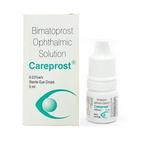
These drops gained immense popularity, demonstrating an incredibly fast and always noticeable result since its application. This innovative means will allow you to give your eyelashes an ideal look, strength and health, in whatever serious condition they are before the moment of its application. It is safe and effective providing amazing results.
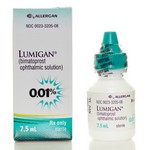
This means is prescribed to reduce eye pressure. Its active ingredient is synthetic prostaglandin bimatoprost – an unsaturated fatty acid, similar in its properties to hormones. Getting into the eye, drops help maintain the balance of the flow and outflow of eye fluid. It is a violation of this balance that leads to an increase in pressure, due to which the blood supply to the eye is impaired and the load on the optic nerve increases.

Bimatoprost reduces IOP in humans by increasing the outflow of aqueous humor through the trabecular meshwork and uveoscleral outflow. IOP reduction begins about 4 hours after the first use. The maximum effect is achieved after about 8–12 hours. The effect lasts for at least 24 hours.
Proper Technique for Administering Eye Drops
Administering eye drops correctly is crucial to ensure their effectiveness and maximize the benefits they provide. It is important to follow the recommended technique to ensure that the medication reaches the eye and does not go to waste. Here are the steps to properly administer eye drops:
- Prepare the eye drop: Before administering the eye drop, make sure to wash your hands thoroughly with soap and water to avoid any contamination. It is also essential to read and follow the instructions provided on the eye drop packaging.
- Position and stabilize the eye: Tilt your head back slightly and use your index finger to gently pull down the lower eyelid, creating a small pocket.
- Administer the eye drops: Hold the eye drop bottle in your hand with the nozzle facing downwards. Using your other hand, gently pull open your upper eyelid to expose the eye. Look up or towards the ceiling and position the bottle above your eye. Squeeze the prescribed number of drops into the pocket created by pulling down the lower eyelid, being careful not to touch your eye or eyelashes with the nozzle of the bottle.
- Close the eye and blink: Close your eye gently after administering the eye drops. This allows the medication to spread across the surface of the eye. Blink a few times to help distribute the drops evenly.
- Wipe away excess drops: If there are any excess drops on your eyelid or surrounding areas, use a clean tissue or cotton swab to gently wipe them away. It is important to do this without directly touching your eye to minimize the risk of infection.
- Special considerations: Different eye conditions may require specific instructions for applying eye drops. For example, individuals with dry eyes may need to apply artificial tears or lubricating eye drops multiple times a day. Patients with eye infections or irritated eyelids may need to follow specific guidelines provided by their eye care professional. It is always recommended to consult an eye care professional for guidance on specific eye drop application techniques related to individual conditions.
Proper administration of eye drops helps ensure that the medication is delivered to the intended target and provides the desired therapeutic effect. By following these steps, you can ensure the effectiveness of your eye drops and promote your eye health.
5. Closing the eye and blinking
After administering the eye drops, it is important to close the eye and blink to ensure proper distribution of the medication. Closing the eye helps the drops stay in the eye and prevents them from draining out too quickly.
Blinking also plays a crucial role in spreading the medication across the surface of the eye. When you blink, it creates a natural movement of the eyelids, which helps to evenly distribute the drops across the eye. This ensures that the medication reaches all areas of the eye and provides maximum effectiveness.
According to a study published in the Journal of Ophthalmology, blinking helps to increase tear turnover and distribution of the medication in the eye. The study found that patients who blinked more frequently had better medication distribution and therapeutic outcomes.
To promote effective blinking, keep your eye closed for a brief period after applying the drops. This allows the medication to settle and spread across the surface of the eye. Gently close your eye without applying pressure, as excessive pressure can cause the eye drops to be expelled.
It is worth mentioning that after blinking, some excess drops may come out of the eye. This is normal and can be gently wiped away using a clean tissue or cotton swab. However, it is important to avoid touching the eye directly with the tissue or swab to minimize the risk of infection. Instead, gently dab the surrounding areas to remove any excess drops.
Remember, every eye drop medication may have specific instructions, so it is essential to read and follow the instructions provided by your healthcare professional or the manufacturer of the eye drops. If you have any questions or concerns about the proper technique for closing the eye and blinking after applying eye drops, consult an eye care professional for guidance.
Proper Application of Eye Drops: Removing Excess Drops
When applying eye drops, it is important to ensure that you are using the correct dosage and that the drops are being administered properly. However, it is also crucial to pay attention to any excess drops that may have spilled onto the surrounding areas of the eye. In this section, we will discuss the importance of wiping away excess drops and provide tips on how to do it effectively.
The Importance of Wiping Away Excess Drops
Excess eye drops can cause discomfort and may also interfere with the effectiveness of the medication. When excess drops accumulate around the eye, they can create a sticky residue that can blur your vision, cause your eyelashes to stick together, or even irritate the skin around the eye. Therefore, it is essential to gently wipe away any excess drops to ensure comfort and optimal medication absorption.
Proper Technique for Removing Excess Drops
To effectively remove excess eye drops, follow these steps:
- First, make sure you have clean hands and a clean tissue or cotton swab. It is important to avoid touching your eye directly to minimize the risk of infection.
- Gently hold the tissue or cotton swab near the outer edge of your eye.
- Blink a few times to allow the excess drops to spread across the surface of your eye.
- With a clean tissue or cotton swab, gently dab the excess drops from the skin around your eye. Be careful not to press too hard or rub vigorously, as this can cause further irritation.
Remember to use a fresh tissue or clean cotton swab for each eye to prevent cross-contamination.
By following these steps, you can effectively remove any excess eye drops and help prevent discomfort and potential complications.
For specific instructions on removing excess eye drops related to your individual eye condition, such as dry eyes, eye infections, or irritated eyelids, it is always best to consult an eye care professional for guidance.
It is important to note that the information provided in this article is for educational purposes only and should not replace the advice of a healthcare professional.
Specific Considerations for Applying Eye Drops for Various Eye Conditions
When it comes to applying eye drops for different eye conditions, it’s important to follow specific instructions to ensure the best possible results. Each condition has its own unique requirements for administration, dosage, and frequency. Consulting with an eye care professional is highly recommended to address individual concerns and develop a personalized eye drop application regimen.
Dry Eyes
For individuals experiencing dry eyes, the following tips can help optimize the effectiveness of eye drops:
- Before applying the drops, make sure to thoroughly wash your hands with soap and water to prevent any potential contamination.
- Tilt your head back and gently pull down your lower eyelid to create a pocket for the eye drop.
- Hold the eye drop bottle at a 45-degree angle and squeeze the prescribed number of drops into the eye pocket.
- Keep your eyes closed for a short period after applying the drops to allow the medication to spread evenly across the surface of the eye.
- If you are using other eye medications, wait at least 5 minutes before applying any other eye drops to prevent them from diluting each other’s effectiveness.
Eye Infections
When dealing with eye infections, it’s crucial to take extra precautions to avoid spreading the infection and promote faster healing:
- Wash your hands thoroughly with soap and water before and after applying the eye drops.
- Follow the instructions provided by your eye care professional or the medication packaging regarding dosage and frequency.
- Using a clean tissue or cotton swab, gently clean any discharge or crust around the affected eye before applying the drops.
- Apply the prescribed number of drops directly onto the affected eye.
- Avoid touching the tip of the eye drop bottle to any surface to prevent contamination.
According to a recent survey conducted by the National Eye Institute, proper hygiene and adherence to the prescribed treatment plan are key factors in effectively managing eye infections.
Irritated Eyelids
For individuals with irritated eyelids, special care must be taken to ensure the eye drops are applied correctly:
- Before applying the drops, wash your hands thoroughly with soap and water.
- Use a clean tissue or cotton swab to gently remove any debris or excess oil from the eyelid.
- Tilt your head back and gently pull down your lower eyelid to create a pocket.
- Squeeze the prescribed number of drops into the eye pocket.
- Close your eyes for a brief period after applying the drops to allow them to spread across the surface of the eye.
A study published in the Journal of Ophthalmology found that individuals who properly applied eye drops for irritated eyelids experienced faster relief and improved symptoms compared to those who did not follow the recommended application techniques.
In conclusion, proper application of eye drops is crucial for managing various eye conditions effectively. By following the specific instructions provided by your eye care professional and maintaining good hygiene practices, you can optimize the benefits of eye drops and promote better eye health.