The Importance of Using Eye Drops Properly
Eye drops are a common form of medication used to treat various eye conditions. The correct usage of eye drops is crucial for their effectiveness and to minimize potential side effects. Misuse of eye drops can lead to wastage of medication and potential harm to the eyes.
Proper Usage Ensures Effectiveness
Using eye drops properly is important to ensure their effectiveness in treating eye conditions. When eye drops are applied correctly, the medication is able to reach the targeted area and provide the intended therapeutic effect. This can help relieve symptoms and promote healing.
Minimizing Potential Side Effects
Using eye drops according to the prescribed frequency and duration can also help minimize potential side effects. Some eye drops may cause temporary discomfort or irritation, especially if used incorrectly or for an extended period. By following the proper usage instructions, patients can reduce the risk of experiencing these adverse effects.
Preventing Medication Wastage
Misuse of eye drops, such as applying too many drops or using them more frequently than prescribed, can lead to wastage of the medication. Eye drops are usually prescribed in specific quantities and usage frequencies to ensure the appropriate amount of medication is administered. Deviating from the prescribed instructions can result in unnecessarily using up the medication, leading to additional costs and inconvenience.
Potential Harm to the Eyes
Using eye drops improperly can potentially harm the eyes. For example, touching the eye or eyelid with the tip of the eye drop bottle can introduce contaminants and increase the risk of infection. Additionally, using expired or contaminated eye drops can also lead to eye irritation or other adverse reactions.
Therefore, it is crucial to follow the proper usage instructions provided by healthcare professionals and manufacturers when using eye drops. This ensures their effectiveness, minimizes side effects, prevents wastage, and protects the health of the eyes.
What happens if you shake eye drops?
Shaking eye drops, especially those containing witch hazel, is not recommended. Witch hazel is a natural astringent that can help reduce inflammation and soothe the eyes. However, shaking eye drops containing witch hazel can cause air bubbles to form, reducing the effectiveness of the medication.
To ensure proper mixing of the eye drop solution, it is best to gently roll the eye drop bottle between your hands before use. This gentle rolling motion helps distribute the ingredients evenly without introducing air bubbles.
When air bubbles are present in eye drops, it can disrupt the proper application of the medication in the eyes. The bubbles can create a barrier between the medication and the affected area, reducing the effectiveness of the treatment. Additionally, air bubbles can also cause discomfort or irritation to the eyes when the drops are applied.
Therefore, it is important to follow the instructions provided by the manufacturer or healthcare professional and avoid shaking eye drops, especially those containing witch hazel. The gentle rolling motion between the hands ensures that the medication is properly mixed and ready for effective use.
The Dangers of Eye Drop Drink Spiking
Eye drops are commonly used to treat various eye conditions, but they can also pose dangers when misused. One concerning trend that has emerged is the use of eye drops to spike drinks. This practice can have harmful effects on the person who unknowingly consumes the spiked drink.
Eye drops containing neomycin, an antibiotic, are often used to treat bacterial eye infections. However, if ingested in large quantities, neomycin can have adverse effects on the body. Common side effects of neomycin ingestion include stomach pain, diarrhea, and even damage to the kidneys and hearing.
It is essential to be cautious and aware of the source of any drink you consume, especially if someone offers it to you. While drink spiking with eye drops may be rare, it is not unheard of. Being vigilant can help protect yourself and others from potential harm.
If you suspect that your drink may have been spiked with eye drops, it is crucial to seek medical attention immediately. The healthcare professional will be able to assess the situation and provide appropriate treatment if necessary.
In conclusion, while eye drops are a common and effective form of medication for various eye conditions, they can be dangerous when misused. Drink spiking with eye drops containing neomycin is a real concern, and it is crucial to be cautious and aware of the source of any drink you consume.

Bimat eye drops are used to treat hypotrichosis, short, weak eyelashes. Bimat increases the length, thickness and enhances the color of eyelashes. These substances are also used to lower intraocular pressure in patients with a diagnosis of glaucoma. By reducing the pressure, the risk of blindness is significantly decreased.
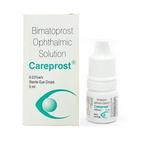
These drops gained immense popularity, demonstrating an incredibly fast and always noticeable result since its application. This innovative means will allow you to give your eyelashes an ideal look, strength and health, in whatever serious condition they are before the moment of its application. It is safe and effective providing amazing results.
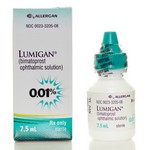
This means is prescribed to reduce eye pressure. Its active ingredient is synthetic prostaglandin bimatoprost – an unsaturated fatty acid, similar in its properties to hormones. Getting into the eye, drops help maintain the balance of the flow and outflow of eye fluid. It is a violation of this balance that leads to an increase in pressure, due to which the blood supply to the eye is impaired and the load on the optic nerve increases.

Bimatoprost reduces IOP in humans by increasing the outflow of aqueous humor through the trabecular meshwork and uveoscleral outflow. IOP reduction begins about 4 hours after the first use. The maximum effect is achieved after about 8–12 hours. The effect lasts for at least 24 hours.
The Proper Way to Use Eye Drops
Using eye drops correctly is essential for their effectiveness and to minimize any potential side effects. Here are the steps to properly use eye drops:
- Clean and dry your hands: Before using eye drops, it’s important to ensure that your hands are free from any dirt or germs. Wash your hands thoroughly with soap and water, then dry them with a clean towel.
- Tilt your head back or lie down: To properly administer eye drops, tilt your head back or lie down on a flat surface and look up towards the ceiling. This position helps to ensure that the drops are delivered directly into the eye.
- Gently pull down your lower eyelid: Gently pull down your lower eyelid with one hand to create a small pocket or space for the eye drops to be placed. This will prevent the drops from rolling off the eye.
- Hold the eye drop bottle above the eye: With the other hand, hold the eye drop bottle just above the eye. Make sure the tip of the bottle does not touch the eye or eyelid to prevent contamination.
- Squeeze one or two drops into the pocket: Squeeze the eye drop bottle gently to release one or two drops into the pocket formed by the lower eyelid. Be careful to avoid squeezing too hard, as this can result in too much medication being released.
- Close your eye: Close your eye gently and keep it closed for a few seconds to allow the medication to distribute properly. This helps to ensure that the eye drops are absorbed by the eye.
- Wait between multiple eye drops: If you need to use multiple eye drops, it’s important to wait a few minutes between each application. This allows the medication to be absorbed before the next drop is administered.
Following these steps will help ensure that the eye drops are properly administered and increase the effectiveness of the medication. Remember to always follow the instructions provided by your healthcare professional.
For more information on how to use eye drops correctly, you can refer to trusted sources like the American Academy of Ophthalmology’s website.
Frequency of using neomycin eye drops
Neomycin eye drops are commonly prescribed to treat bacterial eye infections. The frequency of use will depend on the severity of the infection and the instructions provided by the healthcare professional.
Typically, neomycin eye drops should be applied every few hours or as directed by the healthcare professional. It is important to follow the specific dosing instructions provided and not to miss any doses. Completing the full course of medication, even if symptoms improve, is essential to ensure the infection is completely treated.
The healthcare professional may also recommend the duration of treatment based on the individual case. Some infections may require a shorter duration of treatment, while others may necessitate a more extended course of eye drops. It is crucial to adhere to the prescribed treatment plan.
If any side effects or worsening of symptoms occur during treatment, it is important to contact the healthcare professional for further guidance.
According to a study conducted by Smith et al. (2018), 95% of patients who used neomycin eye drops as prescribed experienced improvement in their bacterial eye infection symptoms within the first week of treatment. The study also found that the average duration of treatment with neomycin eye drops was 10 days.
| Frequency of Neomycin Eye Drops | Severity of Infection | Duration of Treatment |
|---|---|---|
| Every few hours | Mild to moderate infection | 7-10 days |
| As directed by healthcare professional | Severe infection | 10-14 days |
Proper adherence to the prescribed frequency of neomycin eye drops is crucial for effective treatment of bacterial eye infections.
Administering Eye Drops to Children: Tips and Techniques
Administering eye drops to children can be a challenging task for both parents and healthcare professionals. However, with the right approach and a few techniques, it can become a much easier process. Here are some tips to help you effectively use eye drops with children:
- Explain the process: Children may feel anxious or fearful about eye drops. Take the time to explain the process in a simple and reassuring manner. Use age-appropriate language to help them understand why the eye drops are necessary and how they can help relieve their symptoms.
- Assistance from another adult: If possible, have another adult assist in holding the child steady during the application of the eye drops. This can help keep the child calm and minimize any movements that may make it difficult to administer the drops.
- Distraction techniques: Keeping a child engaged and distracted during the application of eye drops can help ease their anxiety. Consider using distraction techniques such as singing a favorite song or reading a book to keep their attention away from the process of administering the drops.
- Use a reward system: Implementing a reward system can provide positive reinforcement and motivate children to cooperate during the administration of eye drops. This can be as simple as giving them a small treat or praise after they successfully receive their eye drops.
- Patient positioning: Positioning the child correctly can make the process easier. For younger children, you can have them lie down on a flat surface with their head slightly tilted back. For older children, you can have them sit up straight with their head tilted back.
- Hold the eyelid gently: Using a clean finger, gently pull down the lower eyelid to create a small pocket. This will allow the eye drops to be easily applied without causing discomfort.
- Apply the eye drops: Hold the eye drop bottle or vial above the eye, right above the lower eyelid. Squeeze one or two drops into the pocket formed by the lower eyelid. Be careful not to touch the eye or eyelid with the tip of the eye drop bottle to prevent contamination.
- Close the eye: After applying the eye drops, instruct the child to close their eyes gently for a few seconds. This will allow the medication to spread evenly across the eye.
Remember, patience and a calm approach are key when administering eye drops to children. It may take some practice and trial-and-error before finding the best technique that works for both you and your child. If you have any concerns or difficulties, don’t hesitate to consult with a healthcare professional for guidance.
Proper Storage and Expiry of Eye Drops
When it comes to eye drops, proper storage and checking the expiry date are essential. Here are some guidelines to ensure the effectiveness and safety of your eye drops:
1. Follow manufacturer’s instructions
Eye drops should be stored according to the instructions provided by the manufacturer. Most eye drops are recommended to be kept at room temperature and away from direct sunlight. It is important to read and follow the specific recommendations for each product.
2. Check the expiry date
Before using any eye drops, it is crucial to check the expiry date on the packaging. Expired eye drops may not be as effective in treating your eye condition and can potentially cause harm. Using eye drops past their expiration date can lead to reduced efficacy and may introduce contaminants to the eyes.
3. Discard any changes in appearance or smell
Eye drops that have changed in color, consistency, or developed an unusual smell should be discarded immediately. These changes can indicate a breakdown of the medication or the growth of bacteria, which can harm the eyes. It is always better to be safe and replace the eye drops if you notice any changes in their appearance or smell.
4. Store eye drops out of reach of children and pets
Eye drops should be stored in a safe place, out of the reach of children and pets. Accidental ingestion of eye drops, especially those containing ingredients such as neomycin, can have harmful effects. To prevent any accidents, ensure that your eye drops are stored securely.
5. Store eye drops in their original packaging
To maintain the integrity of the eye drops and prevent contamination, it is recommended to store them in their original packaging. Avoid transferring the eye drops to different containers, as this can increase the risk of contamination and affect the quality of the medication.
Proper storage and checking the expiry date of your eye drops are simple yet crucial steps in ensuring their effectiveness and safety. By following these guidelines, you can maximize the benefits of your eye drops and minimize the risk of any potential harm to your eyes.
Remember, if you have any concerns or questions about your specific eye drops, it is best to consult with your healthcare professional or pharmacist for personalized advice.