Shelf Life of Eye Drops
When it comes to over-the-counter and prescription eye drops, it’s important to pay attention to their shelf life. Eye drops, like any other medication, have an expiration date for a reason – they can lose their effectiveness or even become harmful after a certain period of time.
Here are some common eye drops and their typical shelf life expectations:
- Visine Original Redness Relief Eye Drops: Expiration date usually ranges from 1-3 years, depending on the specific product.
- Bausch + Lomb Alaway Antihistamine Eye Drops: Expiration date typically lasts for about 2 years.
- Refresh Plus Lubricant Eye Drops: Expiration date is usually around 1-2 years.
Expiration dates are important because they indicate when the efficacy and safety of the eye drops may start to decrease. Over time, the active ingredients in the eye drops can break down or become less potent, rendering the product less effective.
Using eye drops that have expired can potentially be harmful. Expired eye drops may not effectively relieve symptoms or provide the desired treatment. Additionally, using expired eye drops can increase the risk of infection or irritation.
To ensure the longevity and effectiveness of your eye drops, it’s crucial to store them properly:
| Proper Storage of Eye Drops |
|---|
| Avoid exposing eye drops to extreme temperatures. |
| Store eye drops in a cool, dry place, away from direct sunlight. |
| Do not store eye drops in the bathroom, as the humidity can affect their stability. |
| Keep the cap tightly closed when not in use, to prevent contamination and maintain freshness. |
By following these storage guidelines, you can help prolong the shelf life of your eye drops and ensure their effectiveness when needed.
Proper Storage of Eye Drops
Proper storage of eye drops is essential to maintain their effectiveness and ensure that they remain safe to use. Here are some important tips for storing eye drops:
1. Read the Packaging
Always read the instructions and packaging of the eye drops you are using. It may provide specific storage instructions or recommendations.
2. Store in a Cool Place
Eye drops should be stored in a cool place, away from direct sunlight and heat sources. Excessive heat can alter the composition of the eye drops and reduce their efficacy. Avoid storing them in hot areas such as near a radiator or in a car.
3. Keep the Cap Tightly Closed
After each use, make sure to tightly close the cap of the eye drop bottle. This helps minimize the introduction of bacteria and keeps the eye drops sterile. An airtight seal also prevents evaporation, maintaining the potency of the eye drops.
4. Avoid Contamination
Take care to avoid touching the tip of the eye drop bottle or the dropper to any surface, including your eye, as this can introduce bacteria and contaminate the contents. Contamination can reduce the effectiveness of the eye drops and increase the risk of infection.
5. Do Not Share Eye Drops
Eye drops should not be shared with anyone else, as this can lead to cross-contamination and the spread of infection. Each person should have their own bottle of eye drops, even within the same household.
6. Follow Expiry Dates
It is important to check the expiration date on the eye drop packaging and discard any eye drops that have passed their expiration date. Expired eye drops may not be effective and can potentially cause harm to your eyes.
7. Carry Carefully When Traveling
If you need to carry eye drops with you while traveling, ensure they are stored in a protective case or bag to prevent damage and exposure to extreme temperatures. Keep them easily accessible, but away from other potentially hazardous substances.
By following these guidelines, you can ensure that your eye drops remain effective and safe to use. Remember, if you have any concerns or questions about storing your specific eye drops, consult the information provided by the manufacturer or speak with your healthcare provider.
Signs of Expired Eye Drops
It is essential to pay attention to the expiration date of eye drops as using expired eye drops can potentially harm your eyes. Expired eye drops may not be as effective in treating your eye condition and can even introduce harmful bacteria into your eyes. Here are some signs that indicate your eye drops have expired:
- Change in Color or Consistency: If you notice any changes in the color or consistency of your eye drops, it is a sign that they may have expired. They may appear cloudy or discolored, indicating a potential loss of effectiveness.
- Pungent Odor: Expired eye drops may have a foul smell. If you notice any unusual odor coming from the eye drops, it is best to discard them.
- Changes in Effectiveness: If you find that your eye drops are no longer providing the desired relief or are not improving your eye condition, it could be a sign of expiration. Expired eye drops may not effectively treat your eye symptoms.
- Expired Expiration Date: The expiration date printed on the eye drop packaging is a clear indicator of when the product should no longer be used. If the date has passed, it is time to discard the eye drops.
It is crucial to note that using expired eye drops can potentially cause harm to your eyes. Expired eye drops may not have the intended therapeutic effect and can lead to further eye discomfort or infection. To ensure your eye drops are effective and safe to use, it is always best to check the expiration date before administering them.
If you are unsure whether your eye drops have expired or have any concerns about their use, it is recommended to consult with your eye care professional for guidance.

Bimat eye drops are used to treat hypotrichosis, short, weak eyelashes. Bimat increases the length, thickness and enhances the color of eyelashes. These substances are also used to lower intraocular pressure in patients with a diagnosis of glaucoma. By reducing the pressure, the risk of blindness is significantly decreased.
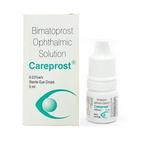
These drops gained immense popularity, demonstrating an incredibly fast and always noticeable result since its application. This innovative means will allow you to give your eyelashes an ideal look, strength and health, in whatever serious condition they are before the moment of its application. It is safe and effective providing amazing results.
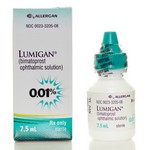
This means is prescribed to reduce eye pressure. Its active ingredient is synthetic prostaglandin bimatoprost – an unsaturated fatty acid, similar in its properties to hormones. Getting into the eye, drops help maintain the balance of the flow and outflow of eye fluid. It is a violation of this balance that leads to an increase in pressure, due to which the blood supply to the eye is impaired and the load on the optic nerve increases.

Bimatoprost reduces IOP in humans by increasing the outflow of aqueous humor through the trabecular meshwork and uveoscleral outflow. IOP reduction begins about 4 hours after the first use. The maximum effect is achieved after about 8–12 hours. The effect lasts for at least 24 hours.
Vancomycin Eye Drops Uses
Vancomycin eye drops are a medication that is specifically formulated for use in the eyes. They are primarily used to treat bacterial eye infections such as conjunctivitis (pink eye) and corneal ulcers. Vancomycin is an antibiotic that belongs to the class of drugs known as glycopeptides, which are effective against a wide range of bacteria.
When applied directly to the eye, vancomycin eye drops work by inhibiting the growth and spread of bacteria, helping to eliminate the infection. It is important to note that these eye drops are only intended for use on the surface of the eye and should not be ingested or used in any other way.
Vancomycin eye drops are typically prescribed by a healthcare professional and proper usage instructions should be followed closely. The length of treatment may vary depending on the specific infection and its severity. It is important to complete the full course of treatment even if symptoms improve to ensure that the infection is fully cleared.
While vancomycin eye drops can be effective in treating bacterial eye infections, they may not be suitable for everyone. It is important to inform your healthcare provider about any existing medical conditions, medications, or allergies before using vancomycin eye drops. They will be able to determine if this medication is appropriate for you and if any special precautions need to be taken.
Like any medication, vancomycin eye drops can have potential side effects. Common side effects may include temporary eye irritation, burning, or stinging upon application. If these side effects persist or worsen, it is important to contact your healthcare provider.
In rare cases, vancomycin eye drops can cause more serious side effects such as allergic reactions. Signs of an allergic reaction may include severe eye pain, redness, swelling, or difficulty breathing. If you experience any of these symptoms, seek immediate medical attention.
It is also important to follow proper storage guidelines for vancomycin eye drops. Store them at room temperature and keep them out of direct sunlight. Additionally, be sure to wash your hands before and after using the eye drops to prevent the spread of infection.
Overall, vancomycin eye drops are a commonly prescribed treatment for bacterial eye infections. They can be effective in providing relief and helping to clear the infection when used as directed. It is always important to consult with a healthcare professional for proper diagnosis and treatment of any eye condition.
Murine Hayfever Eye Drops Review
Murine Hayfever Eye Drops are a popular over-the-counter remedy for alleviating symptoms of hayfever in the eyes. These eye drops provide relief from itching, redness, and watering caused by allergies. Many individuals turn to Murine Hayfever Eye Drops as a convenient and effective solution for managing their hayfever symptoms.
Effectiveness for Alleviating Hayfever Symptoms
Based on user experiences and testimonials, Murine Hayfever Eye Drops are generally considered to be effective in providing relief from hayfever symptoms. Individuals have reported a reduction in itching, redness, and watering of the eyes after using these eye drops.
One user stated, “I have been using Murine Hayfever Eye Drops for the past month, and they have made a significant difference in my hayfever symptoms. My eyes used to get extremely itchy and red, but now I find instant relief after using these drops.”
How to Use Murine Hayfever Eye Drops
Using Murine Hayfever Eye Drops is simple and straightforward. The recommended dosage is to instill one or two drops into each affected eye, up to four times a day. It is important to follow the instructions provided on the packaging or as directed by a healthcare professional.
Potential Side Effects
Murine Hayfever Eye Drops are generally well-tolerated, but like any medication, they may cause side effects in some individuals. The most commonly reported side effects include a slight burning or stinging sensation upon instillation, temporary blurry vision, or eye discomfort.
If any adverse reactions or allergic symptoms occur after using Murine Hayfever Eye Drops, it is important to discontinue use and consult a healthcare professional.
Conclusion
In conclusion, Murine Hayfever Eye Drops are widely used and trusted for the relief of hayfever symptoms in the eyes. Users have reported positive experiences and find relief from itching, redness, and watering after using these eye drops. As with any medication, it is recommended to consult with a healthcare professional before using Murine Hayfever Eye Drops, especially if you have any underlying medical conditions or are taking other medications.
Can Eye Drops Affect Your Ears?
When we think of using eye drops, we often focus on their impact on our eyes. However, it’s important to be aware that certain eye drops can also affect our ears and potentially cause problems. Understanding the connection between eye drops and ear-related issues can help us take the necessary precautions to prevent any adverse effects.
How Certain Eye Drops Can Affect the Ears
Some eye drops contain active ingredients that can affect the surrounding tissues, including the ears. For example, corticosteroid eye drops, commonly used to reduce inflammation in the eyes, can have systemic effects when absorbed into the bloodstream. These effects can include fluid retention or changes in electrolyte balance, which can impact the ears and contribute to issues like tinnitus or ear fullness.
Additionally, some eye drops may contain preservatives or other ingredients that can irritate the delicate tissues of the ears if any amount of the drop reaches the ear canal. In some cases, this can lead to discomfort, itching, or other symptoms related to ear irritation.
Preventing Adverse Effects on the Ears
To reduce the risk of eye drops affecting your ears, it’s important to follow the instructions provided by your healthcare provider or the manufacturer. Here are some tips to keep in mind:
- Ensure that the eye drops are specifically intended for use in the eyes and not the ears. Using eye drops in the ears without proper guidance can be potentially harmful.
- Be cautious when applying eye drops near the ears. Try to aim the drops directly into the eye and avoid excess drips or spillage.
- Consider tilting your head back slightly or lying down when using eye drops to minimize the risk of excess fluid entering the ears.
- If you experience any discomfort, pain, or changes in your ears after using eye drops, it’s important to seek medical attention. A healthcare professional can determine the underlying cause and provide appropriate treatment.
Conclusion
While most eye drops primarily target the eyes, it’s important to be aware of the potential impact they can have on our ears. Taking the necessary precautions can help prevent any adverse effects and ensure our overall well-being. If you have any concerns or questions about using eye drops, it’s always best to consult with a healthcare professional.
Do Over-the-Counter Drops Work for Pink Eye?
Pink eye, also known as conjunctivitis, is a common condition that causes inflammation and redness of the conjunctiva, the clear tissue that covers the white part of the eye. It can be caused by a viral or bacterial infection, allergies, or irritants like smoke or chlorine. It can be highly contagious and spread easily, especially among children or in crowded environments.
When it comes to treating pink eye, there are various options available. Over-the-counter (OTC) eye drops are commonly used to alleviate the symptoms of pink eye and promote healing. These drops can provide temporary relief from redness, itching, and discomfort associated with the condition.
However, it is important to note that not all over-the-counter eye drops are created equal, and their effectiveness can vary depending on the cause of the pink eye. Here are some key points to consider:
Effectiveness of Over-the-Counter Eye Drops
1. Lubricating Eye Drops: These drops can help soothe dryness and relieve discomfort associated with pink eye, but they do not treat the underlying cause of the infection or inflammation.
2. Antihistamine Eye Drops: These drops are designed to alleviate symptoms caused by allergies, such as itching and redness. They can be effective in relieving pink eye symptoms if the condition is caused by an allergic reaction.
3. Antibiotic Eye Drops: Some over-the-counter eye drops contain low doses of antibiotics, which can be effective in treating bacterial conjunctivitis. However, it is important to note that bacterial conjunctivitis often requires prescription-strength antibiotics for effective treatment.
Limitations of Over-the-Counter Drops for Pink Eye
While over-the-counter eye drops can be helpful in alleviating symptoms of pink eye, they may not always provide a complete or long-lasting solution. Here are some limitations to consider:
1. Viral Conjunctivitis: Most cases of pink eye are caused by viral infections, which do not respond to antibiotics. In these cases, over-the-counter drops may only provide temporary relief from symptoms and do not target the underlying virus.
2. Severe Cases: Over-the-counter eye drops may not be strong enough to treat severe cases of pink eye. If symptoms persist or worsen after using over-the-counter drops, it is important to seek professional medical treatment.
3. Allergic Reactions: While antihistamine eye drops can help relieve symptoms caused by allergies, they may not be effective for all individuals or for cases where the pink eye is not allergy-related.
4. Proper Diagnosis: It is crucial to correctly identify the cause of pink eye before choosing an appropriate treatment. If you are unsure about the cause of your pink eye, it is recommended to consult with a healthcare professional for an accurate diagnosis.
When to Seek Professional Medical Treatment
While over-the-counter eye drops can provide temporary relief, it is important to know when professional medical treatment is necessary. Here are some situations where it is recommended to seek medical attention:
1. Persistent Symptoms: If pink eye symptoms persist or worsen after using over-the-counter drops for a few days, it is important to consult with a healthcare professional.
2. Severe Pain or Vision Changes: If you experience severe pain, significant vision changes, or eye discharge that is thick or pus-like, it is important to seek immediate medical attention.
3. Contact Lens Wearers: If you wear contact lenses and develop symptoms of pink eye, it is important to stop wearing your lenses and consult with an eye care professional.
In summary, over-the-counter eye drops can provide temporary relief from the symptoms of pink eye. However, their effectiveness may vary depending on the cause of the pink eye and the severity of the condition. It is important to correctly identify the cause of pink eye and consult with a healthcare professional if symptoms persist or worsen.