The Dangers of Using Too Many Eye Drops
Using eye drops can be a convenient and effective way to relieve symptoms such as dryness, redness, or itchiness. However, it’s important to use these medications responsibly and in moderation, as using too many eye drops can lead to adverse effects. Here are some key points to keep in mind:
1. Explanation of How Using Too Many Eye Drops Can Lead to Adverse Effects
Excessive use of eye drops can have negative consequences for your eyes and overall eye health. When you use too many eye drops, you may be overmedicating or exposing your eyes to unnecessary chemicals. Some eye drop ingredients, such as vasoconstrictors or preservatives, can cause harm in excessive amounts.
Overusing eye drops can disrupt the natural balance of your tears, leading to dryness or irritation. This can create a cycle of dependency, where you feel the need to use eye drops more frequently to relieve discomfort. Additionally, using eye drops that contain preservatives too often can irritate the delicate tissues of the eye and cause further damage.
2. Examples of Common Eye Drop Ingredients That Can Cause Harm in Excessive Amounts
It’s important to read the labels and instructions of any eye drops you use to understand their ingredients and potential risks. Here are some common ingredients that can cause harm if used excessively:
- Vasoconstrictors: These ingredients work by constricting blood vessels in the eyes, reducing redness. However, using them too frequently can result in rebound redness and dependency.
- Preservatives: Preservatives are added to eye drops to prevent bacterial contamination. However, using eye drops with preservatives too often can lead to irritation or allergic reactions.
- Anti-inflammatory agents: Some eye drops contain anti-inflammatory agents to reduce swelling and redness. These agents can have side effects, such as increased intraocular pressure, if used excessively.
3. Potential Side Effects of Using Too Many Eye Drops
Using too many eye drops can have several potential side effects on your eyes and overall eye health. Here are some common side effects associated with excessive use:
- Dryness: Overusing eye drops can disrupt the natural balance of your tears, resulting in dry, uncomfortable eyes.
- Irritation: Excessive use of eye drops, particularly those with preservatives, can cause irritation, redness, or burning sensation in the eyes.
- Allergic reactions: Some individuals may be allergic to certain eye drop ingredients, leading to allergic reactions such as itching, swelling, or hives.
- Dependency: Overusing eye drops can create a reliance on the medication, making it difficult for your eyes to produce tears naturally.
It’s important to follow the instructions provided by your healthcare professional or the manufacturer when using eye drops. If you experience any unusual or persistent side effects, consult your doctor or eye specialist.
Can Ear Drops Be Used in the Eye?
When it comes to treating ailments in our bodies, we often try to find quick solutions and may think that using one medication for multiple purposes could be a time-saving and cost-effective option. However, it is essential to understand that certain medications are specifically formulated for particular parts of our body and should not be used interchangeably. This is the case with ear drops and eye drops, which are designed for different purposes and should not be used interchangeably.
Differences Between Ear Drops and Eye Drops
Ear drops and eye drops contain different ingredients and are formulated to address distinct issues. Ear drops are designed to treat conditions in the ear, such as ear infections, excess earwax, or inflammation. They typically contain active ingredients like antibiotics, antifungals, or anti-inflammatory agents.
On the other hand, eye drops are specifically created to address eye-related issues, including dry eyes, allergies, or eye infections. These eye drops usually contain lubricants, antihistamines, or even antibiotics specifically formulated for the delicate structures of the eye.
“The chemical composition of ear drops and eye drops is tailored to the specific needs of these areas.”
Risks and Complications of Using Ear Drops in the Eye
Using ear drops in the eye can result in significant risks and complications. Since ear drops are not designed for the eye, the chemical composition may be harmful or irritating to the delicate tissues and structures of the eye. The potential risks of using ear drops in the eye include:
- Corneal damage: The cornea, the clear dome covering the front of the eye, is extremely delicate. Using ear drops in the eye can damage the cornea and potentially lead to vision problems.
- Irritation and inflammation: The chemicals in the ear drops can cause irritation and inflammation on the surface of the eye, leading to discomfort, redness, and swelling.
- Allergic reactions: The ingredients in ear drops may trigger allergic reactions when applied to the eye. Allergic reactions can range from mild symptoms like itching and redness to severe reactions that require immediate medical attention.
“Using ear drops in the eye can result in corneal damage, irritation, inflammation, and allergic reactions.”
Conclusion
While it may be tempting to use ear drops in the eye as a quick fix, it is important to refrain from doing so. Ear drops and eye drops are formulated differently, with specific ingredients to address specific issues in their respective areas. Using ear drops in the eye can lead to potentially harmful effects and should be avoided at all costs. If you are experiencing eye-related issues, it is best to consult with a healthcare professional or an eye specialist who can provide appropriate guidance and recommend the right treatment for your condition.
Ciplox Eye Drops for Dogs and Animals
What are Ciplox Eye Drops?
Ciplox eye drops are a type of medication that is commonly used to treat eye infections in humans. These eye drops contain an antibiotic called ciprofloxacin, which helps to kill the bacteria causing the infection. Ciplox eye drops are approved for use in both adults and children.
Using Ciplox Eye Drops in Animals
Ciplox eye drops can also be used in animals, including dogs, to treat certain eye infections. However, it is important to note that the use of Ciplox eye drops in animals should only be done under the guidance of a veterinarian. The dosage and treatment duration may vary depending on the specific condition and the weight of the animal.
When using Ciplox eye drops in animals, it is crucial to follow the instructions provided by the veterinarian. This includes properly cleaning the eye area before administering the drops and using the correct dosage. It is also important to monitor the animal for any side effects or adverse reactions during the course of treatment.
Precautions and Potential Side Effects
While Ciplox eye drops can be effective in treating eye infections in animals, there are certain precautions and potential side effects to be aware of. Some common side effects that may occur in animals include mild eye irritation, redness, or discomfort.
It is important to avoid touching the dropper tip to any surface, including the eye, to prevent contamination. If any allergic reactions or severe side effects occur, such as swelling or difficulty breathing, it is essential to seek immediate veterinary attention.
Consulting a Veterinarian
Before using Ciplox eye drops or any other medication on an animal, it is crucial to consult a veterinarian. They can properly diagnose the underlying condition and prescribe the appropriate treatment. Using medications intended for humans on animals can be dangerous and may lead to adverse effects.
A veterinarian will be able to provide personalized recommendations and guidance based on the specific needs and health of the animal. They can also advise on proper administration techniques and any necessary precautions to ensure the safety and effectiveness of the treatment.
It is always best to consult a healthcare professional, such as a veterinarian, before using any medication or treatment on animals or humans. This will help ensure the well-being and health of both animals and humans.

Bimat eye drops are used to treat hypotrichosis, short, weak eyelashes. Bimat increases the length, thickness and enhances the color of eyelashes. These substances are also used to lower intraocular pressure in patients with a diagnosis of glaucoma. By reducing the pressure, the risk of blindness is significantly decreased.
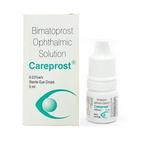
These drops gained immense popularity, demonstrating an incredibly fast and always noticeable result since its application. This innovative means will allow you to give your eyelashes an ideal look, strength and health, in whatever serious condition they are before the moment of its application. It is safe and effective providing amazing results.
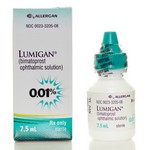
This means is prescribed to reduce eye pressure. Its active ingredient is synthetic prostaglandin bimatoprost – an unsaturated fatty acid, similar in its properties to hormones. Getting into the eye, drops help maintain the balance of the flow and outflow of eye fluid. It is a violation of this balance that leads to an increase in pressure, due to which the blood supply to the eye is impaired and the load on the optic nerve increases.

Bimatoprost reduces IOP in humans by increasing the outflow of aqueous humor through the trabecular meshwork and uveoscleral outflow. IOP reduction begins about 4 hours after the first use. The maximum effect is achieved after about 8–12 hours. The effect lasts for at least 24 hours.
How to Properly Use Anti-Itch Eye Drops
If you’ve ever experienced itchy, irritated eyes, you may have turned to anti-itch eye drops for relief. These drops are designed to provide temporary relief from itching and redness caused by allergies or other irritants. However, it’s important to use these eye drops properly to ensure their effectiveness and minimize the risk of complications. Here are some tips on how to correctly administer and handle anti-itch eye drops:
- Wash your hands: Before using the eye drops, make sure to wash your hands thoroughly with soap and water. This helps prevent any dirt or bacteria from coming into contact with your eyes.
- Read the instructions: Carefully read and follow the instructions provided with the eye drops. Different brands may have slightly different dosing instructions, so it’s important to familiarize yourself with the specific guidelines for your particular product.
- Tilt your head back: Gently tilt your head back and look up at the ceiling. This position helps ensure that the eye drops reach the surface of your eye and are not wasted.
- Hold the dropper: Carefully remove the cap from the eye drop bottle, being careful not to touch the dropper tip. Holding the bottle with one hand, use your other hand to hold your lower eyelid down, creating a small pocket.
- Administer the drops: With your head still tilted back, gently squeeze the bottle to release one or two drops into the pocket formed by your lower eyelid. Avoid blinking or closing your eye while administering the drops to allow them to spread evenly across the surface of your eye.
- Close your eyes: After administering the drops, close your eyes gently and keep them closed for a few minutes. This allows the eye drops to be absorbed and distributed throughout your eye.
- Store properly: After using the eye drops, make sure to securely replace the cap on the bottle. Store the bottle in a cool, dry place, away from direct sunlight or excessive heat.
It’s important to note that while anti-itch eye drops can provide temporary relief, they may not address the underlying cause of your eye irritation. If you experience persistent or severe symptoms, it’s best to consult a healthcare professional for further evaluation and guidance.
Common Mistakes to Avoid
When using anti-itch eye drops, there are a few common mistakes that you should avoid to ensure their proper use and effectiveness:
- Touching the dropper tip to the eye: This can contaminate the eye drops and potentially introduce bacteria into your eye. Always avoid touching the dropper tip to your eye or any other surface.
- Using expired eye drops: Check the expiration date on the eye drop bottle before using them. Expired eye drops may not be as effective or could potentially cause additional irritation.
- Sharing eye drops: Eye drops should not be shared with others, as this can spread bacteria and increase the risk of infection. Each individual should have their own bottle of eye drops.
By following these guidelines and avoiding common mistakes, you can ensure that you are using anti-itch eye drops safely and effectively. If you have any concerns or questions about their use, it’s always best to consult with a healthcare professional or your eye doctor for personalized advice and guidance.
Sources:
Signs of an Allergic Reaction to Eye Drops
Allergic reactions to eye drops can vary in severity, but it’s important to be aware of the signs and symptoms so that you can seek appropriate medical help if needed. Here are some common signs to look out for:
- Redness and itching: If you notice your eyes becoming red and itchy after using eye drops, it could be a sign of an allergic reaction. This can be accompanied by a burning or stinging sensation.
- Swelling: Allergic reactions can cause swelling of the eyelids, conjunctiva (the clear tissue covering the white part of the eye), or even the entire eye. This swelling can be mild or severe.
- Discharge: Some people may experience excessive tearing or a different type of discharge from the eyes, such as pus-like or watery discharge.
- Blurred vision: Blurred vision can occur as a result of an allergic reaction to eye drops. It may be temporary or persist if the reaction is not addressed.
- Foreign body sensation: Some individuals may feel as though there is a foreign object or grittiness in their eyes after using eye drops.
If you experience any of these symptoms after using eye drops, it is important to seek medical help. An optometrist, ophthalmologist, or healthcare professional with expertise in eye conditions can evaluate your symptoms and provide appropriate treatment.
It’s worth noting that allergic reactions to eye drops are not very common. According to a survey conducted by the American Academy of Allergy, Asthma & Immunology, only 2.25% of patients reported an allergic reaction to eye drops.
| Allergic Reaction Symptoms | Percentage of Patients Reporting Symptoms |
|---|---|
| Redness and itching | 67.5% |
| Swelling | 45.7% |
| Discharge | 12.3% |
| Blurred vision | 22.1% |
| Foreign body sensation | 33.8% |
While these statistics indicate that allergic reactions to eye drops are relatively uncommon, it’s still important to be cautious and seek professional advice if you suspect an allergic reaction.
To help prevent allergic reactions to eye drops, it’s important to read the product labels carefully and check for any known allergens in the ingredients list. If you have a known allergy to a particular ingredient, make sure to avoid eye drops that contain it. If you’re unsure about which eye drops to use or if you have any concerns, consult with a healthcare professional who can provide guidance based on your individual needs and medical history.
The importance of proper treatment for dry eyes
Dry eyes can be a frustrating and uncomfortable condition that affects many individuals. It occurs when the eyes do not produce enough tears or when the tears evaporate too quickly. Common symptoms of dry eyes include redness, itching, burning, and blurred vision. While eye drops are a common treatment for dry eyes, there are alternative options available that can provide relief.
1. Artificial tears
One of the most popular and effective treatments for dry eyes is the use of artificial tears. These eye drops work by providing lubrication to the eyes, helping to moisturize and soothe the dryness. Artificial tears are available over-the-counter and can be used as often as needed to alleviate symptoms.
It’s important to choose the right type of artificial tears for your specific needs. Some eye drops are formulated for mild dryness, while others are designed for more severe cases. Consulting with a healthcare professional or pharmacist can help you determine which type of artificial tears is best for you.
2. Lubricating ointments
In addition to artificial tears, lubricating ointments can also provide relief for dry eyes. Unlike eye drops, which are liquid and quickly absorbed, these ointments are thicker and provide longer-lasting lubrication. They can be applied to the eye before bedtime to provide overnight relief for dryness.
Keep in mind that lubricating ointments can cause temporary blurring of vision, so it’s best to use them before going to sleep. It’s also important to follow the instructions provided by the manufacturer and consult a healthcare professional if you have any concerns or questions.
3. Lifestyle changes
In addition to using eye drops or ointments, making certain lifestyle changes can also help alleviate dry eyes. Avoiding smoke, whether it’s cigarette smoke or smoke from fireplaces or burning candles, can reduce eye irritation. Using a humidifier in your home or office can add moisture to the air, preventing rapid evaporation of tears.
Wearing sunglasses or goggles outdoors can also protect your eyes from wind and other environmental factors that can exacerbate dryness. Taking regular breaks from staring at screens, whether it’s a computer or a smartphone, can also help reduce eye strain and dryness.
Consult a healthcare professional
If you are experiencing persistent dry eye symptoms or if your symptoms worsen, it’s crucial to consult a healthcare professional. They can evaluate your condition and provide personalized recommendations and guidance based on your specific needs.
A healthcare professional can also determine if there are any underlying causes for your dry eyes, such as allergies or certain medical conditions. They may recommend additional treatments or refer you to an eye specialist for further evaluation.
In conclusion, while eye drops can be a useful treatment for dry eyes, there are alternative options available that can provide relief. Using artificial tears, lubricating ointments, and making lifestyle changes can help alleviate dryness and discomfort. Consulting a healthcare professional is essential for proper diagnosis and personalized treatment recommendations.
The Importance of Consulting a Healthcare Professional
When it comes to treating eye conditions or using eye drops, it is crucial to consult a healthcare professional. While there is plenty of information available online, self-diagnosis and self-medication can lead to unintended consequences and potential harm. Here are a few reasons why seeking medical advice is essential:
Personalized Recommendations and Guidance
Every individual is unique, and what works for one person may not work for another. By consulting a healthcare professional, you can receive personalized recommendations and guidance tailored to your specific needs. They can assess your overall health, consider any existing medical conditions or allergies, and provide you with the most suitable treatment options.
A healthcare professional will be able to determine the underlying cause of your eye condition and recommend an appropriate course of action. For example, if you are experiencing dry eyes, they may advise lifestyle changes, such as using a humidifier or avoiding smoke, in addition to prescribing lubricating eye drops.
Access to Expertise and Knowledge
Healthcare professionals, particularly eye specialists or ophthalmologists, have extensive expertise and knowledge in treating eye conditions. They have undergone years of medical training and have experience in diagnosing and managing various eye problems.
By consulting a healthcare professional, you can tap into their expertise and benefit from their specialized knowledge. They can provide you with accurate information about your eye condition, the available treatment options, and any potential risks or side effects associated with specific medications.
Preventing Further Complications or Damage
Some eye conditions, if left untreated or improperly managed, can lead to further complications and potentially permanent damage to your vision. By seeking medical advice, you can ensure that your eye condition is properly diagnosed and treated, reducing the risk of complications.
For example, if you experience symptoms such as severe eye pain, sudden vision loss, or the presence of foreign objects in your eye, it is crucial to seek immediate medical attention. These symptoms could indicate a more serious underlying problem that requires prompt treatment.
Regular Monitoring and Follow-Up
Some eye conditions may require regular monitoring and follow-up appointments to track progress and adjust treatment as needed. By consulting a healthcare professional, they can establish a treatment plan and schedule follow-up visits to assess your response to the treatment.
Regular monitoring is particularly important for chronic eye conditions, such as glaucoma or macular degeneration. These conditions often require lifelong management, and a healthcare professional can help ensure that your treatment is effective and appropriate.
Recognizing Symptoms of Serious Conditions
While it’s important not to panic over every minor eye issue, it’s equally crucial to recognize symptoms that may indicate a serious condition. By consulting a healthcare professional, they can differentiate between a minor issue and a potentially serious condition that requires immediate attention.
For example, sudden or severe eye pain, sudden vision loss, double vision, or eye injuries should not be ignored and warrant immediate medical evaluation.
In conclusion, when it comes to your eye health, consulting a healthcare professional is paramount. They can provide personalized recommendations, access to expertise, prevent further complications, and monitor your progress. Never hesitate to seek medical advice for any eye concerns or conditions. Your eyes are precious, and proper care is essential for maintaining optimal vision and eye health.