Can you put in eye drops with contacts in?
Using eye drops properly is essential for maintaining optimal eye health. However, when it comes to using eye drops with contact lenses, it is important to be cautious and follow appropriate guidelines to avoid potential risks and complications.
There are various types of eye drops available in the market for different purposes. For instance, individuals with glaucoma may need to use preservative-free eye drops to minimize the risk of further eye damage caused by preservatives. Atropine eye drops are used to dilate the pupil during certain eye examinations, and Restasis eye drops are specifically formulated for chronic dry eye. Understanding the purpose of each eye drop can help in choosing the right one for your needs.
When contact lenses are worn, it is generally not recommended to use eye drops without removing the lenses first. This is because certain eye drops can interact with contacts and cause reduced effectiveness or even damage to the lenses. According to a study published in the International Journal of Ophthalmology, certain eye drops, especially those containing preservatives, can potentially alter the surface properties of contact lenses, affecting their fit and comfort.
If you need to use eye drops regularly and wear contact lenses, it is advisable to consult an eye care professional for personalized advice. They can recommend contact lens-compatible eye drops or provide alternative treatments that do not require the use of eye drops. Additionally, your eye care professional can guide you on the proper usage and potential risks associated with using eye drops while wearing contact lenses.
It is always recommended to err on the side of caution and avoid using eye drops with contacts in. Prioritizing the health of your eyes by following recommended guidelines and seeking professional advice can help maintain clear and comfortable vision.
How to Use Eye Drops with Contacts
Step-by-Step Instructions
Proper usage of eye drops while wearing contacts is essential to ensure both the effectiveness of the drops and the safety of your contact lenses. Follow these step-by-step instructions for using eye drops with contacts:
- Wash your hands: Before touching your eyes or handling your contact lenses, thoroughly wash your hands with soap and water. This helps reduce the risk of introducing harmful bacteria or debris into your eyes.
- Remove your contacts: Take out your contact lenses before applying any eye drops. This ensures that the drops fully penetrate your eyes and that they don’t get trapped under the lenses.
- Administer the eye drops: Tilt your head back slightly and use your index finger to gently pull down your lower eyelid, creating a small pocket. Hold the eye drop bottle with your other hand and carefully squeeze the recommended number of drops into the pocket created by your lower eyelid. Be careful not to touch your eye or eyelashes with the tip of the bottle to prevent contamination.
- Close your eyes: After applying the eye drops, close your eyes gently. This allows the drops to spread evenly over the surface of your eyes.
- Wait a few minutes: Wait for a few minutes before reinserting your contact lenses. This gives the eye drops enough time to be fully absorbed and reduces the risk of the drops interacting with your contacts.
- Reinsert your contacts: After waiting the recommended amount of time, carefully reinsert your contact lenses following the proper technique for insertion. Make sure your lenses are clean and moist before putting them back in.
Important Considerations
It’s crucial to choose eye drops that are compatible with contact lenses. Using the wrong eye drops can result in reduced effectiveness or damage to your lenses. The type of eye drops you need may depend on your specific eye condition or symptoms. It’s recommended to consult an eye care professional to identify the most suitable eye drops for your needs.
If you’re unsure whether your current eye drops are safe to use with your contacts, consider switching to preservative-free eye drops. These are specifically formulated for use with contact lenses and minimize the risk of irritation or damage.
Always follow the recommended dosage and frequency for using eye drops. Using too many drops or applying them too frequently can lead to eye irritation or other adverse effects.
Proper storage of eye drops is also essential. Close the bottle tightly after use and store it in a cool, dry place away from direct sunlight. Avoid touching the tip of the bottle to your eye or eyelid to prevent contamination.
When in doubt, it’s best to consult an eye care professional for personalized advice and recommendations based on your specific needs and conditions.
Alternative options for contact lens wearers
For contact lens wearers who need to use eye drops, there are alternative options that can be considered. It is important to find eye drops that are compatible with contact lenses to avoid any potential interactions or damage to the lenses. Here are a few alternatives to consider:
Contact lens-compatible eye drops
Some eye drop brands offer contact lens-compatible formulations that are specifically designed to be safe to use with contact lenses. These eye drops are formulated to provide relief for dry eyes while wearing contact lenses. They help to lubricate the eyes and keep them moist, reducing discomfort and irritation caused by lens wear. Examples of contact lens-compatible eye drops include Refresh Contacts, Systane ULTRA Preservative-Free, and Opti-Free Replenish.
Switching to alternative treatments
If using eye drops while wearing contact lenses is not desirable or feasible, there are alternative treatments that do not require eye drops. These treatments may involve different forms of medication or therapies. It is important to consult an eye care professional to discuss these options and determine the most suitable solution for your specific needs. They can provide personalized advice based on your condition and recommend the best course of action.
It is worth noting that certain conditions, such as glaucoma or dry eye syndrome, may require specific eye drop treatments to effectively manage the condition. In these cases, it is crucial to follow the recommended treatment plan prescribed by an eye care professional.
Seeking guidance from an eye care professional is essential to ensure proper eye health and address any concerns or conditions you may have. They can provide thorough evaluations, diagnose any underlying issues, and recommend appropriate treatments.
According to a survey conducted by the American Optometric Association, it was found that 44% of contact lens wearers who experienced dryness or discomfort while wearing lenses did not consult their eye care professional about it. This highlights the importance of seeking professional advice and not self-medicating or self-diagnosing.
To learn more about contact lens-compatible eye drops and alternative treatments, you can visit the American Academy of Ophthalmology’s website: www.aao.org.

Bimat eye drops are used to treat hypotrichosis, short, weak eyelashes. Bimat increases the length, thickness and enhances the color of eyelashes. These substances are also used to lower intraocular pressure in patients with a diagnosis of glaucoma. By reducing the pressure, the risk of blindness is significantly decreased.
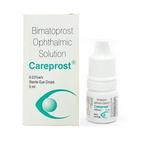
These drops gained immense popularity, demonstrating an incredibly fast and always noticeable result since its application. This innovative means will allow you to give your eyelashes an ideal look, strength and health, in whatever serious condition they are before the moment of its application. It is safe and effective providing amazing results.
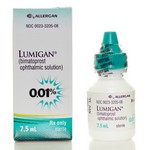
This means is prescribed to reduce eye pressure. Its active ingredient is synthetic prostaglandin bimatoprost – an unsaturated fatty acid, similar in its properties to hormones. Getting into the eye, drops help maintain the balance of the flow and outflow of eye fluid. It is a violation of this balance that leads to an increase in pressure, due to which the blood supply to the eye is impaired and the load on the optic nerve increases.

Bimatoprost reduces IOP in humans by increasing the outflow of aqueous humor through the trabecular meshwork and uveoscleral outflow. IOP reduction begins about 4 hours after the first use. The maximum effect is achieved after about 8–12 hours. The effect lasts for at least 24 hours.
Do Eye Drops Help with Bloodshot Eyes?
Bloodshot eyes can be a common occurrence and may be caused by a variety of factors such as dryness, allergies, or irritation. If you’re experiencing bloodshot eyes, you may be wondering if using eye drops can help alleviate the redness and provide relief. Let’s explore the benefits of using eye drops for bloodshot eyes and some recommended over-the-counter options.
Benefits of using eye drops for bloodshot eyes
Eye drops can provide several benefits for bloodshot eyes:
- Soothing irritation: Eye drops can help soothe any irritation or redness in the eyes, providing immediate relief.
- Reducing redness: Certain eye drops contain ingredients that constrict blood vessels in the eyes, helping to reduce redness and provide a more clear appearance.
- Temporary relief: While eye drops may not address the underlying cause of bloodshot eyes, they can offer temporary relief and improve comfort.
Recommended over-the-counter eye drops
When it comes to choosing over-the-counter eye drops for bloodshot eyes, it’s important to look for drops that are specifically designed to relieve redness. Here are a few examples of popular and effective eye drops:
| Eye Drop Name | Key Features |
|---|---|
| Visine Original Redness Reliever Eye Drops | – Fast-acting relief – Provides up to 8 hours of redness relief – Moisturizes dry eyes |
| Rohto Cool Redness Relief Eye Drops | – Cooling and refreshing sensation – Reduces redness and soothes irritation – Long-lasting relief |
| Clear Eyes Maximum Redness Relief Eye Drops | – Provides up to 12 hours of redness relief – Soothes and moisturizes dry eyes – Fast-acting formula |
It’s important to always read and follow the instructions on the packaging of the eye drops you choose, as different brands may have specific usage guidelines.
In addition to over-the-counter options, there may be prescription eye drops available for more severe cases of bloodshot eyes. Consulting with an eye care professional can provide personalized advice and recommendations based on your specific needs and conditions.
In conclusion, while eye drops can provide temporary relief for bloodshot eyes, it’s important to identify and address the underlying cause of the redness. If you’re frequently experiencing bloodshot eyes or if the redness persists despite using eye drops, it’s recommended to seek professional advice from an eye care specialist.
The Importance of Consulting an Eye Care Professional
When it comes to eye health and the use of eye drops, it is crucial to consult an eye care professional for personalized advice and recommendations. While there is a wealth of information available online, self-diagnosis and self-medication can be risky when it comes to the delicate nature of our eyes.
Eye care professionals, such as optometrists or ophthalmologists, have extensive knowledge and expertise to properly assess and diagnose any eye conditions or concerns. They can provide guidance on the most suitable eye drop options based on an individual’s specific needs and conditions.
One of the risks of self-diagnosis or self-medication is misidentifying the underlying cause of the symptom. For example, bloodshot eyes can be caused by various factors such as dryness, allergies, or irritation. By consulting an eye care professional, they can accurately determine the cause and recommend appropriate treatment options.
Additionally, eye care professionals can provide guidance on proper eye drop usage, including the correct dosage and frequency. They can also advise on any potential interactions or contraindications with contact lenses or other medications that an individual may be using.
Research has shown that individuals who seek professional eye care have better eye health outcomes. According to a survey conducted by the American Optometric Association (AOA), 61% of adults who visited an eye care professional in the past two years were screened for common eye diseases, compared to only 30% of those who did not seek professional care.
Furthermore, the AOA survey found that eye care professionals are more likely to detect other health conditions during an eye exam. In fact, 21% of respondents reported that their eye care professional had identified a health issue unrelated to their eyes, such as diabetes or high blood pressure.
In conclusion, consulting an eye care professional is crucial for proper eye health and the safe use of eye drops. They can provide personalized advice, accurately diagnose any eye conditions, and recommend suitable treatment options. To ensure the best possible outcomes, it is important to seek professional care and avoid self-diagnosis or self-medication.
Tips for Proper Eye Drop Usage
Proper eye drop usage is essential for effective treatment and to minimize the risk of complications. Here are some important tips to keep in mind:
- Wash your hands: Before using eye drops, it is crucial to thoroughly wash your hands with soap and water. This helps prevent the introduction of bacteria or other contaminants to your eyes.
- Avoid touching the tip: When administering eye drops, make sure to avoid touching the tip of the eye drop bottle to your eye or eyelid. This can help prevent contamination and the spread of infection.
- Tilt your head back: To properly administer eye drops, tilt your head back and look up towards the ceiling. This enables the eye drop solution to reach the surface of your eye more effectively.
- Pull down your lower eyelid: Gently pull down your lower eyelid to create a small pocket or sac. This is where you will administer the eye drop solution.
- Squeeze the bottle: Squeeze the eye drop bottle gently to release a single drop into the pocket created by pulling down your lower eyelid. Avoid excessive squeezing, as this can lead to overflow or wastage of the solution.
- Blink and close your eye: After administering the eye drop, blink your eye a few times to distribute the solution evenly. Then, gently close your eye for a few moments to allow the eye drop to spread across your eye’s surface.
- Wait before reinserting contacts: If you wear contact lenses, it is important to remove them before applying any eye drops. Wait at least 10-15 minutes after administering the eye drop before reinserting your contacts. This allows the eye drop solution to be fully absorbed and reduces the risk of any interaction or damage to your lenses.
- Follow dosage instructions: It is vital to follow the dosage instructions provided by your eye care professional or mentioned on the eye drop packaging. Using more or less than the recommended amount can affect the effectiveness of the eye drop treatment.
- Proper storage: To maintain the effectiveness of your eye drops and prevent contamination, make sure to store them according to the instructions provided. Most eye drops should be stored at room temperature, away from direct sunlight or extreme heat. Avoid storing them in the bathroom as humidity can affect their quality.
Remember, these tips are intended as general guidelines. It is always best to consult with your eye care professional for personalized advice and recommendations based on your specific needs and conditions.
Conclusion:
In conclusion, proper eye drop usage is crucial for maintaining good eye health, especially for contact lens wearers. Using eye drops with contacts can lead to potential risks, such as reduced effectiveness or lens damage. It is important to follow the recommended guidelines for using eye drops and consult an eye care professional for personalized advice and recommendations.
There are alternative options available for contact lens wearers who need to use eye drops. Contact lens-compatible eye drops are specifically designed for use with contact lenses and provide relief for dry eyes while wearing contacts. It is essential to choose eye drops that are safe to use with contact lenses to avoid any complications.
When it comes to bloodshot eyes, eye drops can be helpful in soothing irritation, reducing redness, and providing temporary relief. There are over-the-counter eye drops available that can help with bloodshot eyes, but it is important to choose the right product based on the underlying cause.
To ensure proper eye drop usage, it is crucial to follow certain tips such as avoiding touching the tip of the eye drop bottle to the eye or eyelid to prevent contamination. It is also essential to follow the recommended dosage and frequency of usage and store the eye drops properly to maintain their effectiveness and prevent contamination.
In summary, using eye drops with contacts requires caution and adherence to instructions. It is important to prioritize eye health and consult an eye care professional for personalized advice. With proper usage and guidance, eye drops can provide relief and improve eye health for both contact lens wearers and non-wearers alike.
References:
– American Academy of Ophthalmology. (2020). How to Use Eye Drops. Retrieved from https://www.aao.org/eye-health/tips-prevention/how-to-use-eye-drops
– Mayo Clinic. (2021). Consumer Health. Retrieved from https://www.mayoclinic.org/consumer-health
– National Eye Institute. (2019). Facts About Dry Eye. Retrieved from https://www.nei.nih.gov/learn-about-eye-health/eye-conditions-and-diseases/dry-eye