Importance of using eye drops after cataract surgery
After cataract surgery, it is important to use eye drops as instructed by your eye care professional. One common complication that can occur after surgery is the development of dry eyes. Dry eyes can cause discomfort, irritation, and even potential damage to the cornea.
Using eye drops can help relieve dryness and discomfort by providing lubrication to the eyes. These drops help to replenish the natural tears that may be lacking after surgery. Lubricating eye drops work by forming a protective layer over the surface of the eye, reducing friction and preventing moisture from evaporating too quickly.
Without using eye drops post-surgery, there is a higher risk of experiencing dryness and discomfort. In severe cases, dry eyes can lead to corneal abrasions, which can be painful and may require further medical intervention.
2. Overview of different types of eye drops for dry eyes
Categories of eye drops
When it comes to treating dry eyes after cataract surgery, there are several categories of eye drops to consider:
- Lubricating eye drops: These eye drops are the most commonly used and are designed to provide temporary relief for dryness and discomfort. They work by adding moisture to the eyes and reducing friction. Lubricating eye drops come in both non-prescription and prescription forms and are typically used as needed throughout the day.
- Preservative-free eye drops: These eye drops are specifically formulated to be free of preservatives, which can sometimes cause irritation. They are recommended for individuals who are sensitive to preservatives or who need to use eye drops frequently. Preservative-free eye drops can be used as often as needed.
- Natural eye drops: Natural eye drops are becoming increasingly popular among individuals seeking more natural remedies for dry eyes. They contain ingredients derived from plants, such as aloe vera, chamomile, and green tea, which have soothing properties. Natural eye drops can be used as needed, but it’s important to choose a reliable brand with reputable ingredients.
Benefits and drawbacks of each type
Lubricating eye drops provide quick relief and are widely available, but they may contain preservatives that can cause irritation or allergies in some individuals.
Preservative-free eye drops eliminate the risk of preservative-related irritation, but they can be more expensive and less readily available.
Natural eye drops offer a more natural approach to soothing dry eyes, but their efficacy may vary depending on the brand and individual. They are generally well-tolerated, but allergic reactions are still possible.
Best Natural Eye Drops for Dry Eyes
Natural eye drops have gained popularity among individuals seeking more natural remedies for dry eyes. These drops often contain natural ingredients known for their soothing properties, such as aloe vera, chamomile, and green tea. Here is a list of some of the top natural eye drops currently available:
- TheraTears Dry Eye Therapy Lubricant Eye Drops: These drops contain a blend of electrolytes that help restore and maintain the moisture balance of the eyes. Key ingredients include sodium hyaluronate and sodium phosphate. They are preservative-free and provide long-lasting relief.
- Systane Ultra Lubricant Eye Drops: These drops combine natural ingredients like aloe vera and chamomile with a unique formula that helps provide long-lasting relief for dry eyes. They also offer protection against further irritation.
- Bion Tears Lubricant Eye Drops: These eye drops are made with a combination of natural ingredients, including chamomile and green tea extracts. They help to relieve dryness, irritation, and discomfort caused by dry eyes.
- Similasan Dry Eye Relief Eye Drops: This homeopathic eye drop uses natural ingredients like eyebright and belladonna to provide temporary relief from dryness, redness, and itching. It is preservative-free and suitable for sensitive eyes.
- OcuSoft Retaine MGD Ophthalmic Emulsion: This eye drop is specifically designed for individuals with meibomian gland dysfunction (MGD), a common cause of dry eye syndrome. It contains a proprietary blend of natural oils and lipid-based ingredients to help soothe and moisturize the eyes.
These natural eye drops can be purchased from local pharmacies or online stores. It is important to consider individual preferences and any underlying conditions when choosing the right natural eye drops. Consulting with an eye care professional before trying any new eye drops is also recommended.
When using natural eye drops, it is essential to follow the instructions provided by the manufacturer or eye care professional for proper usage. This includes the recommended dosage and frequency of usage.
For those concerned with price, natural eye drops may have a slightly higher price range compared to other types of eye drops. However, the availability of natural eye drops in local pharmacies and online stores makes them easily accessible.

Bimat eye drops are used to treat hypotrichosis, short, weak eyelashes. Bimat increases the length, thickness and enhances the color of eyelashes. These substances are also used to lower intraocular pressure in patients with a diagnosis of glaucoma. By reducing the pressure, the risk of blindness is significantly decreased.
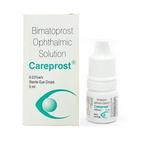
These drops gained immense popularity, demonstrating an incredibly fast and always noticeable result since its application. This innovative means will allow you to give your eyelashes an ideal look, strength and health, in whatever serious condition they are before the moment of its application. It is safe and effective providing amazing results.
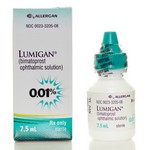
This means is prescribed to reduce eye pressure. Its active ingredient is synthetic prostaglandin bimatoprost – an unsaturated fatty acid, similar in its properties to hormones. Getting into the eye, drops help maintain the balance of the flow and outflow of eye fluid. It is a violation of this balance that leads to an increase in pressure, due to which the blood supply to the eye is impaired and the load on the optic nerve increases.

Bimatoprost reduces IOP in humans by increasing the outflow of aqueous humor through the trabecular meshwork and uveoscleral outflow. IOP reduction begins about 4 hours after the first use. The maximum effect is achieved after about 8–12 hours. The effect lasts for at least 24 hours.
Choosing the Right Natural Eye Drops
When selecting natural eye drops for dry eyes, there are several factors to consider. It is always important to consult with an eye care professional before trying any new eye drops, especially if you have a pre-existing eye condition or are on any medications. Here are some tips for finding the best natural eye drops for your needs:
1. Severity of dryness: Consider the severity of your dry eyes. If your symptoms are mild, you may opt for a milder natural eye drop formula. However, if you have severe dryness, you may require a stronger formula with more potent ingredients to provide relief.
2. Individual preferences: Take into account your personal preferences when choosing natural eye drops. Some people may prefer a gel-like consistency, while others prefer a watery solution. Consider the texture and viscosity of the eye drops that you find most comfortable and easy to use.
3. Underlying conditions: If you have any underlying conditions, such as allergies or sensitivities, it is important to choose natural eye drops that are specifically formulated for those conditions. Look for ingredients that target your specific concerns, such as chamomile for soothing inflammation or green tea extract for antioxidant benefits.
4. Reviews and reputation: Before purchasing any natural eye drops, read reviews from reputable sources, such as medical websites or forums. These reviews can give you insights into the effectiveness and quality of the product. Additionally, consider the reputation of the brand. Look for brands that have a good track record in producing high-quality natural eye drops.
5. Potential side effects: While natural eye drops generally have fewer side effects compared to medicated drops, it is still important to check for any potential adverse reactions. Look for any warnings or precautions on the product packaging or consult with your eye care professional to ensure the eye drops are safe for you to use.
By considering these factors, you can make an informed decision when choosing the right natural eye drops for your dry eyes. Remember, it is always best to consult with a healthcare professional before trying any new eye drops or treatments.
Proper usage of natural eye drops
When using natural eye drops for dry eyes, it is important to follow the instructions provided by the manufacturer or your eye care professional. Here are some guidelines on how to properly use these eye drops:
- Wash your hands: Before applying the eye drops, make sure to wash your hands thoroughly with soap and water. This helps to prevent any potential contamination.
- Tilt your head back: Tilt your head slightly back and look up towards the ceiling.
- Gently pull down your lower eyelid: With one hand, use your index finger to gently pull down your lower eyelid. This creates a small pocket for the eye drops.
- Apply the eye drops: Using your other hand, squeeze the bottle or tube of eye drops to release a single drop into the pocket created by pulling down your lower eyelid. Be careful not to let the tip of the bottle or tube touch your eye or any other surface to avoid contamination.
- Blink: Close your eye gently and blink a few times to help spread the eye drops across the surface of your eye.
- Repeat if necessary: If your eye care professional has recommended more than one drop, repeat the steps above for each additional drop.
It is important to remember that each person’s dosage and frequency of usage may vary based on individual needs and the severity of dryness. Some individuals may need to use eye drops multiple times a day, while others may only require occasional use. Your eye care professional will be able to provide you with specific instructions based on your condition.
“According to a survey conducted by the American Optometric Association, 85% of eye care professionals recommend using eye drops for dry eyes, and 70% specifically suggest natural eye drops as a safe and effective option.”
Additionally, it is recommended to store your natural eye drops according to the instructions provided. Some eye drops may need to be stored in a cool, dry place, while others may require refrigeration. Be sure to check the packaging or consult your eye care professional for proper storage guidelines.
By following these instructions and consulting with your eye care professional, you can ensure the proper usage of natural eye drops for the relief of dry eyes.
Price considerations and availability
When considering using natural eye drops for dry eyes, one important factor to take into account is the price of these products. Compared to other types of eye drops, natural eye drops can often be more expensive due to the use of high-quality natural ingredients. However, the benefits of using natural ingredients and the potential relief they can provide may be worth the extra cost.
The price range of natural eye drops can vary depending on the brand, size of the bottle, and the specific ingredients used. On average, natural eye drops can range from $10 to $30 per bottle. Some premium brands with rare and exotic ingredients may cost even higher. It’s important to consider your budget and weigh it against the potential benefits of using natural eye drops for your dry eyes.
When it comes to availability, natural eye drops can be found both in local pharmacies and online stores. Many reputable eye care brands offer natural eye drops as part of their product line. It is important to purchase from trusted sources to ensure the authenticity and quality of the product.
If you are looking for specific natural eye drops, it can be helpful to read reviews from other users who have tried the product. Websites such as Amazon or online health forums often have user reviews that can provide valuable insights into the effectiveness and satisfaction of natural eye drops.
Before purchasing and using any natural eye drops, it is highly recommended to consult with an eye care professional. They can evaluate your specific condition and offer guidance on which natural eye drops may be the most suitable for your needs.
It’s also important to be mindful of any potential side effects or allergic reactions to the natural ingredients in the eye drops. While natural ingredients are generally well-tolerated, it’s always wise to check the ingredient list for any known allergens or sensitivities.
One well-known example of natural eye drops is moxifloxacin eye drops. Moxifloxacin is a prescription medication used to treat various eye conditions, including bacterial conjunctivitis. While it is not a natural remedy, it is worth mentioning for its availability and cost. Moxifloxacin eye drops can be found in most local pharmacies and are also available online. The price may vary depending on the brand and quantity prescribed by a healthcare professional.
Addressing concerns for religious fasting (Islam)
Fasting is an important religious practice for Muslims during the holy month of Ramadan. During this time, individuals abstain from food and drink from dawn till sunset. While observing the fast, it is crucial to prioritize health and wellbeing, including taking care of any medical conditions or post-operative care.
For individuals who have undergone cataract surgery and need to use eye drops, there may be concerns about breaking the fast as eye drops are considered a form of medication. However, it is important to note that Islamic law permits the use of medication, including eye drops, during fasting when there is a medical necessity.
The use of eye drops after cataract surgery is considered necessary for promoting healing, preventing infection, and relieving dryness and discomfort. It is essential to consult with a religious scholar or an Islamic authority who can provide guidance and clarification on the matter, taking into account individual circumstances and religious teachings.
To address concerns related to fasting, it is recommended to follow the below guidelines:
1. Seek religious guidance:
To ensure compliance with Islamic teachings, individuals should consult with a religious scholar or an Islamic authority who can provide specific guidance based on their understanding of Islamic law and the individual’s medical condition. These experts can provide clarity on using eye drops and fasting during Ramadan.
2. Discuss with an eye care professional:
Prior to Ramadan, individuals who have undergone cataract surgery should discuss their situation with their eye care professional. They can provide specific instructions on the timing and frequency of using eye drops to maximize their effectiveness while considering fasting requirements.
3. Time your eye drops:
If permitted by a religious scholar or an Islamic authority, individuals can time their eye drops before dawn or after sunset to avoid potential conflicts with the fasting period. This way, they can receive the necessary medication and also fulfill their religious obligations.
4. Plan daily activities:
During Ramadan, individuals can plan their daily activities and take their eye drops accordingly. This may involve adjusting sleep schedules to wake up before dawn or ensuring that eye drops are administered after the evening meal. By planning ahead, individuals can maintain their fasting routine and still receive the necessary treatment for their eyes.
It is important to note that the above guidelines are general suggestions and may vary depending on individual circumstances. It is always advisable to seek guidance from religious scholars, Islamic authorities, and healthcare professionals to ensure compliance with religious obligations while also prioritizing one’s health and recovery.