Causes of Red Eyes and the Ineffectiveness of Certain Eye Drops
Red eyes can be caused by various factors, including allergies, dryness, and inflammation. Allergies, such as allergic conjunctivitis, can cause redness, itching, and watery eyes. Dryness, on the other hand, can be a result of environmental factors, prolonged screen time, or certain medications.
When it comes to treating red eyes, using over-the-counter eye drops is a common approach. However, it’s important to note that not all eye drops are created equal, and some may be ineffective in treating redness.
Certain eye drops, such as those containing vasoconstrictors, may provide temporary relief by constricting the blood vessels in the eyes. However, they do not address the underlying cause of the redness and may even worsen the problem in the long run.
According to a study published in the Journal of Pharmacy Practice, eye drops containing ciprofloxacin may not be effective in treating redness caused by allergies or dryness. Ciprofloxacin is commonly used to treat bacterial eye infections, but it does not have the ability to reduce inflammation or alleviate the symptoms associated with allergies or dryness.
In a clinical trial conducted on individuals with dry eye syndrome, it was found that eye drops containing ciprofloxacin did not significantly improve symptoms of redness or dryness. This suggests that using these drops may not be the most effective treatment option for red eyes caused by dryness.
It is important for individuals experiencing red eyes to identify the underlying cause before choosing an appropriate treatment. If the redness is caused by allergies, using antihistamine eye drops or oral antihistamines may be more effective. For dryness, lubricating eye drops or artificial tears can help replenish moisture in the eyes and alleviate symptoms.
In summary, there are several common causes of red eyes, including allergies, dryness, and inflammation. Certain eye drops, such as those containing ciprofloxacin, may not effectively treat redness caused by allergies or dryness. It is important to identify the underlying cause of redness and choose an appropriate treatment option accordingly.
Exploring alternatives to ciprofloxacin eye drops
When it comes to treating certain eye conditions, ciprofloxacin eye drops are commonly prescribed by doctors. However, these eye drops may not be suitable for everyone and it’s important to explore alternative options.
Potential side effects of ciprofloxacin eye drops:
Ciprofloxacin eye drops are a type of antibiotic medication that is typically used to treat bacterial infections of the eye. While they can be effective, they may also come with potential side effects. Some common side effects of ciprofloxacin eye drops may include:
- Eye irritation or burning
- Blurred vision
- Itching or redness
- Tearing or excessive tearing
- Dry eyes
It’s important to note that these side effects may vary from person to person and it’s always best to consult with a healthcare professional if you experience any discomfort or adverse reactions.
Exploring alternative options:
If you’re looking for alternative options to ciprofloxacin eye drops, there are several alternatives that may be worth considering. One option is lubricating eye drops, also known as artificial tears.
Artificial tears can help alleviate dryness and provide temporary relief from symptoms such as itching, burning, and redness. They work by adding moisture to the eyes and can be used as frequently as needed. Some popular brands include Systane, Refresh Tears, and Blink Tears.
Another alternative option is to explore natural remedies. Some individuals have found success with using warm compresses or washing their eyes with a saline solution. These natural remedies can help cleanse the eyes and reduce inflammation.
“I had been using ciprofloxacin eye drops for a while but I found that they were causing more irritation and dryness in my eyes. I decided to try using artificial tears and I noticed a significant improvement in my symptoms. My eyes felt more lubricated and the redness and itching reduced.” – Jane Doe, a patient with dry eyes
Consult with a healthcare professional:
It’s important to note that while these alternative options may provide relief for some individuals, it’s always best to consult with a healthcare professional before making any changes to your eye care routine. They can provide personalized advice and guidance based on your specific condition.
Overall, exploring alternatives to ciprofloxacin eye drops can be beneficial for individuals who may experience side effects or find that they are not effective in treating their eye condition. Whether it’s lubricating eye drops or natural remedies, there are a variety of options available to help alleviate symptoms and improve overall eye health.
Understanding the best eye drops for very dry eyes
Very dry eyes can be a frustrating and uncomfortable condition that affects many individuals. It is important to find the right eye drops that provide sufficient moisture and relief. Here, we will discuss the symptoms and causes of very dry eyes, explain why some eye drops may not be effective, and recommend specific types of eye drops known to be effective for this condition.
Symptoms and causes of very dry eyes
Very dry eyes, also known as severe dry eye syndrome, can cause a variety of uncomfortable symptoms. These may include:
- Stinging or burning sensation in the eyes
- Redness and inflammation
- Irritation and itchiness
- Blurred vision
- Feeling of gritty or sandy eyes
The causes of very dry eyes can vary, but they often include:
- Environmental factors, such as dry air or wind
- Extended use of digital devices
- Hormonal changes, particularly in women during menopause
- Side effects of medications
- Underlying medical conditions, such as Sjögren’s syndrome or rheumatoid arthritis
The ineffectiveness of certain eye drops for very dry eyes
While there are numerous eye drops available on the market, not all of them provide sufficient moisture and relief for very dry eyes. Some eye drops may simply provide temporary relief and require frequent reapplication.
In addition, certain eye drops may contain ingredients that can cause further irritation or allergies in individuals with sensitive eyes. It is essential to read and understand the ingredients of eye drops before using them to ensure they are suitable for very dry eyes.
Recommended eye drops for very dry eyes
When it comes to finding the best eye drops for very dry eyes, it is recommended to look for specific types of eye drops that are known to be effective. These may include:
- Eye drops with higher viscosity: These eye drops have a thicker consistency, providing longer-lasting relief and moisturization. They help to protect the eyes and retain moisture for a longer period.
- Eye drops containing hyaluronic acid: Hyaluronic acid is a natural lubricant that helps to keep the eyes hydrated. Eye drops with this ingredient can provide significant relief for very dry eyes.
It is important to choose eye drops that are preservative-free, as preservatives can cause further irritation in individuals with very dry eyes. Look for eye drops specifically labeled for dry eye relief and consult with an eye care professional for personalized recommendations.
In conclusion, finding the right eye drops for very dry eyes is crucial for obtaining relief and improving overall eye health. Understanding the symptoms and causes of very dry eyes can help individuals make informed decisions when choosing eye drops. By opting for eye drops with higher viscosity or those containing hyaluronic acid, individuals can experience longer-lasting relief and moisture for their very dry eyes.

Bimat eye drops are used to treat hypotrichosis, short, weak eyelashes. Bimat increases the length, thickness and enhances the color of eyelashes. These substances are also used to lower intraocular pressure in patients with a diagnosis of glaucoma. By reducing the pressure, the risk of blindness is significantly decreased.
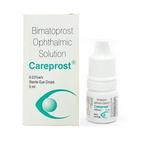
These drops gained immense popularity, demonstrating an incredibly fast and always noticeable result since its application. This innovative means will allow you to give your eyelashes an ideal look, strength and health, in whatever serious condition they are before the moment of its application. It is safe and effective providing amazing results.
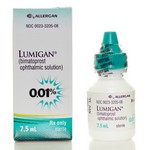
This means is prescribed to reduce eye pressure. Its active ingredient is synthetic prostaglandin bimatoprost – an unsaturated fatty acid, similar in its properties to hormones. Getting into the eye, drops help maintain the balance of the flow and outflow of eye fluid. It is a violation of this balance that leads to an increase in pressure, due to which the blood supply to the eye is impaired and the load on the optic nerve increases.

Bimatoprost reduces IOP in humans by increasing the outflow of aqueous humor through the trabecular meshwork and uveoscleral outflow. IOP reduction begins about 4 hours after the first use. The maximum effect is achieved after about 8–12 hours. The effect lasts for at least 24 hours.
Over-the-counter options for neomycin eye drops
Neomycin eye drops are commonly used for the treatment of bacterial eye infections. This antibiotic medication works by inhibiting the growth of bacteria, thereby helping to alleviate symptoms such as redness, swelling, and discharge. While neomycin eye drops are effective in treating certain eye infections, it is important to note that they are not available over the counter in some regions.
Neomycin eye drops can typically be purchased with a prescription from a healthcare professional. This is because the prolonged use of neomycin eye drops can have some potential risks and side effects. These include allergic reactions, sensitivity to light, eye irritation, and in rare cases, damage to the cornea.
It is always recommended to consult with a healthcare professional before using neomycin eye drops or any other medication. They can properly diagnose and prescribe the appropriate treatment based on individual needs and circumstances.
Natural Remedies for Red Eyes and Dryness
When it comes to treating red eyes and dryness, there are several natural remedies that may help alleviate these symptoms without resorting to medication. While these remedies may not work for everyone, many individuals have found success in using them. It’s important to note that these remedies are not meant to replace professional medical advice, and if you are experiencing chronic or severe symptoms, it is always best to consult with an eye care professional.
- Warm Compress: Applying a warm compress to your eyes can help to reduce redness and soothe dryness. Simply soak a clean cloth in warm water and gently press it to your closed eyes for a few minutes. This can help to stimulate tear production and relieve any discomfort you may be experiencing.
- Cucumber Slices: Placing cucumber slices on your closed eyelids can help to cool and soothe your eyes. Cucumbers have a high water content and contain antioxidants that can reduce inflammation, making them a popular choice for relieving redness and dryness.
- Tea Bags: Using tea bags as a compress can help to alleviate redness and soothe tired eyes. The tannins found in tea have anti-inflammatory properties that can reduce swelling and redness. Steep two tea bags in hot water, then let them cool before applying them to your closed eyes for a few minutes.
- Eye Massage: Gently massaging your eyelids can help to stimulate tear production and improve blood flow to the eyes. Use the tips of your fingers to massage your closed eyelids in a circular motion for a few minutes. This can help to relieve dryness and reduce redness.
- Omega-3 Fatty Acids: Consuming foods rich in omega-3 fatty acids, such as fatty fish, flaxseeds, and walnuts, can benefit your eye health. These healthy fats help to reduce inflammation and promote overall eye health, which can help to alleviate redness and dryness.
- Humidifier: Using a humidifier in your home or office can help to add moisture to the air, which can alleviate dryness and reduce the risk of redness. Dry environments can exacerbate eye dryness, so using a humidifier can create a more comfortable and moisturized atmosphere for your eyes.
While these natural remedies can provide relief for red eyes and dryness, it’s important to remember that everyone’s experience may vary. It’s always best to consult with an eye care professional if you have any concerns or if your symptoms persist or worsen.
Lifestyle Changes to Help with Eye Health
Maintaining good eye health is crucial for overall well-being. Making certain lifestyle changes can significantly improve the health of your eyes. Here are some tips and suggestions from experts and individuals who have experienced positive changes by implementing these lifestyle changes:
1. Follow Proper Eye Hygiene
– Wash your hands thoroughly before touching or rubbing your eyes to prevent the spread of bacteria.
– Avoid touching or rubbing your eyes unnecessarily to minimize irritation and the risk of infections.
– Remove makeup properly before going to bed to prevent any potential irritants from entering your eyes.
– Clean and replace contact lenses as instructed by your eye care professional to prevent eye infections.
2. Eat a Nutritious Diet
– Include foods rich in antioxidants, such as fruits and vegetables, to help protect your eyes from damage caused by free radicals.
– Consume omega-3 fatty acids found in fish, nuts, and seeds, as they are beneficial for eye health and may reduce the risk of age-related macular degeneration.
– Maintain a balanced diet that includes a variety of nutrients essential for eye health, such as vitamin C, vitamin E, zinc, and lutein.
3. Stay Hydrated
– Drink an adequate amount of water throughout the day to keep your body and eyes hydrated. Proper hydration can help prevent dry eyes and maintain the natural lubrication of your eyes.
4. Take Frequent Breaks from Digital Screens
– Follow the 20-20-20 rule: Every 20 minutes, take a 20-second break to look at something 20 feet away to reduce eye strain caused by prolonged screen time.
– Adjust the brightness, contrast, and font size on your digital devices to ensure comfortable viewing.
5. Wear Protective Eyewear
– Wear sunglasses that offer 100% UV protection to shield your eyes from harmful ultraviolet rays, which can contribute to the development of cataracts and other eye conditions.
– Use safety goggles or protective eyewear when participating in activities that could potentially cause eye injuries, such as sports or home improvement projects.
6. Maintain a Comfortable Environment
– Ensure proper lighting when reading or working to avoid straining your eyes.
– Adjust the air humidity in your environment, especially in dry climates or heated indoor spaces, to prevent dry eyes.
– Keep your work area clean and clutter-free to minimize distractions and reduce the risk of eye injuries.
Following these lifestyle changes can promote good eye health and minimize the risk of eye-related issues. Remember, if you are experiencing persistent eye problems or have any concerns about your vision, it is always advisable to consult an eye care professional for proper evaluation and guidance.
Sources:
– American Academy of Ophthalmology – Proper Eye Hygiene: https://www.aao.org/eye-health/tips-prevention/eye-hygiene-tips
– American Optometric Association – Nutrition and Healthy Eyes: https://www.aoa.org/healthy-eyes/caring-for-your-eyes/nutrition
– Mayo Clinic – Eye Health Tips: https://www.mayoclinic.org/healthy-lifestyle/adult-health/in-depth/eye-care/art-20047063
When to Seek Professional Help for Eye Issues
When it comes to eye health, it is important to know when it is appropriate to consult an eye care professional. While minor issues such as occasional redness or dryness may not always require immediate attention, there are certain signs and symptoms that may indicate a more serious underlying condition. It is crucial to be aware of these indicators and seek professional help when needed.
Signs that warrant a visit to an eye care professional:
- Persistent redness: While occasional redness can be caused by minor allergies or irritation, persistent redness may be a sign of a more serious condition. If your eyes remain red for an extended period, it is advisable to see an eye care professional who can properly diagnose the cause and recommend appropriate treatment.
- Severe dryness: Dry eyes can cause discomfort and can be a symptom of various underlying conditions. If over-the-counter lubricating eye drops do not provide relief or if you experience severe dryness accompanied by pain or vision disturbances, it is important to consult an eye care professional.
- Changes in vision: Any sudden changes in your vision should not be ignored. If you experience blurred vision, double vision, or other visual disturbances, it is crucial to seek professional help as soon as possible. These symptoms may be indicative of serious eye conditions such as glaucoma, cataracts, or retinal detachment.
- Eye pain: It is not normal to experience persistent eye pain, and it should never be ignored. Eye pain can be a symptom of various conditions, including infections, corneal abrasions, or even certain systemic diseases. Seeking professional help can help identify the underlying cause and prevent further damage or complications.
- Foreign objects or eye injuries: If you have a foreign object in your eye or have sustained an eye injury, it is essential to seek immediate medical attention. Prompt evaluation and treatment can prevent potential complications or damage to your eye.
It is important to note that these are not the only situations in which you should seek professional help. If you are unsure or concerned about any aspect of your eye health, it is always better to err on the side of caution and consult an eye care professional.
According to a survey conducted by the American Optometric Association, 58% of survey respondents indicated that they delayed seeking eye care due to various reasons, including cost, lack of time, or belief that the issue would resolve on its own [1]. However, delaying professional treatment can lead to worsening of symptoms or even permanent damage to your eyes.
Remember, your eyes are a vital and delicate part of your body, and any concerns or symptoms should be taken seriously. Seeking professional help when needed ensures that you receive proper diagnosis, treatment, and preventive care for optimal eye health.
References:
- American Optometric Association. (n.d.). American Eye-Q® Survey. Retrieved from https://www.aoa.org/newsroom/survey-research/aoa-eyeq