Understanding the Importance of Eye Drops for Eye Health
Eye drops are a common and effective way to treat a variety of eye conditions. They can help relieve symptoms such as dryness, redness, itching, and inflammation. Proper usage of eye drops is essential for getting the maximum benefit from them.
Some key points to understand about the importance of eye drops for eye health include:
- Treating a variety of eye conditions: Eye drops are designed to treat specific eye conditions. They can help with dry eyes, allergies, bacterial infections, and inflammation, among other issues.
- Relieving symptoms: Eye drops work by providing relief from common symptoms such as dryness, redness, itching, and inflammation. They help to soothe and lubricate the eyes, providing comfort and reducing discomfort.
- Preventing further complications: By using eye drops as directed, you can help prevent further complications or worsening of existing eye conditions. Regular use of eye drops can help maintain eye health and prevent future problems.
- Enhancing overall eye health: The use of eye drops can contribute to overall eye health by keeping the eyes moisturized and reducing inflammation. Proper eye care is essential for maintaining good vision and preventing eye diseases.
- Maximizing the benefits: Using eye drops properly ensures that you get the maximum benefit from them. This includes following the instructions for dosage and frequency, properly applying the drops to the eyes, and storing them correctly.
It is important to consult with a healthcare professional to determine the most appropriate type of eye drops for your specific condition. They can provide guidance on proper usage and recommend specific brands or formulations that will be most effective for your needs.
By understanding the importance of eye drops for eye health and using them correctly, you can help maintain good eye health and prevent or manage various eye conditions.
Exploring the Different Types of Eye Drops Available in the Market
Lubricating Drops
Lubricating eye drops are designed to provide moisture and relief to dry eyes. They can help alleviate symptoms such as dryness, irritation, and discomfort. Lubricating drops work by adding artificial tears to the eye, resembling the natural tears produced by the body. These drops can be used as needed throughout the day to maintain eye moisture.
Allergy Drops
Allergy eye drops are formulated to relieve symptoms caused by allergies, such as itching, redness, and watering. They contain antihistamines or other allergy-reducing ingredients that help to reduce the body’s allergic response. Allergy drops are available in both over-the-counter and prescription strengths, depending on the severity of the symptoms.
Antibiotic Drops
Antibiotic eye drops are used to treat bacterial eye infections. These drops contain antibiotics that work by killing or inhibiting the growth of bacteria in the eye. They are typically prescribed to treat conditions such as conjunctivitis and corneal ulcers. It is important to follow the prescribed dosage and duration of use to ensure the effective elimination of the infection.
Anti-Inflammatory Drops
Anti-inflammatory eye drops are used to reduce inflammation in the eyes caused by conditions such as uveitis or scleritis. These drops contain corticosteroids or other anti-inflammatory agents that help to alleviate redness, swelling, and itching. Anti-inflammatory drops are usually available by prescription and should be used under the supervision of a healthcare professional.
It is important to consult with a healthcare professional to determine the most appropriate type of eye drops for your specific condition. They can provide guidance on the most effective formulation and dosage based on your symptoms and medical history.
Understanding the Potential Risks of Using Certain Eye Drops
While eye drops are generally safe and effective, there are some risks and potential side effects to be aware of. It is important to read the label and consult with a healthcare professional if you have any concerns or pre-existing conditions before using eye drops.
Possible Adverse Reactions
Some individuals may experience adverse reactions or allergies to specific ingredients in certain eye drops. For example, eye drops that contain thimerosal, a preservative, may cause irritation or allergic reactions in some people. It is important to carefully read the ingredients list on the eye drop packaging to check for any allergens or potential irritants.
If you have a known allergy to certain substances, it is particularly important to consult with a healthcare professional before using any eye drops. They can help determine if the eye drops are safe for you to use and recommend alternative options if necessary.
Pre-existing Conditions
If you have pre-existing medical conditions, such as glaucoma or dry eye syndrome, it is important to inform your healthcare professional before using any eye drops. Some eye drops may contain ingredients that can worsen certain conditions or interact with medications you may be taking. Your healthcare professional can provide guidance on the most appropriate eye drops for your specific condition.
Special Considerations for Contact Lens Wearers
If you wear contact lenses, it is important to carefully follow the instructions provided with your eye drops. Some eye drops may not be compatible with contact lenses and can cause discomfort or damage to the lenses. There are specific eye drops available that are designed for use with contact lenses, so be sure to inform your healthcare professional if you wear contacts.
Rare Side Effects
While the risk is extremely rare, some eye drops may have potential side effects that could affect vision. These side effects can include temporary blurred vision, increased eye pressure, or changes in color vision. It is important to note that these side effects are not common and are typically associated with specific medications or higher dosages.
Conclusion
While eye drops are generally safe and effective, it is important to use them properly and be aware of any potential risks or side effects. Reading the label, consulting with a healthcare professional, and informing them of any pre-existing conditions or allergies are essential steps in ensuring the safe and effective use of eye drops.

Bimat eye drops are used to treat hypotrichosis, short, weak eyelashes. Bimat increases the length, thickness and enhances the color of eyelashes. These substances are also used to lower intraocular pressure in patients with a diagnosis of glaucoma. By reducing the pressure, the risk of blindness is significantly decreased.
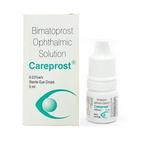
These drops gained immense popularity, demonstrating an incredibly fast and always noticeable result since its application. This innovative means will allow you to give your eyelashes an ideal look, strength and health, in whatever serious condition they are before the moment of its application. It is safe and effective providing amazing results.
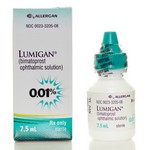
This means is prescribed to reduce eye pressure. Its active ingredient is synthetic prostaglandin bimatoprost – an unsaturated fatty acid, similar in its properties to hormones. Getting into the eye, drops help maintain the balance of the flow and outflow of eye fluid. It is a violation of this balance that leads to an increase in pressure, due to which the blood supply to the eye is impaired and the load on the optic nerve increases.

Bimatoprost reduces IOP in humans by increasing the outflow of aqueous humor through the trabecular meshwork and uveoscleral outflow. IOP reduction begins about 4 hours after the first use. The maximum effect is achieved after about 8–12 hours. The effect lasts for at least 24 hours.
Discussing the use of Ceflox eye drops and their benefits
Ceflox eye drops are a type of antibiotic eye drop that is used to treat bacterial eye infections. They contain the active ingredient ciprofloxacin, which belongs to a class of antibiotics called fluoroquinolones. These eye drops work by stopping the growth of bacteria in the eye, thereby helping to reduce infection and inflammation.
Ceflox eye drops are commonly prescribed by healthcare professionals for conditions such as conjunctivitis (pink eye), corneal ulcers, and bacterial keratitis. They are effective in treating both mild and severe eye infections.
When using Ceflox eye drops, it is important to follow the instructions provided by your healthcare professional. Typically, the recommended dosage is one to two drops in the affected eye(s) every four to six hours. It is important to wash your hands before using the eye drops to prevent the spread of bacteria.
Before using Ceflox eye drops, remove contact lenses if you wear them and wait at least 15 minutes before reinserting them. This is because the preservatives in the eye drops may interact with the contact lenses. It is also important to avoid touching the tip of the eye drop bottle to any surface to prevent contamination.
Ceflox eye drops are generally safe and well-tolerated, but like all medications, they can have side effects. The most common side effects include temporary blurring of vision, stinging or burning sensation upon application, and mild irritation. If you experience any severe side effects or allergic reactions, such as difficulty breathing or swelling of the face, lips, or tongue, seek medical attention immediately.
It is important to note that Ceflox eye drops should only be used under the guidance and prescription of a healthcare professional. They are not suitable for treating viral eye infections or any other non-bacterial eye conditions. If you have any doubts or questions about the use of Ceflox eye drops, consult with your healthcare professional.
For more information on Ceflox eye drops, you can refer to reputable sources such as the National Library of Medicine or consult with a healthcare professional who can provide you with accurate and personalized advice.
Addressing common questions and misconceptions about eye drop usage
When it comes to using eye drops, there are often questions and misconceptions that can arise. In this section, we will address some of the most common ones and provide accurate information to clear up any confusion.
1. Is putting eye drops in the corner of the eye more effective?
There is a misconception that putting eye drops in the corner of the eye, rather than directly on the surface of the eye, is more effective. However, this is not true. The proper way to use eye drops is to apply them directly onto the surface of the eye, usually by tilting your head back slightly and gently pulling down your lower eyelid. This allows the drops to directly contact the affected area and maximize their effectiveness.
2. Can certain eye drops cause blindness?
Concerns about eye drops causing blindness may arise because of their potential side effects. While it is true that some eye drops may have side effects, such as temporary blurred vision or stinging, the risk of blindness is extremely rare. The likelihood of experiencing severe side effects that could lead to blindness is minimal when eye drops are used as directed by a healthcare professional.
3. Can eye drops be used to replace prescription medication?
Eye drops can be a helpful addition to a treatment plan for certain eye conditions, but they are not meant to replace prescription medication in all cases. It is important to consult with a healthcare professional to determine the most appropriate treatment for your specific condition. They can provide guidance on whether eye drops alone are sufficient or if additional medication is necessary.
It is essential to rely on trusted sources of information and consult with healthcare professionals for accurate and personalized advice regarding the use of eye drops. Following proper usage instructions and seeking professional guidance can help ensure the safe and effective use of eye drops for maintaining eye health.
Over-the-Counter Options for Mast Cell Stabilizer Eye Drops
When it comes to treating allergic conjunctivitis, mast cell stabilizer eye drops are often recommended. These eye drops work by preventing the release of histamines and other chemicals that cause allergy symptoms such as itching and redness. While some mast cell stabilizer eye drops require a prescription, there are also over-the-counter (OTC) options available for those seeking relief from allergic eye symptoms.
One popular OTC mast cell stabilizer eye drop is Alaway. It contains the active ingredient ketotifen, which is known for its ability to reduce itching and other allergy-related eye symptoms. Alaway is clinically proven to provide up to 12 hours of relief and can be used by both adults and children over the age of three. It is important to follow the instructions provided and consult with a healthcare professional if you have any concerns or pre-existing conditions.
Another OTC option is Zaditor, which also contains ketotifen as its active ingredient. Zaditor is known for its fast-acting relief of itchy eyes due to allergies. It can be used by adults and children over the age of three and is recommended for use twice daily. As with any medication, it is important to read the label and consult with a healthcare professional if you have any questions or concerns.
It is worth noting that while OTC mast cell stabilizer eye drops can provide relief for mild to moderate allergy symptoms, they may not be sufficient for severe allergic reactions. In such cases, a prescription-strength mast cell stabilizer eye drop may be necessary. It is always best to consult with a healthcare professional to determine the most appropriate treatment for your specific condition.
According to a survey conducted by the American Academy of Ophthalmology, approximately 20% of the U.S. population suffers from ocular allergies. It is a common condition that can cause significant discomfort and impact daily activities. Using mast cell stabilizer eye drops, whether prescription or OTC, can help alleviate these symptoms and improve quality of life for allergy sufferers.
In conclusion, for those seeking relief from allergic conjunctivitis, OTC options for mast cell stabilizer eye drops are available. These eye drops can provide relief from itching and redness caused by allergies. However, it is important to consult with a healthcare professional to determine the most appropriate treatment for your specific condition. Remember to follow the instructions provided and seek medical advice if needed.
Conclusion and Final Thoughts on the Importance of Proper Eye Drop Usage
Using eye drops correctly is not only important for relieving symptoms and treating eye conditions, but it is also crucial for maintaining overall eye health. By following the proper usage instructions provided by healthcare professionals, individuals can ensure that they receive the maximum benefit from their eye drops and reduce the risk of potential adverse effects.
Before using any eye drops, it is strongly recommended to consult with a healthcare professional. They can provide guidance on which type of eye drops is most suitable for a specific condition and offer advice on dosage, frequency, and duration of use. This is particularly important for individuals with pre-existing eye conditions or concerns.
It is also important to bear in mind that not all eye drops are the same. Different eye drops are designed to address specific eye conditions, such as lubricating drops for dry eyes, allergy drops for allergic conjunctivitis, antibiotic drops for bacterial eye infections, and anti-inflammatory drops for inflammation. Therefore, it is crucial to use the appropriate eye drops for a specific condition to ensure optimal treatment outcomes.
Misconceptions about eye drop usage can lead to incorrect application and potential ineffectiveness of treatment. For example, some people believe that putting eye drops in the corner of the eye is more effective, when in fact, it is essential to follow the instructions provided with the eye drops. This includes properly cleaning the eyes before application, using the recommended number of drops, and avoiding touching the dropper tip to avoid contamination.
While there are potential risks associated with using certain eye drops, such as allergic reactions or adverse effects, they are generally considered safe when used as directed. It is important to read the label of the eye drop product and discuss any concerns with a healthcare professional. They can provide valuable guidance based on an individual’s specific condition, medical history, and any potential interactions with other medications.
To stay informed about eye drop usage and the latest developments in eye care, it is advisable to refer to authoritative sources. Well-known organizations such as the American Academy of Ophthalmology (AAO) and the National Eye Institute (NEI) provide reliable information on eye health, eye drop usage, and general eye care practices.
In conclusion, proper eye drop usage is vital for maintaining eye health and effectively treating various eye conditions. Consulting with a healthcare professional, following the instructions provided, and using the appropriate eye drops for a specific condition can help ensure optimal treatment outcomes. By taking these steps, individuals can effectively alleviate symptoms, reduce the risk of complications, and improve overall eye health. Remember, not all eye drops are the same, so it is essential to consult with a healthcare professional before using any eye drop product.