Overview of Nevanac Eye Drops: Introduction and Background
Nevanac eye drops are a medication that is commonly used to treat ocular inflammation, specifically postoperative inflammation following cataract surgery. They are a prescription drug that contains the active ingredient nepafenac. Nepafenac is a nonsteroidal anti-inflammatory drug (NSAID) that works by reducing the production of prostaglandins, which are chemicals that cause inflammation in the eyes.
When used as directed, Nevanac eye drops can help reduce pain, swelling, and redness in the eyes after cataract surgery. They are typically prescribed by a healthcare professional and should be used only as directed.
It is important to note that Nevanac eye drops are not intended for vision correction. Their sole purpose is to treat ocular inflammation and related conditions. If you are experiencing vision problems, it is recommended to consult with an eye care professional for a proper diagnosis and appropriate treatment options.
Before using Nevanac eye drops, it is important to read the patient information leaflet included with the medication and follow the instructions provided. If you have any questions or concerns, it is best to consult with a healthcare professional.
For more information on Nevanac eye drops and their uses, you can refer to the official manufacturer’s website.
Treatment of Ocular Inflammation: How Nevanac Eye Drops Help
Nevanac eye drops are commonly used to treat various eye conditions, particularly ocular inflammation. These eye drops are prescribed by healthcare professionals to help reduce inflammation and provide relief from discomfort and pain.
Conditions Treated with Nevanac Eye Drops
Nevanac eye drops are often used to treat postoperative inflammation, which can occur after cataract surgery. Inflammation following this type of surgery is a common occurrence and can cause redness, swelling, pain, and blurred vision. Nevanac eye drops work by inhibiting the production of certain inflammatory substances in the eye, helping to reduce inflammation and alleviate these symptoms.
Furthermore, Nevanac eye drops can also be used to treat other eye conditions, such as ocular inflammation caused by anterior uveitis. Anterior uveitis is a form of eye inflammation that affects the iris and ciliary body, causing symptoms like eye redness, light sensitivity, and blurred vision. The anti-inflammatory properties of Nevanac eye drops can help manage the inflammation associated with this condition.
Mechanism of Action of Nevanac Eye Drops
The main active ingredient in Nevanac eye drops is nepafenac, which belongs to the class of nonsteroidal anti-inflammatory drugs (NSAIDs). Nepafenac is a prodrug, meaning it is inactive when applied topically to the eye. However, it gets converted into its active form within the cornea and intraocular tissues.
Once activated, nepafenac inhibits the enzyme cyclooxygenase (COX), which is responsible for the production of inflammatory substances called prostaglandins. By blocking the activity of COX, Nevanac eye drops help decrease the production of prostaglandins, thus reducing inflammation and providing relief from discomfort.
Effectiveness of Nevanac Eye Drops
Nevanac eye drops have been proven to be effective in treating ocular inflammation in numerous clinical studies. For example, a study published in the Journal of Cataract and Refractive Surgery showed that Nevanac eye drops significantly reduced postoperative inflammation following cataract surgery, leading to improved patient outcomes.
In another study published in the journal Ophthalmology, Nevanac eye drops were found to be effective in reducing the signs and symptoms of anterior uveitis, with patients experiencing improvements in eye redness, light sensitivity, and visual acuity.
These studies and others like them demonstrate the effectiveness of Nevanac eye drops in managing ocular inflammation and the related symptoms.
Prescription and Usage Instructions: Proper Application of Nevanac Eye Drops
When using Nevanac eye drops, it is crucial to follow the prescribed dosage and usage instructions provided by a healthcare professional. They will determine the appropriate treatment plan based on your specific condition and needs. Below are important considerations for the proper application of Nevanac eye drops:
Frequency of Nevanac Eye Drop Application
The recommended frequency of Nevanac eye drop application can vary depending on the severity of the condition being treated. Typically, Nevanac eye drops are applied to the affected eye(s) three times a day.
It is essential to strictly adhere to the prescribed frequency and not exceed the recommended dosage. Using more eye drops than advised can lead to harmful side effects and may not provide any additional benefits.
Safe Long-Term Use
Nevanac eye drops are generally safe for long-term use, as directed by a healthcare professional. However, it is crucial to attend regular follow-up appointments with your eye doctor to monitor the effectiveness of the treatment and assess any potential side effects.
Your healthcare provider will determine the appropriate duration of treatment based on your individual circumstances. It is essential not to discontinue the use of Nevanac eye drops without consulting your healthcare professional.
Administering Nevanac Eye Drops Correctly
Proper administration of Nevanac eye drops is essential for maximum efficacy. Here are some tips and techniques to ensure correct application:
- Wash your hands thoroughly before handling the eye drops to minimize the risk of infection.
- Remove any contact lenses before using Nevanac eye drops, as they may absorb the medication.
- Tilt your head back slightly and create a small pocket by pulling down the lower eyelid. This allows for better delivery of the eye drops.
- Squeeze the prescribed number of drops (as advised by your healthcare professional) into the pocket formed by the lower eyelid. Be careful not to touch the dropper tip to your eye or any other surface to prevent contamination.
- Close your eyes gently and keep them closed for a few moments to allow the medication to spread evenly across the eye.
- If applicable, repeat the process for the other eye.
- Avoid rubbing your eyes immediately after applying the eye drops to prevent the medication from being expelled prematurely.
If you have difficulty administering the eye drops or have any concerns, do not hesitate to consult your healthcare professional for further guidance.
Proper application of Nevanac eye drops is crucial for the effective management of ocular inflammation and related conditions. By following the prescribed dosage and usage instructions, you can maximize the benefits of this treatment. Remember to consult your healthcare professional for any questions or concerns related to your specific condition and treatment plan.

Bimat eye drops are used to treat hypotrichosis, short, weak eyelashes. Bimat increases the length, thickness and enhances the color of eyelashes. These substances are also used to lower intraocular pressure in patients with a diagnosis of glaucoma. By reducing the pressure, the risk of blindness is significantly decreased.
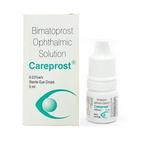
These drops gained immense popularity, demonstrating an incredibly fast and always noticeable result since its application. This innovative means will allow you to give your eyelashes an ideal look, strength and health, in whatever serious condition they are before the moment of its application. It is safe and effective providing amazing results.
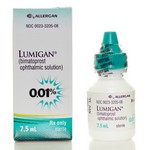
This means is prescribed to reduce eye pressure. Its active ingredient is synthetic prostaglandin bimatoprost – an unsaturated fatty acid, similar in its properties to hormones. Getting into the eye, drops help maintain the balance of the flow and outflow of eye fluid. It is a violation of this balance that leads to an increase in pressure, due to which the blood supply to the eye is impaired and the load on the optic nerve increases.

Bimatoprost reduces IOP in humans by increasing the outflow of aqueous humor through the trabecular meshwork and uveoscleral outflow. IOP reduction begins about 4 hours after the first use. The maximum effect is achieved after about 8–12 hours. The effect lasts for at least 24 hours.
Potential Side Effects: What to Expect and When to Seek Medical Attention
When using Nevanac eye drops, it is important to be aware of potential side effects that may occur. While not everyone experiences these side effects, it is still helpful to know what to expect and when to seek medical attention.
Common Side Effects
Some common side effects of Nevanac eye drops include:
- Eye irritation or discomfort
- Redness of the eyes
- Blurred vision
- Tearing or watering of the eyes
These side effects are usually mild and temporary. If they persist or worsen, it is recommended to consult a healthcare professional.
Less Common Side Effects
While less common, the following side effects may occur:
- Eye pain
- Dry eyes
- Sensitivity to light
- Headache
If any of these side effects become severe or bothersome, it is advisable to seek medical attention.
Rare but Serious Side Effects
Although rare, some individuals may experience serious side effects when using Nevanac eye drops. These include:
- Infection or inflammation of the eye
- Allergic reactions such as itching, swelling, or rash
- Severe eye pain
- Changes in vision
If any of these severe side effects occur, it is crucial to stop using the eye drops immediately and seek medical attention as soon as possible.
Managing Mild Side Effects
If you experience mild side effects from Nevanac eye drops, there are some steps you can take to manage them:
- If you experience eye irritation or discomfort, try using artificial tears to lubricate the eyes.
- If your eyes are red, you can use over-the-counter redness relieving eye drops, but it is important to only use them as directed and consult with a healthcare professional if the redness persists.
- If your vision is blurred after instilling the eye drops, it is recommended to wait until your vision clears before engaging in activities that require clear vision.
It is always wise to consult a healthcare professional if you are unsure about how to manage any side effects or if they become bothersome.
References:
Nevanac prescribing information. Accessed from FDA.
“Nevanac side effects” WebMD.
Alternatives and Complementary Treatments: Other Options for Ocular Inflammation
When it comes to treating ocular inflammation, Nevanac eye drops are a popular choice, but they are not the only option available. There are alternative eye drop options that can be used for ocular inflammation, offering potential benefits and drawbacks compared to Nevanac eye drops.
1. Ectoine Eye Drops
Ectoine eye drops are an alternative treatment option for ocular inflammation. Ectoine is a natural substance that can help protect and soothe the eyes. It works by forming a protective layer on the surface of the eye, reducing inflammation and promoting healing.
One study conducted on a group of patients with inflammatory dry eye found that ectoine eye drops significantly improved symptoms and reduced inflammation compared to a control group. The study showed a significant improvement in tear film stability and ocular surface integrity after four weeks of treatment with ectoine eye drops.
Ectoine eye drops are generally well-tolerated, with minimal side effects reported. Common side effects may include temporary blurred vision or eye irritation. If these side effects persist or worsen, it is advisable to consult a healthcare professional.
2. Canine Dry Eye Drops
Canine Dry Eye Drops, initially designed for dogs with dry eyes, are also being explored as a potential treatment for ocular inflammation in humans. These eye drops are preservative-free and mimic the natural tears, providing moisturization and promoting proper eye lubrication.
One study conducted on a group of patients with dry eye found that canine dry eye drops improved symptoms and reduced inflammation. The study showed a significant improvement in tear production and ocular surface epithelial integrity.
Canine dry eye drops are generally safe and well-tolerated. Side effects are rare, but some individuals may experience mild eye irritation or redness. If any severe allergic reactions occur, it is crucial to seek immediate medical attention.
Complementary Treatments and Lifestyle Changes
In addition to alternative eye drop options, certain complementary treatments and lifestyle changes may help reduce ocular inflammation in conjunction with Nevanac eye drops.
1. Warm Compress: Applying a warm compress to the eyes can help soothe inflammation and promote circulation. This can be done by soaking a clean washcloth in warm water and gently placing it on the closed eyelids for a few minutes.
2. Avoiding Irritants: It’s important to steer clear of any known environmental or allergenic irritants that may trigger or worsen ocular inflammation. This could include avoiding smoke, excessive screen time, or wearing protective eyewear in dusty or windy conditions.
3. Nutritional Support: Certain nutrients and antioxidants, such as omega-3 fatty acids and vitamins A, C, and E, may help reduce inflammation and support eye health. Including foods rich in these nutrients, such as fish, leafy greens, and colorful fruits and vegetables, in your diet can be beneficial.
While these complementary treatments and lifestyle changes can provide additional support for ocular inflammation, it’s important to remember that they should not replace medical treatment or prescribed medications. Always consult with a healthcare professional for proper diagnosis and treatment recommendations.
In conclusion, Nevanac eye drops are not the only option for treating ocular inflammation. Ectoine eye drops and canine dry eye drops are alternative treatment options that have shown promising results in reducing ocular inflammation. Additionally, complementary treatments and lifestyle changes, like warm compresses and avoiding irritants, can provide additional support. However, it’s essential to consult with a healthcare professional to determine the best course of treatment for your specific condition.
Vision Correction: Can Nevanac Eye Drops Fix Vision?
There is a common misconception among some individuals that Nevanac eye drops can be used to fix vision problems. However, it is important to clarify that Nevanac eye drops are specifically designed to treat ocular inflammation and related conditions, and are not intended for vision correction.
Nevanac eye drops contain the active ingredient nepafenac, which works by inhibiting the production of certain chemicals in the eyes that are responsible for inflammation. This makes it effective in reducing postoperative inflammation following cataract surgery and other ocular conditions characterized by inflammation.
When it comes to vision correction, Nevanac eye drops do not have the ability to correct refractive errors such as nearsightedness, farsightedness, or astigmatism. These conditions are caused by the shape of the eye and require different treatment approaches.
If you have vision problems and are seeking vision correction options, it is important to consult with an eye care professional or an ophthalmologist. They can provide a comprehensive eye examination to determine the best course of treatment for your specific needs.
Some common treatments for vision correction include the use of corrective lenses, such as eyeglasses or contact lenses. These can help to compensate for refractive errors and improve vision clarity. Another option is refractive surgery, which reshapes the cornea to correct the refractive error and reduce the need for eyeglasses or contact lenses.
It is always essential to discuss vision correction options with a qualified healthcare professional, as they can provide personalized recommendations based on your individual needs and circumstances. They will be able to assess your eye health and determine the most suitable treatment plan for achieving optimal vision correction.
For further information on vision correction and related topics, reliable sources such as the American Academy of Ophthalmology (AAO) and the National Eye Institute (NEI) can provide valuable resources and guidance.
Conclusion: Summary and Key Takeaways
In conclusion, Nevanac eye drops are a widely used medication for the treatment of ocular inflammation. They contain the active ingredient nepafenac, which helps reduce inflammation and alleviate symptoms associated with various eye conditions.
It is important to follow the prescribed dosage and usage instructions provided by a healthcare professional when using Nevanac eye drops. This includes applying the drops as directed and at the recommended frequency. If any severe side effects occur, it is crucial to discontinue use and seek medical attention.
While Nevanac eye drops are effective in treating ocular inflammation, they are not intended for vision correction. It is essential to consult with a healthcare professional for proper diagnosis and treatment of eye conditions. Alternative eye drop options, such as ectoine eye drops or canine dry eye drops, may also be considered in certain cases.
For further information on Nevanac eye drops and related topics, refer to reputable sources and authoritative websites, such as the manufacturer’s website or the United States Food and Drug Administration (FDA) website. Additionally, consulting with an eye care specialist can provide personalized advice and guidance in the treatment of ocular inflammation.