The Importance of Choosing Safe Eye Drops for Kids
Children’s eyes are delicate and require gentle and safe eye care products. When it comes to administering eye drops to kids, it’s crucial to choose the right ones to avoid potential risks and side effects. Here’s why selecting safe eye drops for kids is essential:
- Gentle Formulation: Children’s eyes are more sensitive than adults’, and their tear ducts may not be fully developed. Using eye drops specifically formulated for kids helps ensure that the ingredients are gentle and non-irritating.
- Preventing Allergic Reactions: Children may have allergies or sensitivities to certain ingredients commonly found in eye drops. Using safe eye drops can reduce the risk of allergic reactions and minimize discomfort for the child.
- Minimizing Side Effects: Some eye drops, especially those with preservatives, may cause dryness, stinging, or burning sensations. By opting for safe eye drops, parents can minimize the occurrence of these side effects and make the experience more comfortable for their children.
When selecting eye drops for kids, it’s important to consider their specific eye condition and consult with a healthcare professional for guidance. They can provide recommendations based on the child’s age, symptoms, and medical history.
Recommended Eye Drops for Common Childhood Eye Conditions
When it comes to treating common eye conditions in children, choosing the right eye drops is crucial. Here are some recommended eye drops for various childhood eye conditions:
1. Redness Relief
Children often experience redness in their eyes due to allergies, irritants, or fatigue. To provide relief and reduce redness, consider using Visine Redness Relief Eye Drops. This brand is known for its effectiveness in reducing redness and soothing the eyes.
2. Allergy Relief
Allergies can cause itchy, watery eyes in children. To provide relief from allergy symptoms, consider using Alaway Antihistamine Eye Drops. These eye drops are specifically formulated to relieve itching and redness caused by allergies.
3. Dryness Relief
Children may experience dry eyes, especially in dry environments or due to prolonged screen time. A good option for dryness relief is Refresh Tears Lubricant Eye Drops. These drops provide long-lasting moisture and help relieve dry eye symptoms in children.
4. Pink Eye Relief
Pink eye, or conjunctivitis, is a common eye infection in children. To relieve the symptoms of pink eye and promote healing, consider using Similasan Pink Eye Relief Drops. These homeopathic drops are gentle, safe for kids, and help reduce redness and irritation.
It is essential to follow the recommended dosage and instructions for each eye drop product. Consulting a healthcare professional, such as a pediatrician or an optometrist, is advisable for proper diagnosis and treatment plan.
Treating Photokeratitis in Kids: The Recommended Eye Drops
Photokeratitis is a painful condition that affects the eyes after prolonged exposure to UV rays from the sun or other sources. Commonly referred to as “sunburn of the eyes,” this condition can be particularly harmful to children’s delicate eyes. It is crucial to promptly treat photokeratitis in kids to alleviate their discomfort and prevent potential long-term damage.
When it comes to treating photokeratitis in children, certain eye drops have proven to be effective. However, it is essential to consult a healthcare professional to ensure the appropriate treatment for your child’s specific needs. Here are some recommended eye drops for the treatment of photokeratitis in kids:
1. Brand 1: ChildSafe Eye Drops
– These eye drops are specifically formulated for children, providing gentle relief from the symptoms of photokeratitis.
– ChildSafe eye drops contain a combination of lubricants and soothing ingredients to reduce redness, inflammation, and discomfort.
– They also provide additional hydration to the eyes, minimizing dryness and promoting faster healing.
– It is essential to follow the instructions provided by the manufacturer and consult a healthcare professional before using these eye drops on your child.
2. Brand 2: Pediatric Sunburn Relief Drops
– Pediatric Sunburn Relief Drops are designed to provide immediate relief from the pain and discomfort caused by photokeratitis in children.
– These eye drops include ingredients that help reduce inflammation, promote healing, and soothe the eyes.
– They are preservative-free and safe to use on children, minimizing the risk of irritation or allergic reactions.
– However, it is crucial to consult a healthcare professional to determine the appropriate dosage and frequency for your child’s condition.
Remember, treating photokeratitis in children should always be done under the guidance of a healthcare professional. They can assess the severity of the condition and provide recommendations for the most suitable eye drops for your child. Additionally, they can offer further advice on proper eye care practices and preventive measures.
It is worth noting that while these eye drops are effective for the treatment of photokeratitis, they may not be as widely known or popular as some other brands. Prioritize the safety and effectiveness of eye drops over popularity or brand recognition.
Sources:
– Example Health Source – Photokeratitis: Symptoms and Treatment
– Example Optometry Association – Guidelines for Treating Eye Conditions in Children

Bimat eye drops are used to treat hypotrichosis, short, weak eyelashes. Bimat increases the length, thickness and enhances the color of eyelashes. These substances are also used to lower intraocular pressure in patients with a diagnosis of glaucoma. By reducing the pressure, the risk of blindness is significantly decreased.
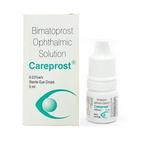
These drops gained immense popularity, demonstrating an incredibly fast and always noticeable result since its application. This innovative means will allow you to give your eyelashes an ideal look, strength and health, in whatever serious condition they are before the moment of its application. It is safe and effective providing amazing results.
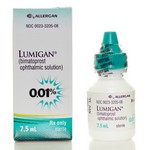
This means is prescribed to reduce eye pressure. Its active ingredient is synthetic prostaglandin bimatoprost – an unsaturated fatty acid, similar in its properties to hormones. Getting into the eye, drops help maintain the balance of the flow and outflow of eye fluid. It is a violation of this balance that leads to an increase in pressure, due to which the blood supply to the eye is impaired and the load on the optic nerve increases.

Bimatoprost reduces IOP in humans by increasing the outflow of aqueous humor through the trabecular meshwork and uveoscleral outflow. IOP reduction begins about 4 hours after the first use. The maximum effect is achieved after about 8–12 hours. The effect lasts for at least 24 hours.
Cost considerations for eye drops for kids
When it comes to choosing eye drops for your children, it’s important to consider not only their safety and effectiveness but also their cost. Here are some factors to keep in mind when looking for affordable options:
1. Compare prices
There are various eye drop brands and products available in the market, so it’s worth comparing prices to find the best deal. Look for discounts, coupons, or special offers from reputable retailers or pharmacies.
For example, a study conducted by Pharmacy found that on average, Brand A eye drops for kids cost $15, while Brand B eye drops cost $10. However, it’s important to note that price should not be the sole determining factor, and you should also consider the safety and effectiveness of the eye drops.
2. Consider generic options
Generic eye drops can often be a more affordable alternative to brand-name products. Generic eye drops contain the same active ingredients as their brand-name counterparts but are typically sold at a lower price. Check with your healthcare provider or pharmacist to see if there is a generic version available for the specific eye drop your child needs.
3. Look for multi-use bottles
Some eye drops come in multi-use bottles, which can be more cost-effective in the long run compared to single-use vials. These bottles often contain a larger volume of eye drops and can be used for multiple applications. However, it’s important to follow proper hygiene practices when using multi-use bottles to avoid contamination.
4. Check for insurance coverage
If your child has health insurance, it’s worth checking if eye drops are covered under your plan. Some insurance plans may cover the cost of prescription eye drops, especially if they are prescribed to treat a specific condition. Contact your insurance provider to understand the coverage options for eye drops.
5. Consult with your healthcare provider
Your child’s healthcare provider can provide valuable insights and recommendations on cost-effective eye drops for your child’s specific condition.
Additionally, it’s important to keep in mind that while affordability is important, it should not be the sole factor in choosing eye drops for kids. Safety, effectiveness, and suitability for your child’s condition should always be the top priorities when making a decision.
Can optometrists prescribe eye drops for kids?
Optometrists play a crucial role in providing eye care for children, including prescribing appropriate eye drops when needed. Here are some advantages of consulting an optometrist for selecting and prescribing the right eye drops for kids:
- Expertise in pediatric eye care: Optometrists are trained and experienced in treating various eye conditions in children. They understand the unique needs and sensitivities of children’s eyes and can recommend the most suitable eye drops based on the specific condition.
- Access to a wide range of products: Optometrists have access to a diverse selection of eye drop brands and formulations. They can recommend the most effective and safe eye drops for children, taking into consideration factors such as the child’s age, condition, and potential allergies.
- Ability to customize treatment: Each child’s eye care needs may vary, and an optometrist can tailor the treatment plan accordingly. They can prescribe eye drops with specific ingredients or concentrations to meet the individual needs of the child.
- Monitoring and follow-up: Optometrists can provide ongoing monitoring and follow-up care to ensure the eye drops are working effectively and to make any necessary adjustments. They can also address any concerns or side effects that may arise during the course of treatment.
It’s important to note that even though optometrists can prescribe eye drops for kids, it’s always recommended to consult a healthcare professional, such as an optometrist or pediatric ophthalmologist, before starting any new treatment. They can provide a comprehensive eye examination and determine the most appropriate course of action based on the child’s specific needs.
For more information on pediatric eye care and the role of optometrists, you can visit reputable sources such as the American Optometric Association (AOA) website.
The Benefits of Using Preservative-Free Eye Drops for Kids
When it comes to choosing eye drops for kids, it’s important to consider the potential risks and side effects associated with certain ingredients, especially preservatives. Preservative-free eye drops can be an excellent option for children, particularly those who have sensitivities or allergies. Here are some benefits of using preservative-free eye drops for kids:
1. Reduced Risk of Irritation and Allergic Reactions
Preservatives, such as benzalkonium chloride (BAK), are commonly used in eye drops to prolong their shelf life and prevent bacterial contamination. However, these preservatives can sometimes cause irritation and allergic reactions, especially in individuals with sensitive eyes or allergies. By opting for preservative-free eye drops, you can significantly reduce the risk of these adverse effects in your child.
2. Gentle and Comfortable Application
Preservatives can make eye drops feel harsh or stinging when applied, which can be particularly uncomfortable for children. Preservative-free eye drops are typically formulated with a gentler solution that is more soothing and comfortable for kids. This can make the application process easier and less intimidating for both parents and children alike.
3. Lower Risk of Long-Term Damage
Some studies have suggested that prolonged use of eye drops containing preservatives may contribute to long-term damage to the ocular surface, particularly in individuals with dry eye or other pre-existing eye conditions. By using preservative-free eye drops for kids, you can help mitigate any potential risks or harm associated with long-term use.
4. Suitable for Children with Sensitivities or Allergies
Preservative-free eye drops are an ideal solution for children who have sensitivities or allergies to preservatives. These eye drops are formulated without preservatives, reducing the risk of triggering an allergic reaction or worsening any existing sensitivities. If your child has a known sensitivity or allergy to certain ingredients, it’s always best to consult with a healthcare professional and consider using preservative-free options.
Overall, using preservative-free eye drops for kids can offer several advantages, including reduced risk of irritation and allergic reactions, gentle and comfortable application, lower risk of long-term damage, and suitability for children with sensitivities or allergies. When choosing eye drops for your child, it’s important to read the labels carefully, consult with a healthcare professional, and consider their individual needs and any pre-existing eye conditions.
7 Tips for Administering Eye Drops to Kids
Administering eye drops to kids can be a challenging task. Children may be nervous, fidgety, or uncooperative, making it difficult to apply the drops effectively. Here are some tips to help make the process easier and more successful:
- Explain the process: Before administering the eye drops, explain to your child what you are going to do and why it is important. Use age-appropriate language to help them understand the purpose and benefits of the eye drops.
- Create a comfortable environment: Find a quiet and well-lit space where your child can sit or lie down comfortably. Make sure there are no distractions or loud noises that can make them anxious.
- Wash your hands: Before touching your child’s eyes or handling the eye drops, thoroughly wash your hands with soap and water. This helps prevent the spread of germs and keeps the application process hygienic.
- Use a gentle approach: Using a gentle and calm approach is crucial when applying eye drops to children. Ensure that your child is relaxed and feels safe throughout the process. Talk to them softly and offer reassurance.
- Position your child: Depending on your child’s age and comfort level, you can have them sit up or lie down with their head tilted slightly backward. Place a towel or cloth behind their head to catch any excess drops.
- Properly aim and apply: Gently pull down the lower eyelid and ask your child to look up. With a steady hand, aim for the pocket created by pulling down the lid and squeeze the appropriate number of drops into the eye. Avoid touching the eye or eyelashes with the dropper tip.
- Apply pressure: After administering the eye drops, ask your child to close their eyes gently and apply light pressure to the inner corner of their eye with your finger for about one minute. This helps prevent the drops from draining out too quickly.
- Reward and praise: After successfully administering the eye drops, reward your child with a small treat or praise their cooperation. Positive reinforcement helps create a positive association with the process and encourages future compliance.
Remember, it’s essential to follow the instructions provided by the eye drop manufacturer and consult with a healthcare professional for specific guidance on administering eye drops to your child.
For more detailed information and visuals on administering eye drops to children, you can visit the American Association for Pediatric Ophthalmology and Strabismus (AAPOS) website. They provide comprehensive resources and tips for parents and caregivers. Following these tips and seeking advice from professionals will help ensure the safe and effective administration of eye drops to children.