The Importance of Eye Drops for Toddlers
Eye drops play a vital role in maintaining the health of your toddler’s eyes. As a parent, it is crucial to understand the importance of using eye drops when necessary to ensure the well-being of your child’s vision. Eye drops can help treat various eye conditions and promote healing. It is essential to follow your doctor’s instructions carefully to ensure the effectiveness of the treatment.
Common Eye Conditions
There are several common eye conditions that may require the use of eye drops in toddlers. These include:
- Conjunctivitis (pink eye) – Conjunctivitis is a common eye infection in toddlers that causes redness, itchiness, and discharge. Eye drops containing antibiotics can help clear the infection.
- Dry eyes – Dry eyes can cause discomfort and irritation. Eye drops formulated to lubricate and moisturize the eyes can provide relief for toddlers.
- Allergies – Toddlers can experience eye allergies due to various factors, such as pollen or dust. Antihistamine eye drops can help alleviate symptoms like itching, redness, and swelling.
- Foreign objects – If a foreign object, such as dirt or a small particle, gets into your toddler’s eye, eye drops can help flush it out and prevent infection.
Following the Doctor’s Instructions
When prescribed eye drops for your toddler, it is crucial to follow the doctor’s instructions precisely to ensure proper administration and effectiveness of the treatment. Here are a few essential points to keep in mind:
- Dosage – The doctor will specify the appropriate number of drops and frequency of application for your toddler. It is crucial to administer the correct dosage to achieve the desired results.
- Timing – Some eye drops require a specific schedule for application. Follow the prescribed timing to maintain a consistent level of the medication in your toddler’s eye.
- Duration – Eye drop treatments usually have a recommended duration. It is important to complete the course of treatment, even if the symptoms improve, to ensure full recovery and minimize the risk of relapse.
By carefully following your doctor’s instructions, you can help ensure that the eye drops are used effectively and contribute to your toddler’s eye health.
Gather the necessary supplies
When it comes to giving eye drops to toddlers, it is important to have all the necessary supplies ready. Here is a list of items you will need:
- The prescribed eye drop medication
- Cotton balls or a clean washcloth
- Clean tissues or wipes
- A chair or a comfortable spot for the toddler to sit or lay down
- A favorite toy or activity to distract the toddler
- A timer or clock to keep track of the time between doses
- A clean and quiet environment to minimize distractions and ensure proper attention while administering the eye drops
It is important to ensure that all the items used in the process are clean and sterile. This helps to prevent any potential contamination of the eye drops and infection.
Make sure to wash your hands thoroughly with soap and water before handling the eye drop medication or any of the supplies. This helps to maintain cleanliness and minimize the risk of transferring germs to your toddler’s eyes.
Remember, always follow the instructions provided by the doctor or healthcare professional regarding the specific eye drop medication and its administration.
3. Prepare the toddler for the eye drops
Preparing a toddler for the administration of eye drops can be challenging, but with a few strategies, the process can become more manageable for both the parent and the child. Here are some tips to help:
- Engage the toddler in a favorite activity or toy: Before administering the eye drops, try to engage the toddler in a favorite activity or provide them with a toy to help distract and calm them.
- Explain the process in a simple and reassuring manner: It is important to explain the process to the toddler in a way that they can understand. Use simple and reassuring language to let them know that the eye drops will help their eyes feel better.
- Choose a comfortable position: To make it easier to apply the eye drops, it is helpful to position the toddler in a comfortable way. For example, you can have them sit on your lap or lie down with their head slightly tilted back.
By implementing these strategies, parents can help prepare their toddlers for the administration of eye drops and create a more relaxed environment for everyone.

Bimat eye drops are used to treat hypotrichosis, short, weak eyelashes. Bimat increases the length, thickness and enhances the color of eyelashes. These substances are also used to lower intraocular pressure in patients with a diagnosis of glaucoma. By reducing the pressure, the risk of blindness is significantly decreased.
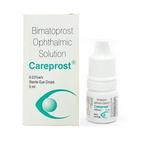
These drops gained immense popularity, demonstrating an incredibly fast and always noticeable result since its application. This innovative means will allow you to give your eyelashes an ideal look, strength and health, in whatever serious condition they are before the moment of its application. It is safe and effective providing amazing results.
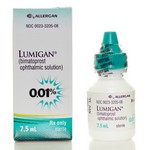
This means is prescribed to reduce eye pressure. Its active ingredient is synthetic prostaglandin bimatoprost – an unsaturated fatty acid, similar in its properties to hormones. Getting into the eye, drops help maintain the balance of the flow and outflow of eye fluid. It is a violation of this balance that leads to an increase in pressure, due to which the blood supply to the eye is impaired and the load on the optic nerve increases.

Bimatoprost reduces IOP in humans by increasing the outflow of aqueous humor through the trabecular meshwork and uveoscleral outflow. IOP reduction begins about 4 hours after the first use. The maximum effect is achieved after about 8–12 hours. The effect lasts for at least 24 hours.
Administering Eye Drops to Toddlers: Proper Technique and Guidelines
Administering eye drops to toddlers can be a challenging task, but with the right technique and guidelines, it can be done effectively and safely. Here are some important steps to follow when giving eye drops to your toddler:
Step 1: Gather the necessary supplies
Before administering the eye drops, make sure you have the following supplies:
- The specific eye drop medication prescribed by your doctor.
- Cotton balls or a clean washcloth to aid in the application process.
- Clean, sterile dropper (if not provided with the medication).
- A clean, comfortable area to administer the eye drops.
Keep in mind the importance of washing your hands thoroughly before handling the eye drops to ensure cleanliness and prevent the spread of infection.
Step 2: Prepare your toddler for the eye drops
Preparing your toddler for the eye drops can help minimize stress and make the process smoother. Here are some tips:
- Engage your toddler in a favorite activity or offer a toy to distract them.
- Explain the process to your toddler in a simple and reassuring manner. For example, you can say, “We’re going to put some special drops in your eyes to help them feel better.”
- Position your toddler in a comfortable and secure position, such as lying on their back or sitting on your lap with their head tilted back.
Step 3: Administer the eye drops properly
It is essential to administer the eye drops correctly to ensure effectiveness and prevent any discomfort or potential side effects. Follow these steps:
- Gently hold your toddler’s eye open using one hand. Use your thumb and index finger to hold the eyelids open without putting pressure on the eyeball.
- With your other hand, hold the dropper above the eye without touching it.
- Squeeze the prescribed number of drops into the eye as directed by your doctor.
- Release your toddler’s eyelids and ask them to blink a few times, which helps distribute the eye drops evenly.
- Repeat the process for the other eye, if necessary.
Remember to avoid touching the dropper tip to the eye or any other surface to prevent contamination.
Step 4: Minimize discomfort and potential side effects
While administering the eye drops, you can take steps to minimize discomfort and reduce the likelihood of potential side effects. Consider the following tips:
- Use a distraction technique, such as singing a favorite song or playing a gentle game, to keep your toddler focused and relaxed during the process.
- Apply a warm compress to your toddler’s eyes before administering the eye drops to soothe any discomfort or irritation.
Be aware of potential side effects of the eye drops, such as redness or irritation. If you notice any unusual reactions, contact your doctor immediately.
Step 5: Follow up with your doctor
After administering the eye drops, it is important to schedule a follow-up appointment with your doctor. This allows them to monitor your toddler’s progress and ensure the effectiveness of the eye drops. During the follow-up appointment, feel free to ask any questions or address any concerns you may have.
If the current eye drops are not effective, your doctor may recommend a different medication or dosage.
Step 6: Safety precautions and storage
It is crucial to take safety precautions when administering eye drops to your toddler:
- Avoid touching the eye dropper to any other surface or person to prevent the spread of infection.
Proper storage of eye drop medications is also important. Follow the instructions provided by your doctor or pharmacist regarding storage conditions and expiration dates to ensure their effectiveness.
For more information about eye drops for toddlers, consult reliable sources such as the American Academy of Ophthalmology or your healthcare provider.
Minimize Discomfort and Potential Side Effects
When administering eye drops to toddlers, it is important to minimize any potential discomfort and be aware of possible side effects. Here are some tips to help:
1. Prevent Discomfort
- Use distraction techniques: Engage your toddler in a favorite activity or give them a toy to distract them during the administration of eye drops. This can help redirect their attention, easing any discomfort or anxiety they may feel.
- Apply a warm compress: Prior to giving the eye drops, you can gently apply a warm compress to your toddler’s eye. This can help soothe any irritation and make the process more comfortable for them.
2. Recognize Potential Side Effects
- Redness or irritation: While eye drops are generally safe, some toddlers may experience mild redness or irritation after receiving the medication. This is usually temporary and should subside on its own.
- Eye discharge: It is not uncommon for toddlers to experience temporary eye discharge after receiving eye drops. This is a normal response to the medication and should not cause alarm. However, if the discharge persists or becomes excessive, it is best to consult your pediatrician.
It is important to note that every child may react differently to eye drops, and side effects can vary. If you notice any unusual or severe symptoms after administering the eye drops, contact your doctor for further guidance.
3. Finishing the Course
Even if your toddler’s symptoms improve after a few doses of the eye drops, it is crucial to complete the entire course of medication as prescribed by the doctor. This will ensure that the infection or condition is fully treated and help prevent a recurrence.
According to a survey conducted by the American Academy of Pediatrics, 30% of parents do not complete a full course of prescribed eye drops for their toddlers due to perceived improvement in symptoms. However, prematurely stopping the treatment can lead to incomplete recovery and potential relapse.
Source: American Academy of Pediatrics
Always consult your pediatrician if you have any concerns or questions about your toddler’s eye drops or their treatment plan. They will be able to provide specific guidance based on your child’s individual needs.
Follow up with the doctor
After administering the eye drops to your toddler, it is important to schedule a follow-up appointment with your doctor. This follow-up appointment will allow the doctor to monitor your toddler’s progress and ensure the effectiveness of the eye drops.
During the follow-up appointment, you should feel free to ask any questions or address any concerns you may have. The doctor is there to provide guidance and support in managing your toddler’s eye condition.
If the current eye drops are not proving to be effective, the doctor may need to adjust the medication or dosage. They may also recommend additional tests or treatments to further manage your toddler’s eye condition.
It is essential to attend the follow-up appointment even if your child’s symptoms have improved. This is to ensure that the eye condition is completely resolved and to prevent any potential complications in the future.
Remember to bring any relevant information or documentation to the follow-up appointment, such as records of your toddler’s symptoms and any side effects experienced from the eye drops. This information will help the doctor make an informed decision about the next steps in managing your toddler’s eye health.
Additionally, it’s important to continue following your doctor’s instructions and completing the entire course of eye drops prescribed, even if your toddler’s symptoms improve. This will help prevent any recurrence of the eye condition and ensure the best possible outcome for your child’s eye health.
Safety Precautions and Storage for Toddler Eye Drops
When it comes to administering eye drops to toddlers, it is essential to take safety precautions to protect their delicate eyes and ensure the effectiveness of the medication. Here are some important guidelines to follow:
Avoiding Contamination
- Always wash your hands thoroughly before handling the eye drops or touching your toddler’s eyes. This will minimize the risk of introducing any harmful bacteria or dirt into their eyes.
- Make sure to clean and sterilize any tools or items used in the application process, such as cotton balls or a clean washcloth. This will help prevent any additional contamination.
- Avoid touching the dropper tip with any surfaces, including your fingers or your toddler’s eyes. This will reduce the chances of introducing any germs or infection.
Proper Storage and Expiration Dates
- Follow the instructions provided by the doctor or pharmacist regarding the proper storage of the eye drop medication. Some eye drops may require refrigeration, while others may need to be stored at room temperature.
- Check the expiration date on the eye drop medication before each use. Expired eye drops may not be as effective or could potentially be harmful to your toddler’s eyes.
Consultation with Healthcare Professionals
If you have any specific questions or concerns about the use, storage, or potential interactions of the eye drops with other medications, it is important to consult with your doctor or pharmacist. They can provide you with accurate and up-to-date information and address any doubts you may have.
It is also crucial to schedule a follow-up appointment with the doctor to monitor your toddler’s progress and ensure that the eye drops are working effectively. During this appointment, don’t hesitate to ask any questions or address any concerns you may have. Your doctor is there to support you and your child’s eye health.
Remember, providing the correct care for your toddler’s eyes is crucial. By following these safety precautions and storage guidelines, you can help maintain their eye health and ensure the effectiveness of the eye drops.