Duration of Effect and Duration of Eye Drops for Dilation
Eye drops for dilation, also known as mydriatic eye drops, are commonly used by eye care professionals to expand the pupil for various purposes, such as eye exams or certain surgical procedures. These eye drops work by relaxing the muscles in the iris, allowing more light to enter the eye.
It is important to know that the duration of the effect of eye drops for dilation can vary depending on the specific medication used. Some common types of eye drops for dilation include:
- Atropine
- Cyclopentolate
- Phenylephrine
- Tropicamide
The average duration of effect for these eye drops can range from a few hours to several days. For example, Atropine eye drops can have a duration of effect of up to 10 days, while Tropicamide eye drops typically last for about 4-8 hours.
It is important to consider the duration of effect when scheduling appointments or planning activities after using eye drops for dilation. The effects of these eye drops can cause temporary blurred vision and increased sensitivity to light, which may hinder certain tasks such as driving or reading.
It is also worth noting that different individuals may have varying responses to these medications, and the duration of effect can be influenced by factors such as age, overall health, and individual differences in drug metabolism.
For optimal results and to ensure the safe use of eye drops for dilation, it is recommended to follow the instructions provided by the healthcare professional or the product packaging. Additionally, if you have any concerns or questions about the duration of effect or the proper use of these eye drops, it is best to consult with a qualified healthcare professional.
Duration of Eye Drops for Pink Eye in Kids
When it comes to treating pink eye in children, there are several different types of eye drops available. The duration of effect for each type of eye drop can vary, so it’s important to understand how long each one lasts to ensure optimal results.
1. Antibiotic eye drops
Antibiotic eye drops are commonly used to treat pink eye caused by a bacterial infection. These eye drops typically have a duration of effect of about 4 to 6 hours. It’s important to follow the recommended dosage and frequency of use as prescribed by a healthcare professional. If the symptoms persist or worsen after a few days of treatment, it’s important to consult a healthcare professional for further evaluation.
2. Steroid eye drops
Steroid eye drops are sometimes prescribed to reduce inflammation and relieve symptoms associated with pink eye. These eye drops typically have a longer duration of effect compared to antibiotic eye drops, lasting anywhere from 12 hours to a few days, depending on the severity of the condition. It’s important to follow the prescribed dosage and frequency, as well as the duration of treatment recommended by a healthcare professional.
3. Lubricating eye drops
Lubricating eye drops can also be used to relieve symptoms of pink eye, such as dryness and irritation. These eye drops do not treat the underlying cause of pink eye, but they can provide temporary relief. The duration of effect for lubricating eye drops can vary, but they typically provide relief for around 2 to 4 hours. These eye drops can be used as needed throughout the day to alleviate discomfort.
4. Combination eye drops
In some cases, combination eye drops may be prescribed to treat pink eye. These eye drops contain both an antibiotic and a steroid to address both bacterial infection and inflammation. Depending on the specific combination eye drop, the duration of effect can vary. It’s important to follow the recommended dosage and frequency as prescribed by a healthcare professional.
Overall, it’s important to use eye drops for pink eye in children as directed by a healthcare professional. It’s also important to note that the duration of effect can vary depending on the severity of the condition and individual factors. If there are any concerns or questions about the use of eye drops for pink eye, it’s always best to consult with a healthcare professional for personalized advice and guidance.
Over-the-Counter Pink Eye Drops and Their Duration of Effect
If you or your child are experiencing symptoms of pink eye, over-the-counter pink eye drops can provide relief. These drops are easily accessible and can help alleviate redness, itching, and irritation. However, it’s essential to understand the duration of effect of these drops to ensure optimal use and effectiveness.
Types of Over-the-Counter Pink Eye Drops
There are several types of over-the-counter pink eye drops available in the market. These include:
- Antihistamine Drops: These drops help relieve itching and redness caused by allergic reactions.
- Vasoconstrictor Drops: Vasoconstrictor drops work by shrinking the blood vessels in the eyes, reducing redness.
- Lubricating Drops: Lubricating drops provide moisture to the eyes, relieving dryness and discomfort.
- Multisymptom Drops: Multisymptom drops combine various ingredients to provide relief from multiple pink eye symptoms.
Duration of Effect
The duration of effect for over-the-counter pink eye drops can vary depending on the specific type. Antihistamine drops typically provide relief for about 4-6 hours. Vasoconstrictor drops may provide redness reduction for up to 6-8 hours. Lubricating drops, on the other hand, offer temporary relief and may need to be reapplied frequently throughout the day. Multisymptom drops can provide relief for several hours, depending on the brand and formulation.
Important Considerations
When using over-the-counter pink eye drops, it’s essential to follow the instructions provided by the manufacturer. Some important considerations include:
- Wash your hands before and after applying the drops to prevent further contamination.
- Avoid touching the dropper tip to prevent the spread of bacteria.
- Do not use the drops if you have an eye injury or if the symptoms worsen after a few days.
- If you wear contact lenses, remove them before applying the drops and wait at least 15 minutes before reinserting them.
- Store the drops according to the manufacturer’s instructions, usually at room temperature.
It’s important to note that over-the-counter pink eye drops are not a substitute for professional medical advice. If your symptoms persist or worsen, it’s advisable to consult a healthcare professional for a proper diagnosis and treatment.
For more information on over-the-counter pink eye drops and their effectiveness, you can refer to authoritative sources such as the American Academy of Ophthalmology or consult with your pharmacist.

Bimat eye drops are used to treat hypotrichosis, short, weak eyelashes. Bimat increases the length, thickness and enhances the color of eyelashes. These substances are also used to lower intraocular pressure in patients with a diagnosis of glaucoma. By reducing the pressure, the risk of blindness is significantly decreased.
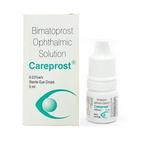
These drops gained immense popularity, demonstrating an incredibly fast and always noticeable result since its application. This innovative means will allow you to give your eyelashes an ideal look, strength and health, in whatever serious condition they are before the moment of its application. It is safe and effective providing amazing results.
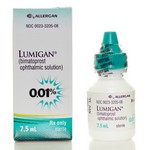
This means is prescribed to reduce eye pressure. Its active ingredient is synthetic prostaglandin bimatoprost – an unsaturated fatty acid, similar in its properties to hormones. Getting into the eye, drops help maintain the balance of the flow and outflow of eye fluid. It is a violation of this balance that leads to an increase in pressure, due to which the blood supply to the eye is impaired and the load on the optic nerve increases.

Bimatoprost reduces IOP in humans by increasing the outflow of aqueous humor through the trabecular meshwork and uveoscleral outflow. IOP reduction begins about 4 hours after the first use. The maximum effect is achieved after about 8–12 hours. The effect lasts for at least 24 hours.
The Effect of Using Expired Eye Drops
Using expired eye drops can potentially have adverse effects on your eye health. While expired eye drops may still be effective in treating certain eye conditions, they can lose their potency over time and may not provide the desired results. It’s important to understand the potential risks and dangers associated with using expired eye drops.
Potential Risks and Dangers
When eye drops expire, there is a possibility that the ingredients in the solution may break down or degrade. This can lead to a reduction in the effectiveness of the eye drops, making them less capable of treating certain eye conditions. Expired eye drops may also contain impurities or bacteria that can cause eye irritation or infection.
Using expired eye drops can also lead to inaccurate dosing. The potency of the active ingredients in the eye drops may decrease over time, resulting in an inadequate dose to effectively treat the condition. This can prolong the duration of the eye condition or even worsen the symptoms.
What to Do If You Accidentally Use Expired Eye Drops
If you accidentally use expired eye drops, it’s essential to take the necessary precautions to minimize any potential risks. First, you should immediately stop using the expired eye drops and discard the remaining solution. It’s crucial not to continue using the expired eye drops, as they may not effectively treat your eye condition and could lead to further complications.
You should consult with your healthcare professional or pharmacist to seek guidance on an appropriate alternative or replacement eye drops for your specific eye condition. They can recommend a suitable eye drop option and provide you with instructions on proper usage and storage.
Takeaway
Using expired eye drops can pose certain risks and may not effectively treat your eye condition. It’s important to check the expiration date on your eye drops and discard them once they have expired. If you accidentally use expired eye drops, stop using them immediately and consult with a healthcare professional for guidance on an appropriate alternative.
Duration of Effectiveness for Prescription Eye Drops
When it comes to treating various eye conditions, prescription eye drops are often the preferred choice. They are specifically formulated to target the underlying cause of the problem and can provide more effective and longer-lasting relief compared to over-the-counter options. However, it’s important to understand that the duration of effectiveness for prescription eye drops can vary depending on the specific medication and individual factors.
Here are a few commonly prescribed eye drops and their typical durations of effectiveness:
| Eye Drop | Duration of Effectiveness |
|---|---|
| Brimonidine (Alphagan P) | 6-8 hours |
| Dorzolamide (Trusopt) | 8-12 hours |
| Latanoprost (Xalatan) | 24 hours or longer |
| Timolol (Timoptic) | 12-24 hours |
It’s important to note that these durations are not set in stone and can vary from person to person. Factors such as individual response, severity of the condition, and frequency of usage can all influence how long the eye drops remain effective.
When using prescription eye drops, it’s crucial to follow the instructions provided by your healthcare professional. They will guide you on the recommended dosage, frequency, and duration of usage for optimal results. It’s also important to store the eye drops properly, typically in a cool and dry place, away from direct sunlight and extreme temperatures.
Regular follow-up appointments with your healthcare professional are essential to monitor the effectiveness of the prescription eye drops. They can make any necessary adjustments to the treatment plan based on your progress and may recommend additional or alternative medications if needed.
It’s worth mentioning that the information provided here is for general reference only and individual experiences may vary. Always consult with your healthcare professional for personalized advice and guidance regarding your specific eye condition and treatment.
Refrigeration of Latanoprost Eye Drops After Opening
When it comes to preserving the stability and effectiveness of your latanoprost eye drops, proper storage and handling are crucial. Latanoprost is a medication commonly used to lower intraocular pressure in individuals with glaucoma. To ensure that your eye drops remain effective, it is important to understand the significance of refrigeration after opening.
Importance of Refrigeration
Latanoprost eye drops contain a preservative called benzalkonium chloride, which helps prevent the growth of bacteria and maintain the sterility of the medication. However, benzalkonium chloride can break down over time, reducing its effectiveness in preserving the eye drops.
Refrigeration helps slow down the degradation process of benzalkonium chloride and extends the shelf life of your latanoprost eye drops. Keeping the eye drops refrigerated at a temperature between 2°C and 8°C (36°F and 46°F) helps maintain their potency and ensures optimal therapeutic effects.
Factors Affecting Stability and Effectiveness
There are several factors that can affect the stability and effectiveness of latanoprost eye drops after opening:
- Temperature fluctuations: Exposure to high temperatures can accelerate the degradation of benzalkonium chloride and other components in the eye drops. By refrigerating the eye drops, you can minimize temperature fluctuations and maintain their stability.
- Exposure to light: Direct sunlight or strong indoor lighting can also degrade the active ingredients in the eye drops. Storing them in a cool, dark place, such as a refrigerator, helps protect them from light exposure.
- Contamination: Proper hygiene is crucial when handling eye drops. Always wash your hands before administering the eye drops and avoid touching the dropper to any surface to prevent contamination.
Proper Storage and Handling
Here are some important instructions to follow for proper storage and handling of your latanoprost eye drops:
- Store the eye drops in the refrigerator at a temperature between 2°C and 8°C (36°F and 46°F). Avoid freezing them, as extreme temperatures can affect their efficacy.
- Keep the eye drops in their original packaging to protect them from light exposure.
- Do not shake the eye drops vigorously. Gently invert the bottle to mix the contents if needed.
- Wash your hands thoroughly before touching the eye drops or administering them.
- Avoid touching the dropper tip to any surface to prevent contamination.
- Use the eye drops as instructed by your healthcare professional. Typically, latanoprost eye drops are administered once daily, usually in the evening. Follow the recommended dosage and frequency for optimal results.
- If you accidentally leave the eye drops out of the refrigerator for a short period of time, you can still use them if the temperature did not exceed 25°C (77°F). However, if the eye drops have been exposed to high temperatures for an extended period, it is advisable to discard them and obtain a new prescription.
By following these guidelines for proper storage and handling, you can ensure that your latanoprost eye drops remain effective throughout their recommended duration of use.
Conclusion and Final Tips
Refrigeration is an essential aspect of maintaining the stability and effectiveness of latanoprost eye drops. By refrigerating them at the recommended temperature range, you can protect the active ingredients and extend their shelf life.
Remember to always consult with your healthcare professional regarding the proper usage and storage of your latanoprost eye drops. They can provide personalized guidance based on your individual needs and address any specific concerns or questions you may have.
Conclusion and Final Tips
In conclusion, understanding the duration of effectiveness of various eye drops is crucial for optimal usage and results. Here are some final recommendations to keep in mind:
1. Consult with a healthcare professional: For specific concerns or questions about eye drops, it is always best to consult with a healthcare professional. They can provide personalized advice based on your individual needs and medical history.
2. Follow instructions for usage: Always carefully read and follow the instructions provided with the eye drops. This includes the recommended dosage, frequency of use, and any additional instructions for proper application.
3. Store eye drops properly: Proper storage is essential to maintain the effectiveness of eye drops. Be sure to store them in a cool, dry place as directed on the packaging. Refrigeration may be required for certain types of eye drops, such as latanoprost.
4. Check expiration dates: Using expired eye drops can potentially be harmful or ineffective. Always check the expiration date on the packaging before using any eye drops. If you accidentally use expired eye drops, it is recommended to seek advice from a healthcare professional.
5. Consider prescription eye drops: If over-the-counter eye drops are not providing sufficient relief or if you have a specific eye condition, your healthcare professional may prescribe prescription eye drops. These may have different durations of effectiveness, so it’s important to follow the instructions provided by your healthcare professional.
Remember, eye drops can provide relief for various eye conditions, but it’s essential to use them safely and effectively. By understanding the duration of effectiveness, following proper usage and storage instructions, and seeking professional guidance when needed, you can ensure the best results for your eye health and comfort.
For more information on eye drops and their duration of effectiveness, you can visit trusted sources such as the American Academy of Ophthalmology [1] and the National Eye Institute [2].
References:
- American Academy of Ophthalmology. Retrieved from https://www.aao.org/
- National Eye Institute. Retrieved from https://www.nei.nih.gov/