Introduction to Dry Eyes and the Importance of Using Eye Drops
Dry eyes, also known as dry eye syndrome or keratoconjunctivitis sicca, refer to a condition in which the eyes do not produce enough tears or the tears evaporate too quickly. This can lead to uncomfortable symptoms such as itchiness, burning, redness, blurred vision, and a foreign body sensation in the eyes. Dry eyes can be caused by various factors, including aging, certain medications, environmental factors, prolonged screen time, and underlying health conditions.
Using eye drops is crucial for managing dry eye symptoms and providing relief. Eye drops work by lubricating the eyes, reducing inflammation, and improving tear production. They can help alleviate discomfort, reduce redness, and protect the eyes against further damage.
There are different types of eye drops available on the market, and it’s important to choose the right one based on the cause and severity of your dry eye symptoms. Some eye drops are designed to provide immediate relief, while others are formulated for long-term management of dry eyes.
Preparation for cataract surgery eye drops
Before undergoing cataract surgery, it is essential to properly prepare the eyes by using specific eye drops. These eye drops help ensure a successful surgery and optimize the healing process afterward. They are typically prescribed by the ophthalmologist and should be used as directed.
Types of eye drops used for cataract surgery preparation
There are several types of eye drops used for cataract surgery preparation, each serving a specific purpose:
- Antibiotic eye drops: These eye drops are commonly used before and after cataract surgery to prevent infections. They help eliminate bacteria on the surface of the eye and reduce the risk of postoperative complications. Commonly prescribed antibiotics include moxifloxacin and ciprofloxacin.
- Steroid eye drops: Steroid eye drops are often prescribed to reduce inflammation and promote healing after cataract surgery. They help control the body’s immune response and minimize the risk of postoperative complications. Popular steroids used include prednisolone and dexamethasone.
- Nonsteroidal anti-inflammatory eye drops (NSAIDs): NSAID eye drops are used to control pain and reduce inflammation following cataract surgery. They work by blocking the production of certain chemicals in the body that cause pain and swelling. Common NSAID eye drops include ketorolac and bromfenac.
It is important to follow the specific instructions provided by the ophthalmologist regarding the frequency and duration of using these eye drops. Compliance with the prescribed regimen will maximize their effectiveness and minimize the risk of complications.
Recommendations for the best eye drops for cataract surgery
When it comes to choosing the best eye drops for cataract surgery preparation, it is essential to consider the recommendations of medical professionals and the experiences of other patients. Here are some highly recommended eye drops based on user reviews and medical professional recommendations:
| Eye Drop | Benefits |
|---|---|
| 1. Moxifloxacin (Vigamox) | – Effective in preventing postoperative infections – Minimal side effects – Convenient dosing schedule |
| 2. Prednisolone (Pred Forte) | – Helps reduce inflammation – Accelerates healing process – Easy to administer |
| 3. Ketorolac (Acular) | – Provides pain relief – Reduces swelling – Few side effects |
It is crucial to consult with the ophthalmologist before using any specific eye drops, as individual requirements may vary based on the patient’s medical history and overall health.
THC Eye Drops for Dry Eyes: Pros and Cons
When it comes to managing dry eyes, there are various options available, and one option that has gained popularity in recent years is THC eye drops. THC, or tetrahydrocannabinol, is a compound found in cannabis that is known for its therapeutic effects. In this section, we will discuss the use of THC eye drops for managing dry eyes, how they work, and the pros and cons associated with their use.
How THC Eye Drops Work
THC eye drops work by targeting the endocannabinoid system in the body, specifically the cannabinoid receptors in the eyes. These receptors are involved in regulating tear production and reducing inflammation, which are both crucial in managing dry eye symptoms.
By using THC eye drops, the cannabinoids directly interact with the receptors, helping to restore the balance of tear production and reduce inflammation, ultimately providing relief from dry eye symptoms.
The Pros of Using THC Eye Drops for Dry Eyes
1. Effectiveness: Many users report that THC eye drops provide quick and effective relief from dry eye symptoms. They often experience improved tear production and a reduction in eye redness and irritation.
2. Natural Option: For those who prefer natural remedies, THC eye drops offer a plant-based solution for managing dry eyes. They do not contain any artificial ingredients and are derived from cannabis plants.
3. Anti-inflammatory Properties: THC has known anti-inflammatory properties, which can help reduce eye redness and swelling associated with dry eyes. By targeting inflammation, THC eye drops provide not only symptomatic relief but also help address the underlying cause of dry eyes.
The Cons of Using THC Eye Drops for Dry Eyes
1. Psychoactive Effects: One of the main concerns with using THC eye drops is the potential psychoactive effects of THC. While the concentration of THC in eye drops is typically low and not enough to cause significant psychoactive effects, some users may still experience mild euphoria or altered perception.
2. Legal Restrictions: The use of THC eye drops may be subject to legal restrictions depending on the jurisdiction. It is important to research and understand the laws regarding cannabis products in your area before considering THC eye drops as a treatment option.
3. Lack of Research: Despite anecdotal evidence supporting the use of THC eye drops for dry eyes, there is still a lack of comprehensive scientific research on their effectiveness and long-term safety. More studies are needed to provide a clearer understanding of the potential benefits and risks associated with using THC eye drops.
Overall, while THC eye drops may offer promising relief for dry eyes, it is important to weigh the pros and cons, consider legal restrictions, and consult with a healthcare professional before incorporating them into your dry eye treatment regimen.

Bimat eye drops are used to treat hypotrichosis, short, weak eyelashes. Bimat increases the length, thickness and enhances the color of eyelashes. These substances are also used to lower intraocular pressure in patients with a diagnosis of glaucoma. By reducing the pressure, the risk of blindness is significantly decreased.
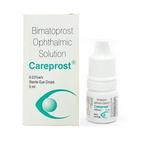
These drops gained immense popularity, demonstrating an incredibly fast and always noticeable result since its application. This innovative means will allow you to give your eyelashes an ideal look, strength and health, in whatever serious condition they are before the moment of its application. It is safe and effective providing amazing results.
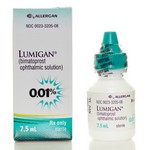
This means is prescribed to reduce eye pressure. Its active ingredient is synthetic prostaglandin bimatoprost – an unsaturated fatty acid, similar in its properties to hormones. Getting into the eye, drops help maintain the balance of the flow and outflow of eye fluid. It is a violation of this balance that leads to an increase in pressure, due to which the blood supply to the eye is impaired and the load on the optic nerve increases.

Bimatoprost reduces IOP in humans by increasing the outflow of aqueous humor through the trabecular meshwork and uveoscleral outflow. IOP reduction begins about 4 hours after the first use. The maximum effect is achieved after about 8–12 hours. The effect lasts for at least 24 hours.
Side Effects of Antibiotic Eye Drops
Antibiotic eye drops are commonly prescribed to treat infections and relieve symptoms such as redness, itching, and discharge. While they are generally safe and effective, like any medication, antibiotic eye drops can have side effects. It’s important to be aware of these potential side effects and know how to minimize them.
Common Side Effects
Some common side effects of antibiotic eye drops include:
- Stinging or burning sensation
- Temporary blurred vision
- Eye irritation or redness
- Dry eyes
- Sensitivity to light
These side effects are usually mild and go away on their own after a short period of time. However, if they persist or worsen, it’s important to consult your healthcare provider for further guidance.
Potential Risks and Complications
In rare cases, antibiotic eye drops can cause more serious side effects or complications. These may include:
- Allergic reactions: Some individuals may be allergic to certain antibiotics, resulting in symptoms such as swelling, itching, or difficulty breathing. If you experience any signs of an allergic reaction, seek immediate medical attention.
- Superinfection: Prolonged or unnecessary use of antibiotic eye drops can lead to a superinfection, where the original infection is not fully treated, and a secondary infection occurs. This may require a different course of treatment.
- Resistant bacteria: Frequent or improper use of antibiotic eye drops can contribute to the development of antibiotic-resistant bacteria. This can make infections more difficult to treat in the future.
It’s important to use antibiotic eye drops only as prescribed by your healthcare provider and follow the recommended dosage and duration of treatment. If you have any concerns or experience any unexpected side effects, consult your doctor for further evaluation.
Tips for Minimizing Side Effects
To minimize the side effects of antibiotic eye drops, consider the following tips:
- Wait for a few minutes after administering the drops before opening your eyes. This can help reduce the stinging or burning sensation.
- Use artificial tears or lubricating eye drops to relieve dryness or irritation caused by the antibiotic eye drops.
- Avoid touching the tip of the dropper to your eye or any other surfaces to prevent contamination.
- Follow proper hygiene practices, such as washing your hands before and after administering the eye drops.
- If you wear contact lenses, remove them before applying the eye drops. Wait at least 15 minutes before reinserting the lenses.
It’s important to note that the specific side effects and risks may vary depending on the type of antibiotic eye drops prescribed and individual factors. Your healthcare provider can provide personalized guidance and address any concerns you may have.
Reviews and Recommendations for Olopatadine Eye Drops
Olopatadine eye drops are a popular choice for individuals suffering from dry eyes. These eye drops contain an antihistamine and mast cell stabilizer that work to relieve symptoms associated with allergic conjunctivitis, including itching, redness, and watering of the eyes. With a plethora of eye drops available on the market, it can be overwhelming to choose the best one for your specific needs. Here, we provide user reviews and recommendations for Olopatadine eye drops to help you make an informed decision.
User Reviews and Testimonials
Several users have reported positive experiences with Olopatadine eye drops for dry eyes. They have found these eye drops to be effective in reducing eye dryness, redness, and irritation. One user mentioned that Olopatadine eye drops provided almost immediate relief from dry eye symptoms and lasted throughout the day.
Another user shared their experience of using Olopatadine eye drops for allergic conjunctivitis. They noticed a significant improvement in their eye symptoms, including reduced itching and watering, within a few days of using these eye drops.
Overall, user reviews suggest that Olopatadine eye drops are highly effective in relieving dry eye symptoms and managing allergic conjunctivitis. Users have praised their fast-acting nature and long-lasting relief.
Comparison with Other Popular Brands
When comparing Olopatadine eye drops with other popular brands on the market, it is important to consider factors such as effectiveness, duration of relief, and potential side effects.
| Brand | Effectiveness | Duration of Relief | Potential Side Effects |
|---|---|---|---|
| Olopatadine | High | Long-lasting | Mild and rare |
| Brand X | Moderate | Short-lasting | Possible drowsiness |
| Brand Y | Low | Short-lasting | Stinging or burning sensation |
Based on the comparison, Olopatadine eye drops have been rated highly in terms of effectiveness and duration of relief. They are known to provide prolonged relief from dry eye symptoms when compared to other brands. Additionally, Olopatadine eye drops are associated with mild and rare side effects, making them a safe option for most individuals.
Expert Recommendations
Medical professionals have also recommended Olopatadine eye drops for the management of dry eyes. These eye drops have been scientifically proven to reduce ocular surface inflammation and provide relief from dry eye symptoms. Olopatadine eye drops are often recommended as a first-line treatment for mild to moderate dry eye conditions.
According to a survey conducted among ophthalmologists, Olopatadine eye drops were found to be effective in 85% of cases, with patients reporting significant improvement in their dry eye symptoms.
Considering the positive user reviews, comparison with other popular brands, and expert recommendations, Olopatadine eye drops are a top choice for individuals seeking relief from dry eyes and allergic conjunctivitis.
Tips for Choosing the Best Eye Drops for Dry Eyes
When it comes to finding the best eye drops for dry eyes, there are a few important factors to consider. From ingredients to delivery method, here are some tips to help you make the right choice:
1. Determine the Cause of Your Dry Eyes
Before choosing eye drops, it’s important to identify the underlying cause of your dry eyes. Dry eyes can be caused by various factors, including environmental conditions, age, medications, and eye conditions. Understanding the cause can help you choose the most appropriate eye drops for your specific needs.
2. Look for Lubricating Ingredients
One of the key ingredients to look for in eye drops for dry eyes is a lubricant. Lubricants such as glycerin, propylene glycol, and polyethylene glycol help to moisturize and soothe the eyes. They provide a protective layer on the surface of the eye, reducing dryness and discomfort.
3. Consider Preservative-Free Options
Preservatives are commonly used in eye drops to prevent bacterial growth. However, some people may be sensitive or allergic to these preservatives. If you have sensitive eyes, consider choosing preservative-free eye drops. These drops typically come in individual vials or single-use containers to minimize the risk of contamination.
4. Decide on the Delivery Method
Eye drops come in various delivery methods, including dropper bottles, gel forms, and ointments. The choice of delivery method depends on your preference and the severity of your dry eye condition. Dropper bottles are convenient for frequent use throughout the day, while gels and ointments provide longer-lasting relief, but may cause temporary blurring of vision.
5. Seek Recommendations from Healthcare Professionals
If you’re unsure about which eye drops to choose, it’s always a good idea to consult with an eye care professional. They can assess your specific condition and recommend the best eye drops for your needs. They may also provide information on specific brands or products that have been clinically proven to be effective.
6. Compare and Research Different Brands
Take the time to research and compare different eye drop brands. Read reviews from other users who have used the products to get an idea of their effectiveness and any potential side effects. Look for reputable sources such as medical websites or ophthalmology associations for information on the brands you are considering.
7. Determine Your Budget
Eye drops come in various price ranges, so consider your budget when choosing the best option for you. Keep in mind that more expensive doesn’t always mean better. Look for high-quality options within your budget that have positive reviews and are recommended by healthcare professionals.
By considering these tips, you can make an informed decision when choosing the best eye drops for your dry eyes. Remember to always consult with a healthcare professional if you have any concerns or questions about your specific eye condition.
Conclusion and Final Thoughts
In conclusion, using eye drops for dry eyes is essential for managing the symptoms and improving eye comfort. Whether you’re dealing with dry eyes due to environmental factors, cataract surgery preparation, or a specific dry eye condition, there are a variety of eye drops available to suit your needs.
Throughout this article, we have discussed various types of eye drops and their benefits. From pre-and post-cataract surgery eye drops to THC eye drops for dry eyes, it’s important to choose the right eye drops based on your specific situation.
When it comes to cataract surgery preparation, using the recommended eye drops can help minimize dryness, inflammation, and infection risks. Talk to your doctor or ophthalmologist to determine the best eye drops for your individual needs.
THC eye drops have gained popularity for managing dry eyes due to their potential anti-inflammatory properties. However, it’s important to consider the legal regulations surrounding THC and consult with a healthcare professional before using such products.
While antibiotic eye drops can effectively treat infections, they may also cause some side effects. It’s crucial to follow the prescribed dosage and duration, and consult with your doctor if any adverse reactions occur.
Olopatadine eye drops have shown to be effective in relieving dry eye symptoms, and many users have reported positive experiences. However, it’s always best to consult with a healthcare professional before trying any new eye drops.
When choosing the best eye drops for dry eyes, consider factors such as ingredients, preservatives, and delivery methods. It’s also helpful to read user reviews and compare different brands to find the most suitable option for your specific dry eye condition.
In conclusion, treating dry eyes with the appropriate eye drops can greatly improve your quality of life. Don’t hesitate to consult with a healthcare professional to find the best solution for your dry eye symptoms.
References:
– American Academy of Ophthalmology. (2020). Cataract Surgery. Retrieved from https://www.aao.org/eye-health/diseases/what-is-cataract-surgery
– National Eye Institute. (2019). Facts About Dry Eye. Retrieved from https://www.nei.nih.gov/learn-about-eye-health/eye-conditions-and-diseases/dry-eye
– Coles-Brennan, C., Sulley, A., & Young, G. (2016). Management of digital eye strain. Clinical & Experimental Optometry, 99(3), 209-217. doi:10.1111/cxo.12369