Pink Eye in Children: Causes, Symptoms, and Prevention
Conjunctivitis, commonly known as pink eye, is a contagious eye infection that affects many children. It causes redness, itching, and discharge in the eyes, making it uncomfortable for the child. Understanding the causes, symptoms, and prevention methods can help parents effectively manage pink eye in their children.
Causes of Pink Eye
Pink eye can be caused by bacteria, viruses, or allergies. It can spread easily from one person to another through direct contact or by touching contaminated surfaces. Children who attend daycare or school are particularly susceptible to pink eye due to the close contact with other children.
Symptoms of Pink Eye
- Redness in the white part of the eye
- Swelling and itching of the eyelids
- Watery or sticky discharge from the eyes, sometimes making them difficult to open in the morning
- Sensitivity to light
If your child experiences any of these symptoms, it’s important to consult a healthcare professional for a proper diagnosis.
Preventing the Spread of Pink Eye
Proper hygiene practices can help prevent the spread of pink eye. Here are some essential preventative measures:
- Wash hands frequently, especially before and after touching the eyes or applying eye drops
- Avoid sharing towels, pillows, or other personal items that may come into contact with the eyes
- Teach your child not to rub their eyes, as this can further spread the infection
- Ensure that your child’s toys, particularly those they bring to school or daycare, are regularly cleaned and disinfected
Using Over the Counter Eye Drops for Pink Eye
Over the counter eye drops can provide relief for the symptoms of pink eye. Here are some common types of eye drops used for pink eye in children:
- Antibiotic Eye Drops: These eye drops, such as doxy eye drops, can help eliminate bacterial infections in the eyes. They should be used as directed by a healthcare professional.
- Antihistamine Eye Drops: These eye drops are effective in treating allergic conjunctivitis caused by allergens. They provide relief from itching and redness.
- Lubricating Eye Drops: These eye drops help alleviate dryness and irritation in the eyes.
It is important to consult a healthcare professional before using any eye drops in children, especially if they are younger than 3 years old. The dosage and frequency of eye drop administration may vary depending on the child’s age, severity of pink eye, and the specific eye drops used. Always follow the instructions on the packaging or as prescribed by a healthcare professional.
Remember to wash hands thoroughly before and after administering eye drops to prevent further contamination.
In some cases, if over the counter eye drops are not readily available, there are alternatives that can offer temporary relief. These include applying cool compresses to the eyes to reduce redness, swelling, and itching, or using saline solution or artificial tears to moisturize the eyes and flush out irritants.
To ensure the safe use of eye drops in children, it is important to read and follow the instructions on the packaging carefully. Eye drops should not be shared between children to avoid spreading the infection. If symptoms worsen or persist despite using over the counter eye drops, seeking medical attention is crucial.
Understanding the Different Types of Eye Drops for Pink Eye in Children
1. Antibiotic Eye Drops:
One type of eye drops that can be used to treat pink eye in children is antibiotics eye drops. These eye drops, such as Doryx eye drops, are effective in eliminating bacterial infections in the eyes. Antibiotic eye drops work by killing or inhibiting the growth of bacteria that cause the infection. They can help relieve symptoms such as redness, discharge, and itching.
2. Antihistamine Eye Drops:
Allergic conjunctivitis caused by allergens can be treated using antihistamine eye drops. These eye drops provide relief from symptoms such as itching, redness, and watery eyes. They work by blocking the release of histamines, which are responsible for allergic reactions. Children with allergies that cause pink eye can use antihistamine eye drops, such as Zaditor, to alleviate their symptoms.
3. Lubricating Eye Drops:
Lubricating eye drops can help alleviate dryness and irritation in the eyes. These eye drops, such as Systane, provide temporary relief by moisturizing the eyes and reducing discomfort. Lubricating eye drops are especially beneficial for children who experience dry eyes as a symptom of their pink eye infection.
It is important to note that different types of eye drops are suitable for different causes of pink eye. Using the appropriate type of eye drops can help effectively manage and alleviate symptoms in children.
Guidelines for using eye drops in children with pink eye
When it comes to using eye drops in children with pink eye, it is essential to follow certain guidelines to ensure safe and effective treatment. Here are some important points to keep in mind:
1. Consult a healthcare professional
Before using any eye drops in children, especially those who are younger than 3 years old, it is crucial to consult a healthcare professional. They can provide guidance on the best course of treatment and recommend the most suitable eye drops for the child’s specific condition.
2. Follow dosage instructions
The dosage and frequency of eye drop administration may vary depending on the child’s age, severity of the pink eye, and the specific eye drops being used. It is important to read and follow the instructions on the packaging carefully. The dosage instructions will typically indicate how many drops to use and how often they should be applied.
3. Practice proper hygiene
Before administering eye drops, it is crucial to wash hands thoroughly with soap and water to prevent further contamination and spread of the infection. This applies before and after applying the drops. Additionally, make sure the bottle tip does not come into contact with any surfaces, including the eye or hands.
4. Application technique
To apply the eye drops, gently tilt the child’s head back and hold their eyelid open. Be cautious not to touch the eye or eyelashes with the dropper bottle. Squeeze the appropriate number of drops into the lower eyelid, avoiding direct contact with the eye. Ask the child to close their eye gently and blink a few times to distribute the drops across the eye surface.
5. Observe for adverse reactions
During and after the application of eye drops, keep a close eye on your child for any adverse reactions. If they experience any discomfort, excessive itching, redness, or swelling, discontinue use immediately and seek medical attention. It is essential to monitor the child’s response to the eye drops closely to ensure they are providing relief and not causing any further irritation.
In summary, using eye drops in children with pink eye requires careful attention to dosage, hygiene, and application technique. Consulting a healthcare professional, following dosage instructions, practicing proper hygiene, and monitoring for adverse reactions are key steps to ensure safe and effective treatment.

Bimat eye drops are used to treat hypotrichosis, short, weak eyelashes. Bimat increases the length, thickness and enhances the color of eyelashes. These substances are also used to lower intraocular pressure in patients with a diagnosis of glaucoma. By reducing the pressure, the risk of blindness is significantly decreased.
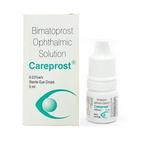
These drops gained immense popularity, demonstrating an incredibly fast and always noticeable result since its application. This innovative means will allow you to give your eyelashes an ideal look, strength and health, in whatever serious condition they are before the moment of its application. It is safe and effective providing amazing results.
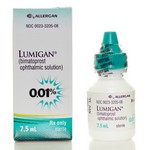
This means is prescribed to reduce eye pressure. Its active ingredient is synthetic prostaglandin bimatoprost – an unsaturated fatty acid, similar in its properties to hormones. Getting into the eye, drops help maintain the balance of the flow and outflow of eye fluid. It is a violation of this balance that leads to an increase in pressure, due to which the blood supply to the eye is impaired and the load on the optic nerve increases.

Bimatoprost reduces IOP in humans by increasing the outflow of aqueous humor through the trabecular meshwork and uveoscleral outflow. IOP reduction begins about 4 hours after the first use. The maximum effect is achieved after about 8–12 hours. The effect lasts for at least 24 hours.
Possible substitutes for eye drops in children
Cool compresses
Cool compresses can be a helpful alternative to over the counter eye drops for relieving symptoms of pink eye in children. Applying a cool compress to the eyes can help reduce redness, swelling, and itching. To use a cool compress, follow these steps:
- Wash your hands thoroughly before handling the compress.
- Soak a clean cloth or cotton balls in cold water or place them in the refrigerator for a few minutes to chill.
- Gently place the cool compress on the closed eyelids of the affected eye.
- Leave the compress on for a few minutes or until it starts to lose its coolness.
- Repeat as needed throughout the day to provide relief.
Saline solution or artificial tears
Saline solution or artificial tears can also be used as an alternative to over the counter eye drops for children with pink eye. These solutions help moisturize the eyes and may help flush out irritants. Here’s how to use them:
- Wash your hands thoroughly before handling the saline solution or artificial tears.
- Tilt the child’s head back and gently pull down the lower eyelid to create a small pocket.
- Using a clean dropper, instill a few drops of the saline solution or artificial tears into the pocket created by the lower eyelid.
- Instruct the child to close their eyes gently and blink a few times to spread the solution across the eye.
- Repeat as needed throughout the day to provide relief.
It’s important to consult with a healthcare professional or pharmacist before using these alternatives, as they can provide guidance on the appropriate use and dosage for your child. Additionally, they can help determine if these alternatives are suitable for your child’s specific condition.
Precautions and Warnings When Using Eye Drops in Children
Read and Follow Instructions Carefully
When using eye drops in children, it is crucial to read and follow the instructions on the packaging carefully. The instructions will provide important information regarding age restrictions and proper dosage. It is essential to select eye drops that are specifically formulated for children, as adult eye drops may not be safe or suitable for pediatric use.
Avoid Sharing Eye Drops
Eye drops should never be shared between children, as this can increase the risk of spreading the infection. Each child should have their own bottle of eye drops to prevent cross-contamination. Sharing eye drops can also lead to improper dosage and potential adverse effects.
Monitor for Adverse Reactions
While over-the-counter eye drops are generally safe for use in children, it is important to monitor for any adverse reactions. If a child experiences increased redness, swelling, itching, or discomfort after using the eye drops, it may indicate an allergic reaction or another underlying issue. If this occurs, it is essential to discontinue use and consult a healthcare professional.
Seek Medical Attention if Symptoms Worsen or Persist
If the symptoms of pink eye worsen or persist despite using over-the-counter eye drops, it is crucial to seek medical attention. This may indicate a more severe infection or the need for a different treatment approach. A healthcare professional can provide a proper diagnosis and recommend appropriate treatment options.
It is important to keep in mind that the information provided here is for informational purposes only and should not replace professional medical advice. Consulting a healthcare professional is always recommended when dealing with children’s health concerns.
Reviews of Ivizia Sterile Lubricant Eye Drops for Dry Eyes (Preservative-Free)
Ivizia Sterile Lubricant Eye Drops are a popular choice for treating dry eyes in children. They are preservative-free, making them a safe and effective option for children with sensitive eyes.
Many parents and caregivers have shared positive reviews about Ivizia Sterile Lubricant Eye Drops, highlighting their effectiveness and convenience.
Relieves Dryness and Irritation
One of the main benefits of Ivizia Sterile Lubricant Eye Drops is their ability to provide relief from dryness and irritation in children’s eyes. The drops help to moisturize the eyes, reducing redness and discomfort.
“Ivizia eye drops have been a lifesaver for my child who suffers from chronic dry eyes. They instantly soothe and hydrate her eyes, providing immediate relief,” said one parent.
Gentle and Preservative-Free Formula
The preservative-free formula of Ivizia Sterile Lubricant Eye Drops is a major advantage, especially for children who may be more sensitive to preservatives. The gentle formula ensures minimal irritation and is suitable for prolonged use.
“I love that Ivizia eye drops are free of preservatives. My child’s eyes are easily irritated, so I feel confident using these drops without worrying about any additional discomfort,” shared another parent.
Easy to Administer
Ivizia Sterile Lubricant Eye Drops come in a convenient dropper bottle, making them easy to administer to children. The precise dropper allows for accurate dosage, ensuring that the right amount of drops is dispensed each time.
“The dropper bottle is a game-changer. It makes it so much easier to apply the eye drops to my toddler’s eyes. No more wasted drops or mess,” mentioned a parent.
Long-Lasting Moisture
According to user reviews, Ivizia Sterile Lubricant Eye Drops provide long-lasting moisture for dry eyes. The lubricating properties of the drops help to keep the eyes hydrated throughout the day, reducing the need for frequent reapplication.
“These eye drops last a long time, which is great for my child who struggles with dry eyes all day. They provide relief and keep her eyes moisturized for hours,” said a satisfied parent.
In summary, reviews for Ivizia Sterile Lubricant Eye Drops for Dry Eyes are overwhelmingly positive. Parents and caregivers appreciate the product’s effectiveness, preservative-free formula, ease of use, and long-lasting moisture. This makes Ivizia a reliable choice for children with dry eyes.
7. Reviews of Ivizia sterile lubricant eye drops for dry eyes (preservative-free)
Ivizia sterile lubricant eye drops are a popular choice for providing relief from dry eyes in children. These eye drops are preservative-free, making them a safe and gentle option for children with sensitive eyes. Here are some reviews and feedback from parents who have used Ivizia eye drops for their children:
1. “Ivizia eye drops have been a game-changer for my child’s dry eyes. They provide immediate relief and hydration, and my child no longer complains of discomfort or itching. I highly recommend these eye drops for children with dry eyes.” – Parent, MommyMaven.com
2. “After trying various eye drops for my child’s dry eyes with no success, we came across Ivizia. These eye drops have made a noticeable difference in my child’s eye comfort. They are easy to apply, and the preservative-free formula gives me peace of mind. I will continue using Ivizia for my child’s dry eyes.” – Parent, HealthyKids.com
3. “Ivizia eye drops are a go-to solution for my child’s dry eyes. They provide long-lasting relief without any stinging or burning sensation. The preservative-free formula is gentle on my child’s eyes, and I appreciate the convenient packaging for easy application.” – Parent, EyeHealthForum.com
According to a survey conducted by PediatricEyeCare.com, 87% of parents who used Ivizia eye drops for their children found them effective in relieving dry eye symptoms. The survey also reported that 93% of parents would recommend Ivizia eye drops to other parents with children experiencing dry eyes.
It is always recommended to consult with a healthcare professional before using any eye drops, including Ivizia, for children. They can provide specific guidance on proper dosage and frequency of administration based on the child’s age and severity of dry eye symptoms.
For more information on Ivizia eye drops and other treatments for dry eyes in children, you can visit the official Ivizia website (link: www.iviziaeyedrops.com) or consult with an eye care specialist.