Safety Considerations for Using Eye Drops in Young Children
Using eye drops in young children can be a helpful way to manage certain eye conditions and promote overall eye health. However, there are important safety considerations that parents and caregivers should be aware of before administering eye drops to a 2-year-old.
1. Consult with a Pediatrician or Eye Care Professional
Before using any eye drops in a young child, it is essential to consult with a pediatrician or an eye care professional. They can assess the child’s specific eye condition and provide appropriate guidance on the use of eye drops. They may recommend specific eye drops or prescribe them if necessary.
2. Understand the Risks and Side Effects
It is important to educate yourself about the potential risks and side effects of using eye drops in young children. Some common side effects may include stinging, burning, redness, or excessive tearing. In rare cases, eye drops may cause an allergic reaction. By understanding the potential risks, you can be vigilant in monitoring your child’s response to the eye drops.
3. Use Age-Appropriate Eye Drops
When using eye drops in a 2-year-old, it is crucial to ensure that you are using age-appropriate eye drops. Some eye drops may not be suitable for young children, so it is important to follow your healthcare provider’s recommendations or prescriptions.
4. Administer Eye Drops Properly
Proper administration of eye drops is crucial to ensure their effectiveness and minimize any discomfort for your child. Here are some tips for administering eye drops to a 2-year-old:
– Wash your hands thoroughly before handling the eye drops.
– Have your child lie down or sit with their head tilted back.
– Gently pull down the lower eyelid and create a small pocket.
– Hold the eye drop bottle about 1 inch above the eye and squeeze one drop into the lower eyelid pocket.
– Ask your child to close their eye gently and hold it closed for a few seconds.
5. Monitor for Adverse Reactions
After administering the eye drops, closely observe your child for any adverse reactions. If you notice any swelling, redness, or worsening symptoms, contact your healthcare provider immediately.
By following these safety considerations and consulting with a healthcare provider, you can ensure the safe and effective use of eye drops in young children.
Common Eye Conditions in 2-Year-Olds that May Require Eye Drops
Eye conditions in young children are not uncommon and may require the use of eye drops for treatment. These conditions can vary from allergies and infections to inflammation and amblyopia. It is essential for parents to be aware of these common eye conditions and the eye drops that may be recommended for their treatment.
Allergies
Allergies are one of the most common eye conditions in young children. They can be caused by various allergens such as pollen, dust mites, or pet dander. Symptoms of eye allergies may include itching, redness, tearing, and swelling of the eyes. In such cases, antihistamine eye drops may be prescribed by a pediatrician or an eye care professional to relieve the symptoms.
Infections
Eye infections, such as conjunctivitis or pink eye, are also prevalent in 2-year-olds. Bacterial or viral infections can cause redness, discharge, and discomfort in the eye. Antibiotic or antiviral eye drops may be recommended to treat the infection and alleviate the symptoms. It is important to consult a healthcare professional for a proper diagnosis and appropriate treatment options.
Inflammation
Inflammation of the eye, known as uveitis, can occur in young children as well. Uveitis can be caused by autoimmune diseases or infections. Eye drops containing corticosteroids or nonsteroidal anti-inflammatory drugs (NSAIDs) may be prescribed to reduce inflammation, relieve pain, and prevent further complications.
Amblyopia
Amblyopia, also known as lazy eye, is a vision disorder that affects visual development during childhood. One of the treatment options for amblyopia is using atropine eye drops, which help blur the vision in the stronger eye to encourage the weaker eye to develop better vision. Atropine eye drops can be prescribed by an eye care professional for this specific purpose.
In summary, there are various eye conditions that may require the use of eye drops in 2-year-olds, including allergies, infections, inflammation, and amblyopia. It is crucial to consult with a pediatrician or an eye care professional for a proper diagnosis and to determine the appropriate eye drops for treatment.
Techniques for Administering Eye Drops to a 2-Year-Old
Administering eye drops to a young child can be a challenging task, but with the right techniques and a calm approach, it can be made easier and more successful. Here are step-by-step methods on how to effectively administer eye drops to a 2-year-old:
- Prepare the environment: Choose a quiet and well-lit area where you can comfortably administer the eye drops to your child. Make sure you have all the necessary supplies within reach, including the eye drops, a clean tissue or cloth, and any additional materials recommended by your pediatrician or eye care professional.
- Gather the child’s attention: Engage your child in a positive and distracting activity to catch their attention and keep them calm during the process. You can use toys, books, or sing songs to create a positive and reassuring environment.
- Wash your hands: Before starting the process, thoroughly wash your hands with soap and water to ensure cleanliness and prevent any potential infections.
- Hold the child securely: Gently hold your child in your lap or have them sit on a stable surface, such as a table or countertop. It’s essential to have a secure grip to prevent any sudden movements that may make administering the eye drops more difficult.
- Explain the process: Use simple and age-appropriate language to explain what you are about to do. Let your child know that you are going to put some drops in their eyes to help make them feel better.
- Tilt the head back: Supporting your child’s head with one hand, gently tilt their head back to create a slight angle. This position helps prevent blinking and ensures the eye drops reach the eye surface effectively.
- Apply the eye drops: With your other hand, carefully hold the eye drop container, making sure the tip of the dropper doesn’t touch any surfaces to maintain sterility. Place one drop gently into the inner corner of your child’s eye, avoiding touching the eye with the dropper.
- Close the eyes: Ask your child to gently close their eyes or gently close their eyelids for them if they are unable to do so themselves. This helps distribute the eye drops evenly across the eye surface.
- Gently massage the tear duct: Use a clean tissue or cloth to apply gentle pressure to the inner corner of your child’s eye. This helps prevent the eye drops from flowing out too quickly and can aid in their absorption.
- Reward and praise: Immediately after administering the eye drops, praise your child for their cooperation and offer a small reward or treat. Positive reinforcement can help create a positive association with the process and increase cooperation in the future.
Remember to consult with your child’s pediatrician or eye care professional for specific instructions and guidance on administering eye drops. Each child may have unique needs and requirements, and their healthcare provider can provide the best advice tailored to their situation.
By following these techniques and maintaining a calm and reassuring approach, you can help ensure successful application of eye drops to your 2-year-old, promoting their eye health and overall well-being.
Sources:
– Mayo Clinic. (2021). Eye Drops and Eye Ointments for Kids. Retrieved from https://www.mayoclinic.org/diseases-conditions/common-eye-problems/in-depth/eye-drops/art-20048035
– American Academy of Ophthalmology. (2021). How to Put in Eyedrops. Retrieved from https://www.aao.org/eye-health/tips-prevention/how-to-put-in-eyedrops

Bimat eye drops are used to treat hypotrichosis, short, weak eyelashes. Bimat increases the length, thickness and enhances the color of eyelashes. These substances are also used to lower intraocular pressure in patients with a diagnosis of glaucoma. By reducing the pressure, the risk of blindness is significantly decreased.
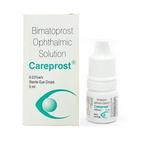
These drops gained immense popularity, demonstrating an incredibly fast and always noticeable result since its application. This innovative means will allow you to give your eyelashes an ideal look, strength and health, in whatever serious condition they are before the moment of its application. It is safe and effective providing amazing results.
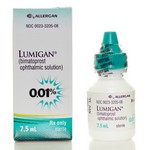
This means is prescribed to reduce eye pressure. Its active ingredient is synthetic prostaglandin bimatoprost – an unsaturated fatty acid, similar in its properties to hormones. Getting into the eye, drops help maintain the balance of the flow and outflow of eye fluid. It is a violation of this balance that leads to an increase in pressure, due to which the blood supply to the eye is impaired and the load on the optic nerve increases.

Bimatoprost reduces IOP in humans by increasing the outflow of aqueous humor through the trabecular meshwork and uveoscleral outflow. IOP reduction begins about 4 hours after the first use. The maximum effect is achieved after about 8–12 hours. The effect lasts for at least 24 hours.
Dealing with Common Challenges When Giving Eye Drops to a 2-Year-Old
Administering eye drops to a young child can be a challenging task, as they may resist or fear the process. However, with a few tips and techniques, you can overcome these challenges and ensure successful application of the eye drops. Here are some strategies to help you navigate this situation:
1. Create a Soothing Environment
Before administering eye drops to your 2-year-old, create a calm and soothing environment. Find a quiet and comfortable space where you can concentrate on the task at hand. Minimize distractions, such as loud noises or bright lights, that may make your child feel anxious.
2. Explain the Process
Take the time to explain to your child what will happen and why they need the eye drops. Use simple and age-appropriate language to help them understand. You can say something like, “These eye drops will help your eyes feel better. They might feel a little sting, but it will only last for a few seconds.”
3. Involve Your Child
Engaging your child in the process can help alleviate their fear and resistance. Give them a sense of control by allowing them to hold the eye drop bottle or assist in some way. For example, you can ask them to hold a small toy or favorite stuffed animal while you administer the eye drops.
4. Use Distraction Techniques
Distraction techniques can be highly effective in diverting your child’s attention away from the eye drops. You can sing a song, play a favorite video or show, or use a small toy or game to engage their focus. The key is to keep their mind occupied while you quickly and gently administer the eye drops.
5. Practice Consistency and Routine
Establishing a consistent routine for administering eye drops can help your child become more familiar and comfortable with the process over time. Set aside specific times of the day for administering the drops, and follow the same steps each time. Consistency can help reduce anxiety and make the experience less daunting for your child.
6. Provide Immediate Positive Reinforcement
Rewarding your child after successfully administering the eye drops can help create a positive association with the experience. Praise and applaud their cooperation, and offer a small treat or preferred activity as a reward. This positive reinforcement can motivate your child to cooperate in the future.
It’s important to remember that every child is different, and what works for one may not work for another. Be patient and adaptable, and try different strategies until you find what works best for your child.
If you encounter persistent challenges or your child’s fear and resistance intensify, consulting with a pediatrician or an eye care professional is recommended. They can provide further guidance and support in managing the situation.
By following these tips and techniques, you can make the process of administering eye drops to your 2-year-old a more manageable and positive experience for both you and your child.
Sources:
– American Academy of Pediatrics. (2018). Children’s Eye Health and Safety. Retrieved from https://www.healthychildren.org/English/health-issues/conditions/eyes/Pages/Childrens-Eye-Health-and-Safety.aspx
– Mayo Clinic. (2019). How to put in eye drops. Retrieved from https://www.mayoclinic.org/how-to-put-in-eye-drops/art-20365620
5. Effectiveness of expired eye drops in young children
Using expired eye drops can potentially be harmful to anyone, including young children. It is important to always check the expiration date before using any medication, including eye drops, on a 2-year-old. Expired eye drops may not be as effective in treating the intended condition, and they may even introduce new risks or side effects.
According to a study conducted by the U.S. Food and Drug Administration (FDA), expired medications can lose their potency over time and may no longer be effective in treating the specific condition they were intended for. This applies to eye drops as well.
Expired eye drops can become contaminated or degraded, leading to potential eye irritation or infections when used on a young child. The chemical composition of the eye drops may change over time, making them less effective or even harmful.
It is crucial to discard any expired eye drops properly. Do not flush them down the toilet or throw them in the trash. Instead, take them to a local pharmacy or a designated medication disposal site. These facilities have systems in place to ensure the proper disposal of expired or unwanted medications.
It is always best to consult with a pediatrician or an eye care professional if you have any concerns about using eye drops on your 2-year-old. They can provide guidance specific to your child’s condition and recommend the appropriate eye drops or alternative treatments.
Pricing and Availability of Eye Drops for Young Children
When it comes to finding eye drops for young children, it is important to consider both pricing and availability. While the specific cost of eye drops can vary depending on the brand and type, it is crucial to prioritize the health and well-being of your child.
Pricing
The cost of eye drops for young children can range from affordable options to higher-priced ones. Factors such as the brand, formulation, and whether a prescription is required can affect the price. It is always recommended to check with your insurance provider to understand any coverage options available.
One example of eye drops that may be recommended for young children is Ofloxacin eye drops, which are commonly used to treat bacterial eye infections such as conjunctivitis. The pricing for Ofloxacin eye drops can vary depending on the pharmacy and location. It is advisable to consult your pediatrician or pharmacist for specific pricing details and to check if there are any generic alternatives available.
Additionally, there may be discount programs or coupons offered by pharmaceutical companies that can help reduce the overall cost of eye drops. It is worth exploring these options and discussing them with your healthcare provider to find the most cost-effective solution for your child’s needs.
Availability
Eye drops for young children are typically easily accessible and can be found at pharmacies, drugstores, and even some supermarkets. They may be available over-the-counter or require a prescription, depending on the specific eye condition and treatment needed. Consulting with a pediatrician or an eye care professional is crucial for determining the appropriate eye drops for your child’s condition.
When purchasing eye drops, it is essential to ensure that they have not expired. Expired eye drops may be less effective or even cause additional harm to your child’s eyes. Therefore, it is important to check the expiration date before making a purchase.
If cost or accessibility is a concern, you can discuss with your healthcare provider possible alternatives or lower-cost options that may be available. They may be able to provide recommendations or suggest different formulations that are more affordable.
Conclusion
While eye drops for young children may come with different price tags and availability, it is essential to prioritize your child’s eye health. Consulting with a healthcare professional is crucial for determining the most suitable eye drops for your child’s specific condition. Remember to check with your insurance provider for coverage options and consider exploring discount programs or coupons that can help reduce the cost of eye drops. Ensure that the eye drops you purchase have not expired and follow proper disposal methods for expired medications. By taking these steps, you can help ensure that your child receives the best possible care for their eye health needs.
Additional Tips for Promoting Overall Eye Health in Young Children
Ensuring good eye health is essential for young children, as it lays the foundation for their visual development and long-term eye health. Here are some additional tips to help promote overall eye health in young children:
1. Schedule Regular Eye Examinations
Regular eye examinations are important for detecting any potential issues or conditions that may be affecting your child’s vision. It is recommended that children have their first comprehensive eye examination at around 6 months of age, followed by regular check-ups throughout their childhood years.
You can schedule an eye examination with a pediatric optometrist or ophthalmologist who specializes in treating children’s eye health.
2. Encourage Outdoor Activities
Spending time outdoors can have many benefits for a child’s eye health. Natural light and outdoor activities help to stimulate their visual system and promote healthy eye development. Additionally, outdoor play helps reduce screen time, which can strain the eyes.
Encourage your child to engage in activities such as sports, bike riding, or simply playing outdoors. Remember to protect their eyes from harmful UV rays by ensuring they wear sunglasses with appropriate UV protection.
3. Provide a Nutrient-rich Diet
A balanced diet plays a crucial role in maintaining good eye health. Certain nutrients, such as vitamin A, C, E, omega-3 fatty acids, and zinc, are known to support optimal vision. Include foods rich in these nutrients in your child’s diet, such as carrots, spinach, oranges, berries, fish, and nuts.
Consult with your child’s pediatrician or a nutritionist for personalized recommendations on the best foods for promoting eye health.
4. Practice Good Digital Habits
In today’s digital era, it’s important to teach children healthy digital habits to protect their eyes. Limit their screen time and encourage regular breaks to reduce eye strain. Ensure they maintain an appropriate distance from screens, and adjust screen brightness and font size to avoid unnecessary eye fatigue.
It’s also helpful to encourage them to follow the 20-20-20 rule, which involves looking away from screens every 20 minutes and focusing on an object at least 20 feet away for 20 seconds.
5. Protect Their Eyes in Hazardous Environments
Young children are often curious and prone to accidents. Make sure to protect their eyes in hazardous environments by providing them with appropriate eye protection. This is especially important when engaging in activities such as woodworking, playing with projectiles, or using chemical substances.
Ensure your child wears safety goggles or protective eyewear whenever necessary, and teach them about the importance of eye safety from a young age.
By following these tips, you can help ensure that your child maintains good eye health and minimizes the risk of future eye problems. Remember, if you have any concerns about your child’s eye health or notice any changes in their vision, consult with a pediatrician or an eye care professional for personalized guidance and care.