Overview of Carboxymethylcellulose Eye Drops
Carboxymethylcellulose (CMC) is an ingredient commonly used in eye drops to provide relief for dry, irritated eyes. It is a derivative of cellulose, a plant-based polymer, and it helps to lubricate and hydrate the eyes.
Benefits and Uses of Carboxymethylcellulose Eye Drops
Carboxymethylcellulose eye drops offer a range of benefits for individuals suffering from dry eyes or other eye irritations. Some of the key benefits include:
- Relief from dryness and discomfort in the eyes
- Reduction of redness and itching
- Improved eye comfort and vision clarity
- Protection against environmental factors such as dust or wind
- Promotion of natural tear production
These eye drops can be used for various conditions, including:
- Dry eye syndrome
- Allergic conjunctivitis
- Contact lens-related dryness
- Eye strain or fatigue
Common Conditions that can be Treated with Carboxymethylcellulose Eye Drops
Carboxymethylcellulose eye drops are particularly effective in treating conditions such as:
- Chronic dry eye syndrome, which is characterized by a lack of sufficient tears or poor tear quality
- Allergies, causing redness, itching, and watery eyes
- Contact lens-related dryness, which can occur when the lenses absorb tears, leading to dry and uncomfortable eyes
- Eye strain or fatigue, often associated with prolonged computer use, reading, or other activities that require intense visual concentration
These eye drops provide relief from symptoms by moisturizing and lubricating the eyes, reducing inflammation, and improving tear quality.
Allergy Eye Drops for Puffy Eyes
Explanation of Puffy Eyes
Puffy eyes, medically known as periorbital puffiness, is a condition characterized by swelling and puffiness around the eyes. It can be caused by various factors including allergies, fluid retention, lack of sleep, stress, and aging. When the blood vessels around the eyes dilate, fluid can accumulate and cause the surrounding tissues to become swollen and puffy.
How Allergy Eye Drops Can Help Alleviate Puffy Eyes
Allergy eye drops containing carboxymethylcellulose can help alleviate puffy eyes by reducing inflammation and relieving itching and redness. Carboxymethylcellulose is a lubricant that helps soothe the eyes and maintain moisture. When applied as eye drops, it can help reduce swelling and irritation, providing relief from puffy eyes caused by allergies.
Review of Popular Brands of Allergy Eye Drops
There are several popular brands of allergy eye drops that contain carboxymethylcellulose. These include:
- Zaditor: Zaditor allergy eye drops provide fast-acting relief from itching due to allergies. They are suitable for both indoor and outdoor allergies.
- Alaway: Alaway is an antihistamine eye drop that offers long-lasting relief from itchy eyes caused by allergies. It can provide up to 12 hours of relief.
- Visine-A: Visine-A combines an antihistamine with a decongestant to relieve redness, itching, and swelling caused by allergies.
Tips for Choosing the Right Allergy Eye Drops
When choosing allergy eye drops for puffy eyes, it’s important to consider the following:
- Allergen coverage: Look for eye drops that specifically target the allergens causing your symptoms, such as pollen or pet dander.
- Duration of action: Consider how long the eye drops provide relief. Some brands offer long-lasting relief for extended symptom control.
- Ingredients: Check the ingredients to ensure they are safe for your eyes and do not cause any adverse reactions.
- Consultation with an eye care professional: If your symptoms persist or worsen, it is advisable to consult an eye care professional for a proper diagnosis and recommendation.
Keep in mind that while these popular brands may provide relief for many individuals, individual experiences and preferences may vary. It is important to find the eye drops that work best for you and address your specific needs.
Refresh Optive Mega-3 lubricant eye drops reviews
Refresh Optive Mega-3 lubricant eye drops are a popular choice for those looking to relieve dry eye symptoms. These eye drops are designed to provide long-lasting hydration and comfort to the eyes, making them a great option for people who suffer from chronic dryness.
Benefits and features of Refresh Optive Mega-3 eye drops
Refresh Optive Mega-3 lubricant eye drops are formulated with a unique combination of ingredients that help to soothe and protect the eyes. The main active ingredients in these eye drops include carboxymethylcellulose (CMC), flaxseed oil, and castor oil.
CMC is a well-known lubricant that helps to provide moisture and reduce dryness in the eyes. It forms a protective layer on the surface of the eyes, helping to lock in moisture and alleviate discomfort.
Flaxseed oil and castor oil are both rich in omega-3 fatty acids, which have been shown to have anti-inflammatory properties and promote overall eye health. These oils help to nourish and hydrate the eyes, providing additional relief from dryness.
One of the key features of Refresh Optive Mega-3 eye drops is their long-lasting hydration. The unique formulation of these eye drops allows them to provide extended relief, reducing the need for frequent reapplication throughout the day. This is especially beneficial for those who experience severe dryness or spend a lot of time in dry or windy environments.
Reviews and feedback from users who have tried the product
Refresh Optive Mega-3 lubricant eye drops have received rave reviews from users who have tried the product. Many users report significant improvement in their dry eye symptoms, including reduced redness, irritation, and discomfort.
One user stated, “I’ve tried many different eye drops for my dry eyes, and Refresh Optive Mega-3 is by far the most effective. It provides instant relief and keeps my eyes moisturized for hours. I highly recommend it to anyone suffering from dryness or eye irritation.”
Another user mentioned, “I love that these eye drops are made with natural ingredients like flaxseed oil and castor oil. It feels good to know that I’m using a product that is not only effective but also beneficial for my overall eye health.”
Overall, the majority of users are extremely satisfied with the performance of Refresh Optive Mega-3 eye drops and would highly recommend them to others who are seeking relief from dry eye symptoms.
Comparison with other lubricant eye drops on the market
When comparing Refresh Optive Mega-3 lubricant eye drops to other products on the market, it is clear that they offer unique advantages. The inclusion of flaxseed oil and castor oil sets Refresh Optive Mega-3 apart from many other lubricating eye drops, as these ingredients provide additional nourishment and hydration to the eyes.
In addition, the long-lasting moisturizing effect of Refresh Optive Mega-3 eye drops is another key differentiator. Many other eye drops require frequent reapplication, which can be inconvenient and disruptive to daily activities.
Furthermore, Refresh Optive Mega-3 eye drops have been extensively tested and clinically proven to provide significant relief from dry eye symptoms. This gives users confidence in the effectiveness of the product and reassurance that they are using a reliable solution for their eye care needs.
It is worth noting that everyone’s experience with eye drops can vary, and it may be necessary to try different products to find the one that works best for individual needs. However, based on the positive reviews and unique features of Refresh Optive Mega-3 eye drops, they are certainly a top choice for those seeking relief from dry eye symptoms.

Bimat eye drops are used to treat hypotrichosis, short, weak eyelashes. Bimat increases the length, thickness and enhances the color of eyelashes. These substances are also used to lower intraocular pressure in patients with a diagnosis of glaucoma. By reducing the pressure, the risk of blindness is significantly decreased.
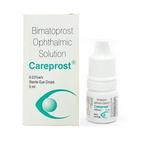
These drops gained immense popularity, demonstrating an incredibly fast and always noticeable result since its application. This innovative means will allow you to give your eyelashes an ideal look, strength and health, in whatever serious condition they are before the moment of its application. It is safe and effective providing amazing results.
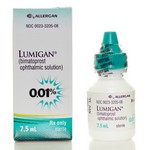
This means is prescribed to reduce eye pressure. Its active ingredient is synthetic prostaglandin bimatoprost – an unsaturated fatty acid, similar in its properties to hormones. Getting into the eye, drops help maintain the balance of the flow and outflow of eye fluid. It is a violation of this balance that leads to an increase in pressure, due to which the blood supply to the eye is impaired and the load on the optic nerve increases.

Bimatoprost reduces IOP in humans by increasing the outflow of aqueous humor through the trabecular meshwork and uveoscleral outflow. IOP reduction begins about 4 hours after the first use. The maximum effect is achieved after about 8–12 hours. The effect lasts for at least 24 hours.
Atropine Eye Drops Half-Life: What You Need to Know
Atropine eye drops are a commonly used medication for a variety of eye conditions. Understanding the half-life of atropine eye drops is important for patients and healthcare professionals alike. Here, we will explain the concept of half-life and discuss its significance in pharmacology. We will also explore the half-life of atropine eye drops and provide important considerations and precautions when using this medication.
What are Atropine Eye Drops?
Atropine eye drops contain the active ingredient atropine sulfate, which belongs to a class of medications called anticholinergics. These eye drops work by dilating the pupils and temporarily paralyzing the muscles that control the size of the pupil.
Understanding Half-Life in Pharmacology
In pharmacology, half-life refers to the time it takes for the concentration of a drug in the body to decrease by half. This information is important as it helps determine the dosing intervals and duration of treatment. Drugs with a longer half-life generally require less frequent dosing, while drugs with a shorter half-life may need to be administered more frequently.
Half-Life of Atropine Eye Drops
The half-life of atropine eye drops can vary depending on several factors, including the concentration of the eye drops and individual patient characteristics. On average, the half-life of atropine eye drops ranges from 2 to 4 hours.
Significance for Patients
The half-life of atropine eye drops has implications for patients using this medication. It determines the frequency of administration and is important to ensure that the desired therapeutic effect is maintained throughout the day.
Patients prescribed atropine eye drops should follow the dosing instructions provided by their healthcare professional. Typically, atropine eye drops are administered 1 to 2 times a day, depending on the individual’s condition and response to treatment.
Considerations and Precautions
While atropine eye drops can be effective in managing certain eye conditions, there are important considerations and precautions to keep in mind:
- Atropine eye drops may cause temporary blurred vision and increased sensitivity to light. Patients should avoid driving or operating machinery until their vision has returned to normal.
- Atropine eye drops should not be used by individuals with certain medical conditions, such as glaucoma or narrow-angle closure.
- Pregnant or breastfeeding individuals should consult their healthcare provider before using atropine eye drops.
It is crucial to communicate any existing medical conditions or medications being taken to the healthcare professional prescribing the atropine eye drops. This will ensure the safe and effective use of the medication.
By understanding the concept of half-life and the implications it has for atropine eye drops, patients can better manage their treatment and optimize the benefits of this medication. Proper education, adherence to dosing instructions, and open communication with healthcare professionals are vital for the safe and effective use of atropine eye drops.
Cyclogyl Eye Drops Uses
Cyclogyl eye drops are a medication used to treat various eye conditions. They contain the active ingredient cyclopentolate, which belongs to a group of drugs called anticholinergics. These eye drops work by temporarily relaxing the muscles in the eye, which helps to dilate the pupil and prevent certain eye conditions.
The primary use of Cyclogyl eye drops is to aid in the examination of the eye. They are commonly used by ophthalmologists and optometrists to dilate the pupil prior to an eye exam or eye surgery. Dilating the pupil allows the healthcare professional to get a better view of the back of the eye and diagnose any potential issues.
Cyclogyl eye drops are also used in the treatment of certain eye conditions, such as uveitis and iritis. These conditions involve inflammation of the middle layer of the eye, and Cyclogyl eye drops help to relieve the associated pain and discomfort. By dilating the pupil, the drops also reduce the ciliary muscle spasm, which can further help alleviate these conditions.
Another use of Cyclogyl eye drops is in the treatment of amblyopia, commonly known as “lazy eye.” Amblyopia is a condition where one eye has decreased vision compared to the other. By dilating the normal eye with Cyclogyl eye drops, the brain is forced to use the “lazy” eye, helping to improve its visual acuity over time.
It is important to note that Cyclogyl eye drops should only be used under the supervision and guidance of a healthcare professional. These drops are prescription-only and should not be used without a proper diagnosis and prescription. The dosage and frequency of use will be determined by the healthcare professional based on the individual’s specific condition and needs.
As with any medication, there are potential side effects associated with the use of Cyclogyl eye drops. These can include blurred vision, increased eye pressure, stinging or burning sensation in the eyes, dry mouth, and sensitivity to light. It is crucial to report any unusual or severe side effects to a healthcare professional promptly.
In summary, Cyclogyl eye drops are a medication commonly used in eye exams and the treatment of various eye conditions. They help to dilate the pupil, providing a better view of the eye during examinations and aiding in the diagnosis of eye problems. They are also used in the management of uveitis, iritis, and amblyopia. However, it is important to use these eye drops under the guidance of a healthcare professional and to report any side effects promptly.
Comparison of Different Carboxymethylcellulose Eye Drop Brands
When it comes to choosing carboxymethylcellulose eye drops, there are several brands available on the market. Here is a comparison of some popular brands:
1. Refresh Tears:
- Ingredients: Refresh Tears contains carboxymethylcellulose sodium as the active ingredient, along with other inactive ingredients such as purified water, sodium chloride, and potassium chloride.
- Formulation: It is formulated as a sterile, isotonic solution.
- Pricing: The pricing of Refresh Tears may vary depending on the size of the bottle, but it is generally considered to be an affordable option.
- Reviews: Refresh Tears has received positive reviews from users, with many highlighting its effectiveness in providing immediate relief and soothing dry eyes.
2. Systane Ultra:
- Ingredients: Systane Ultra contains carboxymethylcellulose sodium as the active ingredient, along with other ingredients such as polyethylene glycol and propylene glycol.
- Formulation: It is formulated as a sterile, preservative-free solution.
- Pricing: Systane Ultra is priced higher compared to some other brands, but it is known for its high quality and efficacy.
- Reviews: Users have reported that Systane Ultra provides long-lasting relief and effectively moisturizes dry, irritated eyes.
3. TheraTears:
- Ingredients: TheraTears contains carboxymethylcellulose sodium as the active ingredient, along with other ingredients such as sodium borate and sodium chloride.
- Formulation: It is formulated as a preservative-free, sterile solution.
- Pricing: TheraTears is available at a moderate price range and offers good value for money.
- Reviews: Users have praised TheraTears for its gentle formulation and soothing effect on dry, irritated eyes. It is also favored by those with sensitive eyes.
4. Blink Tears:
- Ingredients: Blink Tears contains carboxymethylcellulose sodium as the active ingredient, along with other ingredients such as sodium chloride and borate.
- Formulation: It is formulated as a sterile, isotonic solution.
- Pricing: Blink Tears is competitively priced and offers affordable options for those seeking relief from dry eyes.
- Reviews: Users have reported that Blink Tears provides instant relief and effectively lubricates the eyes, even for those with severe dry eye symptoms.
Factors to Consider:
When choosing a carboxymethylcellulose eye drop brand, it is important to consider the following factors:
- Sensitivity: Some brands may have additional ingredients that may cause irritation or allergies in some individuals. It is important to check the ingredient list if you have sensitive eyes.
- Cost: Eye drops can be used frequently, so considering the cost and value for money is essential.
- Packaging: Some brands offer convenient packaging, such as preservative-free single-use vials, which can be more hygienic and convenient for travel. Others may have larger bottles for long-term use.
- Feedback: Reading reviews and feedback from users can provide insights into the effectiveness and tolerability of different brands.
It is always advisable to consult with your eye care professional before choosing any eye drop brand, especially if you have any pre-existing eye conditions or are currently taking other medications.
Tips for using carboxymethylcellulose eye drops effectively
When using carboxymethylcellulose eye drops, it is important to follow the proper techniques and guidelines to ensure their effectiveness and safety. Here are some tips to help you use carboxymethylcellulose eye drops effectively:
1. Wash your hands before applying the eye drops
Before using carboxymethylcellulose eye drops, make sure to wash your hands thoroughly with soap and water. This helps prevent any dirt or bacteria on your hands from coming into contact with your eyes.
2. Tilt your head back and pull down your lower eyelid
To properly apply the eye drops, tilt your head back slightly and use your index finger to gently pull down your lower eyelid. This creates a small pocket for the eye drops to be placed in.
3. Squeeze the bottle and release one or two drops into the pocket
Squeeze the bottle of carboxymethylcellulose eye drops gently and release one or two drops into the pocket created by pulling down your lower eyelid. Be careful not to touch your eye or the surrounding areas with the dropper tip to avoid contamination.
4. Close your eyes and gently press on the inner corner of your eye
After placing the drops in your eye, close your eyes gently and press on the inner corner of your eye (where the eyelids meet) with your finger for about a minute. This helps to minimize the amount of eye drops that drain into the tear duct and increases the amount of the medication that stays on the eye surface.
5. Avoid rubbing your eyes
After applying the eye drops, avoid rubbing your eyes, as this can potentially cause irritation or further discomfort. If necessary, you can gently blink a few times to help distribute the eye drops evenly across your eye.
6. Follow the recommended frequency and duration of use
It is important to follow the instructions provided by your healthcare provider or the product label regarding the frequency and duration of use of carboxymethylcellulose eye drops. These instructions may vary depending on the specific eye condition being treated or the severity of your symptoms. If you are unsure, consult your healthcare provider for guidance.
7. Store the eye drops properly
Carboxymethylcellulose eye drops should be stored at room temperature, away from direct sunlight and heat. Be sure to securely close the bottle after each use to prevent contamination and deterioration of the medication.
In summary, using carboxymethylcellulose eye drops effectively involves proper hand hygiene, careful application, and following the recommended guidelines for frequency and duration of use. By following these tips, you can maximize the benefits of carboxymethylcellulose eye drops and minimize any potential side effects.