Overview of Pataday Eye Drops
Pataday eye drops are a commonly used medication for relieving various eye symptoms, such as itching, redness, and watering. These symptoms are commonly associated with allergies, such as hay fever or seasonal allergies.
Pataday contains the active ingredient olopatadine hydrochloride, which belongs to a class of medications called antihistamines. Antihistamines work by blocking the effects of histamine, a substance that is released by your body during an allergic reaction. By blocking histamine, Pataday eye drops can provide relief from the uncomfortable symptoms of allergies.
Safety considerations during pregnancy
When it comes to using medications during pregnancy, it is important to be cautious and consider the potential risks and benefits. While there is limited information specifically on the safety of Pataday eye drops during pregnancy, we can look at general guidelines and available studies to make an informed decision.
General guidelines for using medications during pregnancy
During pregnancy, it is generally advised to minimize the use of medications, especially in the first trimester when the baby’s organs are developing. However, in certain cases, the benefits of using a medication may outweigh the potential risks. It is always recommended to consult with a healthcare professional before using any medication during pregnancy.
When considering the use of Pataday eye drops or any other medication, the following factors should be taken into account:
- Severity of symptoms: If your eye symptoms are mild and can be managed without medication, it may be best to avoid using any eye drops during pregnancy.
- Potential risks: While there is limited information on the specific risks of using Pataday eye drops during pregnancy, it is important to consider the potential risks associated with the active ingredients in the medication.
- Benefits versus risks: If the benefits of using Pataday eye drops outweigh the potential risks to both the mother and the baby, it may be considered safe to use during pregnancy.
Review of studies and research on the safety of Pataday eye drops during pregnancy
Currently, there is limited information available on the safety of Pataday eye drops specifically during pregnancy. However, studies have been conducted on the active ingredient in Pataday, known as olopatadine hydrochloride.
A study published in the Journal of Allergy and Clinical Immunology found that olopatadine hydrochloride, the active ingredient in Pataday, did not cause any adverse effects on pregnancy outcomes in animal studies. However, it is important to note that animal studies may not always directly translate to human studies.
Another study published in the Annals of Allergy, Asthma & Immunology assessed the safety and efficacy of olopatadine hydrochloride for ocular allergy treatment in children, including pregnant women. The study concluded that olopatadine hydrochloride was effective and well-tolerated, but further research is needed to determine its safety during pregnancy.
Discussion of the potential risks and benefits of using Pataday eye drops when pregnant
Based on the limited research available, it is difficult to determine the exact risks and benefits of using Pataday eye drops during pregnancy. However, it is important to consider the following:
- Risks: There is a possibility of potential risks associated with the active ingredient in Pataday eye drops. It is important to discuss these risks with a healthcare professional before deciding to use the medication.
- Benefits: Pataday eye drops may provide relief from eye symptoms during pregnancy, improving the overall comfort and quality of life for pregnant women.
- Individualized decision: The decision to use Pataday eye drops during pregnancy should be made on an individualized basis, taking into consideration the severity of symptoms, potential risks, and benefits.
It is important to note that this information is not meant to replace medical advice, and pregnant women should always consult with their healthcare provider before using any medication, including Pataday eye drops.
Sources:
- Journal of Allergy and Clinical Immunology – https://www.jacionline.org/article/S0091-6749(08)02215-7/fulltext
- Annals of Allergy, Asthma & Immunology – https://www.annallergy.org/article/S1081-1206(10)61544-8/fulltext
Alternatives to Pataday Eye Drops
When it comes to managing eye symptoms during pregnancy, there are several alternatives to Pataday eye drops that pregnant women can consider. While Pataday is a popular and effective option for relieving eye symptoms, it’s always a good idea to explore other options that may be more suitable for use during pregnancy. Here are some alternatives to Pataday eye drops:
Lubricating Eye Drops
Lubricating eye drops are a common choice for managing dry, itchy eyes during pregnancy. These drops work by providing moisture and lubrication to the eyes, relieving dryness and reducing irritation. Lubricating eye drops typically do not contain active ingredients that are known to be harmful during pregnancy, making them a safe and effective option for pregnant women.
Some popular lubricating eye drops that are considered safe for use during pregnancy include:
Allergy Eye Drops
If your eye symptoms are primarily caused by allergies, there are allergy eye drops available that can provide relief. These eye drops are specially formulated to alleviate symptoms such as itching, redness, and watery eyes caused by allergies. It’s important to choose allergy eye drops that do not contain antihistamines or other ingredients that may not be safe during pregnancy.
Some allergy eye drops that have been deemed safe for use during pregnancy include:
- Zyrtec Itchy Eye Drops
- Alaway Antihistamine Eye Drops
- Pataday Once Daily Relief (check with your healthcare provider for individual suitability)
Natural Remedies
In addition to eye drops, there are also natural remedies that can help relieve eye symptoms during pregnancy. These remedies are safe alternatives to consider, especially for women who prefer to avoid medications altogether. Some natural remedies for managing dry, itchy eyes include:
- Applying warm compresses to the eyes
- Using a humidifier to add moisture to the air
- Using preservative-free saline eye drops to rinse the eyes
- Avoiding common allergens that may trigger eye symptoms
It’s important to note that while natural remedies can be effective for some individuals, they may not provide the same level of relief as medicated eye drops. Consulting with a healthcare professional is always recommended to ensure the best course of action.
Overall, there are several alternatives to Pataday eye drops that pregnant women can consider for managing their eye symptoms. Whether it’s lubricating eye drops, allergy eye drops, or natural remedies, it’s important to choose options that are safe during pregnancy and provide the necessary relief for your specific symptoms.

Bimat eye drops are used to treat hypotrichosis, short, weak eyelashes. Bimat increases the length, thickness and enhances the color of eyelashes. These substances are also used to lower intraocular pressure in patients with a diagnosis of glaucoma. By reducing the pressure, the risk of blindness is significantly decreased.
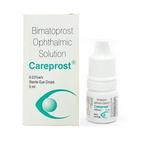
These drops gained immense popularity, demonstrating an incredibly fast and always noticeable result since its application. This innovative means will allow you to give your eyelashes an ideal look, strength and health, in whatever serious condition they are before the moment of its application. It is safe and effective providing amazing results.
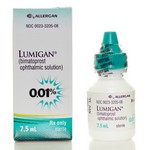
This means is prescribed to reduce eye pressure. Its active ingredient is synthetic prostaglandin bimatoprost – an unsaturated fatty acid, similar in its properties to hormones. Getting into the eye, drops help maintain the balance of the flow and outflow of eye fluid. It is a violation of this balance that leads to an increase in pressure, due to which the blood supply to the eye is impaired and the load on the optic nerve increases.

Bimatoprost reduces IOP in humans by increasing the outflow of aqueous humor through the trabecular meshwork and uveoscleral outflow. IOP reduction begins about 4 hours after the first use. The maximum effect is achieved after about 8–12 hours. The effect lasts for at least 24 hours.
Safe Options for Pregnant Women
During pregnancy, it’s important to be cautious about the medications and treatments you use, including eye drops. While Pataday eye drops may not be recommended during pregnancy due to limited research on its safety, there are other eye drop options that have been deemed safe for use by pregnant women.
Here are some safe alternatives to consider:
Lubricating Eye Drops
One of the main concerns during pregnancy is dry eyes, which can cause discomfort and irritation. Lubricating eye drops are a safe option to relieve dryness and provide temporary relief. These eye drops work by adding moisture to the eyes and can be used as needed throughout the day.
Many over-the-counter lubricating eye drops are available, and it’s important to look for preservative-free options. Some popular brands include Refresh Optive, Systane Ultra, and TheraTears.
Preservative-Free Allergy Eye Drops
If you’re experiencing itchy eyes due to allergies, preservative-free allergy eye drops can be a safe choice during pregnancy. These eye drops help to alleviate itching, redness, and irritation caused by allergic reactions. Common brands include Alcon, Bausch + Lomb, and Rohto.
It’s worth noting that not all allergy eye drops are safe for pregnant women, so it’s important to carefully read the labels and consult with your healthcare provider before using any new medication.
Artificial Tears
Artificial tears are another safe option for pregnant women experiencing dry or irritated eyes. These eye drops are designed to mimic the natural tears and provide relief from discomfort. Look for preservative-free artificial tears for best results. Some popular brands include Bion Tears, GenTeal Tears, and Refresh Tears.
It’s important to remember that every pregnancy is different, and what may be safe for one woman may not be suitable for another. It is always recommended to consult with your healthcare provider before using any medication during pregnancy, including eye drops.
“According to studies and research conducted on the safety of various eye drops during pregnancy, lubricating eye drops and preservative-free allergy eye drops have been shown to be safe options for pregnant women when used as directed. These eye drops provide temporary relief from dryness, itchiness, and irritation in the eyes without posing significant risks to the developing fetus.”
Here is a table summarizing the safety considerations for different types of eye drops during pregnancy:
| Type of Eye Drops | Safety Considerations |
|————————-|————————-|
| Lubricating Eye Drops | Deemed safe for use |
| Preservative-Free | Limited research, |
| Allergy Eye Drops | consult healthcare |
| | provider before use |
| Artificial Tears | Deemed safe for use |
Remember, if you have any concerns or questions about using eye drops during pregnancy, it’s always best to consult with your healthcare provider. They can provide personalized advice based on your specific situation and help you find the best and safest option for managing your eye symptoms.
Tips for staying informed and consulting a healthcare professional
When it comes to using any medication during pregnancy, including Pataday eye drops, it is crucial to stay well-informed and consult with a healthcare professional. Here are some tips to help you navigate this process:
1. Educate yourself:
It’s important to educate yourself about Pataday eye drops and their safety during pregnancy. Knowing the potential risks and benefits can help you make an informed decision. Start by reading reliable sources of information such as reputable medical websites, professional guidelines, and research studies. The American College of Obstetricians and Gynecologists (ACOG) and the Centers for Disease Control and Prevention (CDC) are excellent resources for trustworthy and evidence-based information.
2. Schedule an appointment with your healthcare provider:
Make sure to schedule an appointment with your healthcare provider to discuss your symptoms and the potential use of Pataday eye drops or any other eye drops during pregnancy. Your healthcare provider has the knowledge and expertise to provide personalized advice based on your individual health needs and circumstances.
3. Be prepared with questions:
Prior to your appointment, take some time to prepare a list of questions. Some questions you may want to ask your healthcare provider include:
- Are Pataday eye drops safe to use during pregnancy?
- What are the potential risks and benefits of using Pataday eye drops during pregnancy?
- Are there any alternative eye drops that may be safer during pregnancy?
- What are the non-medicated options for managing dry, itchy eyes during pregnancy?
- Are there any other medications or treatments that can help relieve my symptoms?
4. Discuss your medical history and current medications:
Make sure to inform your healthcare provider about your complete medical history, including any allergies or previous adverse reactions to medications. It’s also important to provide a comprehensive list of all medications you are currently taking, including prescription medications, over-the-counter drugs, and any supplements or herbal remedies.
5. Follow the advice of your healthcare provider:
Based on your discussion with your healthcare provider and the information provided, follow their advice regarding the use of Pataday eye drops or any other eye drops during pregnancy. They will consider the potential risks and benefits and provide you with the best course of action for managing your eye symptoms safely.
Remember, every pregnancy is unique, and what works for one person may not work for another. Trust in the expertise of your healthcare provider and be open to exploring alternative options if necessary. Your ultimate goal is to find relief for your eye symptoms while keeping yourself and your baby safe throughout the pregnancy.
Tips for Managing Dry, Itchy Eyes During Pregnancy
Pregnancy can bring about various changes in the body, including changes in the eyes. Dry, itchy eyes are a common symptom experienced by many expectant mothers. While it is important to consult with a healthcare professional before using any medication during pregnancy, there are some non-medicated methods and natural remedies that can help alleviate eye symptoms. Here are some tips to help manage dry, itchy eyes during pregnancy:
1. Use a Humidifier
Using a humidifier in your home can increase the moisture in the air, which can help prevent dryness and soothe your eyes. Place the humidifier in your bedroom or any other room where you spend a significant amount of time.
2. Apply Warm Compresses
Applying a warm compress to your eyes can help relieve itching and discomfort. Soak a clean washcloth in warm water (not hot) and place it over your closed eyes for a few minutes. Repeat this several times a day, as needed.
3. Avoid Tightly Fitting Contact Lenses
If you wear contact lenses, consider switching to glasses during pregnancy. Contact lenses can contribute to dry eyes and may exacerbate symptoms. If you must wear contacts, be sure to keep them clean and properly hydrated.
4. Use Lubricating Eye Drops
Lubricating eye drops, also known as artificial tears, can help alleviate dryness and itchiness. Look for preservative-free eye drops, as they are generally considered safe for use during pregnancy. Some popular brands of preservative-free eye drops include Refresh Optive and Systane Ultra.
5. Wear Protective Eyewear
Whether you are outdoors or engaging in activities that may expose your eyes to potential irritants (e.g., dust, wind), wearing protective eyewear, such as sunglasses or goggles, can help shield your eyes from these factors and reduce dryness and irritation.
6. Avoid Eye Irritants
Avoid products that may irritate your eyes, such as harsh chemicals, smoke, and strong fragrances. If you need to use cleaning products or other substances that may irritate your eyes, wear gloves and protective eyewear.
7. Get Plenty of Rest
Getting adequate rest and sleep can help alleviate eye symptoms associated with pregnancy. Fatigue can contribute to dryness and itchiness, so make sure to prioritize rest and relaxation.
Remember, it is essential to consult with a healthcare professional before using any medication or eye drops during pregnancy. They can provide personalized advice and guide you in choosing the most appropriate and safe options for managing your dry, itchy eyes.
Conclusion and Final Considerations
In conclusion, when it comes to using Pataday eye drops during pregnancy, it is important to exercise caution and consult with a healthcare professional. While there is limited research on the specific safety of Pataday eye drops during pregnancy, the active ingredient, olapatadine, has been shown to be low-risk in animal studies. However, it is always recommended to err on the side of caution and consider alternatives that have been deemed safe for use during pregnancy.
When it comes to managing dry, itchy eyes during pregnancy, there are several safe and non-medicated options available. These can include using a humidifier in your living space to add moisture to the air, applying warm compresses to your eyes, or using lubricating eye drops specifically formulated for dry eyes and approved for use during pregnancy.
It is essential to stay informed and communicate openly with your healthcare provider about any concerns or questions you may have about using Pataday eye drops or any other medication during pregnancy. They will be able to provide you with personalized advice and help you make an informed decision about managing your eye symptoms while safeguarding your health and the health of your baby.
Additional resources and information on the topic of pregnancy and medication safety can be found on authoritative websites such as:
- Mayo Clinic
- Centers for Disease Control and Prevention (CDC)
- American College of Obstetricians and Gynecologists (ACOG)
Remember, every pregnancy is unique, and what works for one woman may not work for another. By consulting with your healthcare provider and following their guidance, you can make the best decision for managing your eye symptoms and ensuring the safety of both you and your baby.