Importance of Proper Administration of Eye Drops
Eye drops are a common form of medication used to treat various eye conditions and diseases. Proper administration of eye drops is crucial to ensure their effectiveness and to prevent any contamination that may lead to further complications. Nurses play a vital role in educating patients on the correct procedure for administering eye drops.
Administering eye drops correctly involves several important steps:
- Wash hands: The first and most important step before administering eye drops is to wash your hands thoroughly with soap and water. This helps prevent the transfer of bacteria or other contaminants to the eyes.
- Tilt head back: Once hands are clean, the patient should tilt their head back and look up toward the ceiling. This ensures that the eye drop solution properly enters the eye.
- Keep eyes closed: While tilting the head back, the patient should keep their eyes closed to prevent the eye drop solution from dripping out.
- Apply eye drops: Squeeze the prescribed number of drops into the lower eyelid, being careful not to touch the eye or eyelashes with the dropper tip to avoid contamination.
- Close eyes gently: After administering the eye drops, gently close the eyes and apply slight pressure to the inner corner for about a minute. This helps prevent the solution from draining into the tear ducts and systemic circulation, maximizing its effectiveness.
- Repeat if necessary: If multiple eye drops are prescribed, wait for a few minutes before applying the next one to allow the first drop to be absorbed.
It is essential for patients to understand the proper administration technique to ensure that the eye drops effectively reach the targeted area and provide the desired therapeutic effect. Nurses should take the time to educate patients on these steps and provide any necessary guidance or clarification.
By following the correct procedure, patients can minimize the risk of contamination and optimize the effectiveness of their prescribed eye drops. Additionally, it is important to purchase eye drops from reputable sources and regularly check for any signs of contamination before use.
Step-by-Step Guide to Administering Eye Drops
1. Washing Hands
Before administering eye drops, it is essential to wash your hands thoroughly with soap and water. This step helps prevent the transfer of any bacteria or germs to your eyes, reducing the risk of infection.
2. Prepare the Eye Drops
Check the label of the eye drops to ensure that you have the correct medication. Shake the bottle gently to ensure that the solution is well mixed. If you are using individual vials, ensure that they are not damaged or expired.
Note: Different eye drops may require different instructions. It is essential to follow the specific instructions provided by your healthcare professional or the manufacturer.
3. Positioning
Tilt your head back slightly and look up at the ceiling. Use your dominant hand to hold the bottle or vial of eye drops. If you are using a vial, be careful not to touch the tip.
4. Pull Down the Lower Eyelid
With your index finger, gently pull down the lower eyelid to create a small pocket. This pocket will hold the eye drops.
5. Apply the Eye Drops
Using controlled pressure, squeeze the bottle or individual vial to release one drop into the pocket formed by the lower eyelid. Be careful not to touch your eye or eyelashes with the bottle or vial.
Tip: To avoid wasting drops, it may be helpful to count “one, two, three” before blinking.
6. Close Your Eye
Close your eye gently and keep it closed for one to two minutes. This allows the eye drops to spread evenly across the surface of your eye.
7. Repeat if Necessary
If you have been instructed to use more than one drop or if you need to administer eye drops to both eyes, wait for a few minutes before repeating the process.
8. Blot Excess Fluid
If there is any excess fluid around your eye or cheek, blot it gently with a clean tissue. Avoid rubbing your eye, as this may cause irritation.
9. Recap or Discard
If you are using a bottle, replace the cap securely. If you are using individual vials, discard them properly according to the instructions provided.
Remember to always follow the instructions provided by your healthcare professional or the manufacturer regarding the specific eye drops you are using. If you have any questions or concerns, consult a healthcare professional.
First Step in Administering Eye Drops
When it comes to properly administering eye drops, the first step is crucial to ensure effectiveness and prevent contamination. It is essential for patients to wash their hands thoroughly before and after the procedure to maintain cleanliness and minimize the risk of introducing harmful bacteria into the eyes.
According to a study conducted by the American Academy of Ophthalmology, around 95% of patients fail to properly wash their hands before administering eye drops. This alarming statistic emphasizes the need for healthcare professionals, particularly nurses, to educate patients on the importance of this step.
Washing hands with soap and clean water for at least 20 seconds is the recommended method for proper hand hygiene. Patients should pay special attention to cleaning the fingertips and in-between the fingers, as these areas often harbor the most bacteria.
Additionally, patients should use a clean towel or paper towel to dry their hands thoroughly after washing them. This prevents any residual moisture, which can contain bacteria, from coming into contact with the eye drops or the eyes themselves.
By emphasizing the significance of handwashing, nurses can help patients understand the role they play in preventing eye infections and optimizing the effectiveness of their medication.

Bimat eye drops are used to treat hypotrichosis, short, weak eyelashes. Bimat increases the length, thickness and enhances the color of eyelashes. These substances are also used to lower intraocular pressure in patients with a diagnosis of glaucoma. By reducing the pressure, the risk of blindness is significantly decreased.
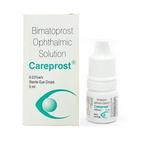
These drops gained immense popularity, demonstrating an incredibly fast and always noticeable result since its application. This innovative means will allow you to give your eyelashes an ideal look, strength and health, in whatever serious condition they are before the moment of its application. It is safe and effective providing amazing results.
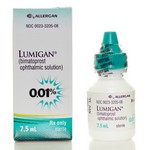
This means is prescribed to reduce eye pressure. Its active ingredient is synthetic prostaglandin bimatoprost – an unsaturated fatty acid, similar in its properties to hormones. Getting into the eye, drops help maintain the balance of the flow and outflow of eye fluid. It is a violation of this balance that leads to an increase in pressure, due to which the blood supply to the eye is impaired and the load on the optic nerve increases.

Bimatoprost reduces IOP in humans by increasing the outflow of aqueous humor through the trabecular meshwork and uveoscleral outflow. IOP reduction begins about 4 hours after the first use. The maximum effect is achieved after about 8–12 hours. The effect lasts for at least 24 hours.
Red Eye Prescription Drops
Red eye prescription drops are commonly used to relieve redness and irritation in the eyes. These drops are typically prescribed by healthcare professionals and should only be used as directed.
The main purpose of red eye prescription drops is to reduce the appearance of redness in the eyes, which can be caused by a variety of factors such as allergies, dryness, or irritation. These drops work by constricting the blood vessels in the eyes, thereby reducing the redness.
It is important for patients to follow the instructions provided by their healthcare professional when using red eye prescription drops. The dosage and frequency of use may vary depending on the severity of the redness and the individual patient’s needs.
It is also crucial for patients to avoid sharing their prescription drops with others. Sharing eye drops can increase the risk of spreading infections, as the drops may come into contact with the surface of the eye or the applicator tip may become contaminated.
When using red eye prescription drops, it is important to remember the following:
- Wash your hands thoroughly before and after administering the drops to maintain cleanliness and prevent contamination.
- Tilt your head back and look up towards the ceiling.
- Using your finger, gently pull down the lower eyelid to create a small pocket.
- Hold the dropper tip close to the eye, but make sure it does not touch the eye’s surface.
- Squeeze the prescribed number of drops into the pocket created by the lower eyelid.
- Close your eyes gently and press your finger against the inner corner of the eye for about one minute. This helps prevent the drops from draining into the tear duct and being absorbed systemically.
- If multiple medications are being used, wait at least five minutes before administering the next set of drops.
It is essential to use red eye prescription drops only as directed by a healthcare professional. If you experience any side effects or have concerns about the drops, it is important to consult with your healthcare provider.
According to a survey conducted by the American Academy of Ophthalmology, misuse or overuse of eye drops is a common problem among patients. It is crucial to educate patients on the proper use of red eye prescription drops to ensure their effectiveness and prevent any potential complications.
For more information on the proper use of red eye prescription drops, you can visit the American Academy of Ophthalmology website.
Ivermectin Eye Drops for Humans
Ivermectin eye drops are a medication that is used in certain cases to treat parasitic infections of the eye. They contain the active ingredient ivermectin, which is an antiparasitic medication commonly used in oral or topical formulations. Ivermectin eye drops are typically prescribed by a healthcare professional and should be used under their guidance.
Usage and Application
When prescribed, ivermectin eye drops are typically used to treat specific types of parasitic infections that affect the eye. These infections can cause symptoms such as itching, redness, irritation, and vision problems. The eye drops work by killing the parasites or inhibiting their growth, thereby relieving the associated symptoms.
It is important to note that ivermectin eye drops should only be used as directed by a healthcare professional.
If you have been prescribed ivermectin eye drops, it is essential to follow the instructions provided by your healthcare professional. The dosage and frequency of application will depend on your specific condition and the severity of the infection. It is crucial to use the drops exactly as prescribed and complete the full course of treatment, even if your symptoms improve before the treatment is finished.
Possible Precautions and Side Effects
It is important to be aware of any potential precautions or side effects associated with ivermectin eye drops. Some people may be more sensitive to the medication and may experience adverse reactions. Common side effects may include redness, irritation, itching, stinging, or blurred vision.
If you experience any severe side effects or a worsening of symptoms, it is important to consult your healthcare professional immediately. They will be able to assess your condition and provide appropriate guidance.
Safe Use of Ivermectin Eye Drops
When using ivermectin eye drops, it is crucial to follow proper hygiene practices to prevent contamination and infection. Wash your hands thoroughly before and after applying the eye drops, and ensure that the dropper tip does not come into contact with any surfaces or your eye to prevent contamination.
Always consult with a healthcare professional before using any medication, including ivermectin eye drops. They will be able to provide you with the appropriate guidance and ensure that the use of this medication is safe and effective for your specific condition.
Alcon Systane Hydration Preservative-Free Lubricant Eye Drops
Alcon Systane Hydration Preservative-Free Lubricant Eye Drops are a popular option for individuals suffering from dry eyes. These eye drops are specifically designed to provide relief and lubrication to the eyes, helping to alleviate symptoms such as itching, burning, and discomfort.
One of the key benefits of Alcon Systane Hydration eye drops is that they are preservative-free. This is particularly important for individuals with sensitive eyes or those who wear contact lenses. Preservatives, commonly found in many eye drops, can cause irritation and discomfort for some users. By opting for preservative-free eye drops, individuals can minimize the risk of adverse reactions and ensure maximum comfort.
These eye drops work by providing a hydrating and soothing effect on the eyes. The unique formulation of Alcon Systane Hydration eye drops helps to restore the natural moisture balance of the eyes, providing long-lasting relief from dryness. This can be especially beneficial for individuals who spend long hours in front of a screen or in dry environments.
It’s essential to follow the instructions provided by the manufacturer when using Alcon Systane Hydration eye drops. The recommended dosage is usually one or two drops per eye, depending on the severity of dryness. It’s important not to exceed the recommended dosage or frequency of use as this can lead to potential side effects or reduced efficacy.
Before using the eye drops, it’s crucial to wash hands thoroughly to prevent contamination. The bottle should be shaken well, and the cap twisted off. To administer the drops, tilt the head back slightly and pull down the lower eyelid to create a small pocket. Gently squeeze the bottle to release the drops into the pocket and blink a few times to ensure even distribution of the drops across the eye surface.
It’s worth noting that while Alcon Systane Hydration eye drops are generally safe for most individuals, some people may experience mild side effects such as temporary blurred vision or a slight stinging or burning sensation upon application. These side effects usually subside quickly, but if they persist or worsen, it is important to consult a healthcare professional.
When choosing eye drops for dry eyes, it’s always a good idea to consult with an eye care specialist or pharmacist. They can provide personalized recommendations based on your specific needs and help you select the most suitable product.
In conclusion, Alcon Systane Hydration Preservative-Free Lubricant Eye Drops are a trusted option for individuals seeking relief from dry eyes. With their preservative-free formulation and hydrating properties, these eye drops can provide long-lasting comfort and relief from dryness. Remember to follow the instructions carefully and consult a healthcare professional if you experience any persistent or concerning side effects.
Contaminated Eye Drops: The Potential Risks and Dangers
In recent years, there have been several cases of contaminated eye drops, highlighting the potential risks and dangers associated with their use. Contamination can occur through various means, including improper manufacturing processes, unsterile packaging, or tampering with the product. These incidents have raised concerns among healthcare professionals and consumers alike, underscoring the need for caution and vigilance when using any eye drop product.
Potential Risks of Contaminated Eye Drops
The use of contaminated eye drops can lead to a range of adverse effects and complications, including:
- Infections: Contamination can introduce harmful bacteria, fungi, or viruses into the eye, leading to infections such as conjunctivitis or keratitis. These infections can cause redness, swelling, pain, and in severe cases, can even lead to vision loss.
- Allergic Reactions: Contaminants in eye drops can trigger allergic reactions in some individuals. These reactions may manifest as redness, itching, burning, or swelling of the eyes or surrounding areas.
- Chemical Irritation: Contaminants in eye drops may contain harsh chemicals that can cause irritation, discomfort, or damage to the delicate tissues of the eyes.
- Delayed or Inadequate Treatment: If contaminated eye drops are used for the treatment of an underlying condition, the contamination can hinder the effectiveness of the medication, leading to delayed or inadequate treatment.
Preventing Contaminated Eye Drops
To minimize the risk of using contaminated eye drops, it is essential to take the following precautions:
- Purchase from Reputable Sources: Only purchase eye drops from trusted and reputable sources, such as pharmacies or medical supply stores. Avoid purchasing from unauthorized sellers or online marketplaces where the authenticity and quality of the product may be questionable.
- Inspect the Packaging: Before using any eye drop product, carefully inspect the packaging for any signs of tampering, damage, or expiration. Do not use if the packaging appears compromised in any way.
- Check for Contamination: Before administering eye drops, examine the solution for any changes in color, consistency, or the presence of particles. If you notice any abnormalities, do not use the product and consult with a healthcare professional.
Report Suspected Contamination
If you suspect that you have encountered contaminated eye drops or have experienced any adverse effects after using an eye drop product, it is crucial to report your concerns. Contact your healthcare provider, local regulatory authority, or the manufacturer of the product to ensure that appropriate investigations can be conducted to safeguard public health.
Contaminated eye drops pose significant risks to eye health and can result in serious complications. By staying informed, vigilant, and taking steps to prevent contamination, you can help protect yourself and others from these potential dangers.