Is it safe to use contact solution as eye drops?
Many people may wonder if it is safe to use contact solution as eye drops. While contact solution and eye drops both serve the purpose of providing moisture to the eyes, they are formulated differently and have different purposes.
Contact solution is specifically designed to clean and disinfect contact lenses. It contains ingredients that help remove debris, protein deposits, and other substances that can build up on contact lenses. Contact solution also contains a preservative to prevent bacterial growth.
On the other hand, eye drops are formulated to provide relief for dry eyes, redness, itching, and other eye irritations. They are often used to lubricate the eyes and provide temporary relief from discomfort. Eye drops come in different formulations, such as lubricating drops, allergy drops, and medicated drops for specific conditions.
While contact solution may seem similar to eye drops, it is not recommended to use contact solution as eye drops. Contact solution is not formulated to be used directly in the eyes and may cause irritation, stinging, or burning sensations. The preservatives in contact solution may also be harsh and irritating to the eyes when used as eye drops.
Using contact solution as eye drops can also pose certain risks and complications. The solution may not provide the necessary relief for eye irritations or dryness and may worsen the symptoms. The preservatives in contact solution may also cause an allergic reaction or sensitivity in some individuals.
If you are experiencing eye discomfort or have a specific eye condition, it is best to consult with an eye care professional and use the appropriate eye drops recommended for your particular situation. They can provide guidance on the best eye drops to use and ensure your eyes remain safe and healthy.
Can you use eye drops while wearing contacts?
Using certain types of eye drops while wearing contact lenses is generally safe and can provide relief for various eye conditions. However, it is important to choose the right type of eye drops that are specifically designed for use with contact lenses and to follow proper hygiene and care instructions.
Here are some important points to consider when using eye drops with contact lenses:
1. Lubricating Eye Drops
Lubricating eye drops, also known as artificial tears, are a common type of eye drops that can be used while wearing contacts. These eye drops help to moisturize and lubricate the eyes, providing relief from dryness, itching, and discomfort.
When using lubricating eye drops with contacts, it is important to choose preservative-free formulas. This helps to minimize the risk of irritation and allergic reactions. Look for products that are specifically labeled as safe for use with contact lenses.
2. Rewetting Drops
Rewetting drops are another type of eye drops that can be used while wearing contact lenses. These drops are specially formulated to rehydrate and refresh contact lenses, reducing dryness and discomfort. Rewetting drops can also help to improve lens comfort and clarity.
Just like lubricating eye drops, it is important to choose rewetting drops that are designed for use with contact lenses. Follow the instructions provided by the manufacturer and avoid using any eye drops that are not specifically recommended for use with contacts.
3. Avoid Eye Drops with Medications
Avoid using eye drops that contain medications while wearing contact lenses unless explicitly instructed by your optometrist or ophthalmologist. Eye drops with medications, such as those used for treating allergies or eye infections, may contain ingredients that can interact with contact lenses or reduce their effectiveness.
If you need to use medicated eye drops, it is best to remove your contact lenses before applying the drops. Wait for at least 15 to 20 minutes after applying the drops before reinserting your lenses. This allows the medication to be fully absorbed and reduces the risk of any potential interactions.
4. Hygiene and Care
Proper hygiene and care are essential when using eye drops with contact lenses. Before applying any eye drops, make sure to wash your hands thoroughly with soap and water. Avoid touching the tip of the eye drop bottle to prevent contamination.
When using eye drops, tilt your head back, pull down your lower eyelid, and place one or two drops into the eye. Blink a few times to ensure even distribution of the drops. Avoid squeezing the bottle too hard or using excessive force.
After applying the drops, wait for a few minutes to allow them to fully absorb before putting in or removing your contact lenses. This helps to ensure that the drops are properly absorbed and do not get trapped between the lens and your eye.
Regularly clean and disinfect your contact lenses according to the recommended schedule. Avoid using eye drops that are expired or past their recommended use-by date. Expired eye drops may lose their effectiveness and can potentially cause irritation or infections.
In summary, it is generally safe to use certain types of eye drops while wearing contact lenses. However, it is important to choose eye drops that are specifically designed for use with contacts, follow proper hygiene and care instructions, and avoid using eye drops with medications unless instructed by your eye care professional.
What happens when using expired eye drops?
Using expired eye drops can potentially have negative effects on the eyes. It is important to understand that medications, including eye drops, have a limited shelf life and should be used before their expiration date.
When eye drops expire, the chemical composition of the medication can change. This can cause the eye drops to become less effective in treating the intended condition. The active ingredients in the eye drops may degrade over time, reducing their potency and effectiveness.
In addition to their reduced effectiveness, expired eye drops may also become contaminated. As eye drops are used, the tip of the dropper can come into contact with the eye, the surrounding environment, or even bacteria from the eyelids. Over time, bacteria can grow in the bottle, especially if it is not stored properly. Using expired eye drops can introduce these bacteria into the eye, leading to potential eye infections or other complications.
It is important to always check the expiration date on eye drop bottles before using them. Expired eye drops should be properly disposed of and not used for any reason. To maintain the efficacy and safety of your eye drops, it is recommended to store them in a cool, dry place and to avoid touching the dropper tip to any surface, including the eye or fingers, to minimize the risk of contamination.
According to a study conducted by the American Society of Health-System Pharmacists, over 40% of medications, including eye drops, are thrown away unused every year due to expiration. This highlights the importance of proper medication management and being aware of expiration dates to ensure the best possible outcome for your eye health.

Bimat eye drops are used to treat hypotrichosis, short, weak eyelashes. Bimat increases the length, thickness and enhances the color of eyelashes. These substances are also used to lower intraocular pressure in patients with a diagnosis of glaucoma. By reducing the pressure, the risk of blindness is significantly decreased.
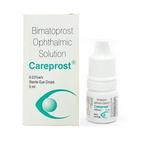
These drops gained immense popularity, demonstrating an incredibly fast and always noticeable result since its application. This innovative means will allow you to give your eyelashes an ideal look, strength and health, in whatever serious condition they are before the moment of its application. It is safe and effective providing amazing results.
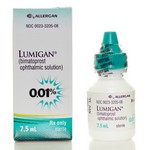
This means is prescribed to reduce eye pressure. Its active ingredient is synthetic prostaglandin bimatoprost – an unsaturated fatty acid, similar in its properties to hormones. Getting into the eye, drops help maintain the balance of the flow and outflow of eye fluid. It is a violation of this balance that leads to an increase in pressure, due to which the blood supply to the eye is impaired and the load on the optic nerve increases.

Bimatoprost reduces IOP in humans by increasing the outflow of aqueous humor through the trabecular meshwork and uveoscleral outflow. IOP reduction begins about 4 hours after the first use. The maximum effect is achieved after about 8–12 hours. The effect lasts for at least 24 hours.
What are Brinzolamide eye drops?
Brinzolamide eye drops are a specific type of medication used for treating glaucoma, a condition characterized by increased intraocular pressure in the eyes. These eye drops belong to a class of drugs called carbonic anhydrase inhibitors, which work by reducing the production of fluid in the eyes, thus lowering the pressure within the eye.
When it comes to glaucoma treatment, Brinzolamide eye drops are considered an effective option. They are typically prescribed by ophthalmologists and are available under brand names like Azopt and Alcon Brinzolamide.
How do Brinzolamide eye drops work?
Brinzolamide eye drops work by inhibiting the action of an enzyme called carbonic anhydrase, which is responsible for the production of fluid in the eye. By reducing the activity of this enzyme, Brinzolamide eye drops help to lower the pressure inside the eye, relieving symptoms and preventing further damage to the optic nerve.
Potential side effects and precautions
As with any medication, Brinzolamide eye drops may cause certain side effects. Some common side effects of Brinzolamide eye drops include:
- Bitter taste in the mouth
- Blurred vision
- Burning or stinging sensation in the eyes
- Eye redness or discomfort
- Headache
- Increased sensitivity to light
- Temporary blurred vision after applying the drops
It is important to consult with a healthcare professional or ophthalmologist if any of these side effects persist or worsen over time.
In rare cases, Brinzolamide eye drops can cause more serious side effects, such as:
- Allergic reactions, including rash, itching, or swelling
- Eye pain or worsening of symptoms
- Severe eye redness or irritation
- Sudden vision changes
- Signs of infection, such as discharge or increased redness
- Severe eye discomfort or damage
If any of these serious side effects occur, it is important to seek immediate medical attention.
Before using Brinzolamide eye drops, it is essential to inform the healthcare professional about any pre-existing medical conditions, allergies, or medications being taken. Additionally, individuals who wear contact lenses should remove them before applying Brinzolamide eye drops and wait at least 15 minutes before reinserting the lenses to avoid any potential interactions.
Conclusion
Brinzolamide eye drops are a valuable medication used for treating glaucoma by reducing intraocular pressure. While they are generally safe and effective, it is important to use them under the guidance of a healthcare professional and follow the prescribed dosage instructions. Any concerns or side effects should be promptly discussed with a healthcare provider to ensure proper management of glaucoma and overall eye health.
Can you wear contacts with pink eye (conjunctivitis)?
Pink eye, also known as conjunctivitis, is a common eye infection that is characterized by redness, itchiness, and a discharge from the eyes. It can be caused by bacteria, viruses, allergies, or irritants. If you wear contacts and develop pink eye, it is important to take certain precautions to prevent further irritation and potential complications.
1. Evaluate the severity of your pink eye:
Before deciding whether or not to continue wearing your contacts, it is crucial to assess the severity of your pink eye. If you have mild symptoms, such as slight redness and minimal discharge, you may be able to continue wearing your contacts after consulting with your eye doctor. However, if your symptoms are more severe, it is best to avoid wearing contacts until the infection clears up.
2. Follow proper hygiene practices:
If you choose to wear contacts while experiencing pink eye, it is essential to practice good hygiene to minimize the risk of spreading the infection or causing further irritation. Wash your hands thoroughly with soap and water before handling your contacts. Clean and disinfect your contacts according to the instructions provided by your eye care professional.
3. Use preservative-free lubricating eye drops:
Using lubricating eye drops can help soothe the discomfort associated with pink eye and may provide temporary relief. It is important to choose preservative-free eye drops specifically formulated for use with contact lenses. These drops can help moisturize the eyes and reduce dryness without causing any damage to your contacts.
4. Replace your contacts and contact lens care products:
Once your pink eye clears up, it is essential to replace your contacts and any contact lens care products to prevent reinfection. Dispose of any disposable contacts or clean and disinfect any reusable contacts before using them again. Replace your lens case and any solution used during the infection to reduce the risk of contamination.
5. Consult with your eye doctor:
If you develop pink eye while wearing contacts, it is important to consult with your eye doctor for proper diagnosis and treatment. They can provide guidance on whether you should continue wearing your contacts and recommend appropriate treatment options to help clear up the infection.
Conclusion:
While it may be possible to wear contacts while experiencing pink eye, it is crucial to prioritize eye health and take necessary precautions to prevent further irritation and potential complications. Consult with your eye doctor and follow their recommendations to ensure a safe and effective recovery.
6. What is the cost of prescription eye drops?
Prescription eye drops can vary in cost depending on the specific medication and where it is purchased. Generally, the cost of prescription eye drops can range from $20 to $200 per bottle, with some medications being even more expensive.
The price of prescription eye drops can be influenced by factors such as brand name, dosage strength, and whether the medication is available as a generic. Additionally, insurance coverage or discount programs may be available to help lower the cost of prescription eye drops.
To get an idea of the cost of specific prescription eye drops, it is best to consult with a healthcare provider or pharmacist. They can provide information on the cost of different options and help determine the most affordable and effective medication for individual needs.
It is important to note that while cost is a consideration, it should not be the sole determining factor when it comes to choosing prescription eye drops. The effectiveness and safety of the medication should also be taken into account. Consulting with a healthcare professional can help ensure the appropriate medication is selected.
7. How to choose the right eye drops for dry eyes?
Different types of eye drops for dry eyes
There are several types of eye drops available for treating dry eyes, and it’s important to choose the right one for your specific needs. Here are some common types of eye drops for dry eyes:
| Type of Eye Drops | Main Ingredients | Benefits |
|---|---|---|
| Artificial tears | Hydroxypropyl methylcellulose, polyethylene glycol, sodium carboxymethylcellulose | Provides temporary relief by lubricating the eyes |
| Gels | Carbomer, glycerin | Thicker consistency provides longer-lasting relief |
| Ointments | Mineral oil, white petrolatum | Provides prolonged lubrication, especially for nighttime use |
| Blink Tears | Polyethylene glycol 400, propylene glycol | Offers advanced relief for dry, irritated eyes |
Factors to consider when choosing eye drops for dry eyes
When choosing eye drops for dry eyes, there are a few key factors to consider:
- Symptoms: Evaluate your symptoms and choose eye drops that target your specific issues, such as redness, irritation, or excessive dryness.
- Severity of dryness: Consider the severity of your dry eyes. If your symptoms are mild, artificial tears may be sufficient. However, if you have moderate to severe dryness, a gel or ointment may provide better relief.
- Allergies or sensitivities: If you have allergies or sensitivities, look for preservative-free eye drops that are less likely to cause irritation.
- Contact lens compatibility: If you wear contact lenses, make sure to choose eye drops that are specifically formulated for use with contacts. Look for labels that indicate compatibility.
- Frequency of use: Consider how often you will need to use the eye drops. Some drops may need to be applied more frequently than others. Choose one that fits your lifestyle and needs.
Consult with an eye care professional
It’s always a good idea to consult with an eye care professional, such as an optometrist or ophthalmologist, before choosing eye drops for dry eyes. They can evaluate your specific condition and recommend the most suitable eye drops for your needs. They can also provide guidance on proper usage and frequency of application.
Remember to follow the instructions on the packaging and avoid using eye drops that have expired. If your symptoms persist or worsen despite using eye drops, seek medical attention for further evaluation and treatment.