Use Cases for Lumify Eye Drops
Lumify eye drops are a popular over-the-counter (OTC) medication used for relieving eye redness. They are commonly used in various scenarios, including:
- Dry eyes: Lumify eye drops can provide temporary relief from redness caused by dry eyes. Dry eye syndrome is a common condition that occurs when your tear glands don’t produce enough tears or produce poor-quality tears. This can result in discomfort, itching, and redness.
- Allergies: Lumify eye drops can help alleviate redness due to eye allergies. Allergies, such as hay fever or pet allergies, can cause your eyes to become red, itchy, and watery. Lumify eye drops work by constricting the blood vessels in the eyes, reducing redness and providing relief.
- Eye strain from reading glasses: Lumify eye drops can be beneficial for individuals who experience eye strain or redness after prolonged use of reading glasses. When you use reading glasses for an extended period, your eyes may become fatigued and red. Lumify eye drops can help soothe the redness and provide relief.
It is important to note that while Lumify eye drops can provide temporary relief from redness, they do not treat the underlying causes of the redness. If you have persistent redness or other eye concerns, it is recommended to consult with your eye care professional for proper diagnosis and treatment.
For more information on Lumify eye drops, you can visit the official website of the manufacturer.
The Recommended Frequency of Use for Lumify Eye Drops
When using Lumify eye drops, it is important to follow the recommended dosing instructions provided by your eye care professional or the product label. Typically, the recommended frequency of use for Lumify eye drops is up to four times a day, with one drop in each eye.
By using Lumify eye drops as directed, you can experience relief from redness caused by various factors, such as dry eyes, allergies, or eye strain from reading glasses. These eye drops work by selectively constricting the blood vessels in the eyes, reducing redness and making your eyes look whiter and brighter.
Here are a few key points to keep in mind regarding the frequency of use for Lumify eye drops:
- Follow the instructions: It is crucial to adhere to the instructions provided by your eye care professional or the product label. They will specify the recommended number of drops to use per eye and the frequency of use.
- Use up to four times a day: The typical recommendation is to use Lumify eye drops up to four times a day. However, if you experience any discomfort or have concerns, consult with your eye care professional.
- Don’t exceed the recommended dosage: Using more drops than recommended will not provide additional benefits and may increase the risk of side effects.
To incorporate Lumify eye drops into your daily routine, it can be helpful to establish a consistent schedule. For example, you could consider using one drop in each eye in the morning, before bedtime, and during a convenient time in the middle of the day.
By following the recommended frequency of use for Lumify eye drops, you can effectively manage redness in your eyes caused by various factors and enjoy clear, white, and vibrant-looking eyes.
Suggested Schedule for Using Eye Drops Three Times a Day
When using eye drops three times a day, it can be helpful to establish a consistent schedule to ensure you don’t forget or miss any doses. Here is a suggested schedule to follow:
| Time | Action |
|---|---|
| Morning |
|
| Middle of the Day |
|
| Before Bedtime |
|
Remember to follow the instructions provided by your eye care professional or the product label for specific guidance on the frequency and duration of use. If you have any questions or concerns about using Lumify eye drops or developing a schedule that works best for you, consider consulting with your eye doctor for personalized advice.

Bimat eye drops are used to treat hypotrichosis, short, weak eyelashes. Bimat increases the length, thickness and enhances the color of eyelashes. These substances are also used to lower intraocular pressure in patients with a diagnosis of glaucoma. By reducing the pressure, the risk of blindness is significantly decreased.
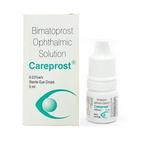
These drops gained immense popularity, demonstrating an incredibly fast and always noticeable result since its application. This innovative means will allow you to give your eyelashes an ideal look, strength and health, in whatever serious condition they are before the moment of its application. It is safe and effective providing amazing results.
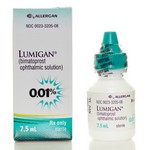
This means is prescribed to reduce eye pressure. Its active ingredient is synthetic prostaglandin bimatoprost – an unsaturated fatty acid, similar in its properties to hormones. Getting into the eye, drops help maintain the balance of the flow and outflow of eye fluid. It is a violation of this balance that leads to an increase in pressure, due to which the blood supply to the eye is impaired and the load on the optic nerve increases.

Bimatoprost reduces IOP in humans by increasing the outflow of aqueous humor through the trabecular meshwork and uveoscleral outflow. IOP reduction begins about 4 hours after the first use. The maximum effect is achieved after about 8–12 hours. The effect lasts for at least 24 hours.
The Importance of Using Eye Drops within the Expiration Date
One crucial aspect of using eye drops, such as Lumify, is to ensure that they are used within their expiration date. The expiration date is a key indicator of the product’s stability and effectiveness.
Manufacturers typically include an expiration date on the packaging of eye drops. It is essential to check this date before using the eye drops to ensure that they are still within their recommended period of use. Using eye drops beyond their expiration date may result in decreased effectiveness in relieving symptoms or potential harm to the eyes.
Expired eye drops may not provide the intended benefits, as the active ingredients in the drops can break down over time. This breakdown can affect the product’s ability to effectively relieve redness, dryness, or other eye-related issues.
Furthermore, using expired eye drops can pose certain risks. For example, expired drops may be prone to contamination, which can lead to the introduction of bacteria or other harmful agents into the eyes. This contamination can potentially result in eye infections or other adverse reactions. Using eye drops that are past their expiration date increases the likelihood of encountering such issues.
It is essential to dispose of expired eye drops properly. This can typically be done by following the instructions provided by the manufacturer or consulting local guidelines for proper medication disposal in your area. If you have any concerns about using expired eye drops or their potential risks, it is always best to consult with your eye care professional. They can provide guidance and recommend suitable alternatives if necessary.
Keeping track of the expiration dates of your eye drops and ensuring that you use them before they expire is an essential practice for maintaining eye health. By doing so, you can maximize the effectiveness of the eye drops and minimize the potential risks associated with using expired products.
The Potential Risks of Using Expired Eye Drops
Using expired eye drops can pose various risks and may not provide the intended relief for your symptoms. Here are some potential consequences of using expired eye drops:
1. **Decreased Effectiveness**: Over time, the active ingredients in eye drops can degrade, reducing their effectiveness in relieving redness, dryness, and other eye-related symptoms. Expired eye drops may not provide the desired relief or may take longer to work.
2. **Possible Contamination**: Expired eye drops can become contaminated with bacteria or other microbes. This can occur when the preservatives in the drops lose their effectiveness beyond the expiration date, allowing pathogens to grow in the bottle. Using contaminated eye drops can lead to eye infections or other complications.
3. **Irritation and Adverse Reactions**: Expired eye drops may cause irritation or adverse reactions when applied to the eyes. This can include symptoms such as stinging, burning, itching, redness, or even an allergic reaction. It is important to note that these side effects can be more severe if the eye drops are significantly past their expiration date.
To ensure your safety and the effectiveness of the eye drops, it is essential to dispose of expired eye drops properly and replace them with a fresh supply. If you have any concerns or questions about using expired eye drops, it is best to consult with your eye care professional.
It is worth mentioning that manufacturers typically include an expiration date on the product packaging of eye drops. This date indicates the period during which the drops are expected to remain stable and effective. By using eye drops within their expiration date, you can minimize the potential risks associated with expired products.
References:
- American Academy of Ophthalmology – Ophthalmic Medications: Eye Drops for Soothing Relief
- National Center for Biotechnology Information – Factors Affecting Ophthalmic Drug Bioavailability: Implications for Ocular Drug Delivery
Using Pet Antibiotic Eye Drops in Humans: Risks and Limitations
When it comes to treating eye infections, it’s important to use the appropriate medications designed for human use. While it may be tempting to try pet antibiotic eye drops in humans, there are several risks and limitations associated with this practice that individuals should be aware of.
The Risks of Using Pet Antibiotic Eye Drops
1. Inadequate Formulation: Pet antibiotic eye drops are formulated specifically for animals and may contain ingredients and concentrations that are not safe or effective for use in humans.
2. Incomplete Safety Testing: Pet medications, including eye drops, undergo safety testing for animal use, but they are not evaluated or approved for use in humans. This means that their safety and effectiveness in humans have not been studied and established.
3. Allergic Reactions: Humans may have different sensitivities and allergies compared to animals. Using pet antibiotic eye drops could potentially trigger allergic reactions, leading to discomfort, itching, redness, or swelling of the eyes.
4. Inadequate Treatment: Eye infections in humans are often caused by different types of bacteria compared to those in animals. This means that pet antibiotic eye drops may not effectively target the specific bacteria responsible for the infection in humans, leading to inadequate treatment and potential complications.
The Importance of Consulting a Healthcare Professional
Consulting with a healthcare professional such as an ophthalmologist or optometrist is crucial when it comes to eye health and treating eye infections. They have the knowledge and expertise to evaluate your condition and provide the appropriate treatment.
If you suspect you have an eye infection or require antibiotic eye drops, it’s vital to seek medical advice. Your healthcare professional can prescribe the right medication that is safe, effective, and suitable for human use.
Protecting Your Eye Health
When it comes to your eye health, it’s essential to prioritize safety and to follow the guidance of healthcare professionals. Avoid the temptation to use pet antibiotic eye drops and instead seek appropriate treatment from a qualified healthcare professional to ensure the best outcome for your eye health.
Disclaimer: The information provided in this article is for informational purposes only and should not be considered as medical advice. Always consult with a qualified healthcare professional before using any medications or treatments, including eye drops.
Tips for Using Lumify Eye Drops Effectively and Safely
When using Lumify eye drops, it is important to follow proper administration techniques to ensure their effectiveness and safety. Here are some tips to keep in mind:
1. Wash your hands
Before administering the eye drops, make sure to thoroughly wash your hands with soap and water. This helps prevent any potential contamination from your hands, which could lead to eye infections.
2. Avoid touching the dropper tip
When handling the Lumify eye drop bottle, it is crucial to avoid touching the dropper tip with your fingers or any other surfaces. This helps maintain the sterility of the eye drops and prevents any possible contamination.
3. Store the eye drops properly
Proper storage of Lumify eye drops is essential for maintaining their effectiveness. Make sure to store the bottle in a cool, dry place, away from direct sunlight and heat sources. Ensure the cap is tightly closed after each use to prevent evaporation or contamination.
4. Use only as directed
It is important to follow the instructions provided by your eye care professional or the product label when using Lumify eye drops. Only use the recommended dosage, which is typically one drop in each eye up to four times a day. Using more than the recommended amount can increase the risk of side effects.
5. Consult your eye care professional
If you have any concerns or questions about using Lumify eye drops, it is always best to consult with your eye care professional. They can provide personalized advice based on your specific eye health needs.
6. Dispose of expired eye drops
Do not use Lumify eye drops beyond their expiration date. Expired eye drops may not be as effective and could potentially cause harm. Manufacturers usually indicate the expiration date on the product packaging. If you have expired eye drops, dispose of them properly and consult with your eye care professional for a replacement.
7. Be mindful of potential side effects
While Lumify eye drops are generally well-tolerated, some individuals may experience side effects such as temporary stinging, redness, or eye irritation. If these side effects persist or worsen, it is recommended to discontinue use and consult with your eye care professional.
Using Lumify eye drops can provide relief from redness and help improve your eye comfort. By following these tips, you can ensure safe and effective use of Lumify eye drops. Remember, if you have any concerns or questions, it is always best to consult with your eye care professional for guidance.