Proper Administration of Zaditor Eye Drops
Step-by-step directions for the proper use of Zaditor eye drops
Using Zaditor eye drops correctly is essential to experience the full benefits of the medication. Follow these step-by-step directions:
- Wash your hands: Before using Zaditor eye drops, it is crucial to wash your hands thoroughly with soap and water. This will help prevent any potential contamination and reduce the risk of infection.
- Tilt your head back: Gently tilt your head back and look up towards the ceiling.
- Pull down your lower eyelid: Using your finger, gently pull down your lower eyelid to create a small pocket.
- Squeeze the bottle: Hold the Zaditor eye drop bottle upside down with the nozzle pointed towards your eye. Using a firm, steady pressure, squeeze the bottle to release one drop into the pocket formed by your lower eyelid. Be careful not to touch your eye or any other surfaces with the tip of the bottle to avoid contamination.
- Close your eye: Slowly close your eye after instilling the eye drop. You can gently blink a few times to help spread the medication across the surface of the eye.
- Wipe away excess fluid: If there is any excess fluid around your eye, gently wipe it away using a clean tissue or cotton pad. Avoid rubbing your eye, as this may cause irritation.
- Repeat if necessary: If your healthcare provider has instructed you to use more than one drop per eye, wait at least 5 minutes before instilling the next drop. This allows sufficient time for the first drop to be absorbed.
Recommended Dosage and Frequency of Use
The recommended dosage of Zaditor eye drops is one drop in each affected eye twice daily, approximately 8-12 hours apart. It is important to follow the instructions provided by your healthcare provider or the product label to ensure proper usage.
Do not exceed the recommended dosage unless advised by your healthcare provider. Using more than the recommended amount may increase the risk of side effects without providing additional benefits.
It is important to use Zaditor eye drops consistently as prescribed, even if you start to feel better. Skipping doses or discontinuing the medication prematurely may result in ineffective treatment and a recurrence of symptoms.
Note that Zaditor eye drops are for ophthalmic use only, and should not be ingested or used in any other way.
Understanding Zaditor Eye Drops
Zaditor eye drops are a popular over-the-counter medication used to alleviate symptoms of eye allergies, such as itching, redness, and watery eyes. They contain a unique combination of active ingredients that work together to provide quick and long-lasting relief.
Active Ingredients in Zaditor Eye Drops
Zaditor eye drops contain two active ingredients: ketotifen fumarate and benzalkonium chloride.
Ketotifen fumarate: This is the main ingredient in Zaditor eye drops and it belongs to a class of drugs called antihistamines. Antihistamines work by blocking the effects of histamines, which are produced by the body in response to allergens. By blocking histamines, ketotifen fumarate helps to reduce the allergic response in the eyes, relieving symptoms such as itching and redness.
Benzalkonium chloride: This is a preservative that is added to the eye drops to help prevent contamination and ensure the safety of the product. It also has some antimicrobial properties that help to keep the eye drops free from bacteria.
How Zaditor Eye Drops Work
When Zaditor eye drops are instilled into the eye, the active ingredients are absorbed into the tissues of the eye. Ketotifen fumarate works by binding to histamine receptors on the surface of cells in the eyes, preventing histamine from exerting its effects. This helps to reduce the symptoms of eye allergies and provide relief.
Recommended Dosage and Frequency
The recommended dosage for Zaditor eye drops is one drop in each affected eye, twice a day. It is important to follow the instructions on the packaging or as directed by your healthcare provider. Using more than the recommended dosage may not provide additional benefits and could increase the risk of side effects.
Effectiveness of Zaditor Eye Drops
Zaditor eye drops have been widely studied and proven to be effective in relieving symptoms of eye allergies. Clinical trials have shown that they provide rapid relief from itching, redness, and watery eyes, with effects lasting up to 12 hours.
“In a randomized, double-blind, placebo-controlled study involving 200 patients with allergic conjunctivitis, Zaditor eye drops were found to significantly reduce itching and redness compared to placebo.” – Source: PubMed
Conclusion
Zaditor eye drops are a trusted and effective option for managing symptoms of eye allergies. With their unique combination of active ingredients, they provide quick relief from itching, redness, and watery eyes. By understanding how Zaditor eye drops work and following the recommended dosage, you can safely and effectively alleviate the discomfort caused by eye allergies.
Zaditor Eye Drops: Side Effects and Safety Precautions
Using Zaditor eye drops can provide relief from itchy eyes caused by allergies. However, it is important to be aware of the potential side effects and safety precautions associated with this medication. By understanding the potential risks and taking proper precautions, you can use Zaditor eye drops safely and effectively.
Side Effects of Zaditor Eye Drops
While Zaditor eye drops are generally considered safe and effective, there are some potential side effects that you should be aware of. These side effects are generally mild and temporary, but it is still important to monitor your symptoms and seek medical attention if necessary. Common side effects of Zaditor eye drops may include:
- Eye redness or irritation
- Burning or stinging sensation in the eye
- Watery eyes
- Blurred vision
If any of these side effects persist or worsen, it is recommended to consult your healthcare provider. In rare cases, some individuals may experience more serious side effects such as eye pain, changes in vision, or eye discharge. If you experience any of these serious side effects, seek immediate medical attention.
Safety Precautions When Using Zaditor Eye Drops
To ensure the safe and effective use of Zaditor eye drops, it is important to follow these safety precautions:
- Wash your hands thoroughly before and after using Zaditor eye drops to prevent the spread of infection.
- Remove contact lenses before using Zaditor eye drops as they may absorb the medication and reduce its effectiveness. Wait at least 10-15 minutes after using the eye drops before reinserting your lenses. If you experience any discomfort or irritation while using Zaditor with contact lenses, consult your eye care professional.
- Do not use Zaditor eye drops if you are allergic to any of its ingredients. If you have a known allergy to antihistamines or other eye drops, it is recommended to consult your healthcare provider before using Zaditor.
- Follow the recommended dosage and frequency of use for Zaditor eye drops. Typically, it is recommended to use one or two drops in each affected eye twice daily. However, your healthcare provider may adjust the dosage based on your specific needs.
- Avoid touching the tip of the Zaditor eye drop bottle to any surfaces, including the eye, to prevent contamination. Ensure the bottle is tightly closed when not in use to maintain the potency of the medication.
- If your symptoms do not improve with the use of Zaditor eye drops or worsen over time, it is important to consult your healthcare provider for further evaluation and treatment options.
Conclusion
Zaditor eye drops can be an effective solution for relieving itchy eyes caused by allergies. By understanding the potential side effects and taking proper safety precautions, you can use Zaditor eye drops safely and effectively. If you experience any severe or persistent side effects, it is important to seek medical attention. Always follow the instructions provided by your healthcare provider and consult them if you have any questions or concerns.

Bimat eye drops are used to treat hypotrichosis, short, weak eyelashes. Bimat increases the length, thickness and enhances the color of eyelashes. These substances are also used to lower intraocular pressure in patients with a diagnosis of glaucoma. By reducing the pressure, the risk of blindness is significantly decreased.
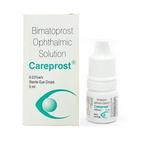
These drops gained immense popularity, demonstrating an incredibly fast and always noticeable result since its application. This innovative means will allow you to give your eyelashes an ideal look, strength and health, in whatever serious condition they are before the moment of its application. It is safe and effective providing amazing results.
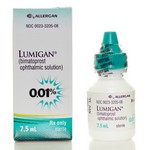
This means is prescribed to reduce eye pressure. Its active ingredient is synthetic prostaglandin bimatoprost – an unsaturated fatty acid, similar in its properties to hormones. Getting into the eye, drops help maintain the balance of the flow and outflow of eye fluid. It is a violation of this balance that leads to an increase in pressure, due to which the blood supply to the eye is impaired and the load on the optic nerve increases.

Bimatoprost reduces IOP in humans by increasing the outflow of aqueous humor through the trabecular meshwork and uveoscleral outflow. IOP reduction begins about 4 hours after the first use. The maximum effect is achieved after about 8–12 hours. The effect lasts for at least 24 hours.
4. Recommended dosage and frequency of use for Zaditor eye drops
When using Zaditor eye drops, it is essential to follow the recommended dosage and frequency of use to ensure effective and safe treatment. The exact instructions may vary depending on the severity of your symptoms and the advice of your healthcare provider, so it is important to consult with them before starting any new medication.
Typically, the recommended dosage for Zaditor eye drops is one drop in each affected eye, twice a day, every 8-12 hours. It is important to note that Zaditor is for use in the eyes only and should not be ingested orally. After instilling the drops into your eyes, gently close your eyes and press your finger against the inner corner of your eye for 1 to 2 minutes to prevent the medication from draining into your tear duct.
Some individuals may require a different dosage or frequency of use based on their condition, age, or other factors. Therefore, it is crucial to follow the specific instructions given by your healthcare provider.
It is important to use Zaditor eye drops regularly and continuously for the duration prescribed by your healthcare provider, even if your symptoms improve. Discontinuing the use of the medication prematurely may result in a return of symptoms or incomplete treatment.
If you accidentally miss a dose, it is generally safe to administer it as soon as you remember. However, if it is close to the time for your next scheduled dose, it is recommended to skip the missed dose and continue with your regular dosing schedule.
It is important to note that the use of Zaditor eye drops may cause temporary blurred vision or other visual disturbances. It is advised to avoid driving, operating machinery, or engaging in activities that require clear vision until your vision has returned to normal.
If your symptoms worsen or persist despite treatment with Zaditor eye drops, it is advisable to consult your healthcare provider for further evaluation and guidance.
Zaditor Eye Drops: Key Benefits and Important Information
Zaditor eye drops are a popular over-the-counter medication used to relieve itchy eyes caused by allergies. They contain powerful ingredients that help reduce the symptoms of allergic conjunctivitis and provide long-lasting relief. Here’s everything you need to know about Zaditor eye drops:
1. Active Ingredient in Zaditor Eye Drops
The active ingredient in Zaditor eye drops is ketotifen fumarate. Ketotifen is an antihistamine and mast cell stabilizer, which means it works by blocking the release of certain substances in the body that cause allergic reactions. This helps to temporarily relieve itchy and red eyes due to allergies.
2. How to Use Zaditor Eye Drops
To use Zaditor eye drops effectively, follow these step-by-step directions:
1. Wash your hands thoroughly with soap and water.
2. Remove the cap from the bottle and hold it tip down.
3. Tilt your head back slightly and pull down your lower eyelid to create a small pocket.
4. Place the tip of the bottle close to your eye without touching it.
5. Gently squeeze the bottle to release one drop into the pocket formed by your lower eyelid.
6. Close your eye for a few seconds to allow the medication to spread.
7. If you need to apply the drops to both eyes, repeat the process.
3. Recommended Dosage and Frequency
For adults and children 3 years of age and older, it is recommended to use one drop in each affected eye twice daily, every 8-12 hours. However, it is essential to follow the instructions provided by your healthcare professional or the product label for the correct dosage and frequency based on your specific situation.
4. When to Consult a Healthcare Professional
While Zaditor eye drops are generally safe for most people, it is always recommended to consult a healthcare professional if:
– The symptoms worsen or persist after several days of use
– You experience eye pain, changes in vision, or signs of infection
– You have a history of eye problems or are currently using other eye medications
5. Possible Side Effects
As with any medication, Zaditor eye drops can cause side effects, although they are rare. Common side effects may include mild eye irritation, stinging, burning sensation, or temporary blurred vision immediately after application. If any of these side effects persist or worsen, it is advisable to seek medical attention promptly.
Summary
Zaditor eye drops contain ketotifen fumarate, which helps alleviate itchy eyes caused by allergies. They are easy to use and provide long-lasting relief. Remember to follow the recommended dosage instructions and consult a healthcare professional for any concerns or persistent symptoms.
Zaditor Eye Drops: Safety and Side Effects
When using Zaditor eye drops, it is important to be aware of the safety precautions and potential side effects. Proper use and understanding of this medication can help ensure its effectiveness and minimize any negative effects.
Safety Precautions
- Consult with a healthcare professional: Before using Zaditor eye drops, it is recommended to consult with a healthcare professional, especially if you have any pre-existing medical conditions or are currently taking other medications.
- Wash hands: Before applying the eye drops, thoroughly wash your hands with soap and water to reduce the risk of introducing any harmful bacteria into the eyes.
- Proper technique: When applying Zaditor eye drops, make sure to follow the proper technique to ensure that the medication reaches the eye. Tilt your head back, pull down the lower eyelid to create a pocket, and instill the drops into the pocket. Avoid touching the eye or eyelid with the dropper tip.
- Recommended dosage: Follow the recommended dosage and frequency of use as prescribed by your healthcare professional or as indicated on the packaging. Using more than the recommended amount may not provide additional benefits and can increase the risk of side effects.
- Avoid contact lenses: If you wear contact lenses, it is recommended to remove them before applying Zaditor eye drops. You can reinsert them after waiting for at least 10 minutes to allow the medication to fully absorb.
- Pregnancy and breastfeeding: If you are pregnant or breastfeeding, it is important to consult with a healthcare professional before using Zaditor eye drops to evaluate the potential risks and benefits associated with this medication.
Potential Side Effects
Zaditor eye drops are generally well-tolerated, but like any medication, they can cause side effects in some individuals. Common side effects may include:
- Eye irritation
- Eye redness
- Eye itching
- Temporary blurred vision
- Watery eyes
If you experience any severe or persistent side effects, it is important to seek medical attention immediately. It is also worth noting that not everyone may experience these side effects, and the benefits of using Zaditor eye drops may outweigh the potential risks for individuals with specific eye conditions or allergies.
Conclusion
Zaditor eye drops can be a helpful medication for managing eye allergies and relieving symptoms such as itching and redness. By following the proper administration techniques and safety precautions, you can use Zaditor eye drops effectively and minimize the risk of side effects. If you have any concerns or questions about using this medication, consult with a healthcare professional for guidance.
HTML Code for Blog Article – Point No. 7:
7. Side Effects of Zaditor Eye Drops
While Zaditor eye drops are generally safe and well-tolerated, there are some possible side effects that you should be aware of. These side effects are relatively rare, but it’s important to know about them before using the product.
Allergic Reactions
In some cases, individuals may experience an allergic reaction to Zaditor eye drops. Symptoms of an allergic reaction can include itching, redness, swelling, or a rash around the eyes or on the eyelids. If you notice any of these symptoms after using Zaditor, discontinue use and consult a healthcare professional immediately.
Eye Irritation
Some people may experience mild and temporary eye irritation after using Zaditor eye drops. This may manifest as stinging, burning, or watering of the eyes. If you experience persistent or severe eye irritation, it is advisable to seek medical advice.
Dry Eyes
Occasionally, Zaditor eye drops may cause dryness of the eyes. This is typically a temporary condition and can be managed by using lubricating eye drops. If the dryness persists or worsens, consult an eye doctor.
Other Possible Side Effects
While uncommon, there are a few other potential side effects that have been reported with the use of Zaditor eye drops. These include headache, taste abnormalities, fatigue, and blurred vision. If you experience any of these side effects, it is advisable to consult a healthcare professional.
It’s important to note that the occurrence of side effects with Zaditor eye drops is relatively low compared to other over-the-counter allergy eye drops. However, everyone’s body reacts differently, so it’s important to pay attention to how your body responds to the medication.
If you experience any unusual or severe side effects while using Zaditor eye drops, it’s important to consult a healthcare professional for further evaluation and advice.