Introduction
Eye drops are an essential part of maintaining eye health. They can be used to address a variety of issues, such as allergies, dryness, and infections. With so many eye drops available on the market, it’s important to understand the different types and their intended uses.
Eye drops for allergy relief are specifically designed to provide relief from the symptoms of allergies, including itching, redness, and watery eyes. On the other hand, eye drops for dryness are formulated to lubricate the eyes and alleviate discomfort caused by dry eye syndrome.
Now let’s delve into the different types of eye drops and their usage recommendations.
How often to use eye drops
General recommended frequency
When it comes to using eye drops, it is important to follow the instructions provided by the eye drop manufacturer or eye care professional. However, there are some general guidelines to keep in mind.
For allergy relief
If you are using eye drops for allergy relief, the recommended frequency of use can vary depending on the severity of your symptoms. In general, it is recommended to use allergy eye drops as needed throughout the day to provide relief from itching, redness, and other allergy symptoms. Some popular allergy eye drops include:
- Zaditor: Zaditor is an over-the-counter antihistamine eye drop that provides fast, temporary relief from itching caused by pollen, ragweed, grass, animal hair, and dander. It can be used twice daily.
- Alaway: Alaway is another over-the-counter antihistamine eye drop that provides relief from itchy eyes due to pollen, pet dander, and other common allergens. It can be used twice daily.
- Naphcon-A: Naphcon-A is a combination of an antihistamine (pheniramine maleate) and a decongestant (naphazoline hydrochloride) to provide relief from itching and redness caused by allergies. It can be used up to four times daily.
It is important to note that these are just a few examples of allergy eye drops, and there are many other options available. It is best to consult with an eye care professional or pharmacist to determine which allergy eye drop is most suitable for your specific needs.
For dryness
If you are using eye drops for dryness, the recommended frequency of use can also vary. Here are some tips:
- Artificial tears: Artificial tears, such as Systane, Refresh, or Blink Tears, can be used as needed for dry eyes. They provide temporary relief by moisturizing and lubricating the eyes. These eye drops can be used multiple times throughout the day.
- Genteal: Genteal is another lubricating eye drop that provides relief from dry eyes. It is available in various formulations, including gel and ointment, and the frequency of use may vary depending on the specific Genteal product. Consult with an eye care professional or pharmacist for guidance on how often to use Genteal.
- Prescription eye drops: In some cases, an eye care professional may prescribe prescription eye drops for dry eyes. The frequency of use will be determined by the specific prescription and should be followed as directed.
Remember, it is important to follow the instructions provided by the eye drop manufacturer or eye care professional for the specific eye drops you are using. If you experience any unusual or persistent symptoms, it is recommended to consult with a healthcare professional.
Best Eye Drops for Allergy Relief
Allergy eye drops are specifically formulated to relieve symptoms associated with eye allergies, such as itching, redness, and watering. Here are some popular allergy eye drops that can provide effective relief:
- Zaditor: Zaditor is an over-the-counter eye drop that contains the active ingredient ketotifen. It works by stabilizing mast cells, which release histamines during an allergic reaction. This helps to reduce the itching, redness, and watering of the eyes. Zaditor is generally recommended for twice-daily usage, once in the morning and once in the evening.
- Alaway: Alaway is another over-the-counter eye drop that contains ketotifen. It provides fast-acting relief and is indicated for the temporary relief of itchy eyes due to pollen, ragweed, grass, animal hair, and dander. Alaway is typically used twice daily to help relieve allergy symptoms.
- Patanol: Patanol is a prescription-only eye drop that contains the active ingredient olopatadine hydrochloride. It is used to relieve symptoms of allergic conjunctivitis, such as itchy, red, and watery eyes. Patanol is usually recommended for twice-daily usage, with one drop in each affected eye.
- Optivar: Optivar is a prescription antihistamine eye drop that contains azelastine hydrochloride. It is used to relieve itching of the eyes caused by allergies. Optivar is typically administered twice daily, with one drop in each affected eye.
It is important to note that while allergy eye drops can provide relief, it is always recommended to consult with an eye care professional or healthcare provider before starting any new medication or treatment for eye allergies.
The effectiveness of these eye drops may vary from person to person, and they may also have different side effects or interactions with other medications. It is always best to follow the instructions provided by the manufacturer or healthcare professional.

Bimat eye drops are used to treat hypotrichosis, short, weak eyelashes. Bimat increases the length, thickness and enhances the color of eyelashes. These substances are also used to lower intraocular pressure in patients with a diagnosis of glaucoma. By reducing the pressure, the risk of blindness is significantly decreased.
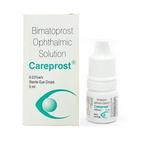
These drops gained immense popularity, demonstrating an incredibly fast and always noticeable result since its application. This innovative means will allow you to give your eyelashes an ideal look, strength and health, in whatever serious condition they are before the moment of its application. It is safe and effective providing amazing results.
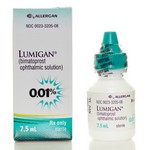
This means is prescribed to reduce eye pressure. Its active ingredient is synthetic prostaglandin bimatoprost – an unsaturated fatty acid, similar in its properties to hormones. Getting into the eye, drops help maintain the balance of the flow and outflow of eye fluid. It is a violation of this balance that leads to an increase in pressure, due to which the blood supply to the eye is impaired and the load on the optic nerve increases.

Bimatoprost reduces IOP in humans by increasing the outflow of aqueous humor through the trabecular meshwork and uveoscleral outflow. IOP reduction begins about 4 hours after the first use. The maximum effect is achieved after about 8–12 hours. The effect lasts for at least 24 hours.
Ofloxacin Eye Drops: A Guide to Brands and Usage
Ofloxacin eye drops are a type of antibiotic eye drop that are commonly used to treat bacterial eye infections. These eye drops contain ofloxacin, which belongs to a group of medications called fluoroquinolones. Ofloxacin works by killing the bacteria that cause the infection, thus helping to reduce symptoms and promote healing.
Popular Brands of Ofloxacin Eye Drops
There are several brand-name ofloxacin eye drops available on the market. These include:
- Ocuflox
- Floxin Otic
- Oflomac Eye Drops
- Biomac Eye Drops
- Ocufloxacin
These brands are widely recognized and trusted for their effectiveness in treating bacterial eye infections. It is important to note that there may be other brands available as well, so consulting with a healthcare professional or pharmacist is recommended if a specific brand is needed.
Usage Guidelines for Ofloxacin Eye Drops
The exact usage guidelines for ofloxacin eye drops may vary depending on the severity of the infection and the individual’s medical history. It is important to carefully follow the instructions provided by the eye drop manufacturer or healthcare professional. However, as a general guideline, the usual recommended dosage for adults and children is one to two drops in the affected eye(s) every four to six hours for up to seven days.
Before instilling the eye drops, it is important to wash your hands thoroughly and avoid touching the tip of the eye drop bottle to prevent contamination. Tilt your head back, gently pull down your lower eyelid, and place the prescribed number of drops directly into the lower eyelid pocket. Close your eyes gently for a few minutes to allow the medication to spread across the surface of the eye.
Note: The information provided here is for informational purposes only and should not replace the advice of a healthcare professional. If you have any concerns or questions about the usage of ofloxacin eye drops, it is best to consult with a healthcare professional.
References:
- “Ofloxacin Ophthalmic: MedlinePlus Drug Information.” MedlinePlus. National Library of Medicine, U.S. National Institutes of Health, 15 July 2021, medlineplus.gov/druginfo/meds/a688019.html.
- “Ofloxacin Eye Drops for Eye Infections: Ocuflox.” Patient. Patient Platform Limited, 12 May 2021, patient.info/medicine/ofloxacin-eye-drops-ofloxacin.
Are Genteal Eye Drops Safe? What You Need to Know
Genteal eye drops are a popular choice for individuals experiencing dry eyes. They provide much-needed relief and can help lubricate the eyes, reducing discomfort and managing symptoms. However, it is essential to understand the safety considerations and potential side effects before using Genteal eye drops.
What are Genteal Eye Drops?
Genteal eye drops are a type of artificial tears solution that is designed to mimic the natural tears produced by the eyes. They contain ingredients such as hypromellose, which help lubricate and moisturize the eyes, providing relief from dryness and irritation.
Safety Considerations
Genteal eye drops are generally considered safe for use. However, as with any medication or eye drop, there are some important safety considerations to keep in mind:
- Always follow the instructions provided by the Genteal eye drop manufacturer or your eye care professional. They will provide specific guidance on the recommended dosage and frequency of use.
- Do not use Genteal eye drops if you have an active eye infection or injury, unless directed by your healthcare professional.
- If you experience any new or worsening symptoms after using Genteal eye drops, such as increased redness, pain, or discharge, discontinue use and consult with your healthcare professional.
- Avoid touching the tip of the Genteal eye drop bottle to any surface, including your eye, to prevent contamination.
Side Effects
While side effects from Genteal eye drops are rare, some individuals may experience mild and temporary eye discomfort or irritation after use. These side effects are typically mild and resolve on their own. However, if you experience severe or persistent eye pain, vision changes, or any other concerning symptoms, seek medical attention immediately.
Consulting with a Healthcare Professional
If you have any concerns or questions about the safety or proper use of Genteal eye drops, it is always best to consult with a healthcare professional. They can provide personalized advice and address any specific concerns you may have.
Conclusion
Genteal eye drops can be a valuable tool in managing dry eyes and providing relief from discomfort. By following the proper usage guidelines and consulting with a healthcare professional when needed, you can safely and effectively use Genteal eye drops. Remember to prioritize your eye health and seek appropriate medical attention if you experience any concerning symptoms.
Instilling eye drops correctly
Properly instilling eye drops is essential to ensure that the medication reaches the eye and is effective in treating the intended condition. Here are step-by-step instructions on how to correctly use eye drops:
Step 1: Wash your hands
Before using eye drops, it is important to wash your hands thoroughly with soap and water. This helps prevent the introduction of bacteria or other contaminants into the eye.
Step 2: Tilt your head back
Gently tilt your head back while sitting or lying down, whichever position is most comfortable for you. This helps keep your eye in the correct position for instilling the drops.
Step 3: Create a pocket
Using your non-dominant hand, gently pull down your lower eyelid to create a small pocket between the eye and the eyelid. This pocket will hold the eye drop and allow it to spread across the eye.
Step 4: Instill the eye drop
Hold the eye drop bottle or container with your dominant hand. Look up at the ceiling or focus on a point above your head. Be careful not to touch your eye or surrounding areas with the eye drop container, as this can introduce bacteria. Squeeze the bottle or release a single drop into the pocket created by your lower eyelid. Take care to follow the specific instructions provided by your eye care professional or the eye drop manufacturer regarding the number of drops to use.
Step 5: Close your eye and gently press on the tear duct
After instilling the eye drops, close your eye gently. Avoid blinking excessively or squeezing your eye shut forcefully, as this can cause the medication to be expelled from the eye. With your eyes closed, apply gentle pressure to the inner corner of your eye (near the nose) for about one to two minutes. This helps prevent the eye drops from draining into your tear duct and being absorbed systemically.
Step 6: Repeat if necessary
If you need to use more than one drop or if instructed to do so by your eye care professional, wait at least 5 minutes before instilling the next drop. This allows the first drop to be fully absorbed by the eye before adding more medication.
It is important to remember that these instructions are general guidelines and may vary depending on the specific eye drop medication and the advice of your eye care professional. Always follow the instructions provided with your eye drops and consult with your healthcare provider if you have any concerns.
Conclusion
To maintain optimal eye health, it is important to use eye drops correctly and follow proper usage guidelines. Whether you need eye drops for allergy relief, dryness, or bacterial infections, there are a variety of options available on the market.
When using eye drops, it is essential to follow the instructions provided by the eye drop manufacturer or your eye care professional. This includes the recommended frequency of usage and proper technique for instilling the drops into your eyes.
When it comes to allergy relief, popular eye drops such as Zaditor and Alaway are highly effective. These eye drops work to alleviate symptoms such as itching, redness, and watery eyes. It is recommended to use these eye drops as directed, typically 1-2 times a day, depending on the severity of your symptoms.
For bacterial eye infections, ofloxacin eye drops are commonly prescribed. These drops contain the antibiotic ofloxacin, which helps to treat the infection. Brands such as Ocuflox and Floxin Otic contain ofloxacin and are commonly recommended by healthcare professionals.
When dealing with dry eyes, Genteal eye drops are a popular choice. These eye drops provide relief by lubricating the eyes and reducing dryness and irritation. It is important to note that while Genteal eye drops are generally safe to use, some individuals may experience side effects. If you have any concerns, it is best to consult with a healthcare professional.
When instilling eye drops, it is crucial to maintain proper hygiene. Always wash your hands before handling the eye drop bottle and avoid touching the dropper tip to prevent contamination. To effectively administer the drops, tilt your head back, pull down your lower eyelid, and squeeze the bottle to release the desired amount of drops.
In conclusion, eye drops play a vital role in eye health maintenance. By using the appropriate eye drops for your specific needs and following the recommended usage guidelines, you can effectively treat conditions such as allergies, dryness, and bacterial infections. Remember to consult with a healthcare professional if you have any concerns or questions regarding the use of eye drops for your individual situation.