Eye Floaters: Understanding the Condition and its Causes
Definition of Eye Floaters:
Eye floaters are small, moving specks or cobweb-like structures that appear in a person’s field of vision. They may appear as dots, lines, or irregular shapes and tend to drift when the eyes move. These floaters are actually tiny clumps of protein or other materials that cast shadows on the retina, causing visual disturbances.
Appearance of Eye Floaters:
Eye floaters can vary in size and shape. They may be transparent or appear as dark specks or threads. They are more noticeable when looking at a plain background, such as a blue sky or a white wall.
Common Causes of Eye Floaters:
- Age-related changes in the vitreous humor: The vitreous humor is a gel-like substance that fills the space between the lens and retina of the eye. As a person ages, the vitreous humor may become more liquid, and floaters can form due to the clumping of proteins or cells in this gel-like substance.
- Eye injuries or inflammation: Trauma to the eyes or certain inflammatory conditions, such as uveitis, can lead to the development of eye floaters.
- Retinal detachment or tears: In some cases, eye floaters may be a sign of a serious condition like retinal detachment or tears. These conditions require immediate medical attention to prevent permanent vision loss.
- Medical conditions and lifestyle factors: Certain medical conditions, such as diabetes or high blood pressure, may increase the likelihood of developing eye floaters. Additionally, factors like smoking and excessive alcohol consumption can also contribute to the formation of floaters.
How Eye Floaters Affect Vision and Daily Activities:
Eye floaters can cause various visual disturbances, such as:
- Blurred vision
- Difficulty focusing on objects
- Sensitivity to light
- Visual field abnormalities
- Impaired depth perception
These visual disturbances can interfere with daily activities like reading, driving, and performing tasks that require clear vision.
Source: Mayo Clinic
Eye Drops for Eye Floaters: Exploring the Available Options
Eye floaters can be a bothersome condition that affects the vision and daily activities of individuals. While there is no definitive cure for eye floaters, there are various eye drops available in the market that aim to alleviate the symptoms and potentially reduce the appearance of floaters. Here, we will explore different types of eye drops for eye floaters and discuss their effectiveness and potential side effects.
Types of Eye Drops for Eye Floaters
There are several types of eye drops that are commonly marketed as a solution for eye floaters. These include:
- Eye drops containing ingredients that promote the breakdown of floaters: Some eye drops claim to contain ingredients that facilitate the breakdown and dissipation of floaters. These ingredients may target the proteins or collagen fibers that form the floaters and help disintegrate them over time.
- Eye drops that aim to improve overall eye health and reduce floaters: Certain eye drops focus on improving the overall health of the eyes, including the vitreous humor, which is the gel-like substance filling the eye. These eye drops may contain antioxidants, vitamins, or minerals that promote better eye health and potentially reduce the occurrence of eye floaters.
Effectiveness and Potential Side Effects
The effectiveness of eye drops for eye floaters can vary greatly between individuals. Some individuals claim to experience a reduction in floaters or improvement in visual clarity after using certain eye drops, while others may not notice any significant changes.
It is important to note that there is limited scientific evidence to support the effectiveness of these eye drops in treating eye floaters. Many of the claims made by manufacturers are based on anecdotal evidence or personal testimonials, rather than rigorous clinical trials.
Additionally, it is crucial to be aware of the potential side effects associated with these eye drops. While most eye drops are generally safe for use, they can cause irritation, stinging, redness, or blurry vision in some individuals. It is recommended to consult with an eye care professional before starting any new eye drop regimen to ensure safety and effectiveness.
Overall, the use of eye drops for eye floaters is a personal choice, and results may vary. It is always recommended to seek professional guidance and advice from an eye care professional before trying any new treatment.
Eye drops for bacterial conjunctivitis: A common misinterpretation
One common misconception regarding eye floaters is that eye drops used for treating bacterial conjunctivitis can also help alleviate the symptoms of floaters. However, it’s important to clarify that eye drops for bacterial conjunctivitis are not effective in treating eye floaters. These two conditions are different and require different approaches for management and treatment.
Difference between bacterial conjunctivitis and eye floaters:
Bacterial conjunctivitis, commonly known as pink eye, is an infection caused by bacteria. It results in redness, swelling, and discharge from the eyes. It is commonly treated with antibiotic eye drops or ointments prescribed by a healthcare professional. Bacterial conjunctivitis does not have any direct connection to the presence of eye floaters.
On the other hand, eye floaters are caused by the presence of tiny specks or strands of collagen in the vitreous humor, the gel-like substance that fills the back of the eye. These floaters cast shadows on the retina, leading to the perception of dark spots or shapes in the visual field. Eye floaters are typically caused by age-related changes in the vitreous humor and are more commonly experienced by older individuals.
Importance of correct diagnosis and treatment:
In order to properly address eye conditions, it is crucial to accurately diagnose the specific issue. Misinterpreting eye floaters as bacterial conjunctivitis can lead to a delay in proper treatment, as well as unnecessary use of antibiotic eye drops which may not be effective in addressing the underlying cause of eye floaters.
Therefore, it is recommended that individuals who are experiencing eye floaters consult with an eye care professional for an accurate diagnosis and appropriate treatment options. Optometrists and ophthalmologists are trained to identify and address various eye conditions and can provide guidance on the best approach for managing eye floaters based on their severity and underlying causes.
References:
1. American Academy of Ophthalmology. “Floaters.” Retrieved from https://www.aao.org/eye-health/diseases/floaters
2. American Optometric Association. “Pink Eye (Conjunctivitis).” Retrieved from https://www.aoa.org/patients-and-public/eye-and-vision-problems/glossary-of-eye-and-vision-conditions/pink-eye

Bimat eye drops are used to treat hypotrichosis, short, weak eyelashes. Bimat increases the length, thickness and enhances the color of eyelashes. These substances are also used to lower intraocular pressure in patients with a diagnosis of glaucoma. By reducing the pressure, the risk of blindness is significantly decreased.
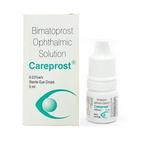
These drops gained immense popularity, demonstrating an incredibly fast and always noticeable result since its application. This innovative means will allow you to give your eyelashes an ideal look, strength and health, in whatever serious condition they are before the moment of its application. It is safe and effective providing amazing results.
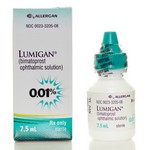
This means is prescribed to reduce eye pressure. Its active ingredient is synthetic prostaglandin bimatoprost – an unsaturated fatty acid, similar in its properties to hormones. Getting into the eye, drops help maintain the balance of the flow and outflow of eye fluid. It is a violation of this balance that leads to an increase in pressure, due to which the blood supply to the eye is impaired and the load on the optic nerve increases.

Bimatoprost reduces IOP in humans by increasing the outflow of aqueous humor through the trabecular meshwork and uveoscleral outflow. IOP reduction begins about 4 hours after the first use. The maximum effect is achieved after about 8–12 hours. The effect lasts for at least 24 hours.
Optrex Allergy Eye Drops: Can They Help With Eye Floaters?
When it comes to eye floaters, many people are eager to find a solution that can alleviate their symptoms and improve their visual quality. One product that often gets mentioned in this context is Optrex allergy eye drops. However, it is essential to understand whether these eye drops are actually effective in treating eye floaters.
Understanding Optrex Allergy Eye Drops
Optrex allergy eye drops are specifically designed to provide relief from symptoms of allergies that affect the eyes, such as itching, redness, and watering. They contain an active ingredient called sodium cromoglicate, which works by stabilizing mast cells and preventing the release of substances that cause allergic reactions. These eye drops are suitable for individuals experiencing symptoms caused by hay fever, house dust mites, pet hair, and other common allergens.
Addressing the Underlying Causes of Eye Floaters
While Optrex allergy eye drops may help with allergy-related eye symptoms, it is important to note that eye floaters have different causes and cannot be directly treated by these drops. Eye floaters are caused by small specks or strands of protein called collagen in the vitreous humor of the eye. These floaters cast shadows on the retina, leading to the perception of dark spots or cobweb-like patterns in one’s vision.
Optrex allergy eye drops do not directly target or break down these collagen strands in the vitreous humor. Therefore, they are unlikely to address the underlying causes of eye floaters. It is important to seek professional guidance to determine appropriate treatment options for eye floaters.
Consulting with an Eye Care Professional
If you are experiencing eye floaters, it is crucial to consult with an eye care professional, such as an ophthalmologist or optometrist. They can provide a comprehensive evaluation of your eye health and determine the severity and underlying cause of your floaters. Based on their assessment, they may recommend various treatment options to address your specific situation.
Treatment options for eye floaters can range from monitoring the condition to surgical intervention, depending on factors such as the size, number, and location of the floaters, as well as their impact on your vision and daily activities. This is why it is important to have a proper diagnosis and personalized treatment plan.
Regular eye examinations are also crucial for maintaining overall eye health and detecting any underlying eye conditions that may contribute to the development of eye floaters. By staying proactive about your eye care, you can ensure early detection and appropriate management of any eye-related issues.
Remember, when it comes to eye health, it is always best to rely on the advice and guidance of trusted healthcare professionals.
Timolol Eye Drops: An Unrelated Treatment for Glaucoma
Timolol eye drops are a medication commonly prescribed for the treatment of glaucoma. Glaucoma is a condition characterized by increased pressure within the eye, which can lead to optic nerve damage and vision loss if left untreated. Timolol eye drops help to lower intraocular pressure by reducing the production of fluid in the eye.
Understanding the Purpose and Ingredients
Timolol eye drops belong to a class of drugs known as beta-blockers. These eye drops contain the active ingredient timolol maleate, which works by blocking certain receptors in the eye, resulting in reduced fluid production and decreased intraocular pressure.
Evaluating the Connection with Eye Floaters
There is no direct connection between timolol eye drops and the treatment of eye floaters. Eye floaters, which are small specks or spots that appear to float in your field of vision, are typically caused by age-related changes in the vitreous humor, the gel-like substance that fills the eyeball. Timolol eye drops are not designed to address or alleviate the symptoms of eye floaters.
The Importance of Proper Use and Professional Guidance
If you have been prescribed timolol eye drops for the treatment of glaucoma, it is important to use them exactly as directed by your healthcare professional. Timolol eye drops are a prescription medication and should not be used for any other purpose without medical supervision.
When it comes to the treatment of eye floaters, it is crucial to seek professional guidance and consultation from an eye care professional. They will be able to assess your specific condition and provide appropriate recommendations for treatment options based on the severity and underlying cause of your eye floaters.
Conclusion
In summary, while timolol eye drops are an effective treatment for glaucoma, they are not intended for the treatment of eye floaters. Proper use of medication and consultation with an eye care professional are essential for maintaining good eye health and addressing specific eye conditions.
Can-C Eye Drops: An Alternative Approach to Treating Eye Floaters?
Eye floaters can be a bothersome condition that affects vision and daily activities. While there are various treatment options available, some individuals may seek alternative approaches, such as Can-C eye drops. These eye drops have gained popularity as a potential solution for reducing eye floaters.
The Availability and Potential Benefits of Can-C Eye Drops
Can-C eye drops are a brand of eye drops that contain the active ingredient N-acetylcarnosine (NAC). NAC is an antioxidant that has been suggested to help reduce oxidative stress in the eye and improve overall eye health.
The main goal of Can-C eye drops is to target the underlying causes of eye floaters by promoting better eye health. NAC is believed to help break down proteins that form clumps in the vitreous humor, which can lead to eye floaters. By breaking down these proteins, Can-C eye drops may help reduce the appearance of floaters and improve visual clarity.
The Ingredients and Mechanism of Action of Can-C Eye Drops
Can-C eye drops contain a range of ingredients, including N-acetylcarnosine and other proprietary components. NAC acts as the main active ingredient, contributing to the potential benefits of the eye drops.
NAC is a dipeptide composed of two amino acids – beta-alanine and L-histidine. It is thought to have antioxidant properties that help protect the eyes from oxidative stress. Oxidative stress is known to contribute to various eye conditions, including the formation of eye floaters.
The mechanism of action of Can-C eye drops involves the penetration of NAC into the structures of the eye. Once inside the eye, NAC interacts with the proteins that make up the floaters and may help break them down over time.
Existing Research and Anecdotal Evidence on the Effectiveness of Can-C Eye Drops for Eye Floaters
The effectiveness of Can-C eye drops for treating eye floaters is the subject of ongoing research and debate. While some individuals report positive results with the use of Can-C eye drops, the scientific evidence is limited and inconclusive.
One study published in the Journal of Ophthalmology in 2002 examined the use of N-acetylcarnosine eye drops in individuals with age-related cataracts. The study showed promising results, with improvements in glare sensitivity, visual acuity, and color perception. However, it is important to note that this study was not specifically focused on eye floaters.
Anecdotal evidence from individuals who have used Can-C eye drops suggests that they may experience a reduction in the frequency and severity of eye floaters. However, individual experiences can vary, and it is essential to consult with an eye care professional before starting any new treatment.
Seeking Professional Guidance for Eye Floaters and Treatment Options
It is crucial to consult with an eye care professional if you are experiencing eye floaters. They can properly diagnose the condition, determine the underlying causes, and recommend appropriate treatment options.
While alternative approaches such as Can-C eye drops may be appealing, it is essential to discuss them with a healthcare professional. They can provide guidance based on your specific situation and offer evidence-based treatments and recommendations.
Remember, proper eye care and regular eye examinations are vital for maintaining overall eye health. Keep in mind that the information provided here is not a substitute for professional medical advice, diagnosis, or treatment. Always seek the guidance of a qualified healthcare professional regarding any medical condition or treatment.
Seeking professional guidance for eye floaters and treatment options
If you are experiencing eye floaters, it is important to seek professional guidance from an eye care professional. An optometrist or ophthalmologist will be able to properly diagnose your condition and recommend appropriate treatment options based on the severity and underlying cause of your eye floaters.
During your appointment, the eye care professional will conduct a thorough examination of your eyes to assess the extent of the floaters and determine any potential underlying issues that may be contributing to their presence. This may involve dilating your pupils and using specialized instruments to get a closer look at the structures inside your eyes.
Based on the examination findings, the eye care professional may recommend one or more of the following treatment options:
- Observation: In some cases, eye floaters may not require any treatment if they are not significantly affecting your vision or daily activities. Your eye care professional may advise regular monitoring to ensure that the floaters are not worsening over time.
- YAG laser vitreolysis: This minimally invasive laser procedure can be used to break up larger floaters that are causing significant visual disturbances. The laser breaks the floaters into smaller pieces, making them less noticeable or eliminating them altogether. However, not all floaters are suitable for this treatment, and it may not be appropriate for everyone.
- Vitrectomy: In rare cases where floaters severely impact your quality of life and visual acuity, your eye care professional may recommend vitrectomy. This surgical procedure involves removing the vitreous gel and replacing it with a salt solution. Vitrectomy carries risks and potential complications and is typically considered a last resort when other treatment options have been exhausted.
Additionally, your eye care professional may discuss lifestyle modifications and strategies to manage eye floaters, such as avoiding bright lights and wearing sunglasses to reduce glare. They may also provide advice on maintaining overall eye health, including proper nutrition, regular exercise, and regular eye examinations.
It is important to note that while there may be anecdotal evidence or alternative treatments available for eye floaters, it is crucial to consult with a qualified healthcare professional for accurate diagnosis and appropriate treatment recommendations. Avoid self-medication or relying solely on over-the-counter remedies without professional guidance.
Regular eye examinations are essential for overall eye health, as they help detect any changes or abnormalities early on. By consulting an eye care professional and following their guidance, you can ensure optimal eye health and receive the most appropriate treatment for your eye floaters.
For more information on eye floaters and professional guidance, you can visit reputable sources such as the American Academy of Ophthalmology or All About Vision.