Can you use preservative-free eye drops with contacts?
Using preservative-free eye drops with contacts is highly recommended for maintaining healthy eyes and optimal contact lens wear. Preservatives are added to regular eye drops to prevent bacterial growth and prolong the shelf life of the product. However, these preservatives can be harmful to contacts and may cause adverse effects on the eyes.
Preservatives in regular eye drops, such as benzalkonium chloride and thimerosal, can accumulate on the surface of contact lenses over time. This can lead to irritation, dryness, and discomfort. The preservatives can also disrupt the natural balance of the tear film and increase the risk of eye infections.
To avoid these issues, it is best to use preservative-free eye drops specifically formulated for use with contact lenses. These eye drops do not contain any preservatives and are gentle on the eyes and contacts.
Studies have shown that preservative-free eye drops are effective in improving symptoms of dryness and overall comfort for contact lens wearers. In a survey conducted by Contact Lens Spectrum, 82% of contact lens wearers reported that preservative-free eye drops provided relief from dryness and irritation.
It is important to note that not all eye drops labeled as “preservative-free” are suitable for use with contact lenses. Some preservative-free eye drops may still contain ingredients that can be harmful to contacts, such as certain types of lubricants or disinfectants. Therefore, it is crucial to check the product label and consult with an eye care professional to ensure compatibility with contacts.
In summary, using preservative-free eye drops with contacts is essential for maintaining healthy eyes and comfortable contact lens wear. These eye drops are free of preservatives that can be harmful to contacts and can provide relief from dryness and irritation. When using any eye drops with contacts, it is important to read the labels carefully and consult with an eye care professional to ensure proper usage and compatibility.
What are Preservatives in Eye Drops?
Preservatives are chemical substances that are added to eye drops to prevent or inhibit the growth of bacteria, fungi, and other microorganisms. They are used to prolong the shelf life of eye drops and maintain their sterility after opening.
Common preservatives found in eye drops include:
- Benzalkonium Chloride: This is one of the most widely used preservatives in eye drops. It acts by disrupting the cell membranes of microorganisms, leading to their death. However, it can also irritate and cause allergic reactions in some individuals.
- Thimerosal: This preservative contains mercury and is used in multi-dose eye drop formulations. It is effective against a wide range of microorganisms but has been phased out in many countries due to potential toxicity concerns.
Preservatives in eye drops play an important role in preventing contamination and ensuring the safety of the product. However, they can also have negative effects, especially when used in conjunction with contact lenses.
Why Can Preservatives in Eye Drops Be Harmful to Contacts?
Contact lenses are made of delicate materials that can be easily damaged or irritated by certain chemicals, including preservatives. When preservatives come into contact with contact lenses, they can accumulate on the lens surface, leading to various complications.
One of the main concerns is the potential for preservatives to cause allergic reactions. Benzalkonium chloride, in particular, is known to be a common culprit for contact lens-related allergies. These allergies can manifest as redness, itching, irritation, and even corneal damage.
Additionally, preservatives can also cause the contact lenses to become less comfortable to wear. They can create a filmy or sticky residue on the lens surface, leading to discomfort and decreased visual clarity.
Furthermore, some preservatives can interact with the materials of the contact lenses and compromise their structure and functionality. This can result in lens warping, reduced oxygen permeability, and increased susceptibility to deposits and debris.
To mitigate these risks, it is recommended to use preservative-free eye drops when wearing contact lenses. Preservative-free eye drops are specifically formulated without any added preservatives, making them safer and more compatible with contacts. They provide lubrication, moisture, and relief without the potential risk of adverse effects.
It is important to consult with an eye care professional or optometrist before using any eye drops with contact lenses. They can provide personalized advice and recommend suitable products based on your specific needs.
3. Boron Eye Drops and Their Compatibility with Contacts:
When it comes to eye drops, there is a wide range of options available in the market. One such type that has gained attention in recent years is boron eye drops. Boron is a naturally occurring element that is known for its various health benefits, including its potential to improve eye health.
Many people wonder if boron eye drops can be used safely with contacts. The answer to this question is not straightforward and depends on a few factors.
Potential Benefits of Boron Eye Drops:
Boron eye drops are often promoted for their potential benefits in improving the symptoms of dry eyes, reducing eye redness, and relieving eye fatigue. Some studies have suggested that boron may have anti-inflammatory and antioxidant properties, which can potentially be beneficial for overall eye health.
However, it is important to note that more research is needed to fully understand the effectiveness and safety of boron eye drops. While some individuals may experience positive results, it is not guaranteed for everyone. It is always recommended to seek advice from an eye care professional before trying any new eye drops or treatments.
Compatibility with Contacts:
When using eye drops with contact lenses, it is crucial to consider the compatibility of the drops with the lenses. Some eye drops contain ingredients that can interact with the contacts and cause discomfort or damage. In the case of boron eye drops, there is limited information available regarding their compatibility with contacts.
It is generally recommended to avoid using any eye drops that contain preservatives with contact lenses, as these preservatives can build up on the lenses and cause irritation or allergic reactions. However, because boron eye drops are typically preservative-free, they may be better suited for use with contacts.
Despite the potential compatibility of boron eye drops with contacts, it is still advisable to consult with an eye care professional before using them. They can provide personalized guidance based on your specific eye health needs and the type of contacts you wear.
Conclusion:
Boron eye drops offer a potential alternative for individuals looking to improve their eye health. While research on the benefits and safety of these drops is still limited, some individuals may find them helpful for managing dry eyes and other symptoms. However, it is important to exercise caution and consult with an eye care professional before using them with contact lenses to ensure compatibility and minimize the risk of any complications.

Bimat eye drops are used to treat hypotrichosis, short, weak eyelashes. Bimat increases the length, thickness and enhances the color of eyelashes. These substances are also used to lower intraocular pressure in patients with a diagnosis of glaucoma. By reducing the pressure, the risk of blindness is significantly decreased.
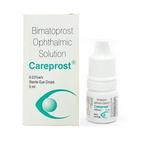
These drops gained immense popularity, demonstrating an incredibly fast and always noticeable result since its application. This innovative means will allow you to give your eyelashes an ideal look, strength and health, in whatever serious condition they are before the moment of its application. It is safe and effective providing amazing results.
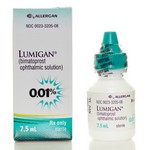
This means is prescribed to reduce eye pressure. Its active ingredient is synthetic prostaglandin bimatoprost – an unsaturated fatty acid, similar in its properties to hormones. Getting into the eye, drops help maintain the balance of the flow and outflow of eye fluid. It is a violation of this balance that leads to an increase in pressure, due to which the blood supply to the eye is impaired and the load on the optic nerve increases.

Bimatoprost reduces IOP in humans by increasing the outflow of aqueous humor through the trabecular meshwork and uveoscleral outflow. IOP reduction begins about 4 hours after the first use. The maximum effect is achieved after about 8–12 hours. The effect lasts for at least 24 hours.
Antibiotic Eye Drops: A Guide to Tobramycin and Moxifloxacin
When it comes to treating eye infections, antibiotic eye drops can be a highly effective solution. Two commonly prescribed antibiotics for eye infections are tobramycin and moxifloxacin. In this article, we’ll dive into the details of these antibiotics, including their uses, potential side effects, and compatibility with contact lenses.
Uses and Benefits of Tobramycin Eye Drops
Tobramycin is an antibiotic that belongs to the aminoglycoside class. It is commonly used to treat bacterial eye infections such as conjunctivitis or pink eye, corneal ulcers, and other ocular surface infections. Tobramycin eye drops work by inhibiting the growth of bacteria and reducing the inflammation in the eye.
Some of the benefits of using tobramycin eye drops include:
- Effective against a wide range of bacteria
- Rapid onset of action
- Low risk of systemic side effects
- Well-tolerated by most patients
Potential Side Effects of Tobramycin Eye Drops
While tobramycin eye drops are generally safe and well-tolerated, there are a few potential side effects to be aware of. These can include:
- Temporary stinging or burning in the eyes
- Blurred vision
- Redness or irritation of the eye
- Eye discharge
- Allergic reactions, although rare
If you experience severe or prolonged side effects, it is important to seek medical attention immediately.
Moxifloxacin Eye Drops: Uses and Benefits
Moxifloxacin is a fluoroquinolone antibiotic that is commonly prescribed for the treatment of eye infections, including bacterial conjunctivitis and corneal ulcers. Like tobramycin, it works by inhibiting the growth of bacteria.
Some of the benefits of using moxifloxacin eye drops include:
- Broad spectrum coverage against various bacteria
- Convenient dosing schedule (usually administered 3 times a day)
- Minimal risk of systemic side effects
Potential Side Effects of Moxifloxacin Eye Drops
Moxifloxacin eye drops are generally well-tolerated, but some possible side effects may include:
- Burning or discomfort in the eyes
- Watery eyes
- Dry eyes
- Itchy eyes
- Blurred vision
If any of these side effects persist or worsen, it is advisable to consult with your healthcare provider.
Compatibility with Contact Lenses
When using antibiotic eye drops, it is important to consider their compatibility with contact lenses. In general, it is recommended to remove your contact lenses before applying the eye drops and wait at least 15 minutes before reinserting them. This allows the medication to effectively interact with the bacteria in your eyes without affecting the integrity of your contact lenses.
It is important to note that the preservatives in antibiotic eye drops, such as benzalkonium chloride, can be harmful to contact lenses. These preservatives can build up on the lenses over time, leading to discomfort, irritation, and even corneal damage.
To minimize the risk of adverse effects, it is advisable to use preservative-free antibiotic eye drops whenever possible. Preservative-free formulations come in single-use vials, eliminating the need for preservatives and reducing the risk of contamination.
Remember, it is crucial to follow the guidance of your healthcare provider when using antibiotic eye drops and contact lenses simultaneously. They can provide personalized instructions based on your specific condition and needs.
Sources:
5. Risks of Using Incompatible Eye Drops with Contacts
While it is important to use preservative-free eye drops with contacts, it is equally important to avoid using eye drops that are not compatible with contact lenses. Using incompatible eye drops can pose several risks to your eye health and the integrity of your contact lenses.
5.1 Corneal Staining
One of the risks of using incompatible eye drops with contacts is corneal staining. Certain eye drops contain ingredients that can interact with the material of your contact lenses, causing them to stain the surface of your cornea. This can lead to discomfort, blurry vision, and the need for frequent lens replacements.
5.2 Reduced Lubrication
Incompatible eye drops can also disrupt the natural lubrication of your eyes when wearing contacts. Some eye drops may contain ingredients that can cause your contact lenses to become dry, leading to irritation, redness, and a gritty sensation in your eyes.
5.3 Increased Risk of Infection
Using eye drops that are not compatible with contact lenses can increase the risk of eye infections. Some eye drops may contain preservatives or other ingredients that can promote the growth of bacteria, viruses, or fungi on your contact lenses. This can lead to serious eye infections, such as keratitis.
5.4 Contact Lens Damage
Incompatible eye drops can also damage your contact lenses. Some eye drops may contain ingredients that can cause the lenses to warp, develop cracks, or even dissolve. This can compromise the effectiveness of the lenses and potentially harm your eyes if you continue to wear damaged contacts.
It is essential to consult with your eye care professional and carefully read the instructions and labeling of any eye drops before using them with your contact lenses. They can provide guidance on which eye drops are safe to use with your specific type of contacts and help you avoid the risks mentioned above.
Contact Lens Solution and Its Importance
When it comes to wearing contact lenses, proper care and maintenance are essential to ensure optimal eye health. One vital component of contact lens care is the use of contact lens solution. Contact lens solution has several important functions, including cleaning, disinfecting, and storing the lenses. It helps to remove bacteria, dirt, and debris from the lenses, ensuring a clear vision and preventing eye infections.
The Role of Contact Lens Solution
Using contact lens solution is crucial for maintaining the cleanliness and safety of your contact lenses. It helps to remove substances that can build upon the lenses throughout the day, such as proteins, lipids, and environmental pollutants. By soaking the lenses in contact lens solution, you can effectively eliminate these deposits, ensuring that your lenses remain comfortable and clear.
Additionally, contact lens solution helps to disinfect the lenses, killing harmful bacteria and microorganisms that can lead to eye infections. Regularly cleaning and disinfecting your contact lenses is the key to preventing conditions like keratitis, which can cause redness, pain, and even vision loss.
Types of Contact Lens Solutions
There are different types of contact lens solutions available on the market, including multi-purpose solutions, hydrogen peroxide-based solutions, and saline solutions. Each type has its own advantages and disadvantages, so it is essential to follow the instructions provided by your eye care professional or the manufacturer of your lenses.
Multi-purpose solutions: These solutions are the most commonly used for contact lens care. They combine cleaning, disinfecting, and storing functions into one solution. They are convenient and easy to use, making them a popular choice among contact lens wearers.
Hydrogen peroxide-based solutions: These solutions provide an extra level of disinfection by utilizing hydrogen peroxide. The solution typically comes with a special case that neutralizes the hydrogen peroxide after a certain period, making it safe for your eyes. These solutions are particularly beneficial for individuals with sensitivities or allergies.
Saline solutions: Saline solutions are primarily used for rinsing and storing contact lenses. They do not provide cleaning or disinfection capabilities, so it is crucial to use them in combination with other cleaning solutions. Saline solutions are often used for individuals with sensitive eyes who may be allergic to other types of solutions.
Proper Usage of Contact Lens Solution
When using contact lens solution, it is important to follow the instructions provided by your eye care professional. However, there are some general guidelines to keep in mind:
- Wash your hands thoroughly before handling your contact lenses.
- Fill the contact lens case with fresh contact lens solution each time you store your lenses.
- Ensure lenses are fully submerged in the solution and not exposed to air.
- Follow the recommended soaking time for your specific type of contact lenses.
- Replace the contact lens case regularly to avoid bacterial growth.
- Avoid using water or saliva as a substitute for contact lens solution, as they can introduce harmful bacteria to your lenses.
By following these guidelines and using contact lens solution as directed, you can maintain the cleanliness and safety of your contact lenses, ensuring a comfortable and clear vision.
7. How to choose the right eye drops for contacts?
When it comes to choosing the right eye drops for contact lens wearers, there are a few important factors to consider. Here are some guidelines to help you find the best eye drops for your needs:
1. Opt for preservative-free eye drops
Preservative-free eye drops are generally recommended for use with contacts as they minimize the risk of irritation and damage to the lenses. The preservatives commonly found in regular eye drops, such as benzalkonium chloride and thimerosal, can accumulate on contacts and cause discomfort or even lead to eye infections. Look for products specifically labeled as preservative-free.
2. Consider lubricating and rewetting drops
Contact lenses can sometimes cause dryness, especially towards the end of the day. Lubricating and rewetting drops provide relief by moisturizing the eyes and preventing discomfort. These drops are often compatible with contacts, but it’s essential to check the labeling to ensure they are safe for use with your specific type of lenses.
3. Consult your eye care professional
It’s always a good idea to consult with your eye care professional before using any eye drops with your contacts. They can provide personalized recommendations based on your specific eye condition, lens type, and any underlying allergies or sensitivities you may have.
4. Look for specific formulas
There are some eye drops specifically formulated for contact lens wearers. These drops are designed to provide enhanced comfort and moisture and can be used while wearing contacts. Look for options labeled as “contact lens formula” or something similar.
5. Consider your individual needs
Everyone’s eyes and contact lens experience is unique, so it’s essential to consider your individual needs when choosing eye drops. Factors such as dryness, redness, or allergies can influence the type of drops that will work best for you. Additionally, if you wear specialized lenses, such as toric or multifocal lenses, you may need to consult with your eye care professional for specific recommendations.
6. Read reviews and gather feedback
Before purchasing any eye drops, it can be helpful to read reviews and gather feedback from other contact lens wearers. Hearing about others’ experiences can give you insights into the effectiveness and compatibility of different products. However, keep in mind that personal experiences may vary, and it’s crucial to consult with a professional for personalized advice.
Conclusion
Choosing the right eye drops for contact lens wearers is crucial to maintaining eye health and comfort. Opting for preservative-free drops, considering lubricating and rewetting formulas, consulting with your eye care professional, looking for specific contact lens formulas, and considering your individual needs are all essential steps in finding the best eye drops for you. Remember to prioritize your eye health and seek professional guidance when needed.