Overview of Hypromellose Eye Drops
Hypromellose eye drops are a type of lubricating eye drops that are used to relieve dryness, irritation, and discomfort in the eyes. They are also sometimes called artificial tears. These eye drops work by providing moisture to the eyes, lubricating the surface of the eye, and helping to reduce symptoms such as itching, burning, and redness.
Hypromellose eye drops are commonly used for various conditions including dry eye syndrome, allergies, contact lens irritation, and post-surgical dryness. They are especially beneficial for individuals who have insufficient tear production or evaporative dry eye.
Some common uses for Hypromellose eye drops include:
- Relieving dryness and discomfort caused by environmental factors such as wind, smoke, and dry climates
- Reducing irritation and redness from allergies and allergic reactions
- Relieving dryness and discomfort caused by prolonged computer or screen use
- Providing moisturize and relief for individuals who wear contact lenses
It is important to note that Hypromellose eye drops may provide temporary relief of symptoms but do not treat the underlying causes of dryness or other eye conditions. If symptoms persist or worsen, it is recommended to consult with an eye care professional.
Potential Side Effects of Hypromellose Eye Drops
Hypromellose eye drops, like any medication, may have potential side effects that users should be aware of. While these side effects are generally rare and mild, it is important to understand and recognize them in order to seek appropriate medical attention if necessary.
Allergic Reactions
In some cases, individuals may experience an allergic reaction to Hypromellose eye drops. Symptoms of an allergic reaction may include:
- Rash or itching
- Swelling of the face, lips, or tongue
- Difficulty breathing or swallowing
- Dizziness or fainting
If any of these symptoms occur after using Hypromellose eye drops, it is important to seek immediate medical attention as this could be a sign of a severe allergic reaction.
Irritation or Discomfort
Some users may experience mild irritation or discomfort after using Hypromellose eye drops. This could include a slight stinging or burning sensation, redness, or watery eyes. These side effects are usually temporary and should subside on their own. If the discomfort persists or becomes severe, it is advisable to consult a healthcare professional for further guidance.
Temporary Blurred Vision or Changes in Vision
Another possible side effect of Hypromellose eye drops is temporary blurred vision or changes in vision. This is typically a short-term effect that occurs immediately after instilling the drops and usually resolves within a few minutes. However, if the blurred vision or changes in vision persist or worsen, it is important to consult an eye care professional for an evaluation.
It is worth noting that these side effects are not comprehensive, and individual experiences may vary. It is always advisable to read the product packaging and consult a healthcare professional for specific information and guidance relating to Hypromellose eye drops.
Can Hypromellose Eye Drops be Used While Wearing Contacts?
Many people who wear contact lenses may wonder if they can safely use Hypromellose eye drops. While it is generally safe to use these eye drops while wearing contacts, there are some precautions that should be taken.
First and foremost, it is important to follow the instructions provided by your eye care professional and the manufacturer of the eye drops. They may have specific recommendations for using the drops with contacts.
Here are some general precautions to keep in mind:
- Remove your contact lenses before applying the eye drops. This will prevent any interference between the eye drops and your contacts.
- Wait at least 15 minutes after applying the eye drops before putting your contacts back in. This will allow enough time for the eye drops to be absorbed and reduce the risk of irritation.
- If you need to use eye drops frequently throughout the day, consider using contact lens rewetting drops instead. These drops are specifically formulated to be used with contact lenses and can provide relief without the need to remove your contacts.
It is also worth noting that not all eye drops are suitable for use with contact lenses. Some eye drops may contain ingredients that can damage or discolor contacts. Therefore, it is important to check the label and ensure that the eye drops you are using are safe for use with contacts.
If you experience any discomfort or irritation while using Hypromellose eye drops with contacts, it is recommended to consult with your eye care professional. They can provide guidance and recommend alternative options if needed.

Bimat eye drops are used to treat hypotrichosis, short, weak eyelashes. Bimat increases the length, thickness and enhances the color of eyelashes. These substances are also used to lower intraocular pressure in patients with a diagnosis of glaucoma. By reducing the pressure, the risk of blindness is significantly decreased.
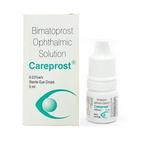
These drops gained immense popularity, demonstrating an incredibly fast and always noticeable result since its application. This innovative means will allow you to give your eyelashes an ideal look, strength and health, in whatever serious condition they are before the moment of its application. It is safe and effective providing amazing results.
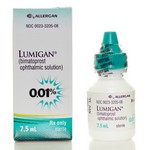
This means is prescribed to reduce eye pressure. Its active ingredient is synthetic prostaglandin bimatoprost – an unsaturated fatty acid, similar in its properties to hormones. Getting into the eye, drops help maintain the balance of the flow and outflow of eye fluid. It is a violation of this balance that leads to an increase in pressure, due to which the blood supply to the eye is impaired and the load on the optic nerve increases.

Bimatoprost reduces IOP in humans by increasing the outflow of aqueous humor through the trabecular meshwork and uveoscleral outflow. IOP reduction begins about 4 hours after the first use. The maximum effect is achieved after about 8–12 hours. The effect lasts for at least 24 hours.
Comparison of Hypromellose Eye Drops with Other Eye Drops
When it comes to choosing eye drops, there are several options available in the market. One common type of eye drops is Hypromellose eye drops. However, it is important to compare them with other types of eye drops to determine the best option for specific needs.
Differences between Hypromellose Eye Drops and Other Types of Eye Drops
Hypromellose eye drops contain the active ingredient hypromellose, which is a lubricating agent that helps to relieve dryness and irritation in the eyes. They work by adding moisture to the eyes and forming a protective barrier on the surface of the eye.
On the other hand, other types of eye drops may contain different active ingredients. For example, some eye drops may contain vasoconstrictors, which help to reduce redness in the eyes. Others may contain antihistamines or mast cell stabilizers, which are used to relieve allergy-related symptoms.
Benefits and Drawbacks of Using Hypromellose Eye Drops Compared to Others
One of the benefits of using Hypromellose eye drops is that they are generally safe and well-tolerated. They can be used by individuals of all ages, including children and older adults. Additionally, Hypromellose eye drops are preservative-free or contain preservatives that are gentle on the eyes, making them suitable for individuals with sensitive eyes.
However, one drawback of using Hypromellose eye drops is that they may provide temporary relief and may need to be used multiple times throughout the day to maintain symptom relief. Other types of eye drops, such as those containing vasoconstrictors, may provide more immediate relief from redness but may not address the underlying cause of the symptoms.
Factors to Consider when Choosing the Right Eye Drops for Specific Needs
When choosing the right eye drops, it is important to consider the specific needs and symptoms. For individuals with dry eyes, Hypromellose eye drops may be a suitable option. However, for individuals with redness or allergy-related symptoms, other types of eye drops may be more appropriate.
It is recommended to consult with an eye care professional to determine the best eye drops for individual needs. They can provide guidance on the most suitable options and provide information on how to properly use the eye drops for maximum effectiveness.
Eye Drops Price and Potential Cost Considerations
When it comes to purchasing eye drops, cost is often a factor that people consider. Understanding the price and potential cost considerations of eye drops can help you make an informed decision and find the right product for your needs.
Overview of Acular Eye Drops
One type of eye drop that is commonly used is Acular eye drops. These eye drops belong to a class of medications known as nonsteroidal anti-inflammatory drugs (NSAIDs) and are often prescribed to relieve eye pain and inflammation caused by certain conditions such as conjunctivitis or post-operative inflammation.
Pricing Information and Availability
The cost of Acular eye drops can vary depending on various factors such as the brand, strength, and quantity of the product. On average, Acular eye drops can range in price from $30 to $60 per bottle.
It is important to note that the availability of Acular eye drops may vary based on your location and the specific pharmacy you visit. It is advisable to check with your healthcare provider or local pharmacy for the most up-to-date information on availability and pricing.
Factors That May Affect the Cost of Acular Eye Drops
There are several factors that can impact the cost of Acular eye drops:
- Brand: Different brands may have different pricing structures and packaging options.
- Strength: Acular eye drops come in different strengths, and higher concentrations may be priced differently.
- Quantity: The volume of eye drops in the bottle can also affect the cost.
- Insurance Coverage: The availability and cost of Acular eye drops may be influenced by your insurance coverage. It is recommended to check with your insurance provider to understand your coverage and potential out-of-pocket expenses.
- Discounts and Coupons: Some pharmacies may offer discounts or coupons that can help reduce the cost of Acular eye drops. It is worth exploring these options to save money.
Overall, the cost of Acular eye drops can vary, and it is important to consider these factors when purchasing the medication.
Eye Drops with Pain Relief
Many individuals experience discomfort, redness, and irritation in their eyes due to various reasons, such as allergies, dryness, or eye strain. In such cases, eye drops with pain relief properties can provide much-needed relief and comfort. These specialized eye drops are designed to alleviate symptoms by targeting the underlying causes and soothing the eyes.
Common Ingredients in Eye Drops with Pain Relief
Eye drops with pain relief typically contain active ingredients that help relieve discomfort and reduce inflammation. Some common ingredients found in these types of eye drops include:
- Vasoconstrictors: These agents work by narrowing the blood vessels in the eyes, thus reducing redness and swelling.
- Antihistamines: These substances help alleviate itching and allergic reactions that may cause eye discomfort.
- Anesthetics: These numbing agents temporarily relieve pain or discomfort in the eyes.
- Mast cell stabilizers: These ingredients prevent the release of histamines, which can help alleviate the itching and redness associated with allergies.
When and How to Use Eye Drops with Pain Relief
Eye drops with pain relief should be used according to the instructions provided by the manufacturer. It is crucial to follow the recommended dosage and frequency of use to ensure proper relief and avoid potential side effects.
Before using the eye drops, it is important to wash hands thoroughly to prevent the introduction of harmful bacteria into the eyes. Tilt the head back slightly and pull down the lower eyelid to create a small pocket. Squeeze the recommended number of drops into the pocket, being careful not to touch the dropper tip to the eye or any other surface. Close the eyes gently and apply slight pressure to the inner corner of the eye for a minute or two to prevent the medication from draining into the tear duct.
It is worth noting that eye drops with pain relief should not be used as a long-term solution without consulting a healthcare professional. If symptoms persist or worsen, it is essential to seek medical advice.
Possible Side Effects or Precautions
While eye drops with pain relief are generally safe to use, they may cause some side effects or require certain precautions. Possible side effects include temporary stinging or burning upon application, blurred vision, or increased sensitivity to light. If these side effects persist or worsen, it is advisable to discontinue use and consult a healthcare professional.
It is important to avoid using eye drops with pain relief if one has an existing eye infection or injury, as these drops may exacerbate the condition. Additionally, individuals with certain medical conditions or those taking specific medications should consult a healthcare professional before using these eye drops.
Sources
– American Academy of Ophthalmology: https://www.aao.org/eye-health/treatments/eye-drops-types
– Mayo Clinic: https://www.mayoclinic.org/diseases-conditions/dry-eyes/in-depth/eye-drops/art-20045702
What is Neo Poly Dex Eye Drops Used For?
Neo Poly Dex eye drops are a type of medication that is commonly used to treat various eye conditions. They are a combination of two antibiotics, neomycin and polymyxin B, and the corticosteroid dexamethasone. This combination of ingredients helps to reduce inflammation, fight bacterial infections, and relieve symptoms associated with eye conditions.
Neo Poly Dex eye drops are primarily used to treat bacterial eye infections, such as conjunctivitis (pink eye) and blepharitis (eyelid inflammation). They can also be prescribed to prevent infections after eye surgery or injury.
The neomycin and polymyxin B in Neo Poly Dex eye drops work by killing the bacteria that cause infections, while dexamethasone helps to reduce inflammation and relieve symptoms such as redness, swelling, itching, and discomfort.
Indications and uses for this type of eye drops
Neo Poly Dex eye drops may be prescribed for the following indications:
– Bacterial conjunctivitis: Neo Poly Dex eye drops can help to treat pink eye caused by bacterial infections. Symptoms of bacterial conjunctivitis include redness, itching, discharge, and discomfort.
– Blepharitis: This is a condition characterized by inflammation of the eyelids. Neo Poly Dex eye drops can help to reduce inflammation and relieve symptoms such as redness, swelling, and irritation.
– Pre- and post-eye surgery: Neo Poly Dex eye drops may be prescribed before and after eye surgery to prevent infections and reduce inflammation.
– Corneal ulcers: These are open sores on the cornea, usually caused by a bacterial infection. Neo Poly Dex eye drops can help to treat the infection and promote healing.
Potential side effects or precautions to be aware of
While Neo Poly Dex eye drops are generally safe and well-tolerated, there are some potential side effects and precautions to be aware of:
– Allergic reactions: Some individuals may be allergic to the ingredients in Neo Poly Dex eye drops. Signs of an allergic reaction may include itching, redness, swelling, rash, or difficulty breathing. If any of these symptoms occur, it is important to stop using the eye drops and seek medical attention.
– Increased eye pressure: Prolonged use of Neo Poly Dex eye drops may cause an increase in eye pressure, which can lead to glaucoma. Individuals with a history of glaucoma or high eye pressure should use Neo Poly Dex eye drops with caution and under the supervision of an eye care professional.
– Contact lens use: Neo Poly Dex eye drops should not be used while wearing contact lenses. Contact lenses should be removed before applying the eye drops and can be reinserted 15 minutes after administration.
It is important to follow the instructions provided by your healthcare professional when using Neo Poly Dex eye drops. If you experience any unexpected or severe side effects, it is advised to seek medical attention.
Overall, Neo Poly Dex eye drops are a commonly prescribed medication for the treatment of bacterial eye infections and inflammation. They are effective in relieving symptoms and promoting healing in various eye conditions. However, it is important to use them as directed and be aware of potential side effects or precautions.