Eye Drops and Their Impact on the Whiteness of the Eyes
Introduction to the topic of eye drops and their use in improving the appearance of the eyes.
Eye drops are a common solution used to address various eye conditions, including dryness, redness, and irritation. However, they are also used by many individuals for cosmetic purposes, specifically to achieve brighter and whiter eyes. In this article, we will explore the use of eye drops and their potential impact on the whiteness of the eyes.
Explanation of how eye drops work and their potential effects on eye whiteness.
Eye drops contain active ingredients that help alleviate specific eye conditions. Depending on the formulation, these drops can work to moisturize dry eyes, reduce inflammation, or relieve redness. When it comes to eye whiteness, certain eye drops have temporary effects that can give the appearance of brighter and whiter eyes.
These eye drops typically contain vasoconstrictors, which are substances that constrict blood vessels in the eye. By narrowing the blood vessels, vasoconstrictors reduce the amount of blood flowing through them, which in turn reduces redness and creates a whiter appearance in the eyes. The effects are temporary and can last for a few hours to a day, depending on the individual and the specific eye drops used.
The Temporary Whitening Effect of Eye Drops
When it comes to achieving whiter eyes, many people turn to eye drops for a quick fix. Certain eye drops, particularly those containing vasoconstrictors, can provide a temporary whitening effect by reducing redness in the eyes.
Vasoconstrictors are compounds that work by constricting or narrowing blood vessels. In the case of eye drops, vasoconstrictors target the blood vessels in the eye, causing them to shrink. This constriction of blood vessels leads to a reduction in redness and a perceived whiteness in the eyes.
Popular eye drop brands such as Visine and Clear Eyes often contain vasoconstrictors like tetrahydrozoline or naphazoline. These ingredients are responsible for the temporary whitening effect that users experience.
Studies have shown that eye drops with vasoconstrictors can effectively reduce redness and create a whiter appearance in the eyes. For example, a study conducted by the National Center for Biotechnology Information (NCBI) found that eye drops containing tetrahydrozoline significantly improved redness compared to a placebo.
However, it is important to note that the whitening effect of eye drops is only temporary. Over time, the blood vessels in the eyes may gradually return to their normal size, causing the redness to reappear. This is known as rebound redness.
Furthermore, prolonged and frequent use of eye drops containing vasoconstrictors can lead to a condition called dependency, wherein the eyes become reliant on the drops to maintain their whiteness. This can cause a cycle of continued use, exacerbating the underlying redness and further necessitating the use of eye drops.
Additionally, some individuals may experience side effects from using eye drops with vasoconstrictors, such as dryness, irritation, or blurred vision. It is essential to follow the instructions provided by the manufacturer and consult with an eye care professional if any adverse effects occur.
In conclusion, while eye drops with vasoconstrictors can provide a temporary whitening effect by reducing redness in the eyes, they come with certain limitations and potential risks. Individuals should be cautious with their use and consider seeking alternative options or addressing the root causes of redness for long-term improvement in eye whiteness.
Potential Risks and Side Effects of Eye Drops
Using eye drops to improve eye whiteness may seem harmless, but it’s important to be aware of the potential risks and side effects that can come with their use. While some eye drops can provide temporary relief and a whitening effect, certain ingredients may have adverse effects on the eyes.
Prolonged Use and Rebound Redness
One of the risks associated with certain eye drops, particularly those containing vasoconstrictors, is rebound redness. Vasoconstrictors work by constricting blood vessels in the eye, reducing redness and making the eyes appear whiter. However, prolonged use of vasoconstrictor-containing eye drops can lead to a rebound effect, where the blood vessels in the eye become even more dilated than before, causing increased redness. This can create a cycle of dependency on the eye drops, as the redness worsens when the drops wear off.
Other Potential Side Effects
In addition to rebound redness, other potential side effects may occur with the use of certain eye drops. These side effects can vary depending on the specific ingredients in the drops. Common side effects may include dryness, irritation, or blurred vision. It’s important to carefully read the labels and instructions of any eye drops before using them and consult with an eye care professional if you experience any concerning symptoms.
Importance of Proper Usage and Consultation
To minimize the risks and potential side effects, it is crucial to use eye drops as directed and consult with an eye care professional before starting any new medication. They can provide personalized recommendations based on your specific eye health needs and address any concerns you may have. Following their guidance and being mindful of proper usage can help prevent potential complications.
References and Further Reading
For more information on the potential risks and side effects of eye drops, it is always best to consult reliable and authoritative sources. The following resources provide additional information on the topic:
1. American Academy of Ophthalmology: [Eye Drops: Are You Using Them Correctly?](https://www.aao.org/eye-health/tips-prevention/eye-drops-tips)
2. Mayo Clinic: [Over-the-Counter Eye Drops: Understand Your Options](https://www.mayoclinic.org/diseases-conditions/dry-eyes/in-depth/over-the-counter-faqs/art-20046213)
Remember, proper eye care and consultation with a professional are essential for maintaining eye health and addressing any concerns you may have about the use of eye drops.

Bimat eye drops are used to treat hypotrichosis, short, weak eyelashes. Bimat increases the length, thickness and enhances the color of eyelashes. These substances are also used to lower intraocular pressure in patients with a diagnosis of glaucoma. By reducing the pressure, the risk of blindness is significantly decreased.
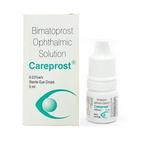
These drops gained immense popularity, demonstrating an incredibly fast and always noticeable result since its application. This innovative means will allow you to give your eyelashes an ideal look, strength and health, in whatever serious condition they are before the moment of its application. It is safe and effective providing amazing results.
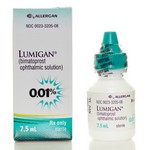
This means is prescribed to reduce eye pressure. Its active ingredient is synthetic prostaglandin bimatoprost – an unsaturated fatty acid, similar in its properties to hormones. Getting into the eye, drops help maintain the balance of the flow and outflow of eye fluid. It is a violation of this balance that leads to an increase in pressure, due to which the blood supply to the eye is impaired and the load on the optic nerve increases.

Bimatoprost reduces IOP in humans by increasing the outflow of aqueous humor through the trabecular meshwork and uveoscleral outflow. IOP reduction begins about 4 hours after the first use. The maximum effect is achieved after about 8–12 hours. The effect lasts for at least 24 hours.
The limitations of eye drops in achieving long-term whiteness
While eye drops can offer a temporary improvement in the whiteness of the eyes, it is important to recognize their limitations in achieving long-term results. Eye drops, particularly those containing vasoconstrictors, can provide a quick fix by reducing redness and making the eyes appear whiter. However, they do not address the underlying causes of redness and are not a permanent solution.
Eye drops that contain vasoconstrictors work by constricting the blood vessels in the eye, which reduces redness and creates a whitening effect. This temporary improvement in eye appearance can be beneficial for individuals who are seeking a quick fix for red eyes, such as before an important event or presentation.
However, it’s important to note that the use of eye drops containing vasoconstrictors should be done with caution. Prolonged or excessive use of these drops can lead to rebound redness, where the blood vessels in the eyes become even more dilated and result in worsening redness. Some individuals may also become dependent on the eye drops, relying on them for whiter eyes and experiencing redness if they stop using them.
In addition to these potential risks, eye drops can also have other side effects. They may cause dryness, irritation, or blurred vision in some individuals. It’s important to carefully read the instructions and warnings provided with the eye drops, and to consult with an eye care professional if you have any concerns or experience any adverse effects.
Furthermore, while eye drops may temporarily improve the whiteness of the eyes, they do not address the root cause of redness. Redness in the eyes can be caused by various factors, such as allergies, eye infections, dryness, or eye strain. Treating the underlying issues, whether through medication, lifestyle changes, or proper eye hygiene, is necessary for long-term improvement in eye whiteness.
It is important to consider alternative options for improving eye whiteness and overall eye health. Lifestyle changes, such as getting enough sleep, managing stress, and avoiding excessive eye strain, can help reduce redness and improve the appearance of the eyes. Additionally, using preservative-free lubricating drops or artificial tears can provide relief from dryness and refresh the eyes without the potential risks associated with vasoconstrictor-containing drops.
Ultimately, prioritizing overall eye health and seeking guidance from an eye care professional is crucial in maintaining the whiteness and health of the eyes. Regular eye exams, proper contact lens use, and avoiding rubbing the eyes are essential practices for promoting eye health and reducing redness. By addressing the root causes of redness and maintaining good eye hygiene, individuals can achieve long-term improvement in the whiteness of their eyes.
Alternative Options for Improving Eye Whiteness
When it comes to improving eye whiteness, there are alternative options that you can consider. These options may not provide the immediate whitening effect that eye drops offer, but they can contribute to long-term improvements in the appearance of your eyes.
Lifestyle Changes
One of the first things you can do is make certain lifestyle changes that can help reduce redness and improve the overall appearance of your eyes. For instance, getting enough sleep is crucial for maintaining healthy and bright eyes. Lack of sleep can lead to bloodshot eyes and make the whites of your eyes appear dull or yellowish. Stress can also have a negative impact on eye appearance. Implementing stress management techniques, such as exercise, meditation, or deep breathing exercises, can help reduce eye redness and improve the overall health of your eyes.
Another lifestyle change you can make is to avoid eye strain. Prolonged exposure to digital screens, reading in dim light, or not taking regular breaks from visually intensive tasks can cause eye strain and redness. By taking breaks when needed, adjusting screen brightness, and using proper lighting, you can reduce eye strain and promote whiter and healthier-looking eyes.
Preservative-Free Lubricating Drops or Artificial Tears
If you are looking for a safe and gentle way to refresh your eyes and relieve dryness without the potential risks associated with vasoconstrictor-containing eye drops, you can try using preservative-free lubricating drops or artificial tears. These eye drops can provide temporary relief from dryness and irritation, which can contribute to a brighter appearance of the eyes.
Preservative-free options are recommended to avoid any potential adverse effects that certain preservatives may have on the eyes. These drops can be used as needed throughout the day to maintain eye comfort and hydration. They work by providing a moisture layer to the eyes, reducing dryness, and making the whites of your eyes appear brighter and clearer.
The Role of Proper Eye Care in Maintaining Eye Health and Appearance
While lifestyle changes and the use of gentle lubricating drops can contribute to improved eye appearance, it is essential to prioritize overall eye health. This involves proper eye care practices and seeking guidance from an eye care professional.
Regular eye exams are crucial for detecting any underlying eye conditions that may cause redness or other symptoms. Your eye care professional can provide a comprehensive assessment of your eye health and recommend appropriate treatments or interventions to address any issues that may be affecting the whiteness of your eyes.
Proper contact lens use is also important if you wear contacts. Following the recommended cleaning and wearing schedule provided by your eye care professional will help prevent infections or irritations that could lead to redness or other eye problems.
Avoiding rubbing the eyes is another vital aspect of good eye hygiene. Rubbing the eyes can introduce bacteria or irritants, leading to redness or even infections. If your eyes feel itchy or irritated, using a clean, damp cloth or a cool compress to gently soothe them is a better option than rubbing.
By maintaining good eye health, you can indirectly contribute to the whiteness of your eyes. Addressing any underlying issues or conditions, practicing regular eye care, and adopting healthy habits can have a positive impact on the appearance of your eyes.
The role of proper eye care in maintaining eye health and appearance
Proper eye care is essential for maintaining both the health and appearance of the eyes. By adopting healthy eye care practices, individuals can help prevent or manage conditions that may cause redness and ultimately contribute to the overall whiteness of the eyes. Here are some key factors to consider:
Regular eye exams
Regular eye exams are crucial for monitoring eye health and catching any potential issues early on. Eye care professionals can perform comprehensive exams to identify any underlying conditions that may cause redness, suchas allergies, dry eye syndrome, or infections. By detecting and treating these conditions promptly, individuals can help maintain the whiteness of their eyes.
Proper contact lens use
For those who wear contact lenses, proper use and hygiene are paramount. Contact lens wearers should follow the guidelines provided by their eye care professional, including washing hands before handling lenses, adhering to the recommended cleaning and storage methods, and replacing lenses as directed. Neglecting proper contact lens care can increase the risk of infections and redness, affecting the appearance of the eyes.
Avoiding eye rubbing
While it may be a natural instinct, rubbing the eyes can contribute to redness and irritation. The friction caused by rubbing can lead to blood vessels in the eyes dilating and becoming more noticeable. To minimize redness, individuals should avoid rubbing their eyes and instead use a clean tissue or specially designed eye drops for relief.
Managing eye strain and avoiding dryness
Eyestrain and dryness can impact the appearance of the eyes, making them appear red and tired. To reduce these issues, individuals should practice good eye habits, such as taking regular breaks from screens, ensuring proper lighting, and using artificial tears or lubricating drops to relieve dryness. These measures can help refresh the eyes and maintain their whiteness.
According to a survey conducted by the American Optometric Association, it was found that 76% of survey participants who reported practicing good eye care habits had whiter and healthier-looking eyes compared to those who did not prioritize eye health.
Remember, maintaining good eye health goes beyond improving the appearance of the eyes. It plays a vital role in preventing and managing various eye conditions and ensuring optimal vision. Individuals should always consult with their eye care professional for personalized advice and guidance on maintaining the health and appearance of their eyes.
The role of eye drops in improving eye whiteness
When it comes to improving the whiteness of the eyes, eye drops are often seen as a popular solution. However, it’s important to understand the limitations and potential risks associated with their use. Let’s take a closer look at the role of eye drops in improving eye whiteness.
Eye drops containing vasoconstrictors, a common ingredient in many whitening eye drops, are often used to temporarily reduce redness and create a whitening effect. These vasoconstrictors work by constricting the blood vessels in the eyes, reducing the appearance of redness and making the eyes appear whiter.
It’s important to note that the whitening effect achieved through the use of these eye drops is only temporary. The underlying issues causing redness, such as allergies or eye infections, are not addressed by eye drops. Therefore, while eye drops may provide a temporary improvement in eye whiteness, they do not provide a long-term solution.
Additionally, there are potential risks and side effects associated with the use of certain eye drops. Prolonged use of vasoconstrictor-containing eye drops can lead to rebound redness, where the eyes become even redder after discontinuing use. Dependence on eye drops can also develop, as the eyes may become reliant on them to maintain their white appearance.
Other potential side effects of eye drops may include dryness, irritation, or blurred vision. It is important to carefully read and follow the instructions provided with any eye drops and consult with an eye care professional if you experience any side effects or have concerns.
When seeking a long-term solution for improving eye whiteness, it is important to address the underlying causes of redness. This may involve seeking medication for allergies or infections, making lifestyle changes such as getting enough sleep and managing stress, or practicing proper eye hygiene.
Alternative options for improving eye appearance and reducing redness include the use of preservative-free lubricating drops or artificial tears. These drops can help relieve dryness and refresh the eyes without the potential risks associated with vasoconstrictor-containing eye drops.
Maintaining good overall eye health is essential for improving eye whiteness. This includes regular eye exams, proper contact lens use, and avoiding rubbing the eyes. By promoting overall eye health, the whiteness of the eyes can be indirectly improved by preventing or managing conditions that may cause redness.
In conclusion, while eye drops may provide a temporary improvement in eye whiteness, they do come with potential risks and limitations. It is important to prioritize overall eye health and seek guidance from an eye care professional to determine the best course of action for improving eye appearance and addressing underlying causes of redness.