Types of Eye Drops for Pink Eye
When it comes to treating pink eye, also known as conjunctivitis, using the right type of eye drops can help alleviate symptoms and promote healing. There are a few different types of eye drops that are commonly used to treat pink eye:
Lubricating and Rewetting Eye Drops
Lubricating and rewetting eye drops can be used to relieve dryness and discomfort associated with pink eye. These drops help to moisturize the eyes and provide temporary relief from symptoms such as itching and irritation. They can also help to flush out any irritants or allergens that may be causing the pink eye.
Torbex Eye Drops
Torbex eye drops are specifically formulated to relieve symptoms of pink eye, including redness, irritation, and itching. They contain active ingredients that help to reduce inflammation and soothe the eyes. Torbex eye drops are available over-the-counter and can be easily found at most pharmacies or drug stores.
When choosing eye drops for pink eye, it’s important to consult with an eye care professional to determine the best option for your specific condition. They can provide guidance on which type of eye drops would be most effective and can recommend any specific brands or formulations.
It is important to read the labels and follow the instructions for proper use and dosage of eye drops. This ensures that you are using the eye drops correctly and getting the maximum benefit from them. Using eye drops improperly can result in less effective treatment and potentially worsen symptoms.
References:
- American Academy of Ophthalmology – Can I Use Visine for Pink Eye?
- Mayo Clinic – Pink Eye (Conjunctivitis)
How to Choose the Right Eye Drops for Pink Eye
When it comes to selecting the right eye drops for pink eye or conjunctivitis, there are a few important factors to consider. Consulting with an eye care professional is always recommended, as they can provide specific guidance based on the severity and cause of the condition. Here are some tips to keep in mind:
1. Consult with an eye care professional
An eye care professional, such as an optometrist or ophthalmologist, is the best person to help determine the most suitable eye drops for your specific condition. They can assess the severity of your pink eye and recommend the appropriate treatment options.
2. Look for eye drops specifically labeled for pink eye or conjunctivitis
When shopping for eye drops, it is important to choose ones that are specifically labeled for pink eye or conjunctivitis. These eye drops are formulated to target the symptoms associated with pink eye, such as redness, itching, and irritation.
3. Read labels and follow instructions
Before using any eye drops, it is crucial to carefully read the labels and follow the instructions for proper use and dosage. This will ensure that you are using the eye drops correctly and maximizing their effectiveness.
4. Consider the active ingredients
Different eye drops may contain different active ingredients, such as antihistamines, vasoconstrictors, or lubricants. Depending on the underlying cause of your pink eye, your eye care professional can recommend the most appropriate type of eye drops for you.
5. Take note of any allergies or sensitivities
If you have any known allergies or sensitivities to certain ingredients, it is important to check the list of ingredients in the eye drops before using them. Avoid using eye drops that contain any ingredients that you are allergic to or have had adverse reactions to in the past.
By following these tips and consulting with an eye care professional, you can ensure that you are choosing the right eye drops for your pink eye and effectively alleviate its symptoms.
Proper Application of Eye Drops for Pink Eye
When it comes to treating pink eye, proper application of eye drops is crucial for effective relief. Here are some steps to follow when applying eye drops:
1. Wash your hands thoroughly: Before applying eye drops, it is important to wash your hands thoroughly to prevent the spread of infection. Use soap and warm water, and dry your hands with a clean towel.
2. Tilt your head back: Tilt your head back slightly and look up towards the ceiling. This position will allow for easier access to your eye.
3. Create a small pocket: Gently pull down your lower eyelid to create a small pocket. This pocket will hold the eye drops and prevent them from immediately running out of your eye.
4. Administer the eye drops: Squeeze the prescribed amount of eye drops into the pocket formed by the lower eyelid. Be sure to follow the specific instructions provided by your healthcare professional.
5. Close your eyes and blink: Close your eyes gently and blink a few times to distribute the drops evenly across the surface of your eye. This will help ensure that the medication reaches all areas that may be affected by the pink eye.
Proper application of eye drops is essential to maximize their effectiveness. It is important to note that these steps are general guidelines and you should always follow the specific instructions provided by your healthcare professional or the product packaging.
Additionally, it is important to avoid touching the tip of the eye drop bottle to any surface, as this can introduce bacteria to the solution. If you are using multiple types of eye drops, wait at least five minutes between applications to allow each drop to absorb properly.
By following these steps, you can effectively administer eye drops for pink eye and help alleviate the symptoms associated with conjunctivitis.
Sources:
– Mayo Clinic – Proper Use of Ophthalmic Route
– American Academy of Ophthalmology – How to Put in Eye Drops

Bimat eye drops are used to treat hypotrichosis, short, weak eyelashes. Bimat increases the length, thickness and enhances the color of eyelashes. These substances are also used to lower intraocular pressure in patients with a diagnosis of glaucoma. By reducing the pressure, the risk of blindness is significantly decreased.
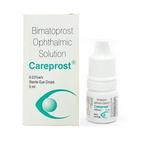
These drops gained immense popularity, demonstrating an incredibly fast and always noticeable result since its application. This innovative means will allow you to give your eyelashes an ideal look, strength and health, in whatever serious condition they are before the moment of its application. It is safe and effective providing amazing results.
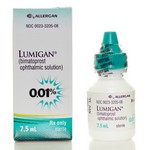
This means is prescribed to reduce eye pressure. Its active ingredient is synthetic prostaglandin bimatoprost – an unsaturated fatty acid, similar in its properties to hormones. Getting into the eye, drops help maintain the balance of the flow and outflow of eye fluid. It is a violation of this balance that leads to an increase in pressure, due to which the blood supply to the eye is impaired and the load on the optic nerve increases.

Bimatoprost reduces IOP in humans by increasing the outflow of aqueous humor through the trabecular meshwork and uveoscleral outflow. IOP reduction begins about 4 hours after the first use. The maximum effect is achieved after about 8–12 hours. The effect lasts for at least 24 hours.
Using Expired Pink Eye Drops: What You Need to Know
When it comes to treating pink eye, using the right eye drops is essential for relieving symptoms and promoting healing. However, it’s important to note that eye drops should not be used past their expiration date. In this article, we will explore why using expired pink eye drops can be risky and potentially lead to further complications.
Why You Shouldn’t Use Expired Eye Drops
Eye drops contain active ingredients that help alleviate symptoms of pink eye, such as redness, irritation, and itching. Over time, these active ingredients can degrade, making the eye drops less effective or even potentially harmful.
When eye drops expire, the chemical composition can change, which may reduce their effectiveness in treating pink eye. Using expired eye drops may not provide the relief you need and could prolong your symptoms.
Additionally, expired eye drops can potentially introduce bacteria or irritants to the eye. This can lead to further complications, such as an eye infection or allergic reaction. It’s important to prioritize your eye health and only use eye drops that are within their expiration date.
How to Check Expiration Dates
Checking the expiration date of your eye drops is simple and can help ensure their effectiveness. Most eye drop bottles have the expiration date printed on the label or the bottom of the bottle.
Take a moment to carefully check the expiration date before using any eye drops, including those specifically formulated for pink eye. If the eye drops are expired, it is best to dispose of them properly and obtain a new, unexpired bottle.
Proper Storage of Eye Drops
In order to maintain the effectiveness of your eye drops, it is important to store them properly. Eye drops should be stored in a cool, dry place, away from direct sunlight and extreme temperatures.
Avoid touching the tip of the eye drop bottle to any surface, as this can introduce bacteria to the solution. It is also important to keep the bottle tightly closed when not in use to prevent contamination.
When to Seek Medical Attention
While using eye drops is often an effective way to alleviate pink eye symptoms, sometimes further medical attention may be necessary. If your symptoms worsen or do not improve within a few days of using eye drops, it is recommended to seek medical attention.
Severe redness, pain, or vision changes should be addressed by an eye care professional, as they may indicate a more serious underlying condition. Your eye care professional will be able to provide a comprehensive evaluation and appropriate treatment.
Remember, using expired eye drops can potentially compromise your eye health and lead to further complications. Always check the expiration date of your eye drops and follow proper storage and handling procedures to ensure their effectiveness.
Storage and Handling of Eye Drops
Proper storage and handling of eye drops are essential for maintaining their effectiveness and preventing contamination.
1. Storage
Eye drops should be stored in a cool, dry place away from direct sunlight. Exposure to heat or extreme temperatures can cause the active ingredients to degrade and lose effectiveness. It is recommended to keep them in a medicine cabinet or a drawer.
2. Avoid Contamination
To prevent contamination of eye drops:
- Always wash your hands thoroughly with soap and water before handling the eye drops. This helps to remove any dirt or bacteria from your hands that could potentially get into the solution.
- Avoid touching the tip of the eye drop bottle to any surface, including your eyes or eyelashes. Touching the tip can introduce bacteria into the solution, increasing the risk of infection.
- Make sure the bottle cap is tightly closed after each use to prevent the eye drops from evaporating or getting exposed to air and contaminants.
- If using multiple types of eye drops, wait at least five minutes between applications. This allows each drop to be absorbed properly and reduces the risk of interaction between different solutions.
3. Follow Instructions
It is important to carefully read and follow the instructions provided with the eye drops. These instructions may include specific directions on how frequently you should use the drops, the appropriate dosage, and any additional precautions or warnings.
4. Potential Risks of Mishandling
Mishandling eye drops can lead to various risks and complications, including:
- Contamination: If the eye drop bottle or the solution inside becomes contaminated, it can potentially introduce bacteria or other irritants into the eye, causing further complications.
- Ineffective Treatment: Using expired eye drops can reduce the effectiveness of the active ingredients, making the treatment less effective in relieving pink eye symptoms.
- Allergic Reactions: Some people may be allergic to the ingredients in certain eye drops. If you experience any signs of an allergic reaction after using eye drops, such as itching, swelling, or difficulty breathing, seek medical attention immediately.
It is important to consult with an eye care professional if you have any questions or concerns about the storage or handling of your eye drops. They can provide you with personalized advice and guidance based on your specific condition and needs.
For more information on eye drop storage and handling, you can refer to reputable sources such as the American Academy of Ophthalmology or the Mayo Clinic.
Everyday Eye Drops for Prevention of Pink Eye
One of the best ways to prevent pink eye is to maintain good eye health and avoid dryness and irritation. Everyday eye drops, such as artificial tears, can be an effective preventive measure against pink eye. These drops provide moisturizing and lubricating properties that help keep the eyes hydrated and reduce the risk of developing pink eye.
Artificial tears are specifically designed to mimic the natural tear film that protects and lubricates the surface of the eye. They can help alleviate symptoms of dryness, itching, and irritation, which are common precursors to pink eye.
Regular use of eye drops can help maintain the moisture balance of the eyes, preventing them from becoming dry and susceptible to infection. By keeping the eyes well-hydrated, the risk of developing pink eye caused by dryness or irritation is significantly reduced.
Using Everyday Eye Drops
Using everyday eye drops is a simple and straightforward process. Follow these steps for proper application:
- Wash your hands thoroughly before handling the eye drops to prevent the introduction of bacteria to the eyes.
- Tilt your head back slightly and look up.
- Gently pull down your lower eyelid to create a small pocket.
- Squeeze the recommended amount of eye drops into the pocket formed by the lower eyelid.
- Close your eyes gently and blink a few times to distribute the drops evenly across the surface of the eye.
It is important to read the instructions on the eye drop bottle and follow the recommended dosage. Generally, a drop or two in each eye a few times a day is sufficient for preventive use.
Benefits of Everyday Eye Drops
Regular use of artificial tears can provide a variety of benefits for eye health:
- Moisturizing: Artificial tears provide the necessary moisture to keep the eyes well-lubricated and prevent dryness.
- Relief: Eye drops can alleviate symptoms of irritation, itching, and redness, reducing the discomfort associated with pink eye.
- Protection: Eye drops create a protective barrier on the surface of the eye, guarding against irritants and allergens that can cause pink eye.
- Prevention: By maintaining good eye health through regular use of eye drops, the risk of developing pink eye is significantly reduced.
Using everyday eye drops can help promote overall eye health and prevent the occurrence of pink eye. It is important to consult with an eye care professional to determine the best type of eye drops for your specific needs. They can provide personalized recommendations based on your eye health and any underlying conditions you may have.
For more information on eye drops and their benefits, you can visit reputable sources such as the American Academy of Ophthalmology (https://www.aao.org/) or the National Eye Institute (https://www.nei.nih.gov/).
When to Seek Medical Attention for Pink Eye
If you are experiencing pink eye symptoms and have been using over-the-counter eye drops, it is important to know when it is necessary to seek medical attention. While most cases of pink eye can be effectively treated with over-the-counter remedies, there are certain situations where professional medical advice and treatment may be needed. Here are some signs that indicate it’s time to consult an eye care professional:
1. Symptoms Worsen or Do Not Improve: If your symptoms are not improving or have worsened after a few days of using eye drops, it is important to see a doctor. This is especially true if you are experiencing severe redness, pain, or vision changes. These symptoms could indicate a more serious underlying condition that requires medical intervention.
2. High Fever: If you develop a high fever along with your pink eye symptoms, it could be a sign of a more severe infection. In some cases, pink eye may be caused by a bacterial infection, and a fever can be an indicator of such an infection. This warrants a visit to a healthcare professional in order to receive appropriate treatment.
3. Persistent Discharge: If you have been using eye drops and your eyes continue to produce a thick, yellow or green discharge, it may indicate a bacterial infection. Bacterial conjunctivitis can be more severe and may require prescription antibiotic eye drops to clear the infection. See a doctor if you are experiencing this symptom.
4. Contact Lens Wearers: If you wear contact lenses and develop symptoms of pink eye, it is recommended to see an eye care professional. Contact lens wearers are at a higher risk for developing complications from pink eye, such as corneal ulcers. An eye care professional can assess the situation and provide appropriate treatment to prevent further complications.
5. Eye Pain or Redness Spreading to the Eyelids: If you experience severe eye pain or notice that the pink eye symptoms are spreading to your eyelids, it is important to seek medical attention. These symptoms could indicate a more serious infection or condition that requires prompt medical evaluation and treatment.
6. Recent Eye Injury or Eye Surgery: If you have recently had an eye injury or eye surgery and develop pink eye symptoms, it is essential to consult with an eye care professional. In these cases, there may be an increased risk of complications or the need for specialized treatment.
Remember, while over-the-counter eye drops can provide relief for pink eye symptoms, it is always important to consult with a healthcare professional if your symptoms persist, worsen, or if you have any concerns about your condition. Seeking timely medical advice can help ensure proper diagnosis and treatment, preventing further complications and promoting faster recovery.