Reasons why pink eye may not go away with eye drops
When it comes to treating pink eye, also known as conjunctivitis, eye drops are often the go-to solution. However, there are certain reasons why pink eye may not go away with eye drops alone. Here are some possible explanations:
- Underlying causes: Eye drops may not be effective in treating certain underlying causes of pink eye, such as viral or allergic conjunctivitis. These types of pink eye are not caused by bacteria, so antibiotic eye drops would be ineffective. Instead, viral conjunctivitis tends to resolve on its own within a week or two, while allergic conjunctivitis can be managed with antihistamine eye drops or oral medications.
- Expired or low-quality eye drops: Using expired or low-quality eye drops can result in ineffective treatment. It’s important to check the expiration date on the eye drop packaging and ensure that the product is of high quality. Using expired or low-quality eye drops may not provide the necessary active ingredients to effectively treat the pink eye.
- Inappropriate application: Improper application of eye drops can affect their effectiveness. This includes using the wrong dosage or frequency. It’s important to follow the instructions provided by the eye care professional or the packaging of the eye drops. Applying too little or too much, or not using them frequently enough, may hinder their ability to treat pink eye effectively.
- Developed resistance: Eye drops may not work if the individual has developed resistance to the active ingredients in the drops. This could be a result of repeated use of the same eye drop formulation over time, leading to decreased effectiveness. In such cases, an eye care professional may need to prescribe an alternate treatment option.
It’s important to consult an eye care professional for a proper diagnosis to determine the cause of pink eye and identify the most appropriate treatment. They can conduct a thorough examination to determine the underlying cause and recommend a specific type of eye drops or prescribe medications if necessary.
For more information on the different types of pink eye and their treatment options, you can refer to reputable sources such as the Centers for Disease Control and Prevention (CDC) or the American Academy of Ophthalmology.
Understanding the Different Types of Pink Eye and Their Treatment Options
Pink eye, also known as conjunctivitis, is a common eye condition that can be caused by various factors such as viruses, bacteria, allergies, or irritants. The type of pink eye a person has will determine the appropriate treatment option.
Viral Conjunctivitis
Viruses are the most common cause of pink eye, accounting for about 80% of cases. Viral conjunctivitis is highly contagious and can spread easily from person to person.
The symptoms of viral conjunctivitis include redness, watery discharge, and itching of the eyes. It typically starts in one eye and can spread to the other eye within a few days. This type of pink eye usually resolves on its own within one to two weeks without specific treatment.
Bacterial Conjunctivitis
Bacterial conjunctivitis is caused by bacteria and can result in more severe symptoms compared to viral conjunctivitis. It is often characterized by a thick, yellowish discharge, along with redness and swelling of the eyes.
Antibiotic eye drops or ointments are typically prescribed to treat bacterial conjunctivitis. These medications help kill the bacteria causing the infection and alleviate the symptoms. It is important to complete the full course of antibiotics as prescribed by the healthcare provider to ensure the infection is completely eradicated.
Allergic Conjunctivitis
Allergic conjunctivitis is caused by an allergic reaction to substances such as pollen, dust mites, or pet dander. It can occur seasonally or throughout the year, depending on the person’s specific allergies.
The symptoms of allergic conjunctivitis include itching, redness, and watery discharge. Antihistamine eye drops or oral medications may be recommended to help relieve the symptoms and minimize the allergic response. Avoiding exposure to the allergens can also help reduce the occurrence of allergic conjunctivitis.
Irritant Conjunctivitis
Irritant conjunctivitis can occur when the eyes come into contact with irritating substances such as chemicals, smoke, or foreign objects. This type of pink eye is not caused by an infection but rather by direct irritation of the conjunctiva.
The symptoms of irritant conjunctivitis can include redness, tearing, and a gritty sensation in the eyes. Flushing the eyes with water or using preservative-free lubricating eye drops can help alleviate the discomfort and remove any irritants present.
It is essential to consult an eye care professional to accurately diagnose the type of pink eye and determine the most appropriate treatment option. They can conduct a thorough examination to rule out any underlying causes or complications. Following their advice and using the prescribed eye drops or medications correctly can help alleviate the symptoms of pink eye and promote faster healing.
Consulting an Eye Care Professional for Proper Diagnosis and Treatment
When dealing with pink eye that does not respond to eye drops, it is essential to consult an eye care professional. They have the knowledge and expertise to properly diagnose the underlying cause of the pink eye and recommend the most appropriate treatment.
During the consultation, the eye care professional will conduct a thorough examination of the eyes to determine the cause of the pink eye. They may ask about your symptoms, any recent exposure to irritants or allergens, and your medical history.
The eye care professional may also perform tests, such as taking a swab of the conjunctiva to determine if bacteria are present or performing an allergy test to identify any allergens that may be causing the pink eye symptoms.
Based on the diagnosis, the eye care professional will recommend a specific course of action. This may include prescribing a certain type of eye drops or other medication that is more effective against the underlying cause of the pink eye.
It is important to follow the eye care professional’s instructions regarding the use of eye drops or any other medications. They will provide guidance on the proper dosage, frequency, and duration of treatment.
If the pink eye symptoms do not improve or worsen after following the recommended treatment, it is crucial to seek further medical attention. The eye care professional may need to reassess the situation and adjust the treatment plan accordingly.
By consulting an eye care professional, individuals can ensure that they receive the appropriate diagnosis and treatment for pink eye, increasing the chances of a faster recovery and preventing any potential complications.

Bimat eye drops are used to treat hypotrichosis, short, weak eyelashes. Bimat increases the length, thickness and enhances the color of eyelashes. These substances are also used to lower intraocular pressure in patients with a diagnosis of glaucoma. By reducing the pressure, the risk of blindness is significantly decreased.
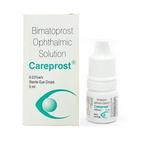
These drops gained immense popularity, demonstrating an incredibly fast and always noticeable result since its application. This innovative means will allow you to give your eyelashes an ideal look, strength and health, in whatever serious condition they are before the moment of its application. It is safe and effective providing amazing results.
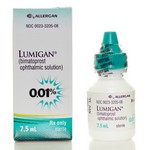
This means is prescribed to reduce eye pressure. Its active ingredient is synthetic prostaglandin bimatoprost – an unsaturated fatty acid, similar in its properties to hormones. Getting into the eye, drops help maintain the balance of the flow and outflow of eye fluid. It is a violation of this balance that leads to an increase in pressure, due to which the blood supply to the eye is impaired and the load on the optic nerve increases.

Bimatoprost reduces IOP in humans by increasing the outflow of aqueous humor through the trabecular meshwork and uveoscleral outflow. IOP reduction begins about 4 hours after the first use. The maximum effect is achieved after about 8–12 hours. The effect lasts for at least 24 hours.
Soothing Pink Eye Symptoms: Alternative Treatment Options
If you’re dealing with pink eye, also known as conjunctivitis, and finding that eye drops aren’t providing the relief you’re looking for, there are alternative treatment options that may help alleviate symptoms and promote faster healing. Here are some methods you can try:
1. Warm Compresses
Applying warm compresses to your eyes can help soothe the irritation and reduce inflammation associated with pink eye. Simply soak a clean, soft cloth in warm water, wring out the excess moisture, and gently place it on your closed eyelids. Leave it on for a few minutes, then remove and repeat as needed.
2. Practicing Good Hygiene
Good hygiene practices can help prevent further irritation and spread of pink eye. Make sure to:
- Wash your hands frequently with soap and water, especially before and after touching your eyes.
- Avoid touching or rubbing your eyes, as this can introduce more irritants and prolong the healing process.
3. Artificial Tears or Natural Tears Eye Drops
If your pink eye is causing dryness and discomfort, using artificial tears or natural tears eye drops can provide relief and lubrication. These drops can help soothe the eyes and reduce the feeling of dryness or grittiness. Look for preservative-free options for optimal comfort.
It’s important to note that while these alternative treatments can help relieve symptoms, they may not target the underlying cause of your pink eye. Consulting an eye care professional is still essential for proper diagnosis and treatment.
According to a survey conducted by the American Optometric Association, 82% of optometrists recommend warm compresses as a home remedy for pink eye, while 63% suggest using artificial tears as a form of relief.
| Home Remedy | Percentage of Optometrists |
|---|---|
| Warm Compresses | 82% |
| Artificial Tears | 63% |
| Preservative-Free Lubricating Eye Drops | 42% |
| Antihistamine Eye Drops | 35% |
Remember, if your pink eye symptoms persist or worsen despite using alternative treatments, it is important to seek further medical attention. Severe symptoms, such as severe eye pain, vision changes, or significant swelling, may indicate a more serious condition and should be evaluated by an eye care professional.
Sources:
- American Optometric Association. Pink Eye (Conjunctivitis). Retrieved from https://www.aoa.org/patients-and-public/eye-and-vision-problems/glossary-of-eye-and-vision-conditions/conjunctivitis
The Cost Considerations for Eye Drops
When it comes to treating pink eye, eye drops are often the go-to solution. However, it’s important to consider the cost of these eye drops, as it can vary depending on various factors. Here are some key points to keep in mind:
- Brand, Type, and Size: The cost of eye drops can vary based on the brand, type, and size of the product. Different brands may have different pricing structures, and certain types of eye drops, such as prescription ones, may be more expensive than over-the-counter options. Additionally, larger-sized bottles or packs of eye drops may be more cost-effective in the long run.
- Prescription Coverage: Some insurance plans may cover certain eye drops, reducing the out-of-pocket cost for individuals. It’s important to check with your insurance provider to see if the specific eye drops you need are covered and what your copay or deductible may be.
Overall, the cost of eye drops can range from a few dollars to over $100, depending on the factors mentioned above. It’s always a good idea to compare prices from different retailers and pharmacies to find the best deal.
Additionally, it’s worth noting that while cost is an important consideration, it shouldn’t be the sole determining factor in choosing eye drops. It’s crucial to consult with an eye care professional to ensure that the eye drops you choose are suitable for your condition and provide the necessary treatment.
Understanding the Drug Schedule for Eye Drops
When using eye drops, it is important to understand the drug schedule associated with them, as it can help ensure safe and appropriate use. Some eye drops contain medications that are classified under specific drug schedules, which means they have restrictions on their sale, distribution, and use. These regulations are in place to protect the public and prevent misuse or abuse of certain medications.
Drug Schedule Classification
The drug schedule classification system categorizes medications based on their potential for abuse and dependency. It is used by regulatory bodies such as the U.S. Drug Enforcement Administration (DEA) to regulate the manufacturing, distribution, and use of controlled substances. Eye drops that contain medications classified under certain schedules may have additional requirements for purchase and use.
The drug schedules range from Schedule I to Schedule V, with Schedule I drugs considered to have the highest potential for abuse and Schedule V drugs having the lowest potential for abuse.
Examples of Eye Drops and Drug Schedules
| Eye Drop | Drug Schedule |
|---|---|
| Brimonidine (Alphagan P) | Schedule II |
| Apraclonidine (Iopidine) | Schedule IV |
| Prednisolone (Pred Forte) | Not Scheduled |
Note: The above examples are for illustrative purposes only and may not reflect the current drug schedules. It is essential to consult reliable sources, such as the DEA or the FDA, for up-to-date information on specific medication classifications.
Impact on Sale and Distribution
Drugs classified under certain schedules may have strict regulations regarding their sale and distribution. For example, Schedule II drugs, like brimonidine (Alphagan P), typically require a prescription and cannot be purchased over-the-counter. These medications may only be dispensed by a licensed healthcare professional.
On the other hand, some eye drops containing medications classified under less restrictive schedules may be available for purchase without a prescription. For instance, apraclonidine (Iopidine) is classified as a Schedule IV drug and can be obtained from a pharmacy without a prescription in some cases.
Safe and Appropriate Use
Understanding the drug schedule for eye drops is crucial for using them safely and appropriately. It is important to follow the instructions provided by healthcare professionals and adhere to any legal requirements associated with the specific medication.
If a particular medication requires a prescription, individuals should consult their healthcare provider to obtain one and ensure proper dosing and usage. They should also be aware of any potential side effects or interactions with other medications.
Abiding by the drug schedule guidelines helps prevent misuse, reduce the risk of adverse effects, and ensures that eye drops are used in a manner consistent with their intended purpose.
Additional Resources
For more information on drug schedules and the specific classification of medications, individuals can refer to reputable sources such as:
It is always recommended to consult trusted healthcare professionals and reliable sources for accurate and up-to-date information about medications and their classifications.
When to Seek Further Medical Attention for Pink Eye
If you are experiencing pink eye symptoms and have been using eye drops as directed without any improvement, it is important to seek further medical attention. There are several situations in which it is recommended to consult an eye care professional:
- Persistent or worsening symptoms: If your symptoms continue to persist or worsen despite using eye drops, it may indicate that the underlying cause of your pink eye requires additional treatment. An eye care professional can evaluate your condition and provide appropriate recommendations.
- Severe symptoms: If you are experiencing severe eye pain, significant swelling, or vision changes, it is crucial to seek immediate medical attention. These symptoms may be indicative of a more serious condition that requires prompt evaluation and treatment.
- Complications: In some cases, pink eye can lead to complications if left untreated or improperly managed. These complications can include corneal ulcers, inflammation of other parts of the eye, or chronic conjunctivitis. Seeking medical attention can help prevent these complications and ensure appropriate treatment.
It is important to note that seeking medical attention does not necessarily mean that you will need to stop using eye drops. In fact, an eye care professional may prescribe a different type of eye drop or recommend additional medications to address the specific underlying cause of your pink eye.
When seeking further medical attention, it is advisable to schedule an appointment with an eye care professional, such as an ophthalmologist or optometrist. They will conduct a thorough examination of your eyes, including checking your vision and evaluating the symptoms. Based on their assessment, they can provide a diagnosis and recommend the most suitable treatment options for your pink eye.
If you are unsure of where to find a reputable eye care professional, you can use online directories or ask for recommendations from your primary care physician or trusted friends and family members. It is important to choose a trusted professional who has experience in diagnosing and treating eye conditions.
Remember, prompt medical attention for pink eye can help alleviate symptoms, prevent complications, and ensure effective treatment. If you are experiencing persistent or severe symptoms, do not hesitate to seek further medical care.