Why Pay Attention to Expiration Dates on Eye Drops?
Expiration dates on eye drops are not just a suggestion, they are crucial for ensuring the effectiveness and safety of the medication. Here’s why it’s important to pay attention to expiration dates:
- Expiration dates ensure effectiveness:
Eye drops contain active ingredients that can degrade over time. These active ingredients are responsible for the therapeutic effects of the eye drops. If you use eye drops that have expired, there is a risk that the active ingredients have degraded, resulting in reduced effectiveness. To ensure maximum effectiveness, always check the expiration date before using any eye drops.
According to a study published in the International Journal of Pharmaceutics, researchers evaluated the degradation of a popular eye drop solution containing the active ingredient ofloxacin. They found that the concentration of the active ingredient decreased significantly after the expiration date, indicating a loss of potency.
Using expired eye drops can be especially problematic for individuals who rely on them for managing specific eye conditions, such as glaucoma or dry eye syndrome. For these individuals, the therapeutic effect of the medication is crucial for maintaining their eye health.
To ensure you are getting the full benefit of the medication, it’s recommended to use eye drops within their expiration date.
“Using expired eye drops can result in reduced effectiveness due to the degradation of active ingredients. Always check the expiration date before using any eye drops.”
Why do eye drops expire after opening?
Eye drops expire after opening due to two main factors: oxidation and the risk of bacterial contamination. These factors can affect the effectiveness and safety of the eye drops. Let’s explore each of these factors in more detail:
Oxidation can occur:
Many eye drops contain preservatives to prevent bacterial growth and prolong the shelf life of the product. However, over time, these preservatives can break down and allow oxygen to enter the bottle. When oxygen enters the bottle, it can cause the active ingredients in the eye drops to oxidize and degrade. This oxidation process can lead to reduced effectiveness of the medication.
When the active ingredients in the eye drops degrade, they may not be able to provide the desired therapeutic effect. This can be especially problematic for eye conditions that require specific concentrations of active ingredients to alleviate symptoms or treat the underlying issue.
Additionally, oxidation can cause physical changes in the eye drops. The color or consistency of expired eye drops may change, which is a clear indication of degradation. This change in appearance may affect the overall experience when using the drops, making them less pleasant to use.
Risks of bacterial contamination:
Once a bottle of eye drops is opened, it becomes susceptible to bacterial contamination. Each time the dropper is inserted into the eye, it can introduce bacteria into the bottle. Over time, these bacteria can multiply and increase the risk of infection.
Expired eye drops may no longer have effective preservatives to prevent bacterial growth. This means that using expired eye drops increases the chances of introducing bacteria into the eye, leading to potential infections. It’s important to prioritize eye health and avoid using expired eye drops to minimize the risk of bacterial contamination.
In conclusion, eye drops expire after opening due to oxidation and the risk of bacterial contamination. The oxidation process can reduce the effectiveness of the active ingredients, while bacterial contamination can lead to eye infections. It’s crucial to check the expiration date before using any eye drops and discard any expired ones to ensure optimal safety and efficacy.
Why Bacterial Contamination is a Risk with Expired Eye Drops
Using expired eye drops can increase the risk of bacterial contamination, which can lead to eye infections and other complications. Here’s why it’s important to pay attention to expiration dates:
Potential for Bacterial Growth
Once a bottle of eye drops is opened, it becomes susceptible to bacterial contamination. Each time the dropper is inserted into the eye, it can introduce bacteria into the bottle. The risk of contamination is even higher when using expired eye drops as the preservatives may no longer be effective in preventing bacterial growth.
Bacterial contamination can lead to various eye infections, such as conjunctivitis (pink eye), keratitis, and blepharitis. These infections can cause symptoms like redness, swelling, itching, discharge, and even vision problems.
Degrading of Preservatives
Eye drops often contain preservatives to prevent the growth of bacteria and other microorganisms. Over time, these preservatives can break down, making the eye drops less effective in preventing bacterial contamination. This degradation of preservatives can occur even before the expiration date of the eye drops.
Reduced Effectiveness and Infections
Using expired eye drops not only increases the risk of bacterial contamination but also reduces the effectiveness of the medication. The active ingredients in the eye drops can degrade over time, resulting in a less potent or potentially ineffective solution. This can be particularly concerning when treating certain eye conditions that require timely and effective treatment.
In addition, some bacteria that may contaminate expired eye drops can cause severe infections, potentially leading to more serious eye problems if left untreated.
Safety Precautions
To minimize the risk of bacterial contamination and ensure the safety of your eyes, it’s important to follow these precautions:
- Always check the expiration date before using eye drops and discard any expired ones.
- Do not share eye drops with others to avoid cross-contamination.
- Wash your hands thoroughly before using eye drops to minimize the introduction of bacteria into the bottle.
- Keep the bottle tightly closed after each use to prevent exposure to air and bacteria.
- Store eye drops in a cool, dark place to minimize exposure to heat and light, which can accelerate the degradation of the active ingredients and preservatives.
By being mindful of expiration dates and following these safety precautions, you can help ensure the effectiveness and safety of your eye drops.
Disclaimer: The information provided in this article is for educational purposes only and is not intended as medical advice. Consult with a healthcare professional for advice on using eye drops and treating specific eye conditions.

Bimat eye drops are used to treat hypotrichosis, short, weak eyelashes. Bimat increases the length, thickness and enhances the color of eyelashes. These substances are also used to lower intraocular pressure in patients with a diagnosis of glaucoma. By reducing the pressure, the risk of blindness is significantly decreased.
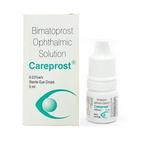
These drops gained immense popularity, demonstrating an incredibly fast and always noticeable result since its application. This innovative means will allow you to give your eyelashes an ideal look, strength and health, in whatever serious condition they are before the moment of its application. It is safe and effective providing amazing results.
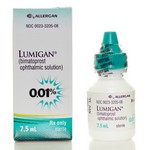
This means is prescribed to reduce eye pressure. Its active ingredient is synthetic prostaglandin bimatoprost – an unsaturated fatty acid, similar in its properties to hormones. Getting into the eye, drops help maintain the balance of the flow and outflow of eye fluid. It is a violation of this balance that leads to an increase in pressure, due to which the blood supply to the eye is impaired and the load on the optic nerve increases.

Bimatoprost reduces IOP in humans by increasing the outflow of aqueous humor through the trabecular meshwork and uveoscleral outflow. IOP reduction begins about 4 hours after the first use. The maximum effect is achieved after about 8–12 hours. The effect lasts for at least 24 hours.
Expired Eye Drops: Understanding the Changes and Risks
When it comes to eye drops, paying attention to expiration dates is crucial for maintaining their effectiveness and your eye health. Using expired eye drops can have negative consequences due to oxidation and the risk of bacterial contamination. Here’s a closer look at why paying attention to expiration dates is important:
4. The experience may change
Expired eye drops can undergo physical changes that can affect your overall experience when using them. These changes can include alterations in color or consistency, indicating that the drops may have started to degrade.
Color changes in eye drops can be an indication of degradation or the breakdown of active ingredients. For example, if the drops turn an unusual color, such as yellow or brown, it could suggest that the ingredients have undergone chemical changes and may no longer be as effective as intended.
Changes in consistency can also occur in expired eye drops. The texture or viscosity of the drops may become thicker or more watery, making it difficult to instill the drops in the eyes properly. This can impact the ability of the drops to coat the surface of the eye and deliver the intended benefits.
It’s important to note that these changes in color or consistency are not just about the aesthetic appeal or convenience of using the eye drops. They can be an indication of reduced effectiveness and could potentially lead to suboptimal treatment outcomes.
Overall, it’s crucial to check the expiration date of your eye drops and discard any expired products. Using expired eye drops can compromise the effectiveness of the active ingredients and increase the risk of complications.
Source:www.ncbi.nlm.nih.gov
Why Specific Types of Eye Drops Have Additional Considerations
When it comes to using eye drops, different types have specific guidelines and considerations to ensure optimal results. Here are some important factors to keep in mind:
Allergy Eye Drops
Allergy eye drops are designed to relieve symptoms such as itching, redness, and swelling caused by allergic reactions. These types of drops usually contain antihistamines or mast cell stabilizers to help alleviate the discomfort. However, it’s important to note that allergy eye drops may lose their effectiveness over time.
A study conducted by the American Academy of Allergy, Asthma, and Immunology found that after three weeks, 60% of allergy eye drop samples had degraded 10% in potency. After a year, 90% of the samples had degraded 50% in potency. This means that using expired allergy eye drops may not provide the same level of relief as fresh drops.
Dry Eye Drops
Dry eye drops are formulated to lubricate the eyes and provide relief from dryness, irritation, and a gritty feeling. These drops typically contain ingredients like artificial tears or lipid-based solutions to help restore moisture to the eyes.
Research suggests that some dry eye drops may lose their effectiveness over time. A study published in the journal Cornea found that after three months, the preservative-free eye drop samples experienced changes in pH and degradation of certain active ingredients. This indicates that expired dry eye drops may not be as effective in treating dryness and other related symptoms.
Mucus Relief Eye Drops
Mucus relief eye drops, also known as mucolytic eye drops, are used to alleviate symptoms related to excessive eye mucus or discharge. These drops typically contain ingredients that help break down the mucus and relieve the discomfort.
It’s worth noting that mucus relief eye drops may become less effective over time. According to a study published in the Journal of Ocular Pharmacology and Therapeutics, the active ingredient in one brand of mucus relief eye drops began to degrade after six months, leading to reduced efficacy in breaking down mucus.
Glaucoma Eye Drops
Glaucoma eye drops are prescribed to lower intraocular pressure and prevent vision loss associated with glaucoma. These drops usually contain ingredients like prostaglandin analogs or beta-blockers to help decrease eye pressure.
Research shows that glaucoma eye drops can also lose their potency over time. A study published in the Journal of Ocular Pharmacology and Therapeutics found that the active ingredient in one glaucoma eye drop brand degraded significantly after six months, leading to reduced effectiveness in lowering intraocular pressure.
In summary, specific types of eye drops, such as allergy eye drops, dry eye drops, mucus relief eye drops, and glaucoma eye drops, may have additional considerations when it comes to expiration dates. To ensure optimal results and avoid any potential risks, it’s important to check expiration dates, properly store the eye drops, and consult with your healthcare provider if you have any concerns.
For more information on eye drop expiration dates and guidelines, you can visit the American Academy of Ophthalmology website or consult with your eye care professional.
Proper Storage Conditions for Eye Drops
Proper storage of eye drops is essential to ensure their effectiveness and prolong their shelf life. Here are some important considerations:
1. Store in a Cool, Dark Place
Eye drops should be kept in a cool, dark place to minimize exposure to heat and light. Heat can accelerate the degradation of the active ingredients in the drops, reducing their effectiveness. Direct sunlight can also cause changes in temperature that may affect the stability of the medication. Therefore, it is best to store eye drops in a medicine cabinet or drawer away from direct sunlight and sources of heat.
2. Keep the Cap Tightly Closed
After each use, it is important to tightly close the cap of the eye drop bottle. This helps to minimize the exposure of the medication to air, which can cause oxidation and degradation of the active ingredients. Additionally, a tightly closed cap helps to prevent bacteria from entering the bottle and contaminating the eye drops.
3. Avoid Contamination
It is vital to prevent the introduction of any foreign substances, such as dirt or bacteria, into the eye drop bottle. To do this, you should avoid touching the dropper tip to any surface, including your eye, eyelashes, or fingers. This can help to minimize the risk of bacterial contamination.
4. Do Not Share Eye Drops
Eye drops are intended for individual use and should not be shared with others. Sharing eye drops can increase the risk of introducing bacteria into the bottle, as well as spreading infections or other eye conditions.
5. Check for Changes in Color or Consistency
Before using eye drops, it is essential to carefully inspect them for any changes in color or consistency. Any discoloration or changes in the texture of the drops may indicate degradation. If this occurs, it is advisable to discard the eye drops and purchase a new bottle.
By following these storage guidelines, you can help ensure that your eye drops remain effective and safe to use. Remember to always check the expiration date before purchasing and using eye drops, and discard any expired ones.
Where to Buy Fresh Eye Drops: Tips for Finding a Reputable Source
When it comes to purchasing eye drops, it’s important to buy them from a trusted and reputable source. Here are some tips to help you find fresh eye drops:
- Choose a reputable pharmacy: Look for well-known pharmacies that have a good reputation for selling quality products. Popular pharmacy chains like Walgreens, CVS, or Rite Aid are often reliable options.
- Check online platforms: Online platforms like Amazon or Walmart are convenient options for purchasing eye drops. Make sure to read product reviews and verify the seller’s reputation before making a purchase.
- Look for well-known brands: Stick to eye drops from established and reputable brands. Brands like Refresh, Systane, or Visine are widely recognized and trusted for their quality.
- Verify the expiration date: Always check the expiration date before purchasing eye drops. Avoid buying products that are close to or past their expiration date.
- Discard expired eye drops: If you have expired eye drops at home, it’s important to discard them properly. Do not use them as they may not be as effective and could potentially lead to bacterial contamination or other risks.
- Consult with a healthcare professional: If you are unsure about which eye drops to buy or have specific concerns or requirements, it’s always a good idea to consult with a healthcare professional. They can guide you in finding the most suitable eye drops for your needs.
Remember, the quality and effectiveness of eye drops can vary depending on the brand and storage conditions. By following these tips and purchasing from reputable sources, you can ensure you are getting fresh and reliable eye drops for your needs.