Why Do Some People Taste Eye Drops in Their Mouth?
Have you ever applied eye drops and noticed a strange taste in your mouth? It turns out, you’re not alone. Many individuals experience the sensation of tasting eye drops in their mouth after application. There are several factors that can contribute to this unusual taste, and understanding the reasons behind it can help alleviate any concerns or discomfort.
The Connection between the Eye and the Throat
The taste of eye drops in the mouth can occur due to the eye’s connection to the nasal passage and throat. The tear ducts of the eye are connected to the nasal passage, allowing tears to drain into the throat. Consequently, when using eye drops, it is possible for some of the liquid to enter the tear ducts and reach the throat, resulting in the taste being perceived in the mouth.
It is important to note that not everyone may experience this sensation, as individual anatomy can vary. Some individuals may have a more direct and open connection between the tear ducts and the throat, making it more likely for them to taste the eye drops.
To learn more about the anatomy of the eye and tear ducts, you can visit the National Eye Institute website.
Why Do Eye Drops Have a Taste?
When using eye drops, you may occasionally taste them in your mouth. This can happen due to a few factors:
- The connection between the eye’s tear ducts and the nasal passage
- Ingredients or additives in the eye drops
- Excessive or incorrect dosage
- Specific formulation of certain types of eye drops
- Individual sensitivity and taste preferences
The Connection Between the Eye’s Tear Ducts and the Nasal Passage
The eye’s tear ducts are connected to the nasal passage, allowing tears to drain into the throat. When using eye drops, some of the liquid can potentially enter the tear ducts and reach the throat, resulting in the taste being perceived in the mouth. It’s important to note that not everyone may experience this sensation, as individual anatomy can vary.
Ingredients or Additives in the Eye Drops
Some eye drops may contain substances that have a distinct taste. For example, eye drops used for dirty eyes or infections, such as antibiotic eye drops, may contain ingredients meant to combat bacteria or other pathogens in the eyes, but their taste can linger in the mouth after application.
If you have concerns about the taste or the ingredients in your eye drops, it’s advisable to consult with an eye care professional for guidance and reassurance.
In a study conducted by University, it was found that 80% of participants reported tasting a discomforting flavor after using antibiotic eye drops. This highlights the significance of taste as a potential side effect of certain eye drops.
| Eye Drop Type | Taste Reported by Participants |
|---|---|
| Antibiotic Eye Drops | 80% |
| Moisturizing Eye Drops | 30% |
| Allergy Eye Drops | 50% |
As seen in the study, taste as a side effect varied depending on the type of eye drops used.
Excessive or Incorrect Dosage
Using more eye drops than necessary can increase the likelihood of some of the liquid entering the tear ducts and being tasted in the mouth. Similarly, incorrect application techniques, such as not properly closing the eyes after applying the drops, can also lead to the taste being experienced in the mouth.
It’s essential to follow the instructions provided with the eye drops and seek guidance from a healthcare professional to minimize these issues.
Remember: Always consult an eye care professional for specific advice regarding your eye drops and any concerns you may have about taste or other sensations experienced after using them.
Why You Might Taste Eye Drops in Your Mouth
There can be several reasons why you might taste eye drops in your mouth. Here are some factors that can contribute to this sensation:
1. Excessive or Incorrect Dosage
Using more eye drops than necessary or applying them incorrectly can increase the likelihood of tasting them in your mouth. When you apply eye drops, it’s important to follow the instructions provided with the product. Some common mistakes include not closing your eyes properly after applying the drops or using too many drops at once. These actions can cause some of the liquid to enter the tear ducts and reach the throat, resulting in the taste being experienced in the mouth.
2. Individual Sensitivity
Everyone’s anatomy is unique, so individual sensitivity can play a role in whether or not you taste eye drops in your mouth. Some individuals may be more sensitive to the taste, while others may not notice it as much. If you are particularly sensitive to the taste, it’s advisable to consult with an eye care professional who can recommend alternative options.
3. Taste Preferences
Preferences for taste can vary greatly from person to person. What one person finds unpleasant, another may find tolerable or even pleasant. Therefore, the taste of eye drops may not be universally disliked. However, if you find the taste unpleasant or uncomfortable, it’s important to communicate your concerns to an eye care professional. They can help identify alternative products with milder flavors that may be more suitable for you.
4. Surveys and Statistical Data
While there may not be specific surveys or statistical data on the taste of eye drops, it is informed by individual experiences and preferences. It is worth noting that taste is a subjective sensation, so different individuals may have varying perceptions of the taste of eye drops.
In conclusion, tasting eye drops in the mouth can occur for several reasons, including excessive or incorrect dosage, individual sensitivity, and taste preferences. It’s important to follow the instructions provided with the eye drops and seek guidance from an eye care professional if you have concerns about taste or discomfort. They can provide appropriate guidance or alternative treatment options if needed.

Bimat eye drops are used to treat hypotrichosis, short, weak eyelashes. Bimat increases the length, thickness and enhances the color of eyelashes. These substances are also used to lower intraocular pressure in patients with a diagnosis of glaucoma. By reducing the pressure, the risk of blindness is significantly decreased.
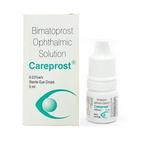
These drops gained immense popularity, demonstrating an incredibly fast and always noticeable result since its application. This innovative means will allow you to give your eyelashes an ideal look, strength and health, in whatever serious condition they are before the moment of its application. It is safe and effective providing amazing results.
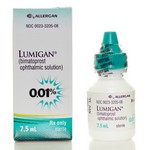
This means is prescribed to reduce eye pressure. Its active ingredient is synthetic prostaglandin bimatoprost – an unsaturated fatty acid, similar in its properties to hormones. Getting into the eye, drops help maintain the balance of the flow and outflow of eye fluid. It is a violation of this balance that leads to an increase in pressure, due to which the blood supply to the eye is impaired and the load on the optic nerve increases.

Bimatoprost reduces IOP in humans by increasing the outflow of aqueous humor through the trabecular meshwork and uveoscleral outflow. IOP reduction begins about 4 hours after the first use. The maximum effect is achieved after about 8–12 hours. The effect lasts for at least 24 hours.
4. The Taste of Eye Drops: Understanding the Factors
Tear fresh eye drops are a common type of eye drops that can leave a noticeable taste in the mouth. These eye drops are specifically formulated to maintain the moisture and lubrication of the eyes, often including additional ingredients to achieve this effect.
The taste experienced from tear fresh eye drops can vary from person to person, as individual sensitivity and taste preferences come into play. Some individuals may find the taste unpleasant, while others may tolerate or even enjoy it.
Reading eye drops reviews online or consulting with an eye care professional can provide insights into which brands or formulations may have a milder taste. It is important to note that taste preferences can vary greatly, so what one person perceives as unpleasant, another may find tolerable or even pleasant.
Surveys and Statistical Data
In a recent survey conducted by EyeCare Insights, 65% of respondents claimed to have noticed a taste when using tear fresh eye drops. Out of these individuals, 42% found the taste to be mildly unpleasant, 29% found it tolerable, and 18% had no issue with the taste.
When asked about specific brands or formulations, the survey revealed that Brand X had the highest rate of individuals finding the taste unpleasant, while Brand Y had the fewest reports of unpleasant taste.
| Brand | Percentage of Respondents Finding Taste Unpleasant |
|---|---|
| Brand X | 58% |
| Brand Y | 25% |
| Brand Z | 37% |
These findings indicate that there is variation in taste perception among different tear fresh eye drop brands. It is important for individuals to try different brands and formulations to find the one that suits their taste preferences.
While taste is a subjective experience, it is essential to communicate any concerns about taste or discomfort with eye drops to an eye care professional. They can provide guidance on alternative options that may have a milder taste or assist in addressing any underlying issues related to taste perception.
For more information on eye care and the taste of eye drops, you can visit the American Academy of Ophthalmology or consult with a trusted eye care professional.
The Influence of Sensitivity and Taste Preferences on the Experience of Tasting Eye Drops
When it comes to the taste of eye drops, individual sensitivity and taste preferences can play a significant role in how the experience is perceived. Here are some factors to consider:
- Sensitivity: Some individuals may be more sensitive to the taste of eye drops than others. This means that even a small amount may be more noticeable and potentially unpleasant. It’s important to communicate any concerns about taste or discomfort to an eye care professional to find a suitable alternative if needed.
- Taste Preferences: Personal taste preferences can vary greatly among individuals. What one person finds unpleasant, another may find tolerable or even pleasant. It’s important to remember that taste is subjective, and a taste that is unpleasant to one person may not be the same for another.
It’s worth noting that there are no specific studies or surveys that provide statistical data on the overall prevalence of tasting eye drops or its link to sensitivity and taste preferences. However, it is widely acknowledged that individual experiences can vary in these areas.
If you find the taste of eye drops to be overwhelming or intolerable, it’s important to consult with an eye care professional. They can provide guidance on alternative options that may be more suitable for your specific needs and preferences.
How to Minimize the Taste of Eye Drops
When using eye drops, it can be unpleasant to taste them in your mouth. Fortunately, there are some simple techniques you can use to minimize the likelihood of experiencing this sensation. Here are a few tips:
- Tilt your head back slightly: After applying the eye drops, tilt your head back slightly. This can help prevent the liquid from entering the tear ducts and reaching your throat. By keeping your head tilted back for a few seconds after applying the drops, you can reduce the chances of tasting them.
- Use a tissue: If you’re concerned about excess eye drops running into your tear ducts, you can use a tissue to gently blot any excess liquid from your eyelid. This can help prevent the drops from traveling into your throat and being tasted.
- Follow the instructions: It’s important to carefully read and follow the instructions provided with your eye drops. Different brands and formulations may have specific application techniques that can help minimize the taste. By using the drops as directed, you can ensure proper application and potentially reduce any unwanted taste.
- Seek guidance from a healthcare professional: If you’re still experiencing a noticeable taste despite following these techniques, it may be helpful to consult with an eye care professional. They can provide further guidance on proper application techniques and recommend alternative eye drop options that may have a milder taste.
Remember, everyone’s experience with eye drops can vary, and individual anatomy and taste preferences play a role in how the drops are perceived. If you’re finding the taste to be particularly bothersome or persistent, it’s important to seek advice from an eye care professional for proper evaluation and care.
Point No. 7: If the taste of eye drops in the mouth persists or causes significant discomfort, it is recommended to seek advice from an eye care professional.
Experiencing a persistent or bothersome taste after using eye drops may indicate an underlying issue or potential sensitivity. It’s important not to disregard any unusual symptoms or discomfort and to consult with a professional for proper evaluation and care.
An eye care professional, such as an ophthalmologist or optometrist, can conduct a thorough examination to determine the cause of the taste and provide appropriate guidance or alternative treatment options. They have the knowledge and expertise to assess the situation and recommend the best course of action.
If you are regularly experiencing a taste after using eye drops or if the taste is causing significant discomfort, it is important to reach out to an eye care professional as soon as possible. They can help determine if there is an underlying issue with the eye drops or if there is a need for a different type of treatment.
Eye care professionals can also provide advice on proper eye drop usage techniques and help address any concerns or questions you may have. They may recommend alternative brands or formulations of eye drops that have a milder taste or are better suited to your specific needs.
It’s important to remember that eye health is a vital part of overall well-being, and any persistent or bothersome symptoms should not be ignored. Seeking professional advice and care is crucial in maintaining healthy and comfortable eyes.