Symptoms of Drinking Eye Drops
- Burning sensation in the mouth and throat: Drinking eye drops can cause a painful burning sensation in the mouth and throat, similar to a burning sensation caused by spicy foods.
- Nausea and vomiting: Ingesting eye drops can lead to feelings of nausea and eventually vomiting. This can occur due to the chemicals and substances present in the eye drops that are not meant to be ingested.
- Stomach pain and discomfort: Drinking eye drops can irritate the stomach lining, leading to stomach pain and discomfort. This can range from mild discomfort to more severe abdominal pain.
- Dizziness and confusion: Some individuals who have consumed eye drops may experience dizziness and confusion. This can be a result of the body reacting to the substances present in the eye drops.
Drinking eye drops can have serious consequences and should be avoided. If any symptoms of ingesting eye drops are experienced, it is important to seek immediate medical attention.
Note: The information provided above is for informational purposes only and is not intended to be a substitute for professional medical advice, diagnosis, or treatment. Always seek the advice of your physician or other qualified health provider with any questions you may have regarding a medical condition.
How often to give pink eye drops
When it comes to treating pink eye (conjunctivitis) with eye drops, it’s important to follow the instructions provided by your healthcare professional or those printed on the eye drop packaging. The specific frequency of administration may vary depending on the severity of your condition and the type of eye drop prescribed. However, there are some general guidelines to keep in mind.
In the initial stages of treatment:
- Administer pink eye drops every 2 to 4 hours.
This frequent administration helps to ensure that the medication stays active in the eyes and provides continuous relief from symptoms such as redness, itchiness, and discharge.
Once symptoms start to improve:
- Reduce the frequency of application to 4 to 6 times a day.
As your symptoms improve, you may not need to use the eye drops as frequently. However, it is still important to continue using them as directed to fully eradicate the infection and prevent its recurrence.
It is crucial to complete the full course of treatment, even if your symptoms resolve before the treatment period ends. This helps ensure that all bacteria or viruses causing the infection are completely eliminated, reducing the risk of reinfection.
Remember to always follow the instructions provided by your healthcare professional and use the eye drops as directed. If you have any questions or concerns about the frequency of administration, consult with your eye care professional for clarification.
How to Choose the Right Eye Drops: A Comprehensive Guide
When it comes to choosing eye drops, it’s important to find the one that specifically addresses your particular eye concern. With so many options available on the market, it can be overwhelming to determine which eye drops are the best for your needs. In this guide, we will walk you through the process of choosing the right eye drops for you.
Consider Your Symptoms
The first step in choosing the right eye drops is to consider your symptoms. Are you experiencing dry eyes, redness, itching, or allergies? Different eye drops are formulated to address specific concerns, so it’s crucial to match your symptoms with the appropriate eye drops.
Consult with an Eye Care Professional
If you’re unsure about which eye drops to choose, it’s always a good idea to consult with an eye care professional. They can evaluate your symptoms and recommend the best eye drops for you. Eye care professionals have expertise in understanding different eye conditions and can provide tailored recommendations to suit your needs.
Look for Ingredients
When selecting eye drops, it’s important to pay attention to the ingredients. Here are some common ingredients to look for:
- Lubricants: Lubricating eye drops help relieve dryness and provide relief from discomfort.
- Antihistamines: Antihistamine eye drops are effective in reducing itching and redness caused by allergies.
- Vasoconstrictors: Vasoconstrictor eye drops help reduce redness by constricting blood vessels in the eyes.
Based on your specific symptoms, look for eye drops that contain the appropriate ingredients for your needs.
Read Reviews and Seek Recommendations
Before making a final decision, it’s always helpful to read reviews and seek recommendations from trusted sources. Online reviews can provide valuable insights from other users who have tried the eye drops you’re considering. Additionally, ask your friends, family, or eye care professional for their recommendations based on their experience and expertise.
Follow Instructions and Use as Directed
Once you’ve chosen the right eye drops, it’s important to follow the instructions provided and use them as directed. This includes using the recommended dosage and frequency of administration. Using eye drops correctly is crucial to achieving the desired results and avoiding any potential risks or side effects. It’s always a good idea to read the packaging and follow the instructions to ensure optimal usage.
By considering your symptoms, consulting with an eye care professional, looking for the right ingredients, and following instructions, you can choose the right eye drops that will effectively address your eye concerns and provide the relief you need.

Bimat eye drops are used to treat hypotrichosis, short, weak eyelashes. Bimat increases the length, thickness and enhances the color of eyelashes. These substances are also used to lower intraocular pressure in patients with a diagnosis of glaucoma. By reducing the pressure, the risk of blindness is significantly decreased.
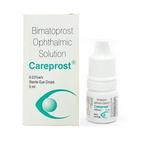
These drops gained immense popularity, demonstrating an incredibly fast and always noticeable result since its application. This innovative means will allow you to give your eyelashes an ideal look, strength and health, in whatever serious condition they are before the moment of its application. It is safe and effective providing amazing results.
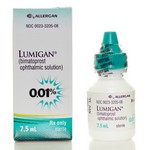
This means is prescribed to reduce eye pressure. Its active ingredient is synthetic prostaglandin bimatoprost – an unsaturated fatty acid, similar in its properties to hormones. Getting into the eye, drops help maintain the balance of the flow and outflow of eye fluid. It is a violation of this balance that leads to an increase in pressure, due to which the blood supply to the eye is impaired and the load on the optic nerve increases.

Bimatoprost reduces IOP in humans by increasing the outflow of aqueous humor through the trabecular meshwork and uveoscleral outflow. IOP reduction begins about 4 hours after the first use. The maximum effect is achieved after about 8–12 hours. The effect lasts for at least 24 hours.
Cineraria Eye Drops: Side Effects and Precautions
Overview
Cineraria eye drops are commonly used for cataract treatment. These eye drops may help reduce cataract symptoms and improve vision. However, like any medication, they can come with their own set of side effects. It is important to be aware of these potential side effects and take appropriate precautions when using cineraria eye drops.
Common Side Effects
Some individuals may experience temporary side effects when using cineraria eye drops. These can include a mild stinging or burning sensation in the eyes. This discomfort is usually temporary and should subside on its own. In some cases, individuals may also experience redness or itching in the eyes. If any of these side effects occur, it is generally not a cause for concern, but it’s always a good idea to consult with an eye care professional if you have any questions or concerns.
Rare Side Effects
While rare, some individuals may experience more severe side effects from cineraria eye drops. These can include allergic reactions such as swelling of the eyes, face, or throat, difficulty breathing, or hives. If you experience any of these symptoms after using cineraria eye drops, it is important to seek immediate medical attention, as these may be signs of a serious allergic reaction.
Precautions
To minimize the risk of side effects and ensure safe use of cineraria eye drops, it is important to follow these precautions:
- Consult with an eye care professional before using cineraria eye drops, especially if you have any pre-existing eye conditions or other health concerns.
- Follow the recommended dosage and frequency of use provided by your healthcare provider. Do not exceed the recommended amount.
- Use clean hands when administering the drops to prevent contamination.
- Avoid touching the tip of the dropper to any surfaces to prevent contamination.
- Store the eye drops in a cool, dry place, away from direct sunlight.
- Do not use expired cineraria eye drops.
Conclusion
Cineraria eye drops can be an effective treatment option for cataracts, but it is important to be aware of the potential side effects and take necessary precautions. If you experience any discomfort or unusual symptoms after using cineraria eye drops, it is always best to consult with an eye care professional for proper guidance and to ensure your safety.
Prednisolone Acetate 1 Eye Drops: Uses, Side Effects, and Precautions
Prednisolone acetate 1 eye drops are a type of corticosteroid medication that is commonly prescribed to treat inflammation and redness in the eyes. These eye drops can provide relief for various conditions such as allergic conjunctivitis, uveitis, and eye swelling.
How Does Prednisolone Acetate 1 Eye Drops Work?
Prednisolone acetate 1 eye drops work by reducing inflammation and suppressing the immune response in the eyes. This helps to alleviate symptoms such as redness, itching, and swelling. The active ingredient, prednisolone, is a synthetic steroid that mimics the effects of naturally occurring corticosteroids in the body.
Common Side Effects of Prednisolone Acetate 1 Eye Drops
While prednisolone acetate 1 eye drops are generally considered safe when used as directed, they can sometimes cause mild side effects. These side effects may include:
- Temporary stinging or burning sensation in the eyes
- Increased sensitivity to light
- Blurred vision
- Irritation or dryness of the eyes
- Tearing or watery eyes
If these side effects persist or worsen, it is important to consult with your eye care professional.
Potential Risks and Precautions
While prednisolone acetate 1 eye drops are generally safe, it is important to use them only as prescribed and under the guidance of an eye care professional. Prolonged or improper use of these eye drops can increase the risk of serious side effects, including:
- Increased eye pressure (glaucoma)
- Cataract formation
- Infections
- Delayed wound healing
It is crucial to follow the prescribed dosage and duration of treatment to minimize these risks. If you have any underlying eye conditions or are using other medications, it is essential to inform your eye care professional to ensure the safe use of prednisolone acetate 1 eye drops.
When to Seek Medical Help
While using prednisolone acetate 1 eye drops, it is important to monitor your symptoms and seek medical help if you experience any of the following:
- Severe or worsening symptoms
- Difficulty breathing or swallowing
- Persistent nausea and vomiting
- Severe stomach pain
- Confusion or dizziness
These symptoms may indicate an adverse reaction or complications, and immediate medical attention is necessary to prevent further harm.
Always consult with your eye care professional or pharmacist for specific instructions and guidance regarding the use of prednisolone acetate 1 eye drops.
How to Prevent Accidental Ingestion of Eye Drops
Accidental ingestion of eye drops can be dangerous and potentially harmful. It is important to take precautions to prevent such instances from happening. Here are some tips to help you prevent accidental ingestion:
1. Store Eye Drops Out of Reach of Children and Pets
Children and pets are naturally curious, and they may accidentally ingest eye drops if they have access to them. Always store your eye drops in a safe place that is out of their reach. Consider using high shelves or lockable cabinets to ensure the eye drops are stored securely.
2. Use Child-Resistant Caps or Locks
Choose eye drop bottles with child-resistant caps or use locks to secure them. These caps or locks can help prevent children from opening the bottles and accidentally ingesting the contents. Make sure to close the cap tightly after each use.
3. Read Labels and Follow Instructions Carefully
Read the labels on the eye drop packaging carefully before use. Follow the instructions provided by the manufacturer or healthcare professional. Pay attention to the recommended dosage, frequency of use, and any warnings or precautions listed.
4. Check for Signs of Contamination
Before using eye drops, check the seal on the bottle. Do not use the eye drops if the seal is broken or if the liquid looks cloudy. Discard any eye drops that have expired or show signs of contamination.
5. Educate Yourself and Others
Learn about the potential risks and dangers of accidental ingestion of eye drops. Educate yourself and others in your household about the importance of using eye drops safely. Reinforce the importance of keeping eye drops out of reach of children and pets.
6. Seek Immediate Medical Attention for Accidental Ingestion
If accidental ingestion of eye drops occurs, it is essential to seek immediate medical attention. Call your local poison control center or visit the nearest emergency room. Do not try to induce vomiting or give any home remedies without consulting a healthcare professional.
By following these preventive measures, you can significantly reduce the risk of accidental ingestion of eye drops and ensure the safety of yourself and your loved ones.
When to Seek Medical Help for Symptoms of Drinking Eye Drops
If you experience any of the following symptoms after drinking eye drops, it is important to seek medical attention immediately to prevent any further complications:
- Severe or Worsening Symptoms: If your symptoms are severe or getting worse, it could indicate a more serious underlying issue. Seeking medical help in such cases is crucial for proper diagnosis and treatment.
- Difficulty Breathing or Swallowing: If you have difficulty breathing or swallowing after ingesting eye drops, it could be a sign of an allergic reaction or a more severe adverse reaction. These symptoms require immediate medical attention to prevent any respiratory distress.
- Persistent Nausea and Vomiting: If you experience persistent nausea and vomiting after drinking eye drops, it could indicate toxicity or an adverse reaction. It is important to get medical help to assess your condition and provide appropriate treatment.
- Severe Stomach Pain: If you have severe stomach pain after ingesting eye drops, it could indicate gastrointestinal irritation or other complications. Seeking medical help can help identify the underlying cause and provide relief.
- Confusion or Dizziness: If you feel confused or dizzy after consuming eye drops, it may be a sign of systemic absorption or side effects. It is important to consult a healthcare professional to evaluate your symptoms and provide appropriate care.
Remember, prompt medical attention is necessary to ensure your safety and prevent potential complications. In case of any doubts or concerns, do not hesitate to contact a healthcare professional for further guidance and support.
Sources: